
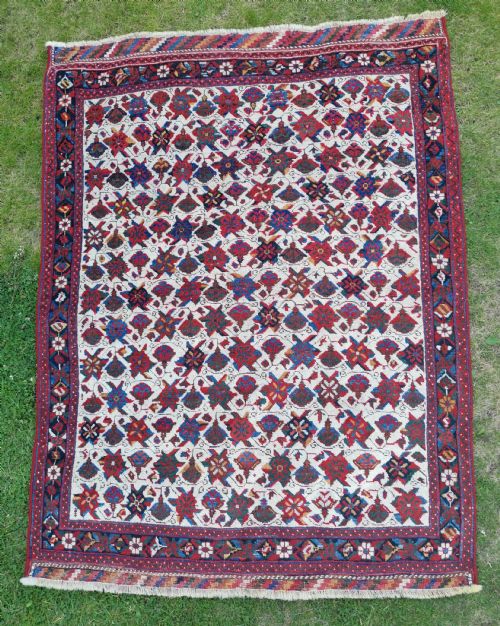
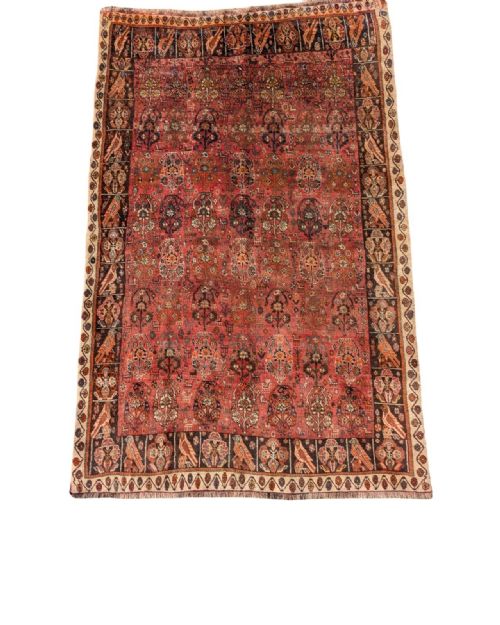
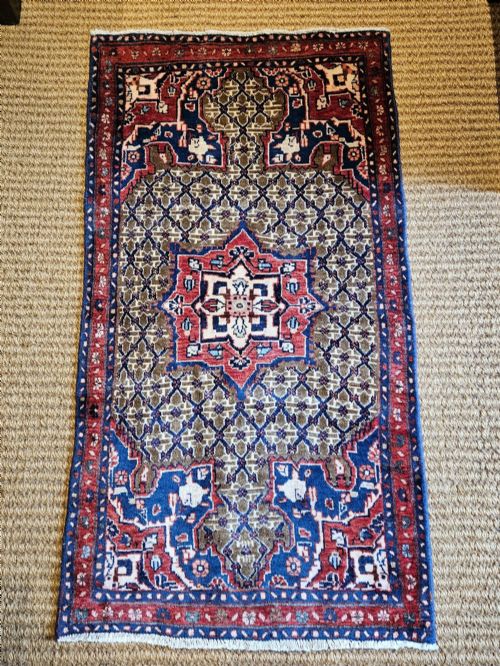


Vintage Persian Floor Mat
A vintage persian floor mat brings deep colour and centuries of weave tradition straight to your boards.
Vintage Persian Floor Mat
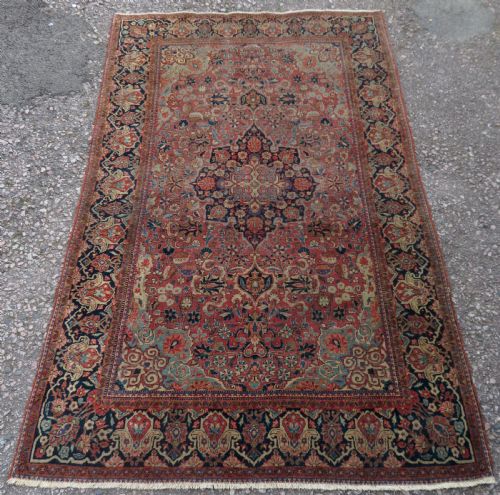
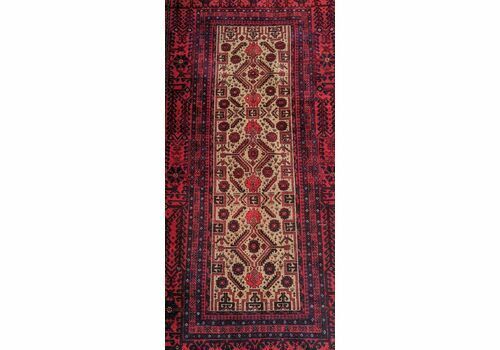
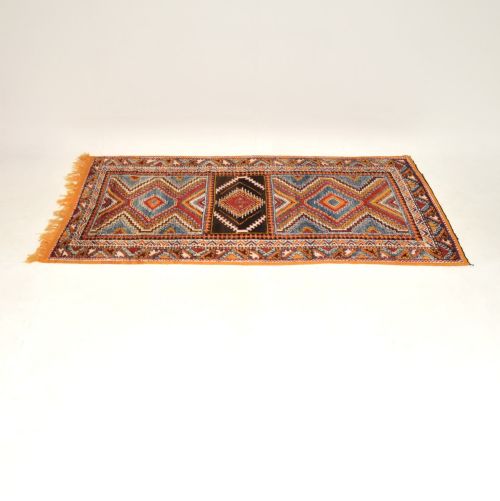
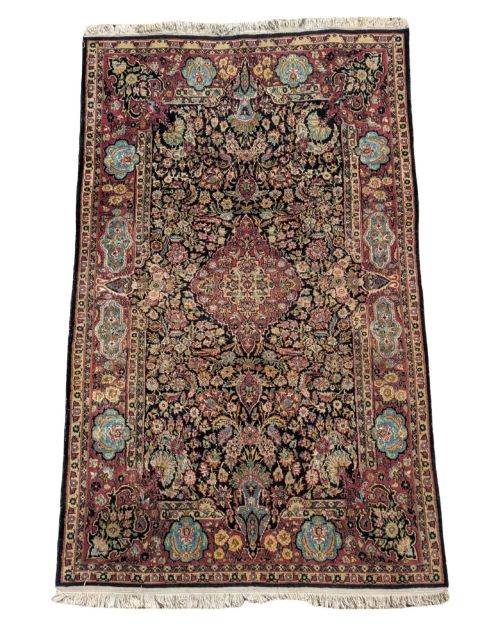
When you search for a vintage persian floor mat, you encounter hand-knotted room carpets, hallway runners, and hearth-sized rugs originating from workshops and nomadic tribes. The pieces listed span from the late nineteenth century through the early twentieth century, incorporating traditional village patterns and detailed city designs.
Most examples you meet here arrive from distinct weaving regions such as Heriz, Afshar, Baluch, and Kashan. These floor coverings range from compact tribal formats to substantial room-sized carpets, reflecting the diverse domestic functions they served across Persia.
Makers utilised local symbolism, geometric medallions, and floral lattices to establish regional identities within each textile. The resulting assortment provides tactile history for modern interiors, balancing robust utility with decorative depth.
How they were made
Weavers constructed these textiles predominantly with wool pile knotted onto sturdy cotton or wool foundations, occasionally introducing silk highlights for luminous detail. The hand-knotting process demanded precise tension and months of labour by skilled artisans working on upright looms.
Natural dyestuffs yielded rich tones of red, blue, and rust that softened gracefully over decades of exposure and use. Artisans bound the edges with overcast stitching and secured the pile to ensure lasting structural integrity.
Listings span periods from the nineteenth century up to 1930, featuring materials such as wool, cotton, and silk across multiple regional styles.
What varies in quality
Knot density dictates the crispness of a pattern and the overall longevity of the pile under heavy foot traffic. Finer weaves allow for intricate curves in floral vases and medallion outlines, whereas coarser tribal rugs rely on bold, simplified geometries.
The choice of wool grade and the consistency of the hand-spun yarn influence how the surface reflects light and withstands wear. Dyes derived from plant materials age with harmonious subtlety, distinguishing exceptional examples from simpler commercial outputs.
The Vintage Persian Floor Mat Glossary
- Pile
- The vertical or diagonal loops of yarn that form the usable surface of a rug. It is measured by its density and height.
- Medallion
- A large central ornamental motif placed in the middle of the field. This design element often anchors the entire composition of the carpet.
- Warp
- The stationary longitudinal threads stretched across the loom upon which the knots are tied. Cotton and wool serve as the primary materials for these structural elements.
- Weft
- The horizontal threads passed across the warp strands between rows of knots to bind the structure firmly together. Proper beating of the weft ensures a tight and durable fabric.
- Prayer rug
- A small format textile featuring a mihrab or arched design indicating the direction of prayer. These pieces typically hung on walls or served as portable floor coverings.
Vintage Persian Floor Mat: Frequently Asked Questions
How do I clean a vintage rug?
Gentle surface brushing and periodic professional washing preserve the natural wool fibres without stripping the vintage dyes. Avoid harsh chemical detergents that can weaken the cotton foundation.
Allow the textile to dry flat in a shaded area to prevent warping or shrinkage of the handmade structure.
Where should I place a runner?
Hallway runners suit narrow corridors, entryways, or narrow spaces alongside beds where foot traffic is steady. A quality underlay prevents slipping and cushions the foundation against hard floors.
Rotate the textile periodically to ensure even wear across the length of the pile.
Are these rugs durable enough for daily use?
Wool and cotton construction provides natural resilience that withstands everyday domestic life when placed properly. Regular care ensures the pile remains cushioned and supportive.
Keep heavy furniture legs clear of delicate edges to maintain the structural borders.
How do I identify a tribal rug?
Tribal pieces display asymmetrical geometric motifs, repeating octagons, and motifs inspired by nomadic life rather than formal court designs. The wool often feels heavier and displays charming irregularities from village production.
These characteristics separate nomadic weaving from refined city workshops.