





Caucasian Style Tribal Rug
A caucasian style tribal rug brings dense geometric patterning and rich regional character directly onto the floor.
Caucasian Style Tribal Rug
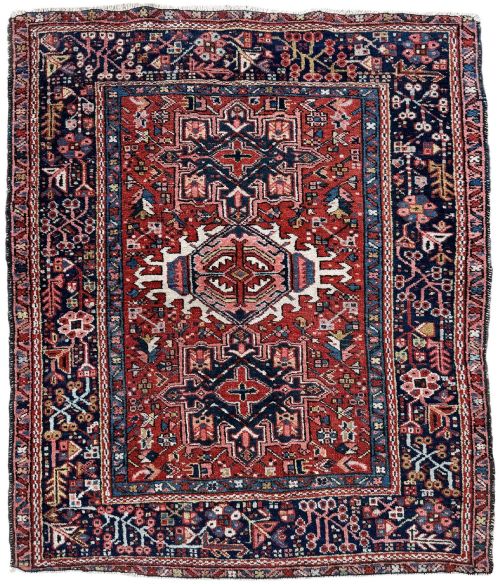
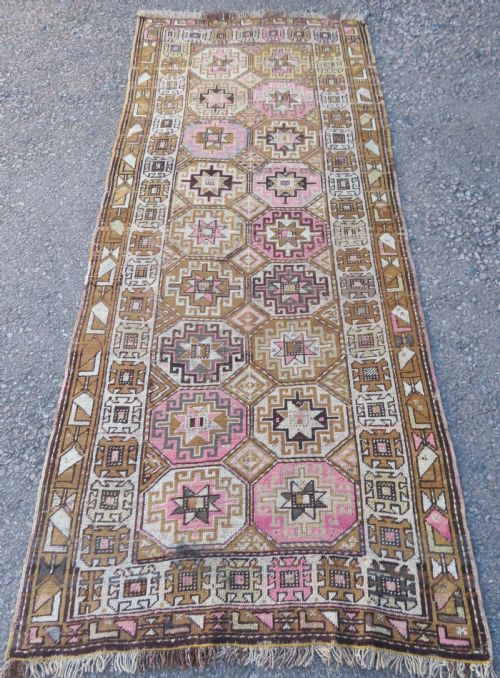
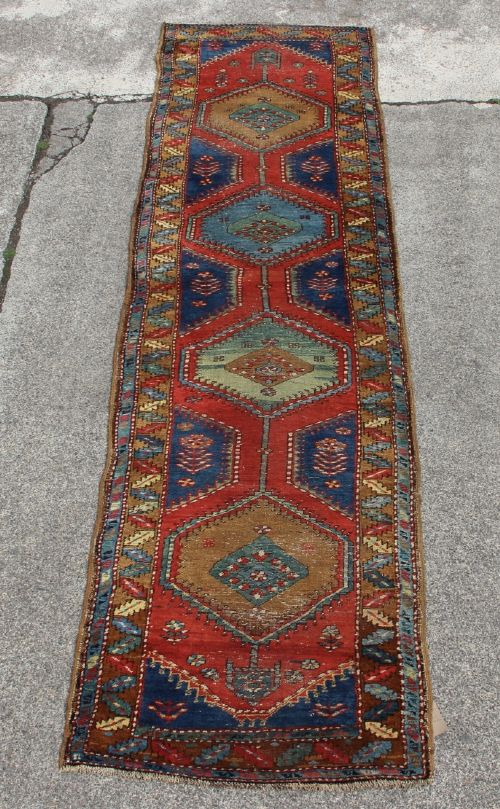
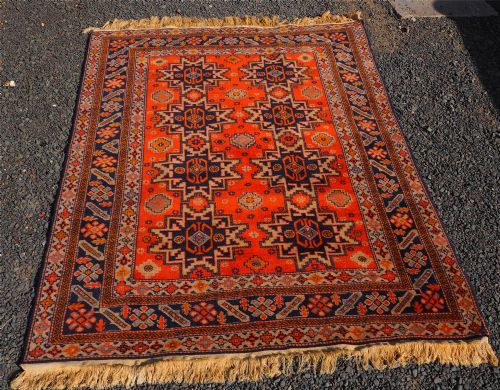
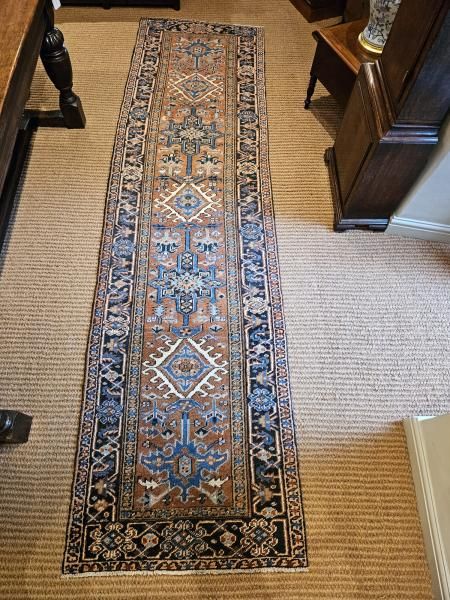
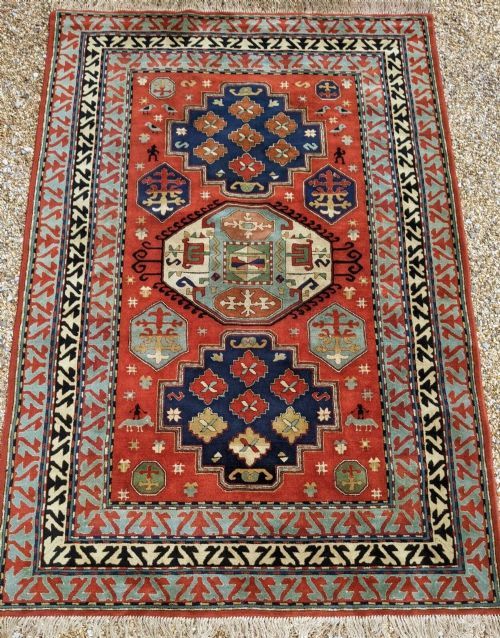
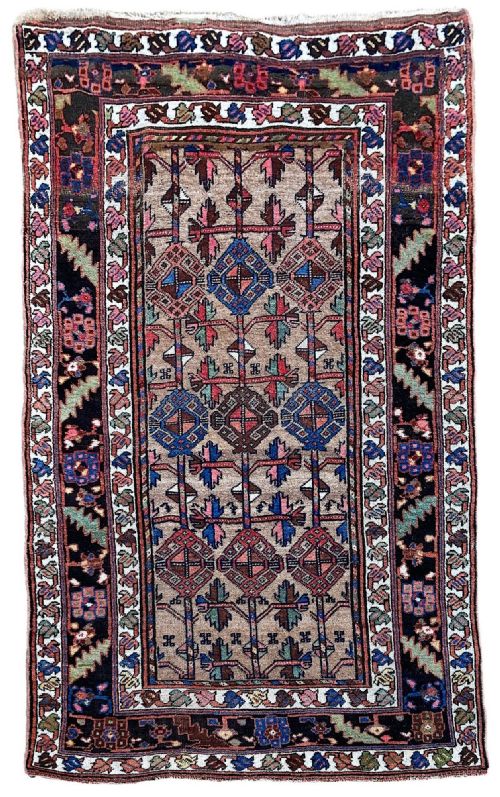
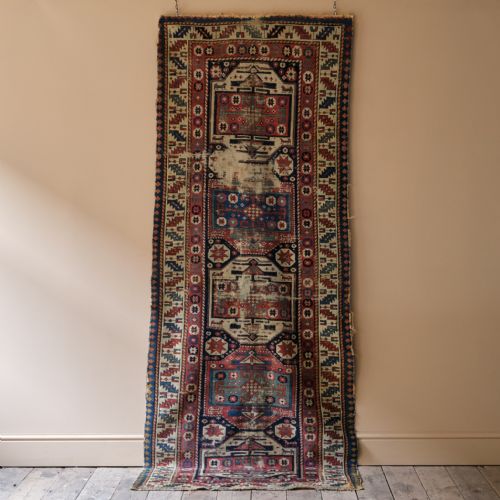
A caucasian style tribal rug encompasses hand-knotted floor coverings hailing predominantly from nineteenth and early twentieth century production. The selections here range from long hallway runners to compact village rugs and square formats.
Most examples originate from Caucasian and North-West Persian workshops, bearing traditional motifs associated with weaving groups such as the Kurdish, Karaja, Heriz, and Sarab. Buyers encounter everything from narrow prayer rugs to expansive room-sized carpets dating from the eighteen seventies through the nineteen thirties.
How they were made
Makers utilised resilient wool, hand-spun wool, and occasional camel hair for the pile, knotted firmly onto cotton or wool foundations. This combination provides the structural integrity necessary for surviving centuries of foot traffic.
The dying and weaving processes relied on traditional village methods, resulting in saturated ground colours and characteristic tribal asymmetry across the field design.
Some antique runners carry wonderfully crooked geometries where the village weaver simply allowed the alleyway of motifs to wander off-centre.
What varies in quality
Pile density and the crispness of the geometric drawing dictate the upper tier of these textiles. Finer knots permit intricate detailing in medallions and borders, whereas coarser weaves lean towards bolder, simplified village interpretations.
The integrity of the foundation and the retention of original side selvedges and end finishes also determine the standing of an individual piece.
The Caucasian Style Tribal Rug Glossary
- Kelleh
- A large format rectangular rug, typically longer than a standard room rug but narrower than a full carpet.
- Bag face
- The front portion of a tribal saddlebag, often woven with particularly fine detail and preserved as a small standalone mat.
- Prayer rug
- A small textile featuring a central mihrab or niche design, historically utilised to kneel upon during daily devotions.
- Runner
- A long, narrow carpet format designed specifically for hallways, corridors, and narrow passageways.
Caucasian Style Tribal Rug: Frequently Asked Questions
How do I clean an old tribal rug?
Gentle surface brushing and professional specialist washing maintain the integrity of the natural fibres. Avoid harsh chemical treatments that strip the lanolin from the wool.
Regular rotation distributes wear evenly across high-traffic areas, while proper underlays prevent sliding and reduce friction against the floorboards.
Where were these rugs woven?
The pieces originate primarily from the Caucasus region and North-West Persia, including specific districts like Heriz, Karaja, and Sarab. Village and nomadic weavers produced them locally using traditional motifs passed down through generations.
Distinct tribal groups incorporated specific colour palettes and geometric symbolisms that help identify their geographical roots.
How do I date a woven rug?
Dating relies on analysing the wool quality, dye types, structural materials, and stylistic nuances. Natural variations in hand-spun yarn and distinct village designs point towards specific decades between the nineteenth and mid-twentieth centuries.
Examining the selvedges and foundation warps provides further clues regarding the age and regional origin of the textile.
Can I place these rugs in heavy traffic areas?
Traditional wool and camel hair construction yields durable floor coverings built to withstand regular domestic use. Hallways and living rooms accommodate runners and carpets successfully when paired with a quality rug underlay.
Heavier traffic naturally accelerates the patina, though fragile foundation areas benefit from placement in moderate-use zones.