



Red and Blue Carpet
A red and blue carpet brings deep madder tones and indigo dyes together on the floor, offering a timeless palette for traditional and modern interiors.
Red and Blue Carpet
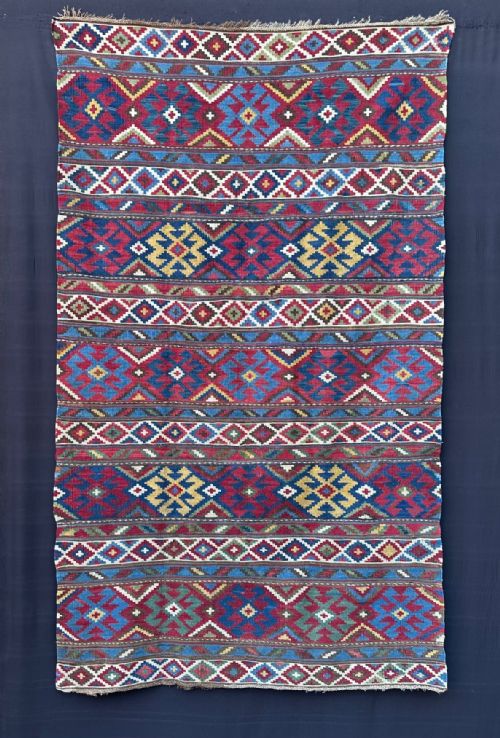
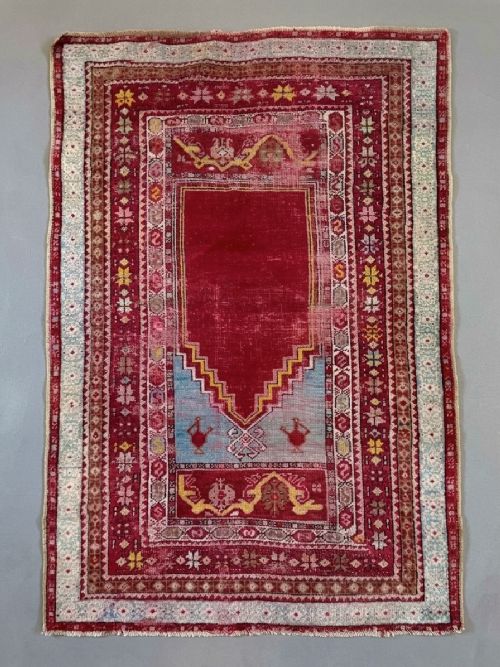
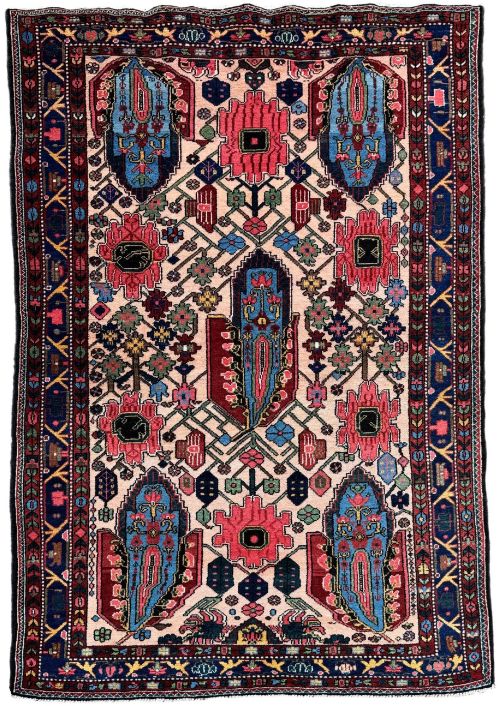
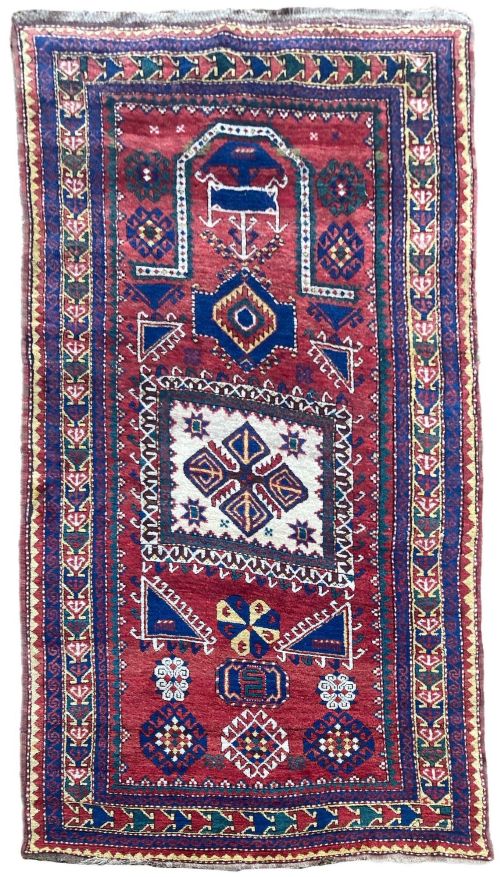
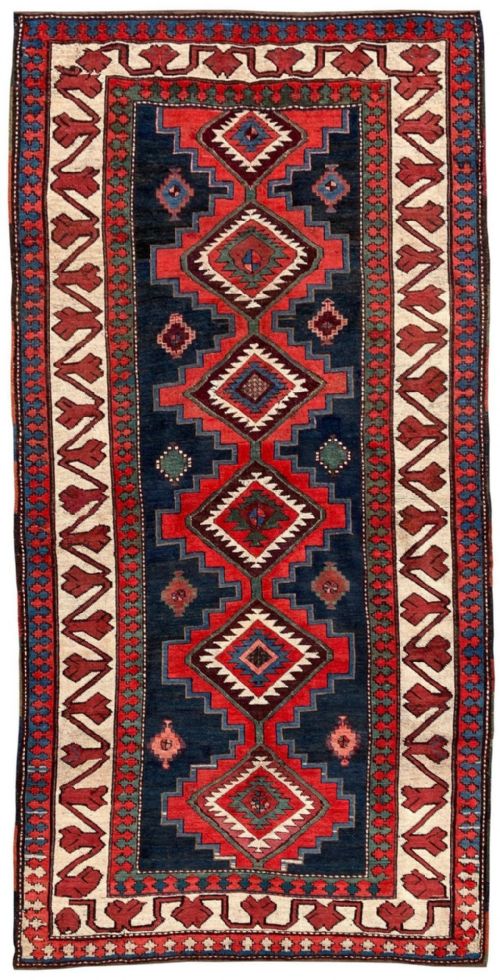
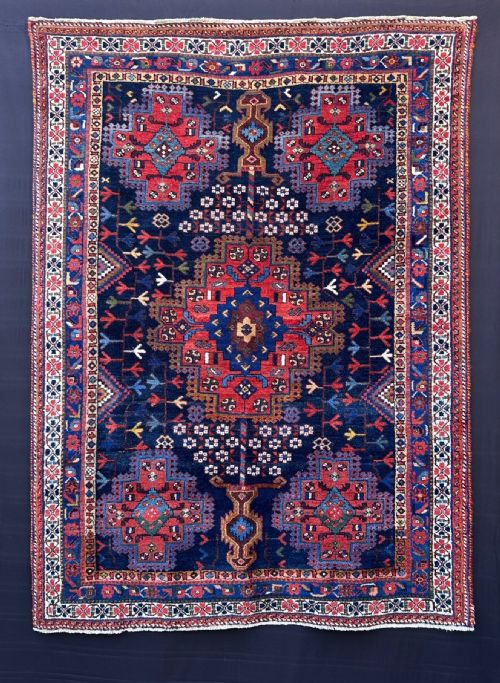
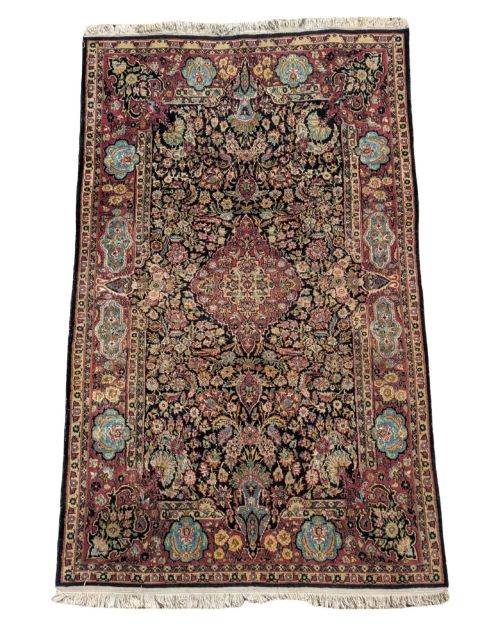
A red and blue carpet encompasses hand-knotted tribal and village floor coverings originating from Persia, the Caucasus, and Anatolia. These pieces emerge from regions with long histories of nomadic and workshop weaving, dating from the nineteenth century into the mid twentieth century.
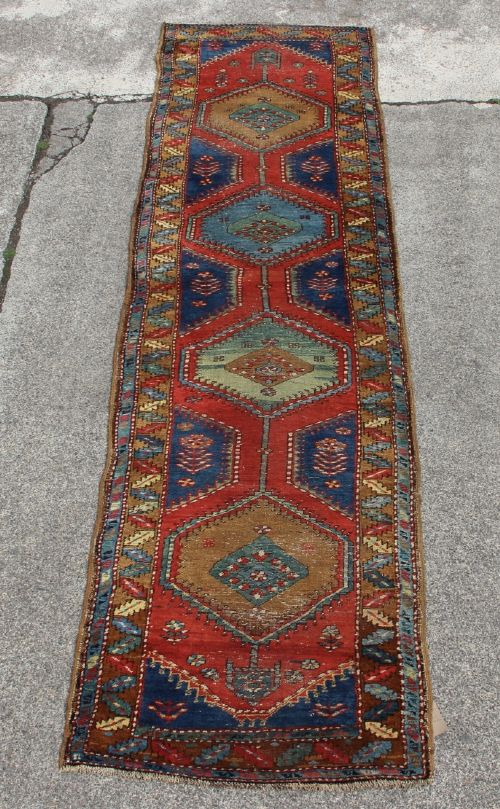
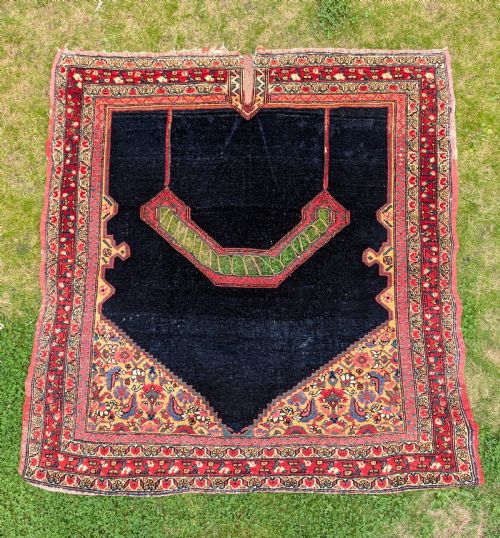
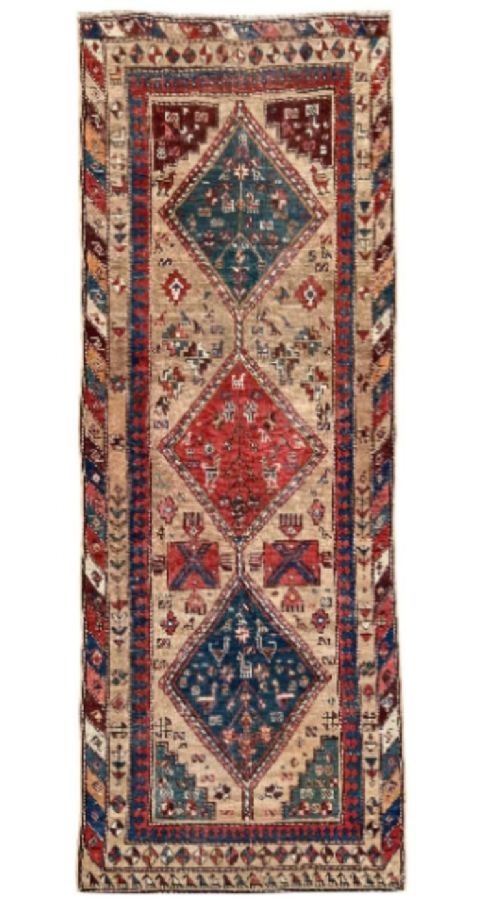
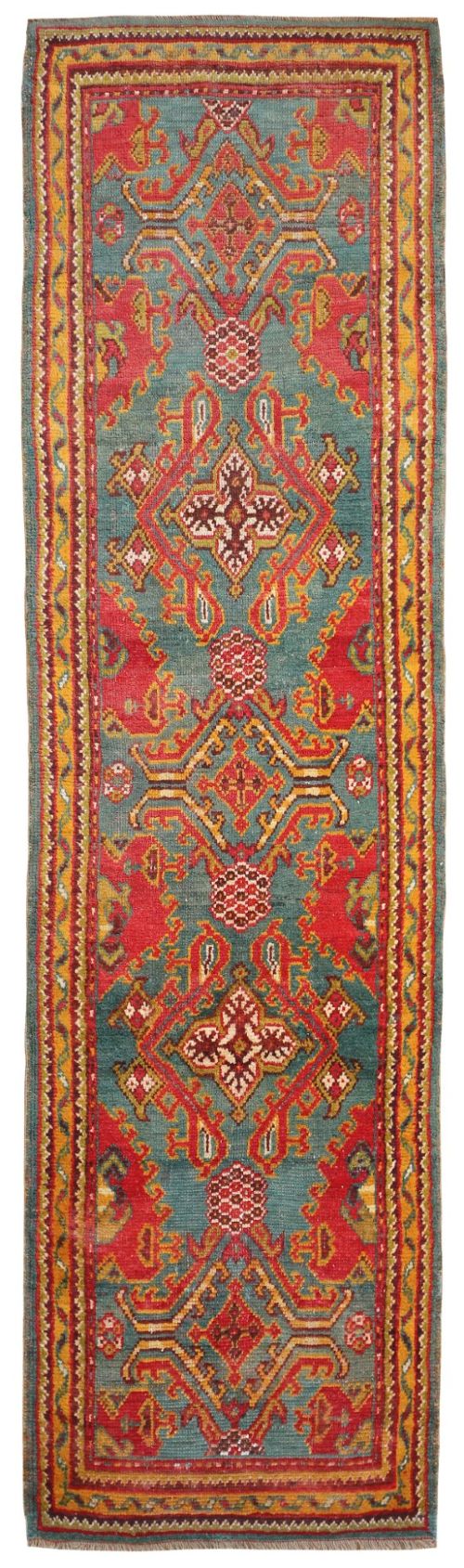
The most common form encountered is the room-sized carpet or smaller area rug, alongside long runners and specific regional formats such as prayer rugs and saddle covers. Stylistic designations include Heriz, Kazak, Bakhtiar, and Ushak, each displaying distinct geometric or floral layouts.
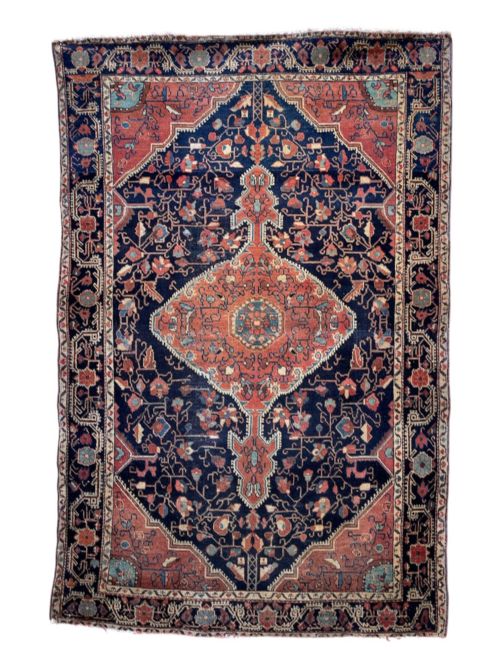
Makers utilise contrasting primary colours to create striking medallions, repeating lattices, and border systems. The juxtaposition of deep red grounds with rich indigo or navy blue defines the visual identity of these woven works.
Materials and construction methods
Weavers construct these textiles using wool, hand-spun wool, cotton foundation threads, and occasional silk highlights. Natural dye sources provide the characteristic red and blue hues that mature gracefully over decades of light exposure.
The technique relies on hand-knotting pile yarn onto warp and weft threads, securing the structure with overcast edges and finished ends. Artisans employ upright looms, tying symmetrical or asymmetrical knots depending on the tribal or workshop tradition of the region.
Red and Blue Carpet Retail Price Guide 2026
Typical asking prices for red and blue carpet among the pieces listed under this phrase on Sellingantiques today, from the lower quarter to the upper quarter. They describe what is for sale here now, not the wider market.
Materials recorded across the archive include hand-spun wool, cotton foundations, and occasional silk highlights.
Evaluating the standard of weaving
Knot density and the precision of the drawing dictate the refinement of a piece, distinguishing village work from workshop productions. Finer knots allow for intricate curves in floral motifs, whereas tribal examples lean towards bold, rectilinear geometry.
The integrity of the foundation and the evenly balanced wear of the pile determine the overall preservation. Consistency in hand-spun wool texture and depth of natural dye saturation elevate the character of the textile.
The Red and Blue Carpet Glossary
- Medallion
- A central ornamental motif dominating the field of the carpet. It anchors the symmetrical design layout.
- Runner
- A long, narrow carpet format designed for corridors, hallways, or stairs. These pieces balance extended lengths with compact widths.
- Prayer rug
- A small rug featuring a mihrab or arch design at one end, traditionally oriented toward Mecca during daily prayers. They often incorporate directional motifs.
- Warp
- The vertical foundation threads stretched parallel on the loom. Weft yarns are inserted across them to lock the knots in place.
Red and Blue Carpet: Frequently Asked Questions
How do I clean an antique carpet?
Professional dusting and gentle surface washing by a specialist conservator preserve the natural wool fibres and dye stability.
Regular light vacuuming without a beater bar prevents dust accumulation within the pile.
Can I place rugs in heavy traffic areas?
Sturdy wool construction and resilient cotton foundations allow these floor coverings to withstand normal household foot traffic.
Using a quality underlay prevents slipping and cushions the weave against hard flooring.
How do I identify a regional design?
Specific border arrangements, knot types, and colour palettes point toward distinct origins such as Heriz, Kazak, or Ushak.
Geometric medallions usually indicate tribal work, while intricate floral curves point to urban workshops.
What causes colour variation in wool?
Natural dye batches absorb into hand-spun wool with subtle tonal shifts known as abrash, adding visual depth.
Years of exposure to ambient light gently soften the primary red and blue shades over time.