
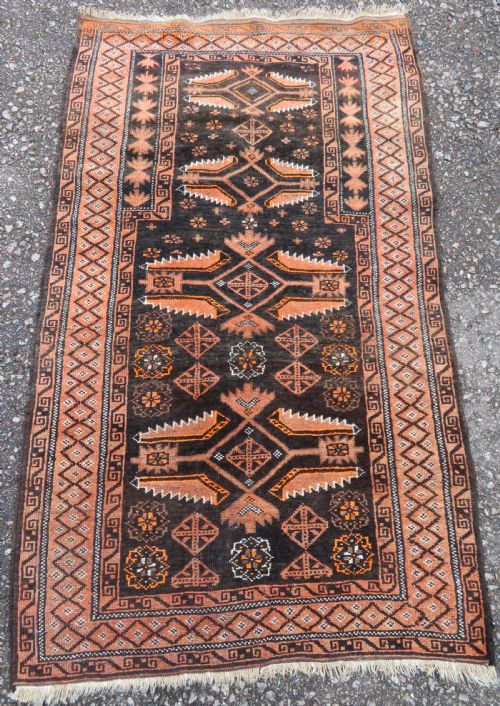
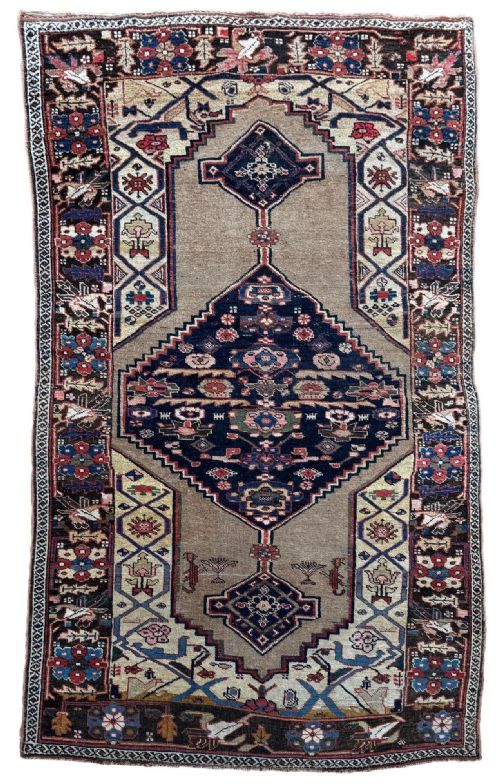
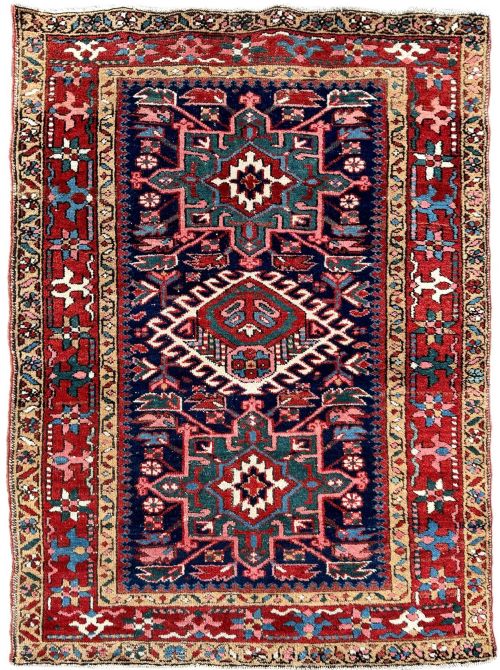
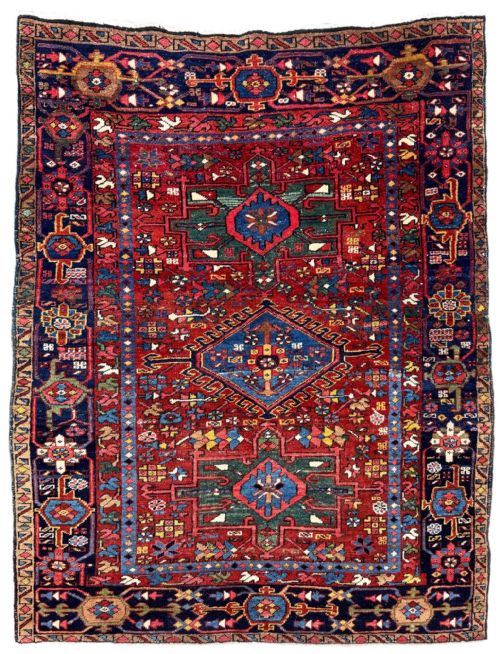
Small Persian Area Carpet
A small persian area carpet brings enduring warmth and tactile depth to compact spaces through time-honoured weaving traditions.
Small Persian Area Carpet
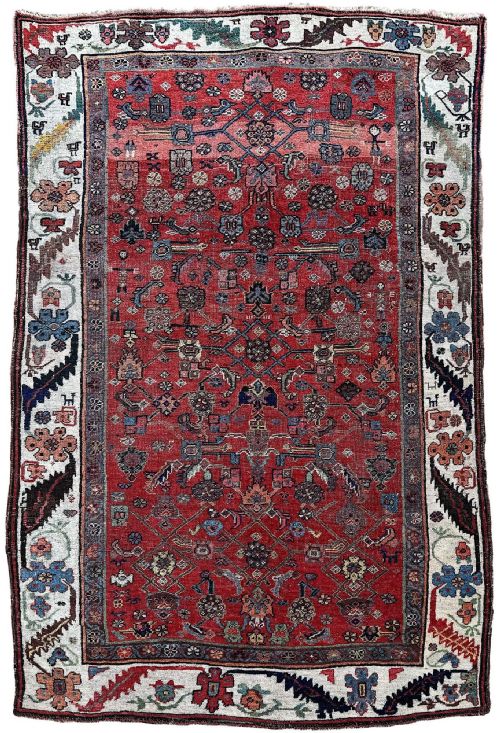
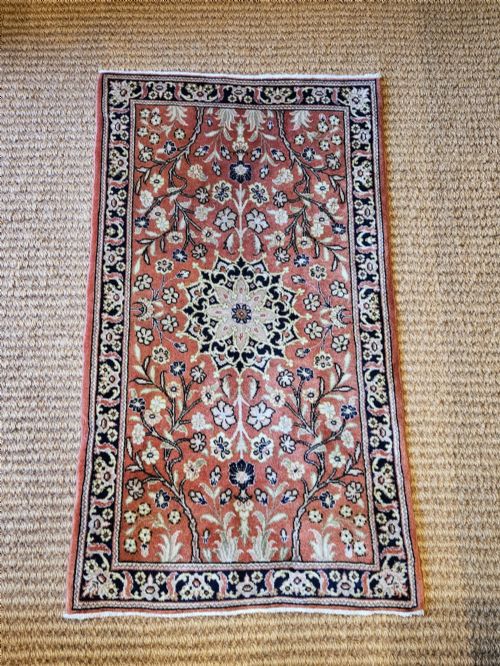
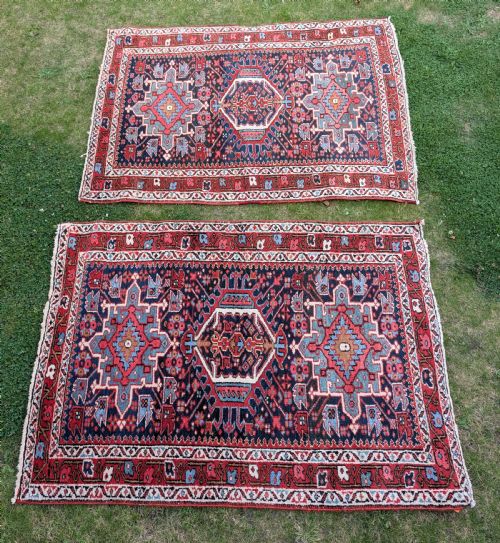
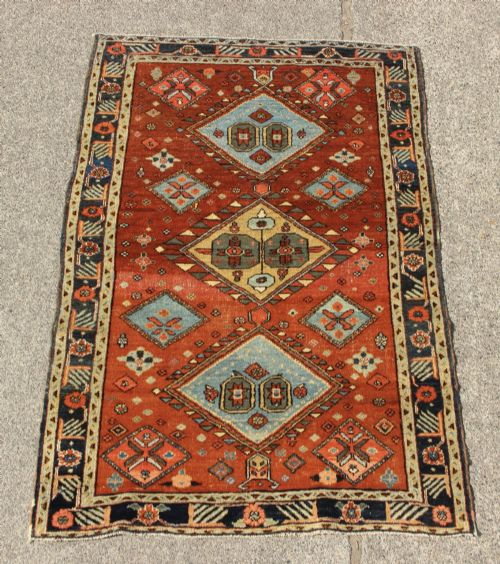
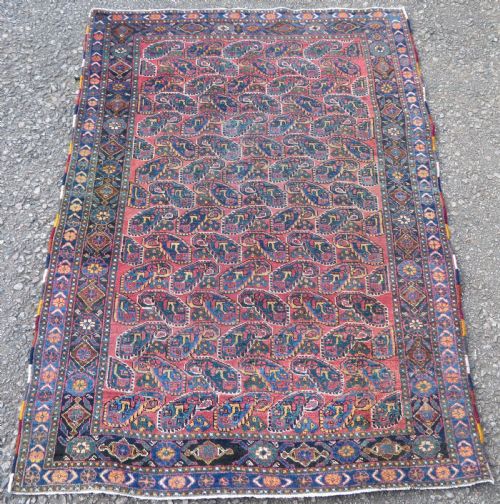
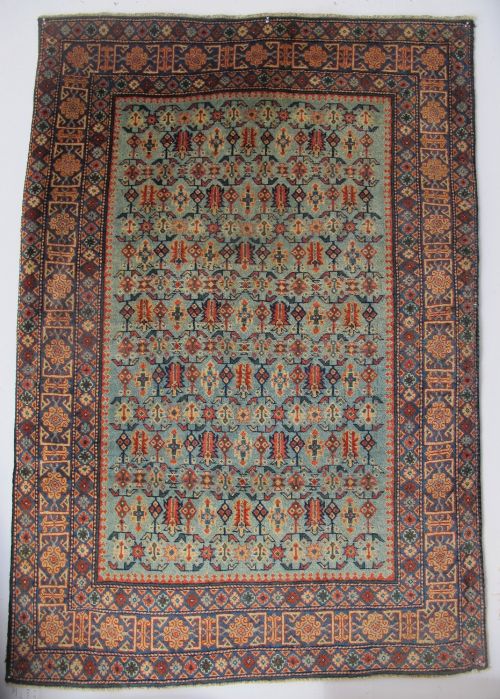
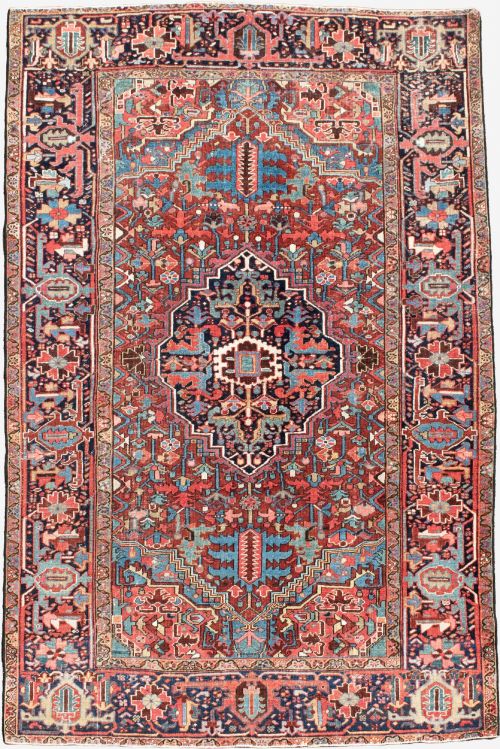
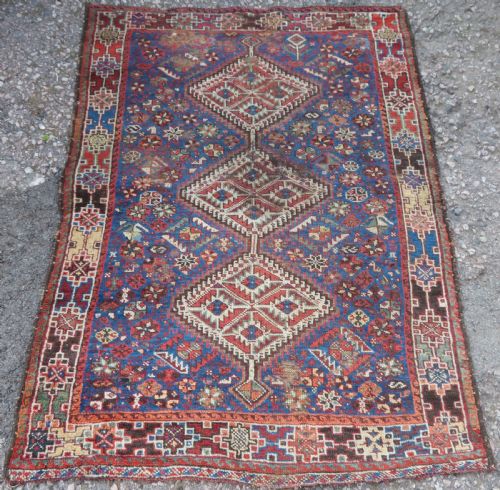
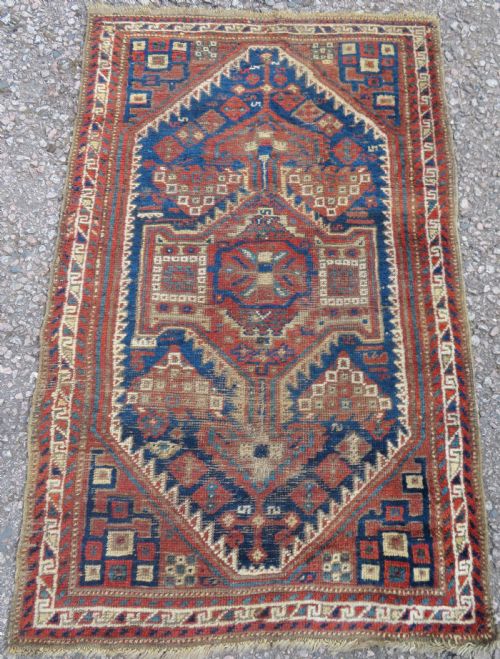
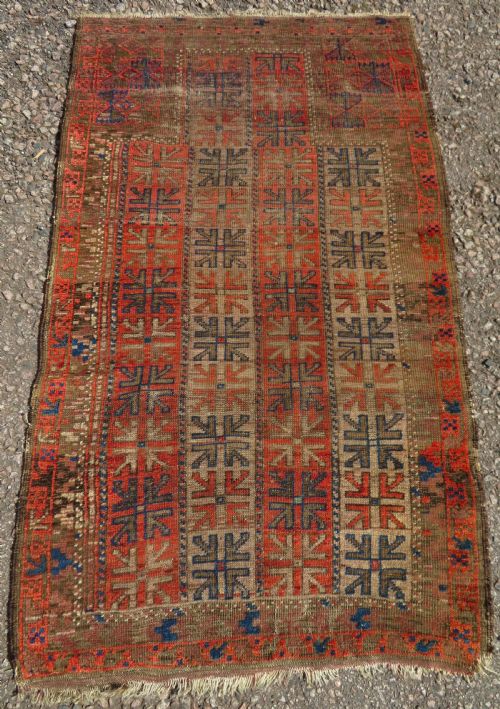
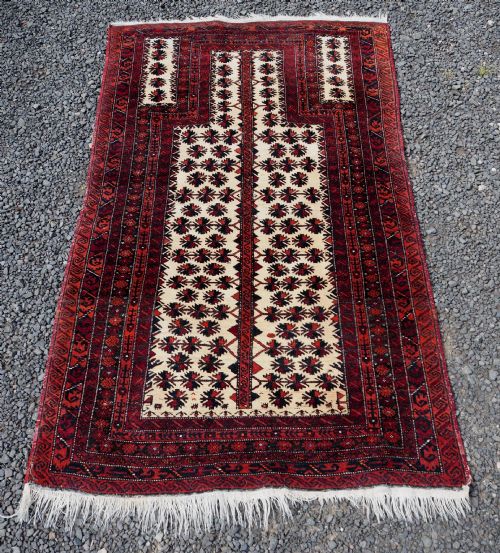
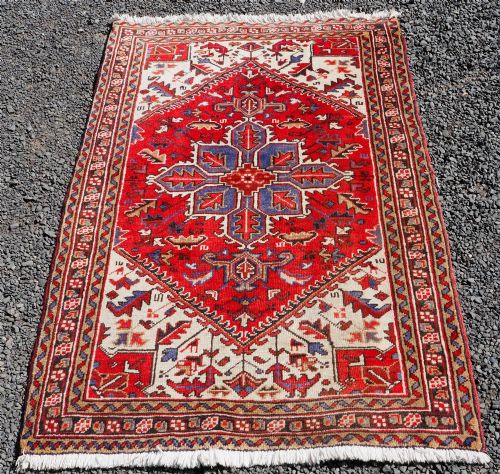
A small persian area carpet encompasses hand-knotted village and tribal floor coverings designed to fit modest dimensions while retaining the intricate iconography of larger regional workshops. These pieces frequently manifest as hearth rugs, prayer mats, and compact village productions originating from specific weaving centres across nineteenth and early twentieth-century Persia.
The selections available here lean heavily toward robust village types such as Heriz, Bidjar, Afshar, and Hamadan. Buyers encounter formats scaled for intimate rooms, hallways, or study floors, representing both urban atelier output and nomadic tribal expressions.
Makers utilised traditional formats ranging from geometric medallion layouts to all-over repeat patterns and pictorial designs. Each format reflects the distinct cultural heritage of the weavers who knotted them using local materials and inherited motifs.
Materials and construction methods
Weavers constructed these carpets using hand-spun wool for the pile, chosen for its lanolin content and resilience under foot. Foundations typically rely on sturdy cotton warps and wefts, though certain tribal pieces incorporate wool foundations that yield a heavier, more supple handle.
Natural dyes provide the foundational palette, utilising root extracts, insect dyes, and plant materials that develop a rich patina over decades of exposure to light and wear. Hand-knotting techniques secure the pile firmly to the foundation structure, ensuring structural integrity across generations of use.
Listings feature pieces from the late nineteenth century through the 1930s, utilising hand-spun wool and cotton foundations dyed with natural materials.
Assessing quality and character
Quality in these woven works rests upon the density of the knotting and the precision with which the design translates onto the wool surface. Finer knots permit greater curvilinear definition in floral sprays and medallion outlines, whereas coarser tribal weaves prioritize structural heft and bold geometric contrast.
The vibrancy and depth of the natural dyework dictate visual success, with superior examples exhibiting abrash - subtle tonal shifts within a single colour field caused by successive dye batches. The integrity of the original wool pile and the preservation of the outer selvedges further differentiate masterwork village rugs from standard utility pieces.
The Small Persian Area Carpet Glossary
- Abrash
- Subtle tonal variations within a single colour field resulting from changes in dye batches or hand-spun wool characteristics. This natural phenomenon adds shimmering depth to the surface of older woven textiles.
- Warp
- The vertical foundation threads stretched lengthwise on the loom before knotting begins. Cotton and wool serve as the primary materials for these structural elements.
- Weft
- The horizontal threads passed back and forth across the warp threads after each row of knots is completed. They bind the structure together and maintain the rug's width.
- Selvedge
- The reinforced side finish of a carpet formed by wrapping the outermost warp threads. This edge prevents fraying and maintains the rectangular geometry of the piece.
- Medallion
- A prominent central ornamental motif placed in the middle of the field. Regional weavers adapted these geometric or floral centrepieces to establish the focal point of the composition.
Small Persian Area Carpet: Frequently Asked Questions
How do I clean an antique rug?
Gentle surface brushing and periodic professional dusting by a specialist in antique textiles preserve the wool pile and natural dyes. Avoid harsh chemical detergents and immersive washing unless handled by an experienced conservator.
Regular rotation prevents uneven wear patterns from heavy foot traffic or sunlight exposure near windows. Simple shaking removes embedded grit that can otherwise cut the foundation fibres over time.
Can I place these rugs on heated floors?
Natural materials such as wool and cotton tolerate moderate ambient warmth quite well without losing their structural stability. Breathable underlays allow adequate air circulation beneath the textile.
Excessive direct heat can dry out the natural lanolin within the wool pile over extended periods. Monitoring the humidity levels around the floor helps maintain the suppleness of the foundation yarns.
How are village rugs distinguished from city rugs?
Village rugs display bolder geometric motifs, heavier wool, and asymmetrical interpretations of classic designs woven on domestic looms. City workshops produced finer, highly symmetrical floral compositions under the direction of master designers.
Village pieces often reveal charming irregularities in line and colour that reflect the weaver's individual expression. City carpets prioritize refined technical precision and densely packed curvilinear details.