




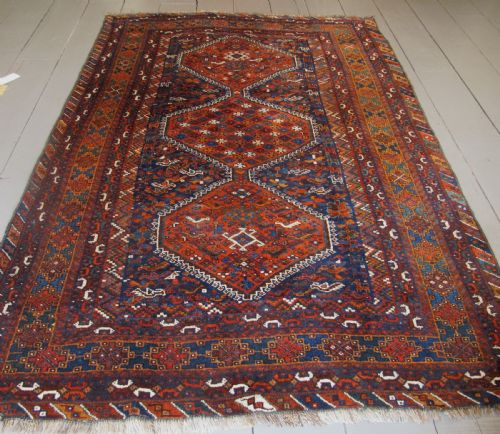


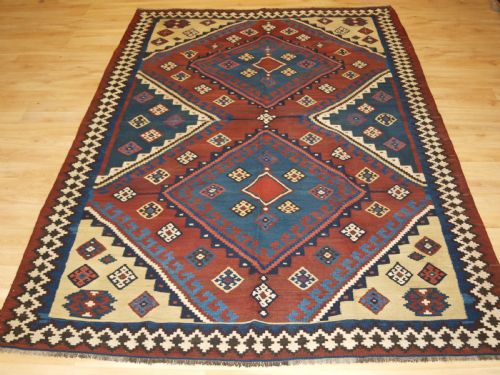

Qashqai Handwoven Wool Carpet
A qashqai handwoven wool carpet brings the rich visual heritage of south-west Persian nomadic weaving directly into a room.
Qashqai Handwoven Wool Carpet
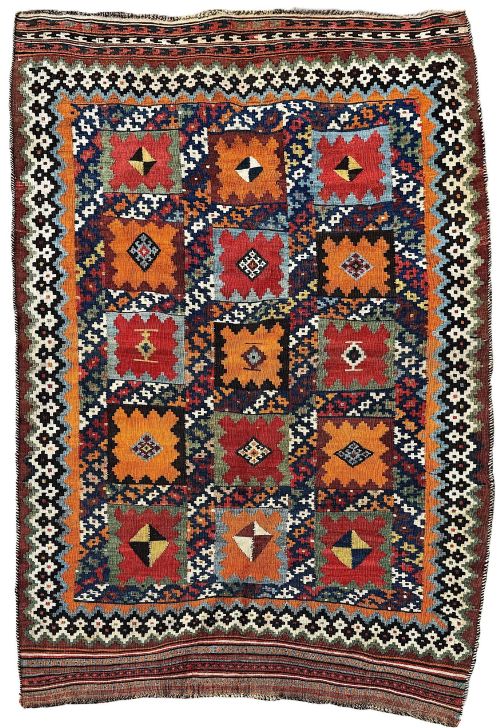
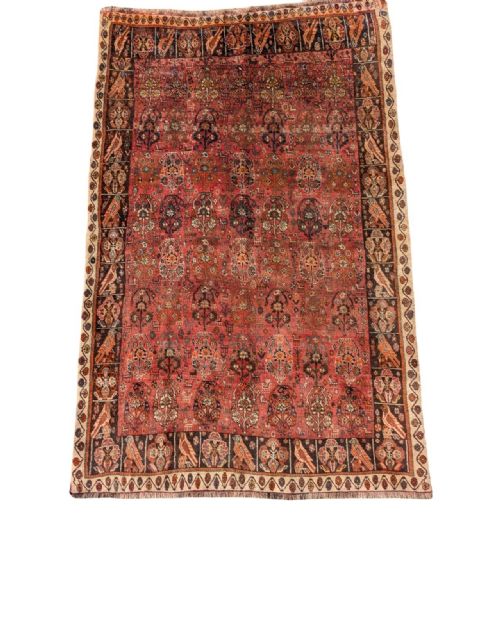
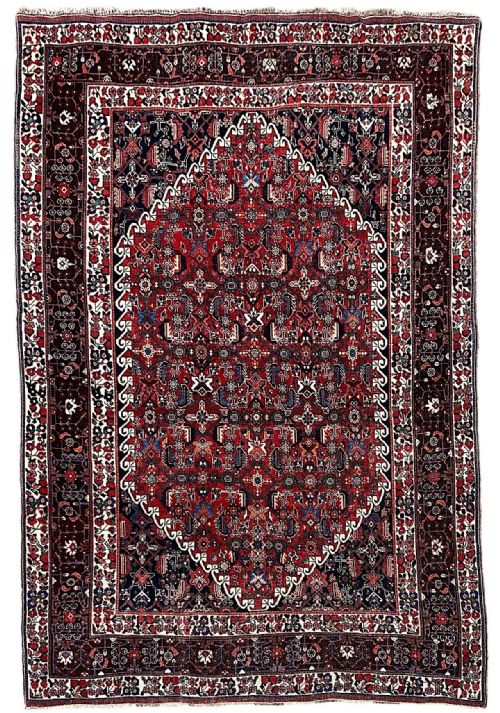
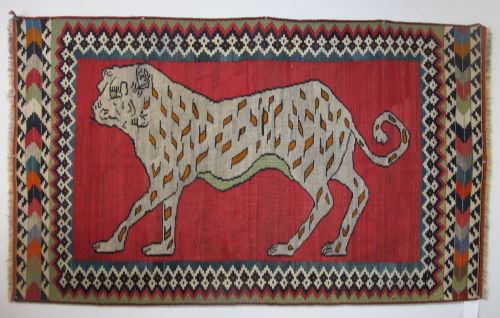
A qashqai handwoven wool carpet represents the tribal weaving traditions of south Persia, encompassing full-piled floor coverings, flatwoven kilims, gabbeh pieces, and saddle bag cushions. These pieces emerge from nomadic and village life, carrying distinct regional identities linked to the Qashqai, Luri, and Khamseh confederations.
Buyers on this page most frequently encounter antique tribal rugs and kilims dating from the nineteenth century through the early decades of the twentieth century. These examples display characteristic tribal motifs such as geometric medallions, tree of life patterns, lion figures, and compartment designs.
The selection ranges from smaller area rugs and runner formats to larger main carpets, offering versatile options for living spaces. Each textile reflects the utilitarian yet artistic output of weavers working within established tribal traditions.
How they were made
These textiles rely on hand-spun wool for the pile and structure, combined with cotton foundations in specific village or tribal productions. Artisans utilise natural dyes to achieve rich, lasting colour palettes that mature gracefully over decades of use.
Weavers employ traditional horizontal or vertical loom techniques, alternating between knotted-pile construction and flatwoven kilim structures. The density of the weave and the preparation of the hand-spun wool dictate the tactile weight and durability of each finished piece.
Qashqai Handwoven Wool Carpet Retail Price Guide 2026
Typical asking prices for qashqai handwoven wool carpet among the pieces listed under this phrase on Sellingantiques today, from the lower quarter to the upper quarter. They describe what is for sale here now, not the wider market.
Look closely for whimsical rogue animals and hidden tribal markers woven straight into the geometric fields by independent nomads.
What varies in quality
Quality rests upon the fineness of the knotting, the precision of the tribal design execution, and the vibrancy derived from natural dyes. Tighter pile density and sophisticated handling of traditional motifs elevate certain pieces above standard village output.
The integrity of the hand-spun wool and the preservation of original selvedges and ends determine the structural longevity of older carpets. Superior examples maintain balanced proportions and depth of colour that reflect expert dye work and disciplined weaving.
The Qashqai Handwoven Wool Carpet Glossary
- Kilim
- A flatwoven carpet or rug produced without a pile by tightly interweaving warp and weft threads. These textiles often feature sharp geometric patterns and lightweight structures.
- Gabbeh
- A coarsely knotted, thick pile rug traditionally woven by nomadic tribes for everyday floor covering. They typically showcase sparse, open fields with abstract animal or human forms.
- Kelleh
- A large format rectangular rug, narrower than a standard carpet, suited for extended hallway or room placements. This format allows for extended repetition of central medallion designs.
- Heratti
- A repeating floral trellis pattern featuring a central rosette enclosed by curved leaves. It remains a foundational motif across Persian and tribal weaving traditions.
- Natural Dyes
- Colourants derived from plant, insect, and mineral sources rather than synthetic chemicals. These materials produce complex, nuanced hues that age with distinct patination.
Qashqai Handwoven Wool Carpet: Frequently Asked Questions
How do I care for an antique tribal rug?
Vacuum gently without using a rotating brush roll to protect the wool pile and delicate foundation threads. Keep the textile out of direct sunlight to preserve the natural dye colours over time.
Rotate the rug periodically to ensure even wear across high-traffic areas in your home. Professional cleaning by specialists in antique oriental textiles is recommended when deep maintenance becomes necessary.
Where were these carpets originally made?
These pieces originate from south-west Persia, particularly the mountainous regions inhabited by nomadic and semi-nomadic tribes. The Qashqai confederation, alongside neighbouring Luri and Khamseh groups, produced these textiles on portable or village looms.
Each weaving reflects the specific geographical environment and cultural symbolism of the tribe that created it. The designs pass down through generations, maintaining distinct regional characteristics.
What is the difference between a kilim and a piled rug?
A kilim is constructed through flatweaving, where the pattern is created by interweaving the coloured weft threads directly through the warps. This results in a flat, durable textile without any raised pile.
A piled rug involves knotting individual strands of wool onto the warp threads and trimming them to form a plush surface. This technique allows for greater detail, depth, and a softer underfoot feel.
How can I tell the age of a tribal carpet?
Age is determined by evaluating the materials, dye types, structural wear patterns, and stylistic execution. Earlier pieces from the nineteenth century frequently exhibit finer hand-spun wool and a softer colour palette resulting from extended natural ageing.
Structural details such as wool quality, selvedge construction, and the complexity of the tribal motifs provide further clues. Comparing these elements against documented historical examples helps narrow down the period of manufacture.