


Wool Tekke Textile
A wool tekke textile brings the disciplined geometry of Central Asian nomadic weaving directly into your interior.
Wool Tekke Textile
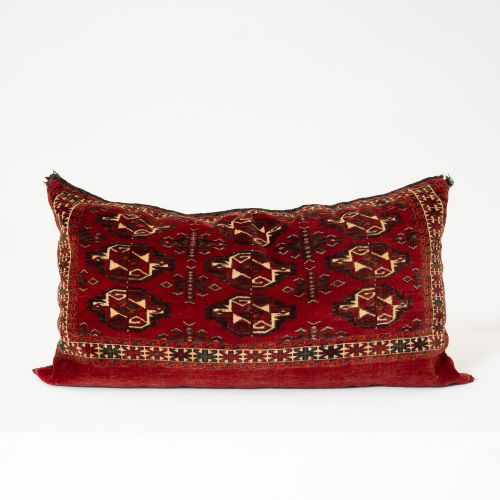
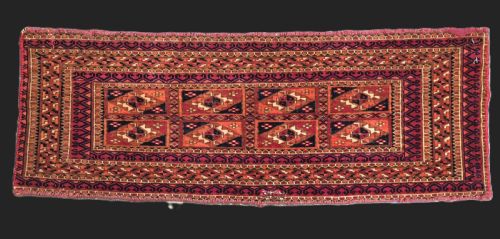
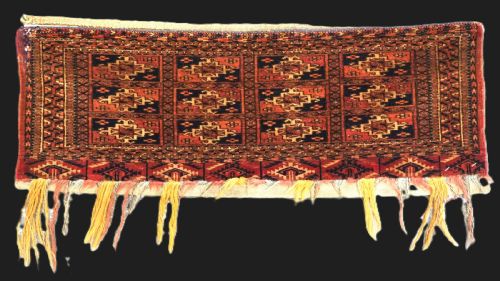
A wool tekke textile encompasses tribal weavings created by Turkmen nomads, primarily featuring bags, tent bands, and wall hangings from the nineteenth and early twentieth centuries. These objects include utilitarian items such as chuval storage bags, torba bag faces, and mafrash fragments produced across the Merv Oasis and surrounding regions.
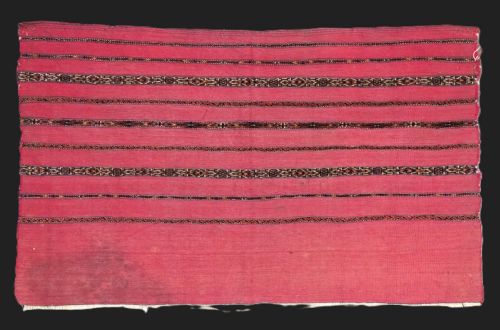
Buyers encountering this category will frequently locate chuval faces displaying repeating gull motifs, alongside complete torba bags retaining their plain weave wool backs. Pieces range from compressed fragment formats to intact pairs, demonstrating traditional tribal layouts associated with Turkmen and Saryk makers.
The aesthetic centres on disciplined repeating patterns, most notably the characteristic gul medallion, alongside specialised formats like the engsi door hanging or long tent bands. These textiles served vital practical roles within the nomadic yurt before transitioning into decorative collectibles.
Materials and construction methods
Construction relies heavily on hand-spun wool foundations paired with supplementary cotton and linen elements, manipulated through dense knotting techniques. Artisans utilised natural dyes to achieve deep red grounds and contrasting ivory highlights across the pile.
Weavers executed intricate geometric layouts with exceptional density, producing fine pile surfaces that endure across surviving bag faces and tent bands. The integration of plain weave wool backs on complete torba and chuval examples demonstrates traditional nomadic utility.
Some surviving tent bands measure a staggering fifty feet long, proving nomads possessed serious interior design ambitions for their round felt homes.
Evaluating quality and execution
Quality depends directly upon the knot density and the precision of the drawing within the primary gul motifs. Finer weaves exhibit sharper definition in complex secondary ornaments and balanced colour saturation across the wool ground.
The preservation of structural elements, such as original plain weave backs, hanging loops, and complete elem borders, distinguishes superior examples from fragments or heavily restored pieces.
The Wool Tekke Textile Glossary
- Chuval
- A large nomadic storage bag used inside a yurt for bedding and household goods. These items typically feature multiple rows of guls.
- Torba
- A smaller storage bag utilised for hanging on tent walls or pack animals. They frequently display centralized medallions and bottom borders.
- Gul
- The primary repeating octagonal medallion found across Turkmen carpets and tribal weavings. Each tribe traditionally utilised distinct gul variations.
- Engsi
- A specialised tribal wall hanging or tent door rug featuring a quartered design. These textiles were placed at the entrance of the yurt.
- Mafrash
- A rectangular storage container or compartment piece used for transporting goods during nomadic migrations. Fragments of these woven structures survive in collections.
Wool Tekke Textile: Frequently Asked Questions
What is a wool tekke textile?
A wool tekke textile is a hand-knotted nomadic weaving originating from Turkmen tribes in Central Asia. These items include functional storage bags, tent bands, and wall hangings.
Created primarily during the nineteenth and early twentieth centuries, they utilise natural dyes and dense wool pile to form precise geometric patterns.
How were these bags used originally?
Nomadic families utilised these woven pieces inside traditional yurt structures for organising clothing, blankets, and personal possessions. Storage bags hung along the interior lattice walls or served as pack containers during seasonal migrations.
Specialised formats like the engsi acted as threshold coverings, while long tent bands secured the structural framework of the dwelling.
How do I identify different tribal designs?
Tribal attribution relies heavily on the specific shape and arrangement of the repeating gul medallions, such as the characteristic turreted Salor or Aina motifs. Colour palettes, particularly the deep red kizil grounds and ivory accents, also point toward specific regional workshops.
Examining the structure, knot count, and border layouts helps separate Tekke work from neighbouring Saryk or nomadic traditions.
How should I care for an antique textile?
Display these wool weavings away from direct sunlight to protect natural dye colours from fading over time. Gentle vacuuming with a mesh screen covering protects the fragile pile and structure from damage.
Avoid hanging heavy pieces by isolated points; instead, support the full weight evenly across a proper mounting sleeve or backing support.