





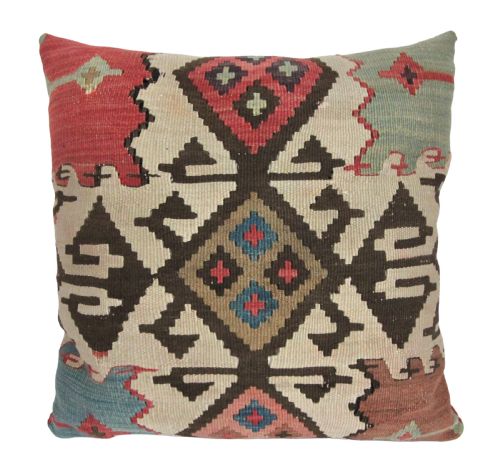


Wool Scatter Cushion
A wool scatter cushion brings woven texture and history to a room, using fragments of antique kilims and tapestries.
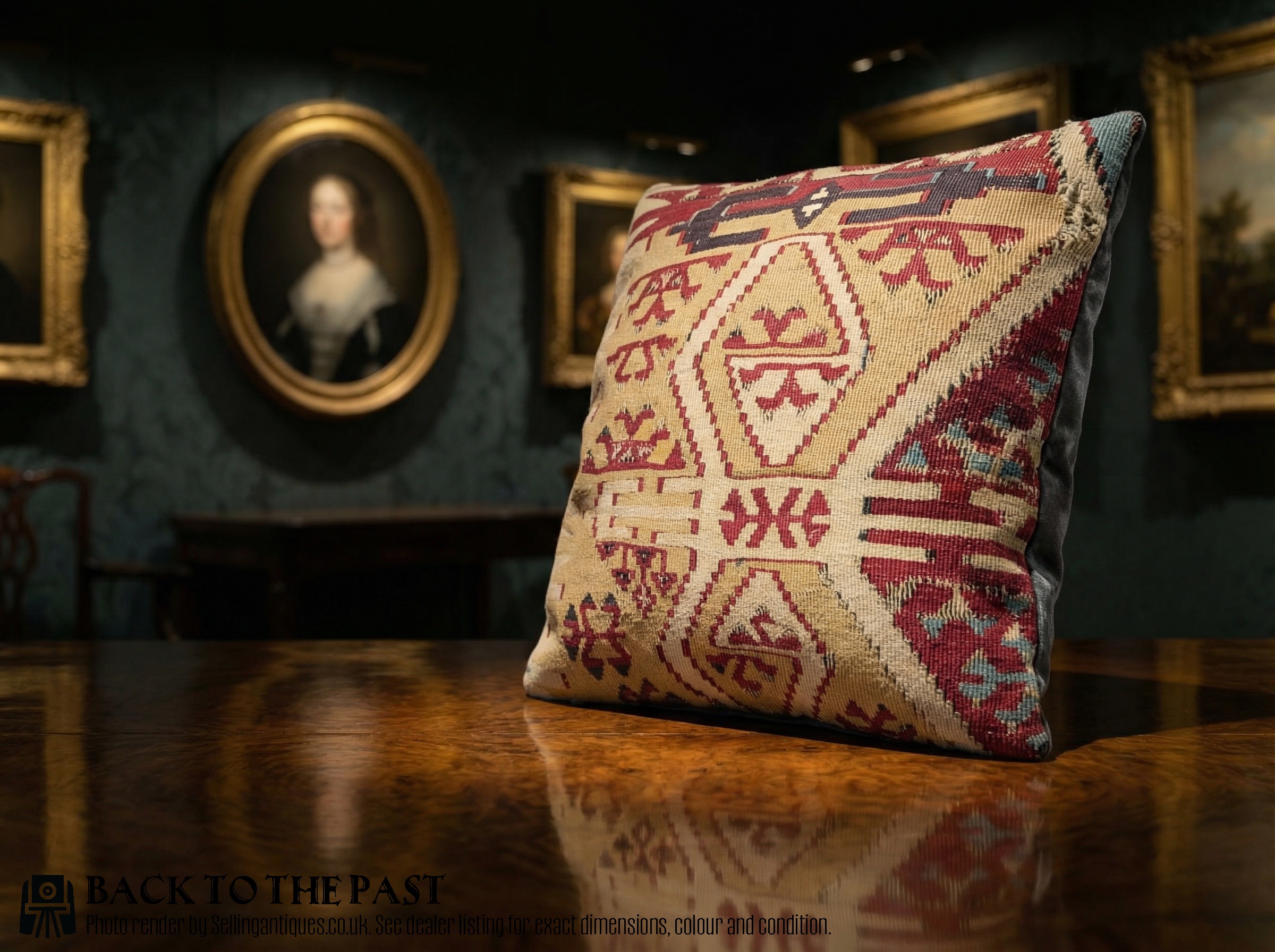
Wool Scatter Cushion
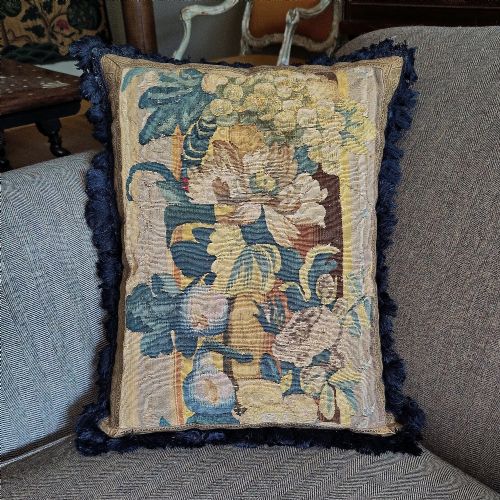
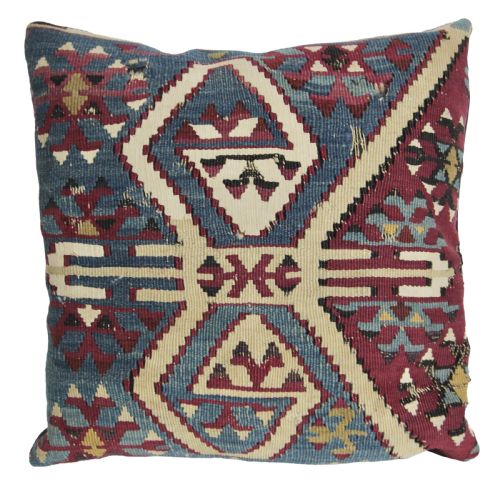
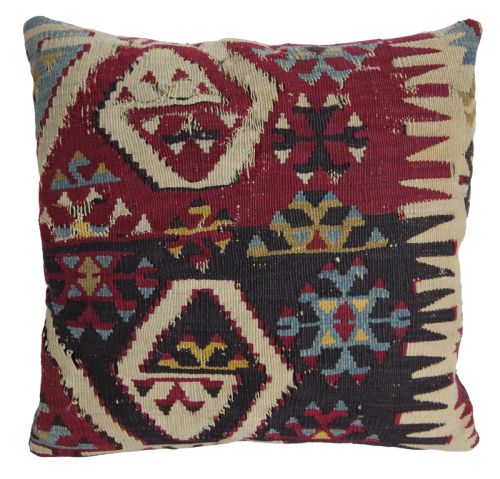
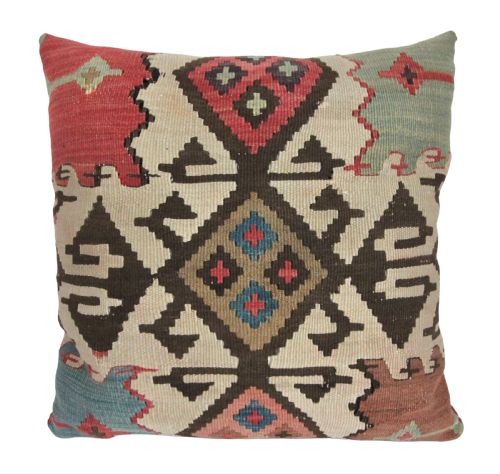
When you search for a wool scatter cushion, you encounter pieces fashioned from antique textiles rather than newly manufactured soft furnishings. The selection here leans heavily towards kilim cushions, alongside Aubusson and tapestry border fragments dating from the seventeenth century through to the early twentieth century.
Forms span standard throw cushions and larger tribal bag faces, often utilising durable wool backed with cotton or linen. These items repurpose older woven items, transforming traditional rugs and tapestries into decorative cushions suitable for contemporary interiors.
Materials and construction
The primary material is wool, frequently combined with cotton, silk, linen, and passementerie detailing. Artisans construct these cushions by taking hand-woven textiles such as tribal bag faces, Baluch rugs, and French tapestry borders and repurposing them into soft furnishings.
Construction relies on retaining the integrity of the original weave, whether flat-woven tribal patterns or detailed floral French designs. The resulting cushions preserve the historic textile face while employing traditional backing materials for everyday use.
Some cushions started life as nomadic saddle bags before finding a second career guarding sofas.
Factors of quality
Quality rests primarily upon the preservation and density of the original wool weave. Pieces derived from seventeenth-century Flemish tapestry borders or fine Aubusson fragments exhibit a different tier of craftsmanship compared to standard tribal bag faces.
The fineness of the hand-weaving and the complexity of the traditional design distinguish the finer examples. Materials such as integrated silk highlights or skilled passementerie work elevate a cushion beyond basic utility.
The Wool Scatter Cushion Glossary
- Kilim
- A flat-woven carpet or rug made in countries such as Turkey and Iran. These are frequently cut and sewn into durable scatter cushions.
- Aubusson
- A style of tapestry traditionally woven in the French town of Aubusson. They typically feature floral or architectural motifs suited for decorative cushions.
- Bag face
- The front panel of a nomadic storage bag, hand-woven in wool. Collectors prize these for their dense tribal patterns and rich colours.
- Passementerie
- Edging ornaments such as gimps, fringes, and corded trims. These are often used to finish the borders of high-end decorative cushions.
Wool Scatter Cushion: Frequently Asked Questions
Are these cushions made from old rugs?
The listings show that many pieces are constructed from repurposed textiles, including antique kilims, Baluch rugs, and tribal bag faces.
Craftsmen take these historic woven items and transform them into functional scatter cushions while preserving the original wool surface.
How do I care for a wool cushion?
Wool and tapestry textiles require gentle treatment to maintain their structure and historic fibres. Professional cleaning is generally recommended to protect the delicate weave and any accompanying silk or passementerie details.
Regular light vacuuming on a low suction setting helps remove surface dust without disturbing the hand-woven structure.
What periods do these cushions come from?
The inventory spans several centuries, ranging from seventeenth-century Flemish tapestry borders to pieces from the mid-nineteenth and early twentieth centuries.
Styles reflect traditional Anatolian, Persian, and French Rococo aesthetics depending on the origin of the textile fragment.
What materials are used in the backing?
While the face of the cushion consists of wool or mixed woven textiles, the backing materials typically include cotton and linen. These sturdy backing fabrics provide stability and support for the antique decorative front.
Some pieces also incorporate passementerie along the edges to complete the construction.