


Wool Prayer Rug
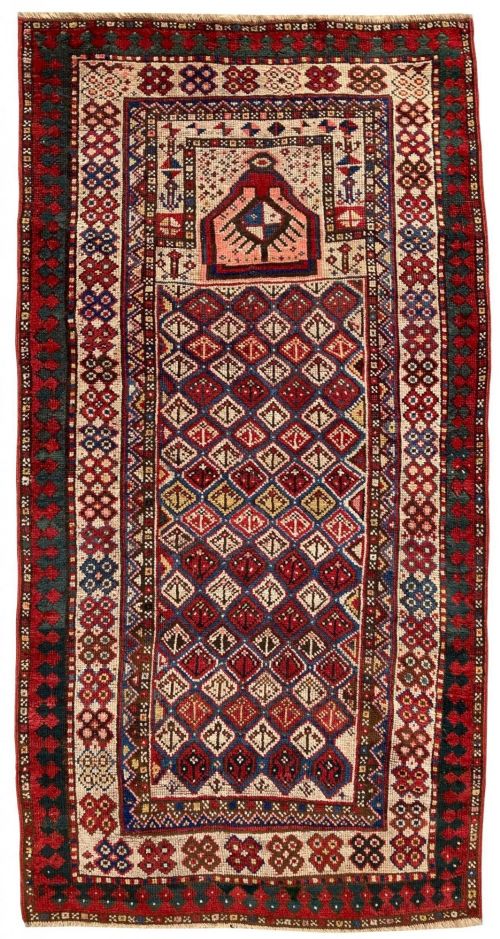
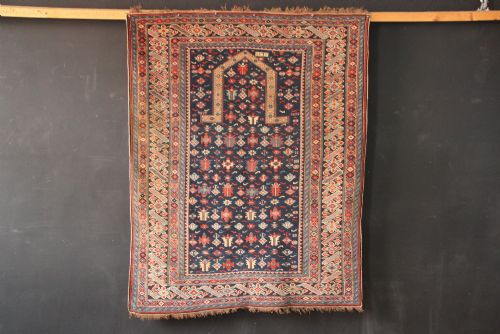
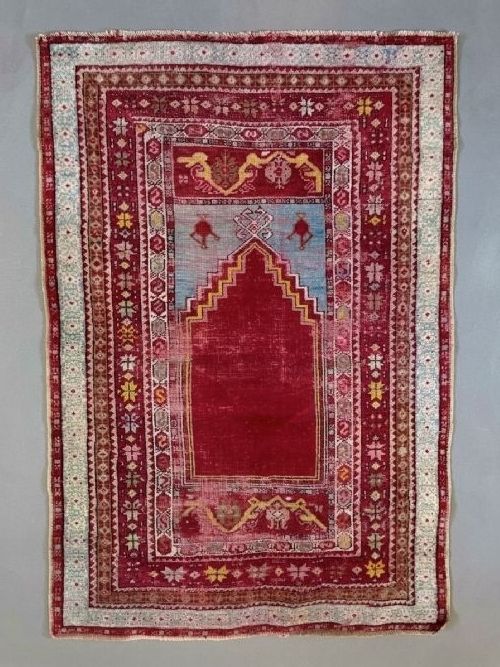
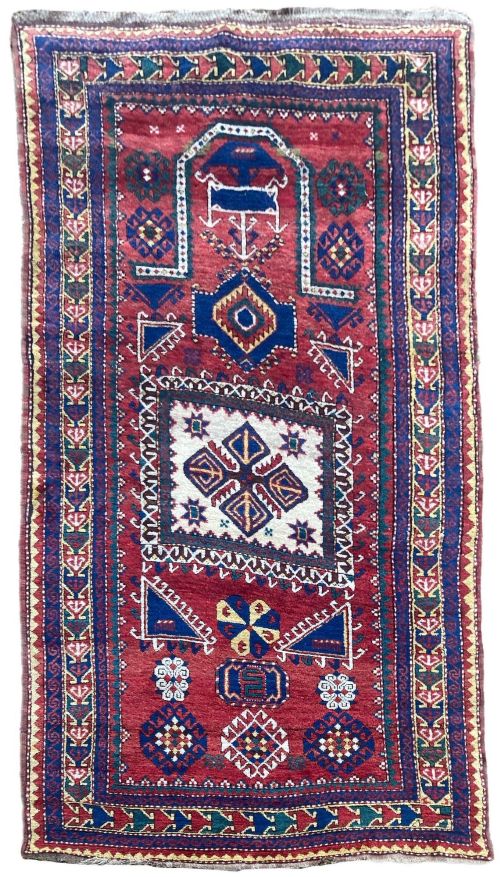
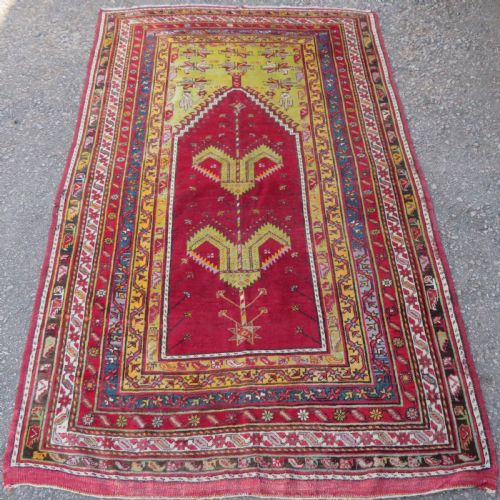
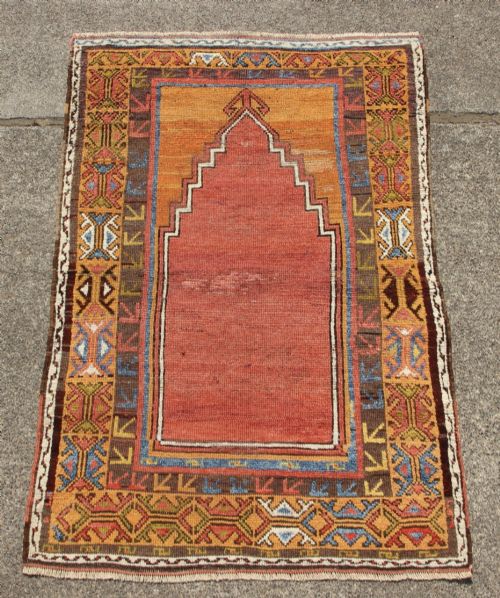
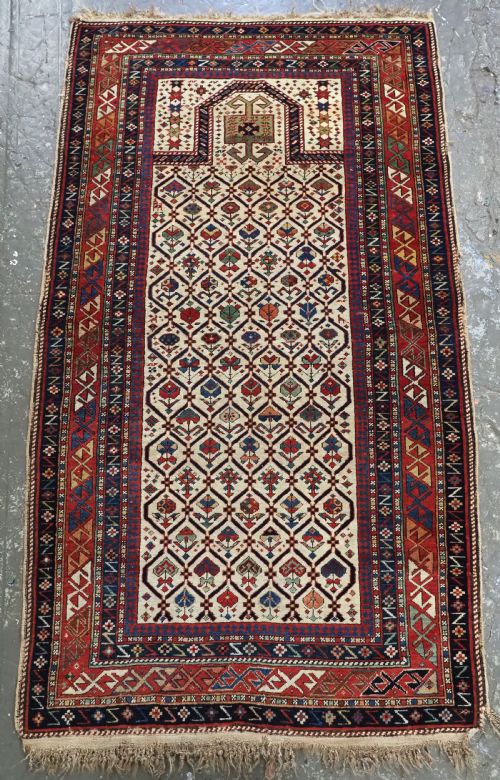
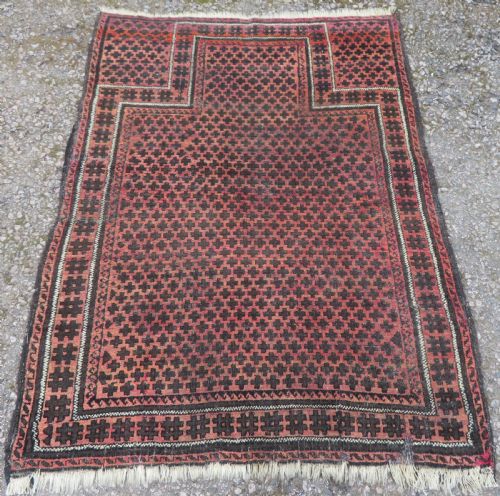
A wool prayer rug is a portable textile defined by a mihrab arch, created across Anatolia, the Caucasus, and Persia for personal devotion.
Wool Prayer Rug
When you search for a wool prayer rug, you encounter woven textiles created by tribal and village weavers across Anatolia, the Caucasus, and Persia from the eighteenth century into the twentieth century. These pieces follow specific regional formats, notably featuring a mihrab or arch design intended to direct the worshipper during prayer.
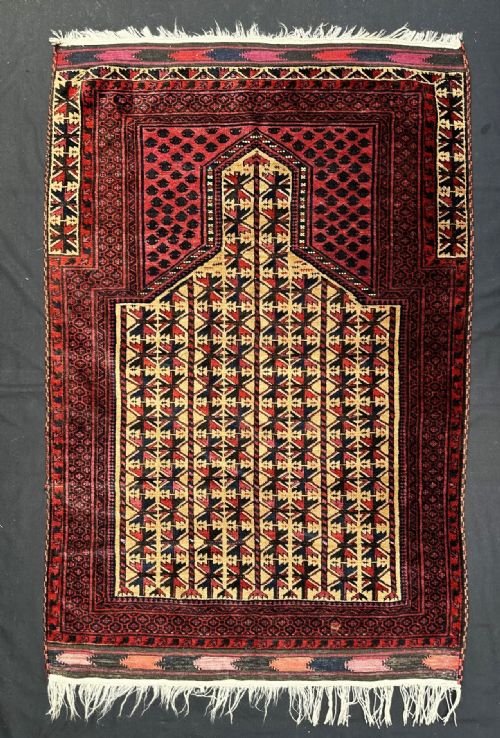
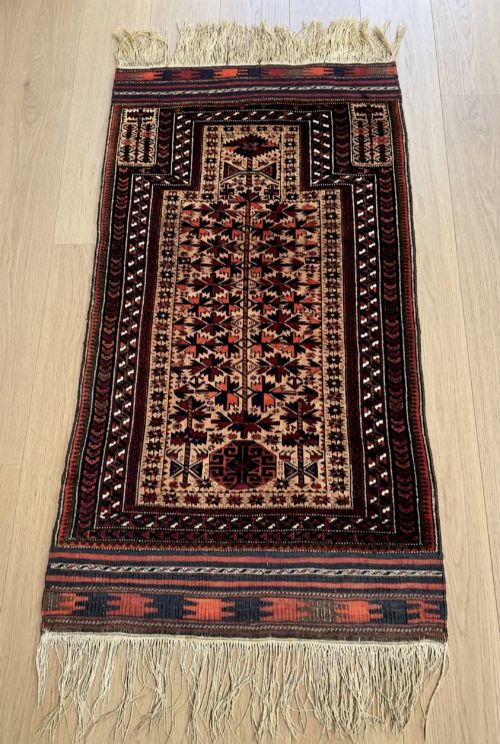
The most common examples on this page hail from nineteenth and early twentieth-century workshops and nomadic groups, including Baluch, Afghan, Caucasian, and Turkish traditions. They appear in formats ranging from small village mats to longer formats with kilim ends.
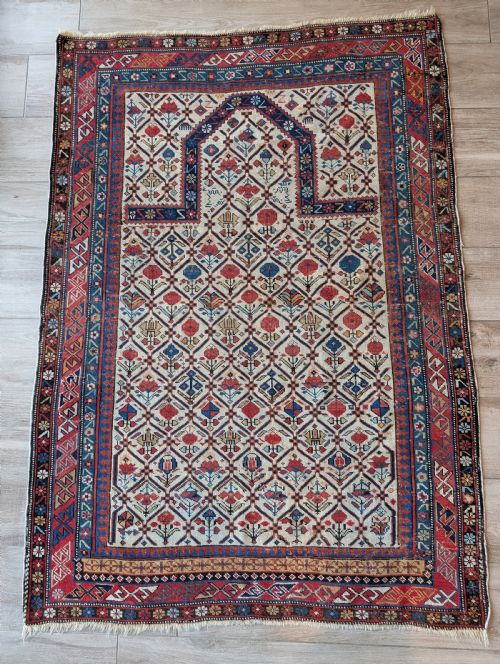
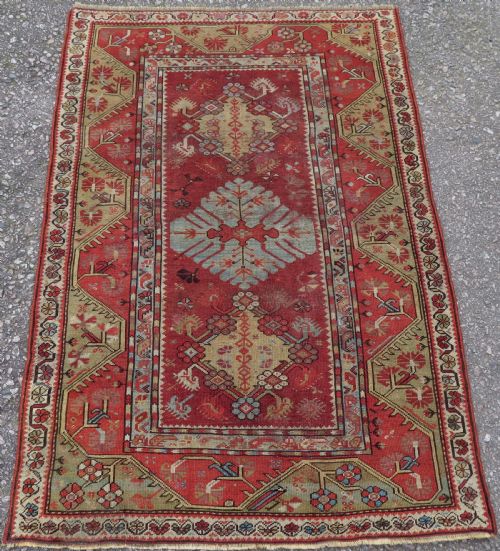
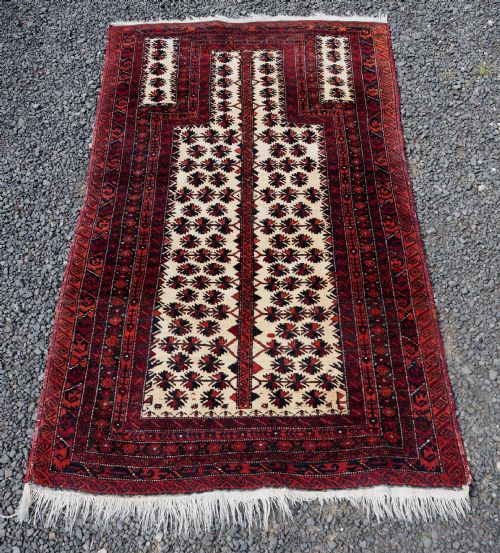
Regional variations dictate the motifs, such as the double mihrab of Afghan Baluch pieces, the floral lattice of Dagestan rugs, or the distinct prayer arches of Kirsehir and Konya. Each weaving centre employs its own characteristic palette and structural rhythm.
How They Were Made
Weavers constructed these textiles primarily using hand-spun wool, occasionally incorporating camel wool, goat hair, or cotton foundations for structural stability. Some examples include natural dyes that yield deep, enduring shades across the field and borders.
Nomadic and village groups utilised upright or horizontal looms, tying symmetrical or asymmetrical knots depending on regional custom. Certain Baluch and Timuri pieces integrate mixed techniques or alternative fibre highlights alongside the primary wool pile.
Wool Prayer Rug Retail Price Guide 2026
Typical asking prices for wool prayer rug among the pieces listed under this phrase on Sellingantiques today, from the lower quarter to the upper quarter. They describe what is for sale here now, not the wider market.
Several nomadic weavers tucked tiny talismanic motifs into the borders to ward off mischief during long winter nights.
What Varies in Quality
Knot density and structural integrity separate robust village weaves from finer workshop productions, influencing how crisply the geometric or floral motifs resolve. The handling of the wool itself dictates the tactile character, with softer hand-spun fleeces offering greater resilience.
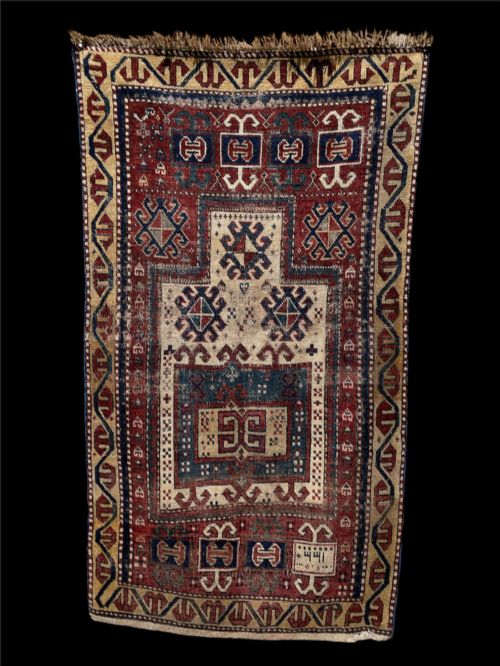
The sophistication of the palette and the retention of natural dye variations distinguish superior examples. Purity of regional design execution, from the geometry of a Kazak mihrab to the balance of a floral lattice, determines artistic merit.
The Wool Prayer Rug Glossary
- Mihrab
- The arched niche found on prayer rugs, designed to indicate the direction of prayer. It forms the central architectural motif of the textile.
- Kazak
- A style of Caucasian rug known for bold geometric designs and saturated primary colours. These pieces originate from specific weaving groups in the Caucasus region.
- Kilim end
- The flat-woven extension at the top or bottom of a pile rug, often finished with colourful warp threads. It provides structural reinforcement to the ends of the textile.
- Natural dye
- Colouring derived from plant, insect, or mineral sources rather than synthetic compounds. These dyes age with subtle tonal variations across the wool pile.
- Double mihrab
- A prayer rug design featuring an arch at both ends of the central field. This symmetrical layout appears frequently in certain tribal traditions.
Wool Prayer Rug: Frequently Asked Questions
What is a mihrab?
The mihrab is the distinctive arch design woven into the field of the textile to represent a prayer niche. It guides the eye toward the upper portion of the rug.
In most pieces, this arch defines the orientation of the entire composition, setting apart devotional rugs from standard floor coverings.
How do I identify a Baluch rug?
Baluch rugs typically display deep, saturated tones, geometric field patterns, and dark camel wool or goat hair elements. They originate from nomadic and semi-nomadic groups across the borderlands of Persia and Afghanistan.
Many examples feature characteristic kilim ends and compact dimensions suited to portable use.
Where were Caucasian prayer rugs made?
Caucasian prayer rugs were woven in the mountainous region between the Black Sea and the Caspian Sea, encompassing areas such as Dagestan, Gendje, and Karabagh. Weavers in these locations utilised striking geometric structures and crisp palettes.
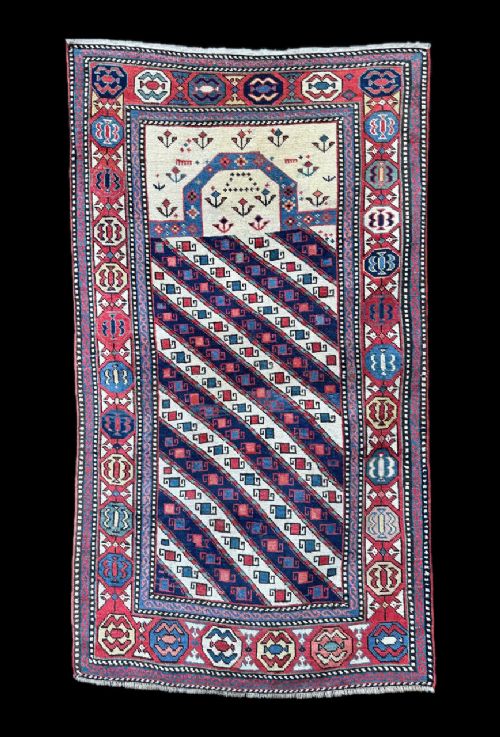
These pieces often display bold latch-hooks, stars, and structured lattice designs peculiar to Caucasian traditions.
Are these rugs suitable for daily use?
These wool textiles possess durable natural fibres that withstand normal foot traffic when placed in low-impact areas. Placing them on quality underlays protects the vintage foundation from excessive wear.
Rotating the rug periodically ensures even exposure and preserves the integrity of the hand-spun pile.