

Wool Needlework Tapestry
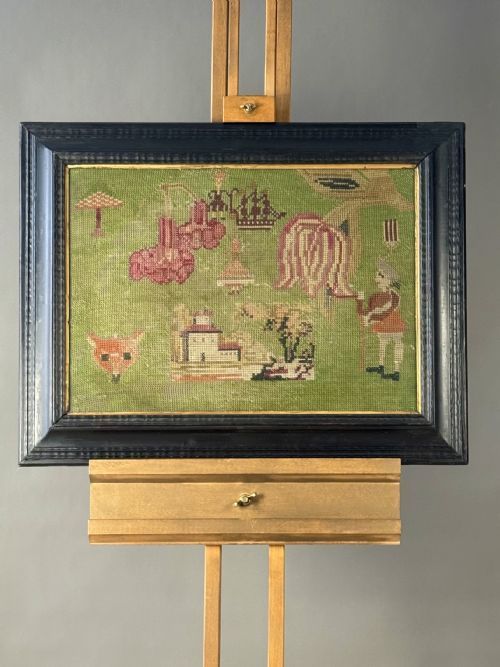
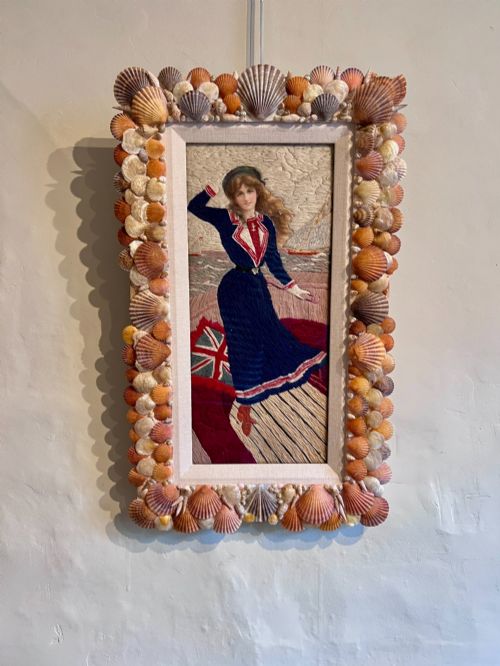
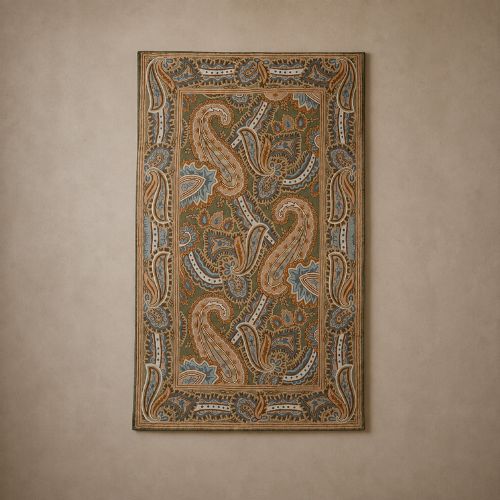
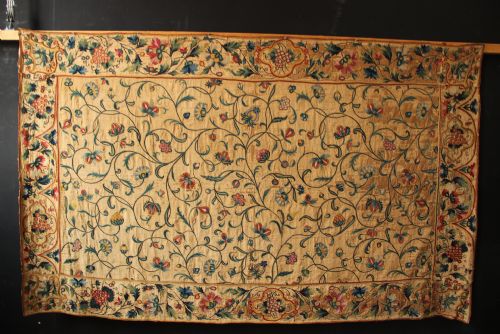
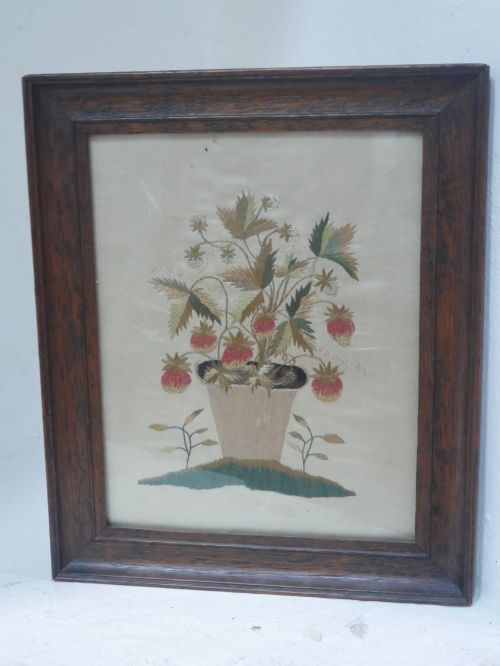
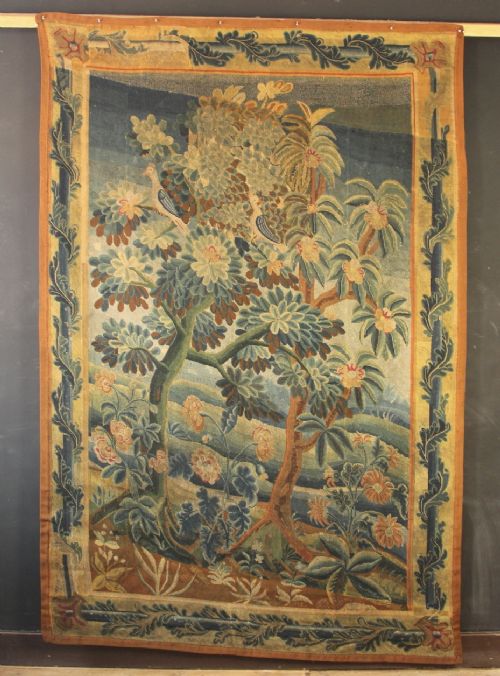
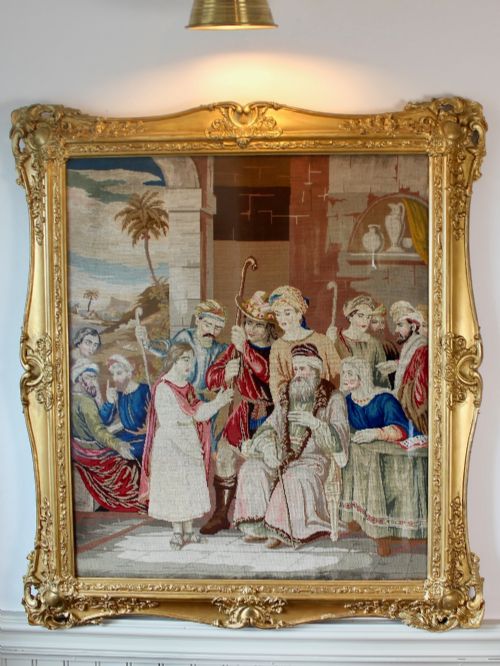
Wool needlework tapestry brings textile art and framed wall art from the seventeenth to the twentieth century into a room.
Wool Needlework Tapestry
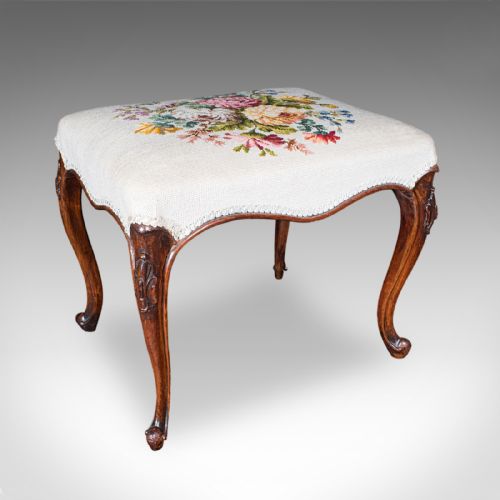
Wool needlework tapestry covers framed wall art, wall hangings, cushion covers, rugs and footstools produced across the seventeenth, eighteenth, nineteenth and early twentieth centuries.
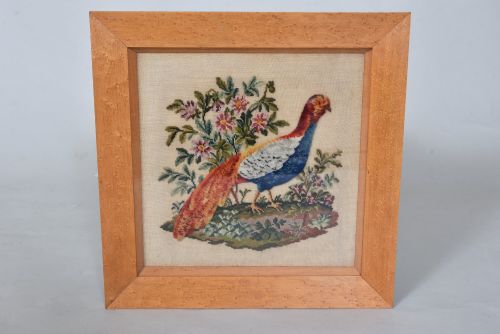
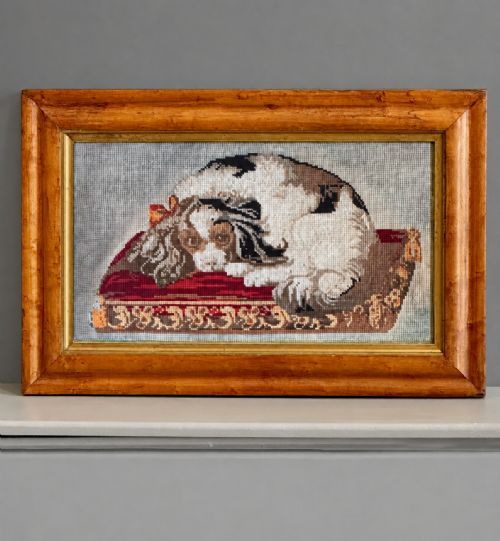
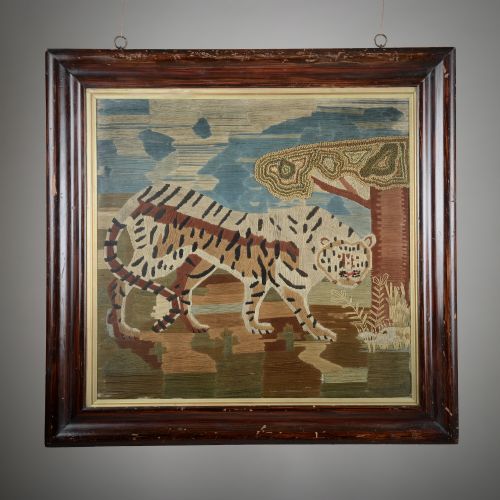
Victorian pieces, including Berlin woolwork, plushwork and sailors' woolies depicting animals, portraits and figures, appear frequently alongside eighteenth-century pictures and panels.
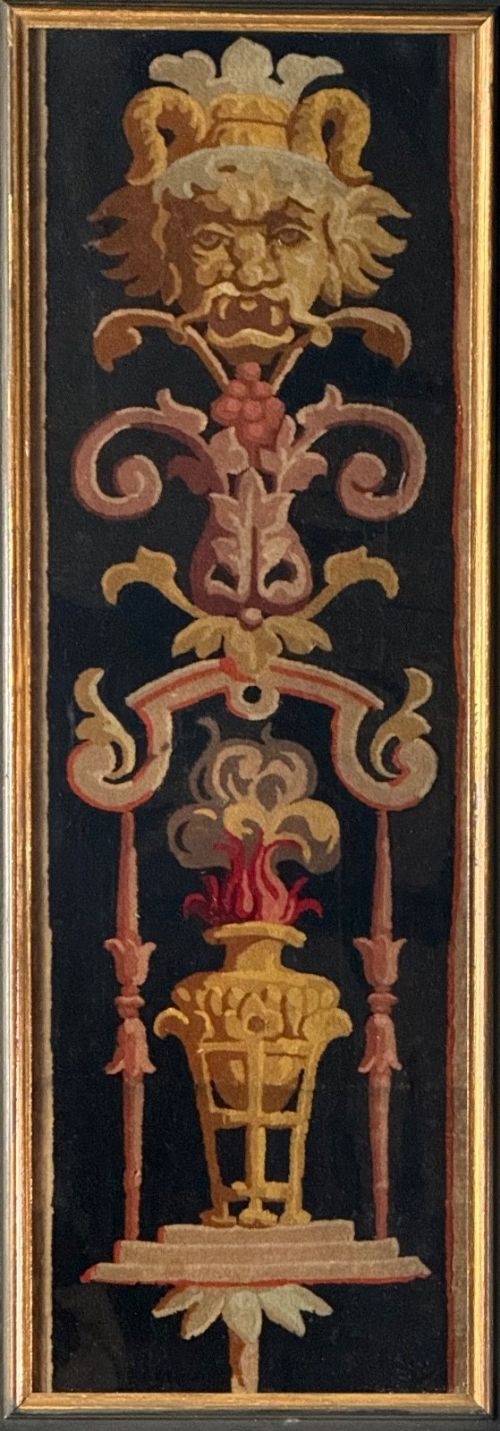
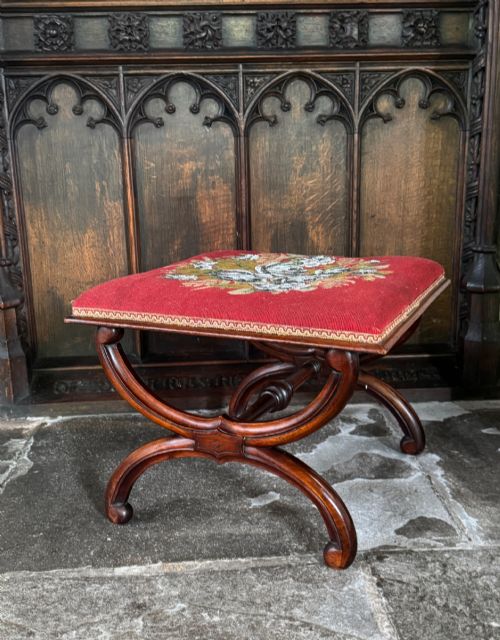
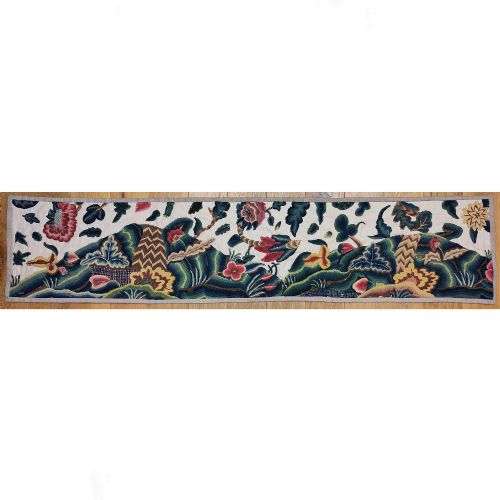
Early examples range from seventeenth-century continental classical embroidered panels and crewelwork to nineteenth-century X-frame stools and needlepoint carpets.
Materials and construction
Makers worked wool, silk and linen threads onto canvas, backing or wooden frames using techniques such as gros-point, petit-point, plushwork, crewelwork and Berlin work.
Finished textiles found mounting in original burr maple, giltwood, rosewood or carved oak frames, or utility on walnut furniture frames and firescreens.
Among the creatures stitched into these historic textiles are King Charles spaniels, a plushwork pheasant, a tiger and Little Red Riding Hood.
Gradations of quality
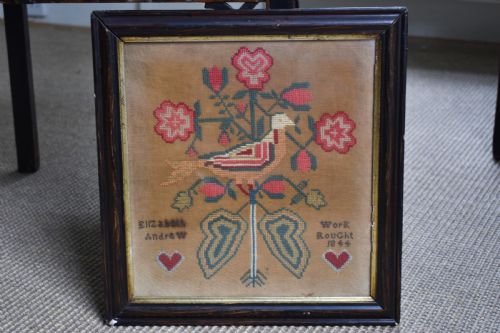
Execution ranges from fine, detailed pictorial depiction, such as classical portraits or complex animal scenes, to simpler folk art expression.
Original framing and mounting, particularly period verre églomisé glass or burr maple frames, distinguish finer survivals from later alterations.
The Wool Needlework Tapestry Glossary
- Berlin work
- A style of needlepoint popular in the nineteenth century using charted designs painted on squared paper. It allowed makers to stitch intricate multi-coloured pictures using wool.
- Crewelwork
- Embroidery executed in wool yarn on linen or cotton twill fabric. This technique often produces large floral and scrolling wall hangings or panels.
- Gros-point
- A coarse needlepoint stitch worked on canvas. It provides a durable texture suitable for carpets and upholstery.
- Petit-point
- A fine needlepoint stitch worked over a single thread of canvas. It permits high detail and realistic shading in pictorial panels.
- Plushwork
- A nineteenth-century needlework technique involving cut loops of wool. This creates a raised, velvety surface texture.
- Verre églomisé
- A process of applying gold or silver leaf to glass alongside reverse painting. It creates decorative borders on picture frames.
Wool Needlework Tapestry: Frequently Asked Questions
How do I hang a textile panel safely?
Heavy panels and wall hangings require even weight distribution across a baton or sleeve rather than single point suspension. This prevents distortion of the canvas and wool over time.
Keep textiles away from direct sunlight and damp environments to protect the natural fibres from fading and deterioration.
What is a sailor woolie?
A sailor woolie is a nineteenth-century embroidered picture created by sailors at sea. They typically depict British warships under full sail using coloured wool yarns.
Maker skill varied, resulting in both naive folk art interpretations and detailed depictions of naval vessels.
How are seventeenth-century panels different from Victorian ones?
Seventeenth-century pieces often feature crewelwork embroidery, classical masks or grotesques on linen foundations. Their palettes tend to be muted and motifs reflect baroque or Jacobean styles.
Victorian items frequently utilise bright Berlin woolwork charts or plushwork to render domestic animals, human figures and narrative scenes.
Can I use an antique needlepoint carpet on the floor?
Needlepoint carpets from the nineteenth century function best in low-traffic areas or as display rugs. Wool pile and canvas foundations experience wear under heavy footfall.
Using a breathable underlay helps cushion the textile and reduces friction against hard flooring.