



Wool Floor Area Rug
A wool floor area rug brings tactile warmth and deep history into a room through hand-knotted patterns rooted in tribal and village traditions.
Wool Floor Area Rug
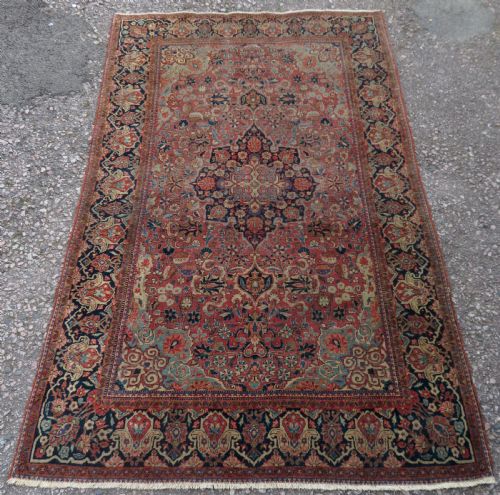
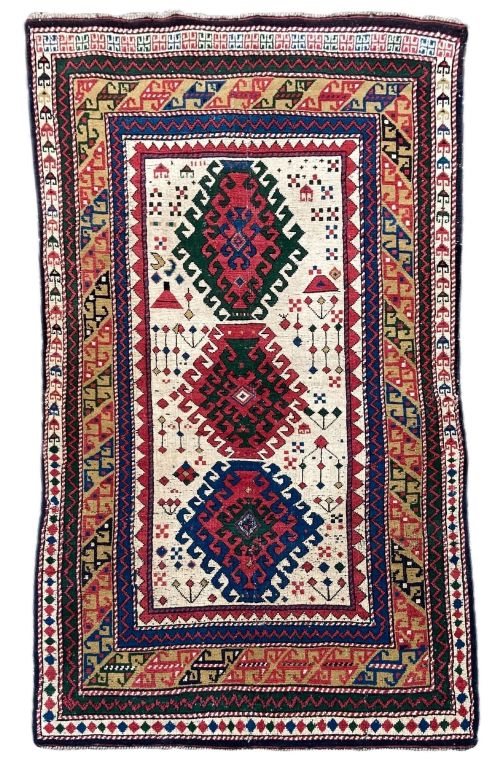
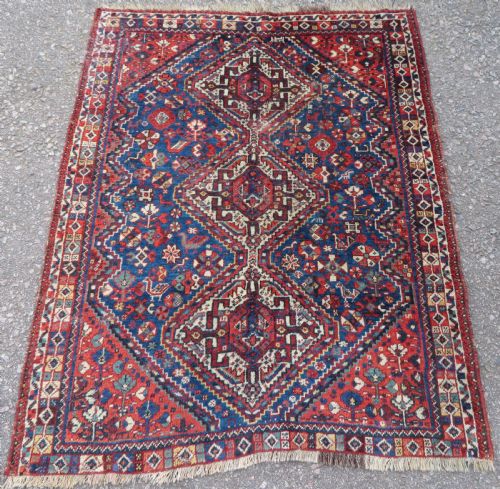
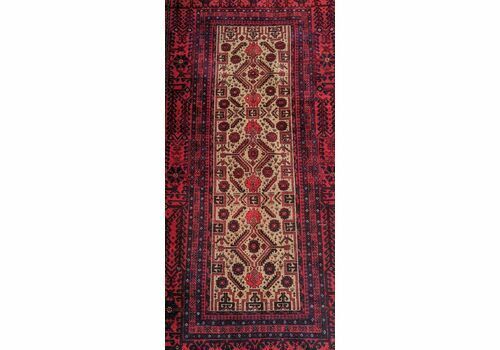
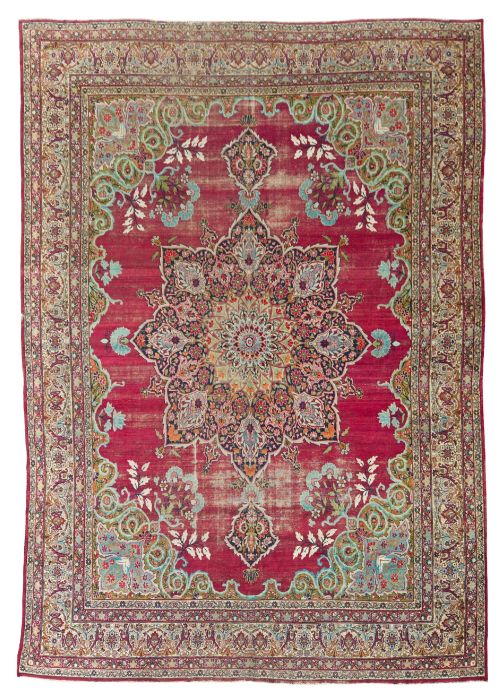
A wool floor area rug encompasses hand-knotted carpets and mats originating primarily from Persia, the Caucasus, Central Asia, and Tibet. The pieces found here span from the mid-nineteenth century through to the interwar vintage period.
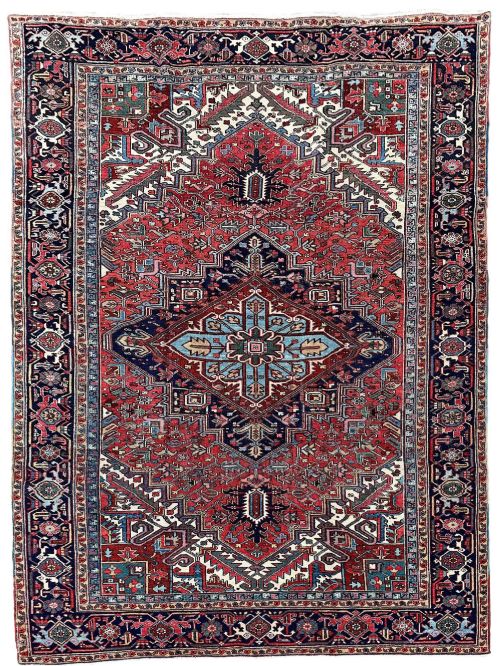
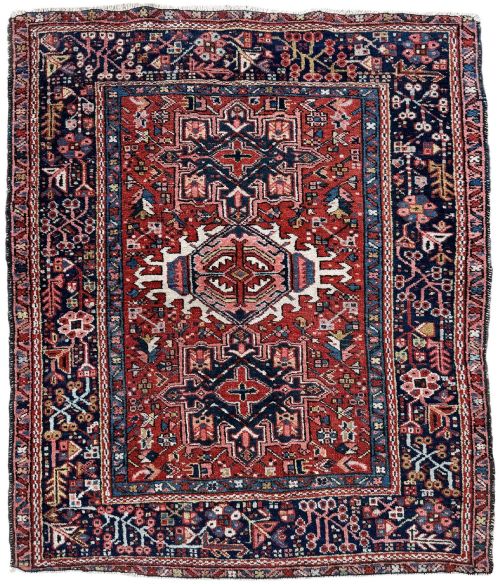
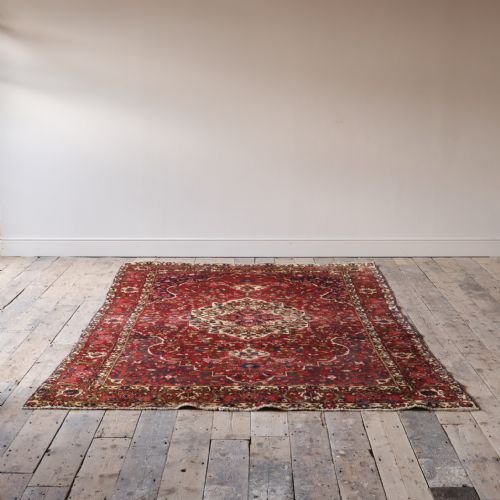
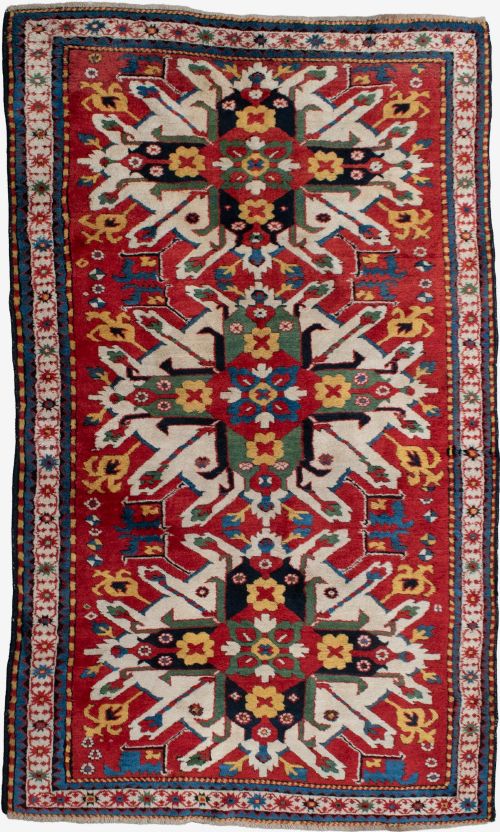
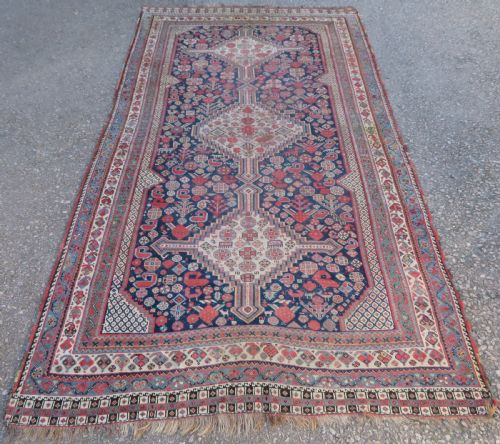
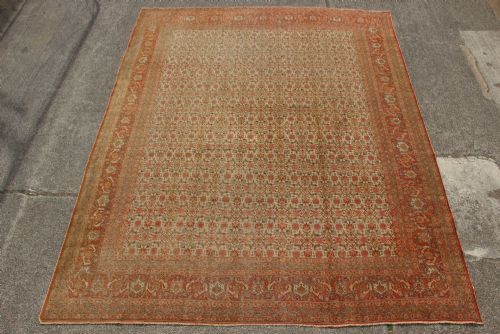
Most examples encountered on this page belong to traditional regional types such as Heriz, Bakhtiar, Afshar, and Turkmen. These range from intimate hearth-sized formats up to massive country house carpets.
Village and tribal workshops produced the majority of these woven floor coverings, creating distinct geometric and floral layouts. Each piece reflects the specific cultural lexicon of the weavers who knotted it.
Materials and construction
Natural wool serves as the primary pile material, prized for its resilience and ability to absorb rich colour from organic dyestuffs. Cotton and sometimes silk appear as foundations or supplementary highlights within the weave.
Weavers utilised natural dyes to achieve deep reds, indigos, and earthy tones that age gracefully over decades. Hand-knotting techniques varied by region, resulting in differing pile densities and structural flexibilities across the available carpets.
Listings feature wool, cotton, and silk materials across Persian, Caucasian, and Turkmen tribal styles.
Assessing quality
The sophistication of the design and the precision of the knotting differentiate standard village weaving from exceptional master pieces. Finer wool selection and complex pictorial or geometric balance elevate the status of a carpet.
The integrity of the original borders and the depth of the natural dye palette contribute significantly to the visual impact. Patina acquired through decades of careful use adds character to superior historical examples.
The Wool Floor Area Rug Glossary
- Pile
- The upright yarn loops that form the functional surface of the carpet. This dense layer of wool absorbs foot traffic and showcases the woven pattern.
- Natural Dyes
- Colourants derived from plants, insects, and minerals rather than synthetic chemicals. They produce subtle tonal variations known as abrage.
- Gul
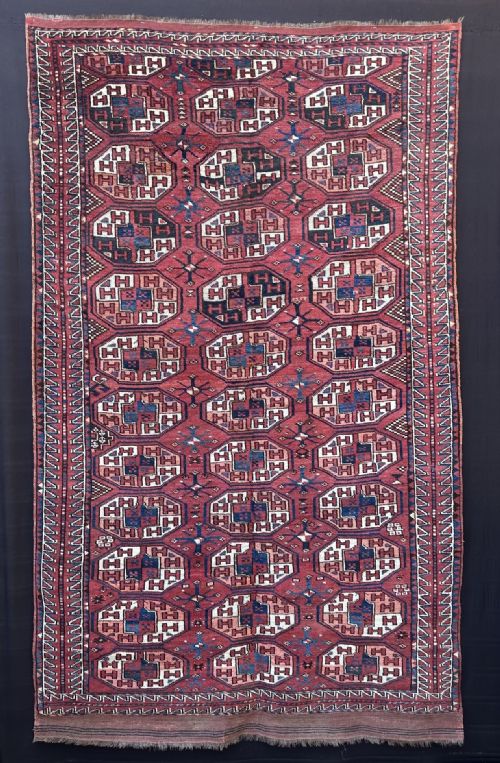
- A medallion-like primary motif frequently found in Turkmen and Baluch tribal carpets. These octagonal designs often denote specific tribal lineages.
- Foundation
- The underlying structure of warp and weft threads that supports the knotted wool pile. Cotton and wool are typical foundation materials in these regions.
- Prayer Rug
- A specialised format featuring a mihrab or arch design indicating the direction of prayer. These portable rugs served devotional functions in domestic spaces.
Wool Floor Area Rug: Frequently Asked Questions
How do I clean a antique wool rug?
Vacuum gently without a rotating brush bar to remove surface dirt without pulling the wool fibres. Professional specialist cleaning remains essential for deep maintenance to protect natural dyes.
Avoid immersion washing at home, as incorrect drying can distort the cotton foundation and damage historical wool. Address spills immediately by blotting rather than rubbing the affected area.
Can I place these rugs in high traffic areas?
Wool possesses natural lanolin that resists dirt and provides robust durability for everyday domestic use. Many traditional village carpets were designed precisely for heavy use in active households.
Use a quality underlay beneath the rug to prevent slipping and reduce friction against the floorboards. This simple step extends the working lifespan of the foundation threads significantly.
How do I identify different regional rug styles?
Examine the primary geometry, border arrangements, and colour palettes to determine the likely weaving origin. Persian Heriz pieces often feature bold geometric medallions, while Caucasian rugs display sharper, tribal lattice motifs.
Central Asian Turkmen carpets typically showcase repeated gul motifs set against deep red grounds. Reference books and comparative handling help refine your eye for these regional nuances.
What is the difference between a village rug and a tribal rug?
Village rugs were produced by settled communities operating in fixed workshops or domestic environments. They often blend formal floral elements with regional geometric interpretations.
Tribal rugs originated from nomadic or semi-nomadic groups who relied entirely on memory and local symbolism. Their designs tend towards spontaneous, highly stylized geometric patterns and deep saturated tones.