
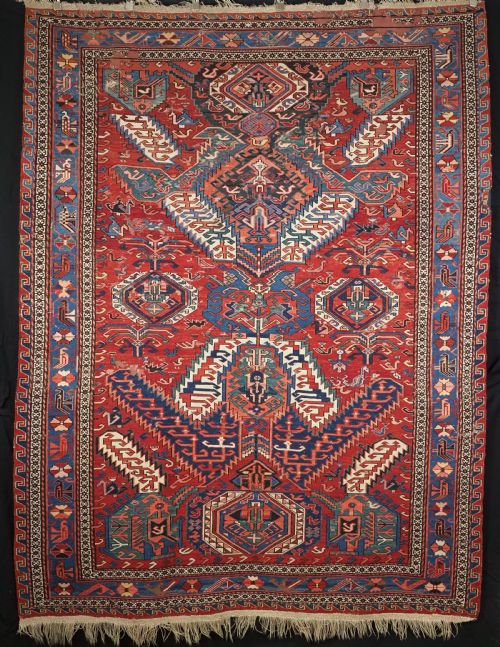
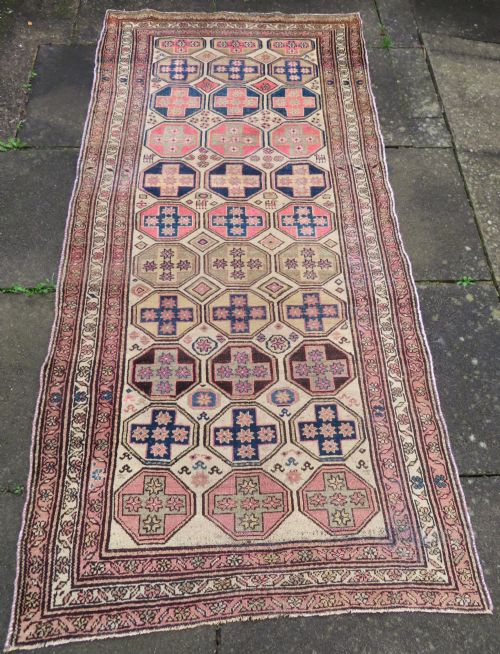
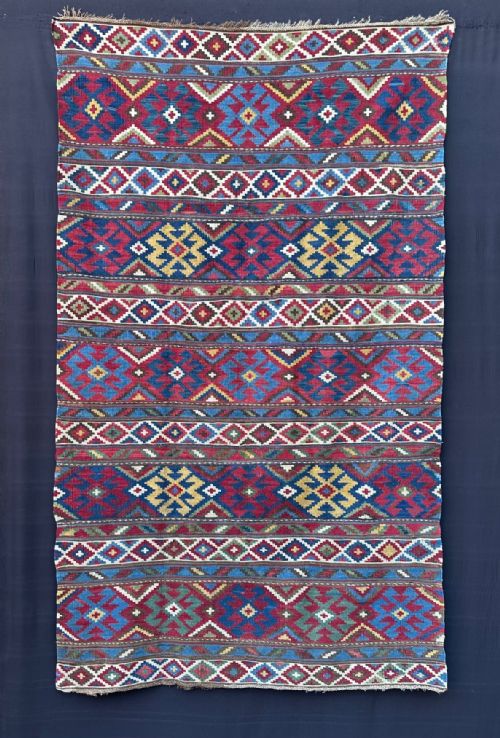
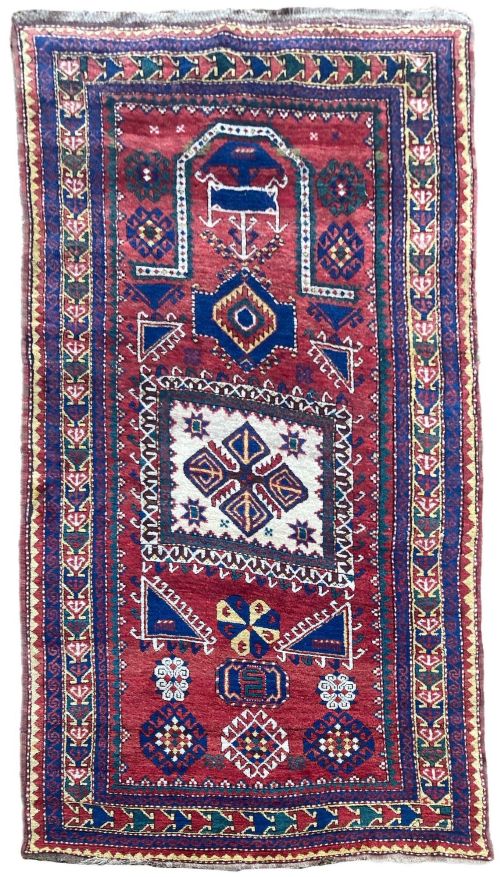
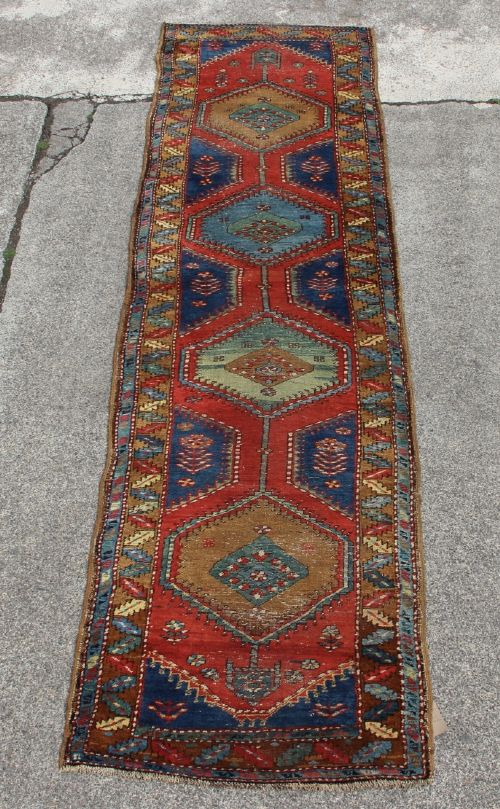

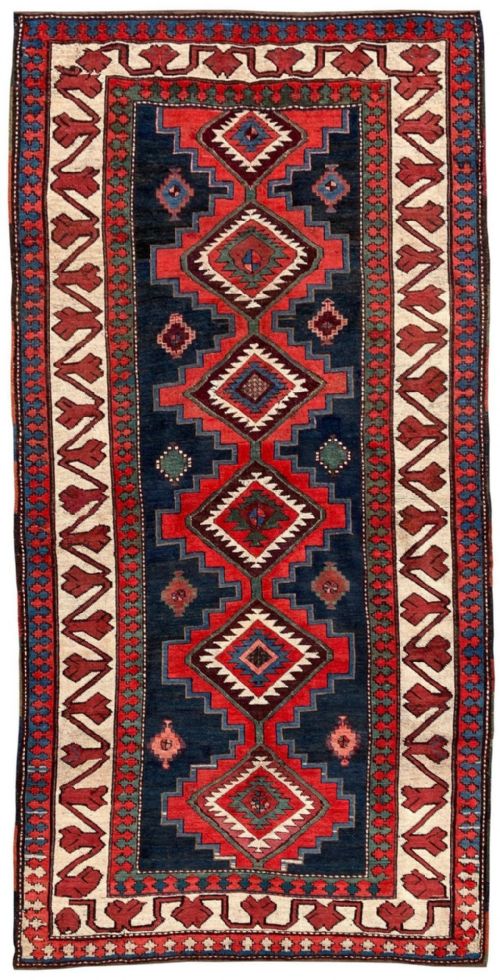
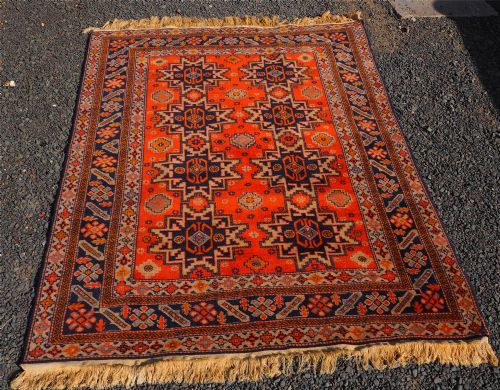
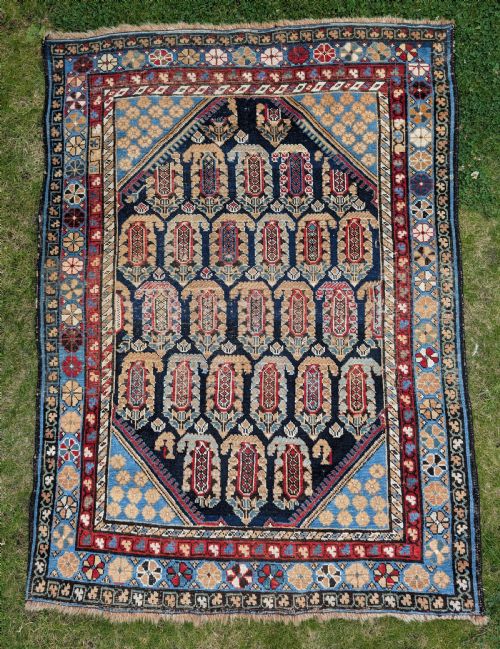
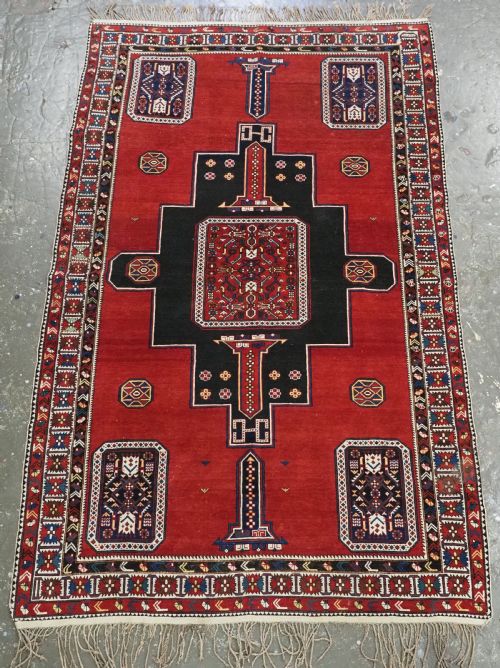
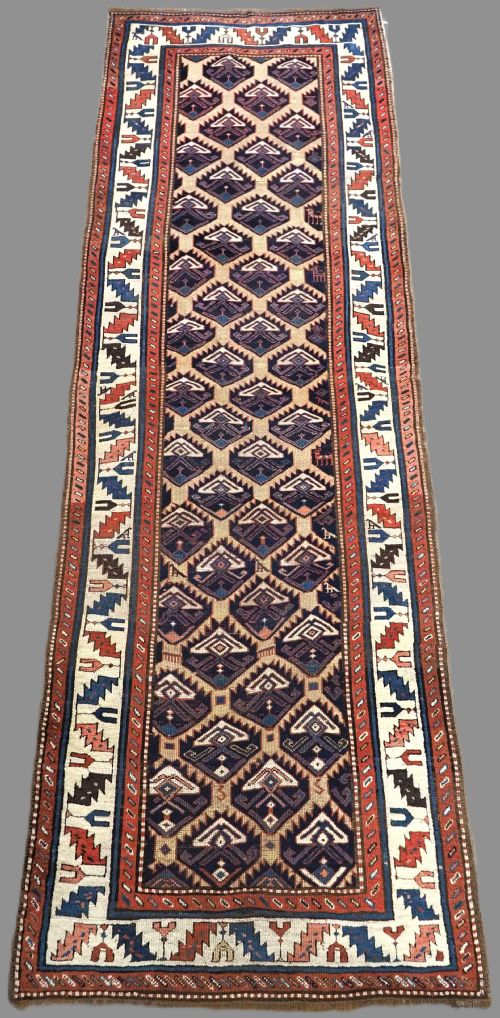
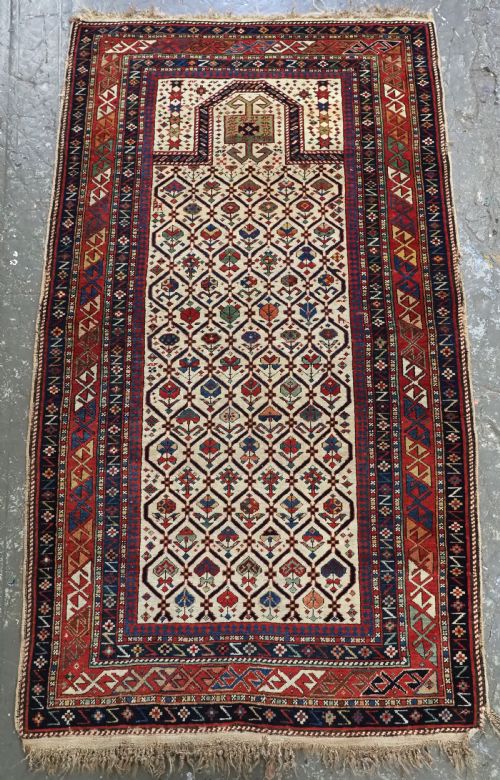
Wool Caucasian Tribal Rug
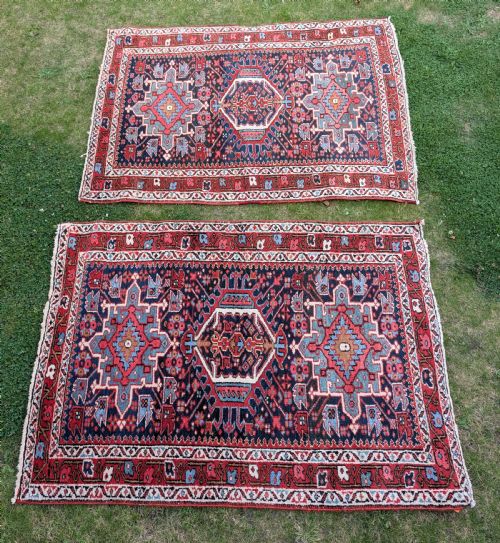
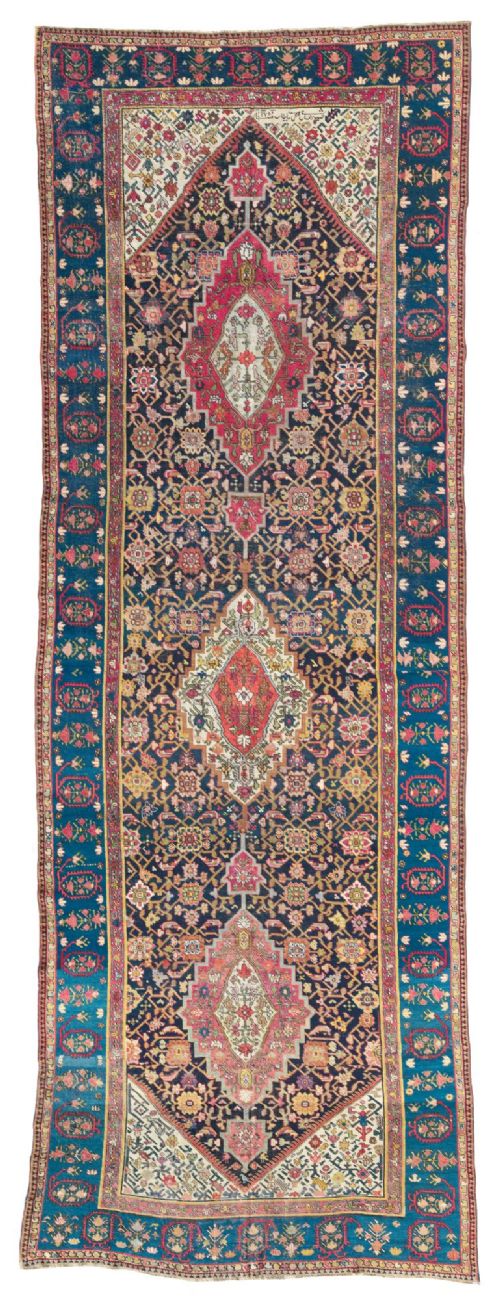
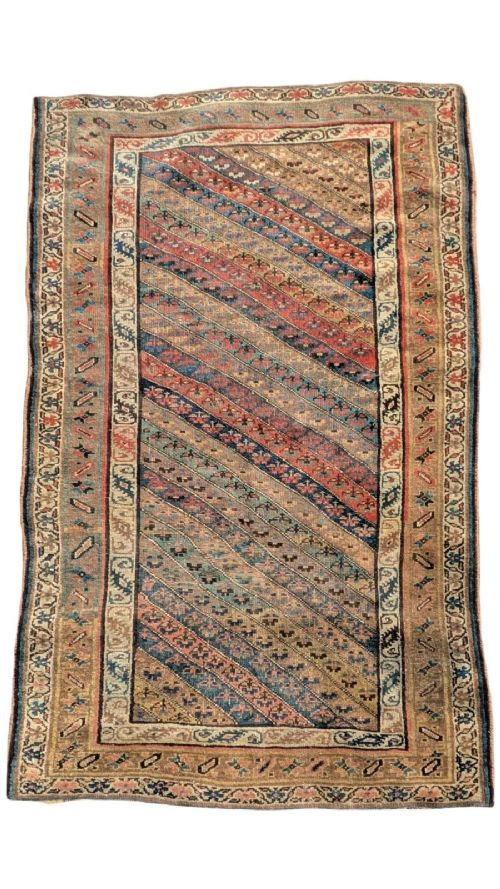
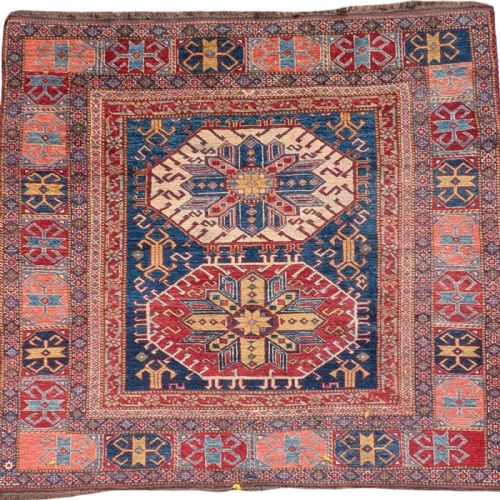
These wool caucasian tribal rug pieces bring bold geometric patterns and rich regional character directly to a floor.
Wool Caucasian Tribal Rug
A wool caucasian tribal rug represents the weaving traditions of nomadic and village communities across the Caucasus region, produced during the nineteenth and early twentieth centuries. These textiles span various practical forms, including floor rugs, prayer rugs, long runners, and functional bags created for daily nomadic life.
Buyers encountering this selection regularly find pieces originating from specific weaving centres like Kazak, Shirvan, Karabagh, Kuba, and Daghestan. The designs characteristically utilise bold geometric medallions, repetitive lattice patterns, and stylised animal or floral motifs woven with distinct regional geometry.
Alongside pieces originating strictly in the Caucasus, the selection includes related tribal works from Kurdish groups and neighbouring Persian districts. These examples share the dense construction, heavy wool piles, and vibrant chromatic palettes typical of traditional village weaving.
How They Were Made
The weavers utilised heavy wool for both the pile and the foundational warps and wefts, occasionally incorporating cotton for structural stability. This natural fibre combination provides the dense, durable fabric required for domestic flooring and nomadic use.
Makers employed hand-spun wool dyed with natural colourants derived from local plants and minerals. These organic dyes yield deep, saturated hues that develop subtle tonal variations and patina over decades of light and wear.
Listings span production dates from the mid-nineteenth century through the early twentieth century, utilising wool, cotton, and natural dyes.
What Varies In Quality
The distinction between tiers rests upon the precision of the knotting and the crispness of the geometric drawing. Superior examples exhibit tightly packed foundations and sharply rendered motifs that maintain structural integrity across the entire field.
Quality also manifests in the depth and clarity of the natural colour palette. Finer pieces display harmonious colour saturation and balanced contrast, where the interaction of natural dyes enhances the visual rhythm of the tribal design.
The Wool Caucasian Tribal Rug Glossary
- Kazak
- A designated style and origin within the Caucasus known for large geometric medallions and bright primary colours. These rugs are woven with thick wool piles and sturdy foundations.
- Prayer Rug
- A textile featuring a distinct architectural mihrab or arch design at one end, traditionally used for personal devotion. The niche motif directs the placement of the rug during daily prayers.
- Kelleh
- A large, elongated format of carpet traditionally used as a room divider or positioned along the edge of a larger saloon space. These substantial formats display extended field repeats.
- Sumak
- A flat-weaving technique where the weft threads are wrapped around the warp threads to create a durable tapestry-like textile without a cut pile. This method results in a sturdy structure with a clean flat reverse.
- Medallion
- A central ornamental motif placed in the middle of the rug field, often rendered in bold geometric or octagonal shapes. It serves as the primary focal point of the composition.
Wool Caucasian Tribal Rug: Frequently Asked Questions
Where were these rugs made?
These textiles were produced by nomadic tribes and village communities situated in the mountainous Caucasus region, located between the Black Sea and the Caspian Sea. Individual pieces hail from recognised weaving areas including Shirvan, Kuba, Kazak, and Daghestan.
Production also extends to Kurdish groups and neighbouring districts in north-west Persia. Each location developed distinct weaving habits, structural foundations, and tribal motifs that identify the origin of the piece.
How do I care for an old tribal rug?
Maintenance requires gentle, regular vacuuming without rotating brush heads to protect the wool pile from excessive friction. Professional cleaning suited for antique textiles preserves the natural lanolin in the wool.
Placing a suitable underlay beneath the textile prevents slipping and reduces wear between the rug and the floorboards. Keeping the piece away from direct, harsh sunlight prevents the natural dyes from fading prematurely.
What is a prayer rug?
A prayer rug is a specialised textile featuring a pointed arch or niche motif known as a mihrab at one end of the field. This design indicates the direction of prayer during ritual use.
Despite their original devotional purpose, these pieces function effectively as small decorative wall hangings or accent floor rugs due to their compact sizes and balanced compositions.
How do I distinguish regional styles?
Distinguishing regional types relies on examining the specific geometry of the medallions, the border arrangements, and the palette of the natural dyes. Kazak pieces typically feature bold primary colours and large octagons, whereas Shirvan rugs display finer, more intricate lattice work.
Structural details such as the material of the foundation threads and the finish of the selvedges also offer clear clues to the specific workshop or tribal group responsible for the weave.