
Wooden Tripod Table
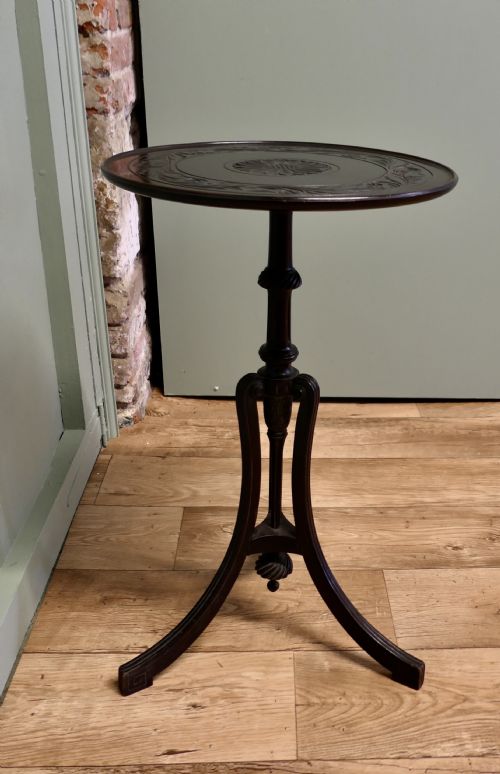
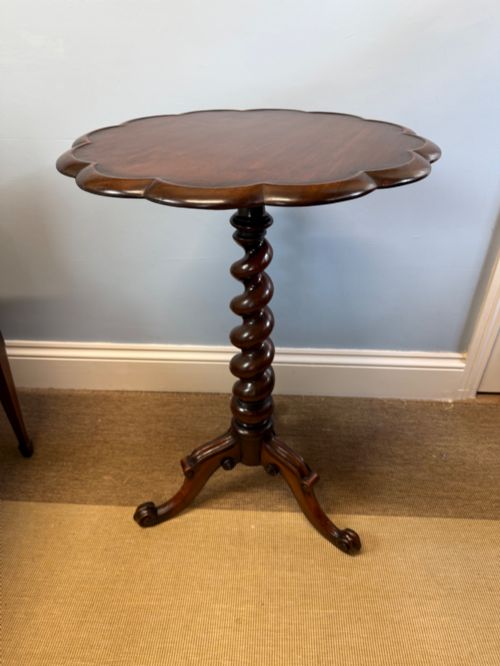
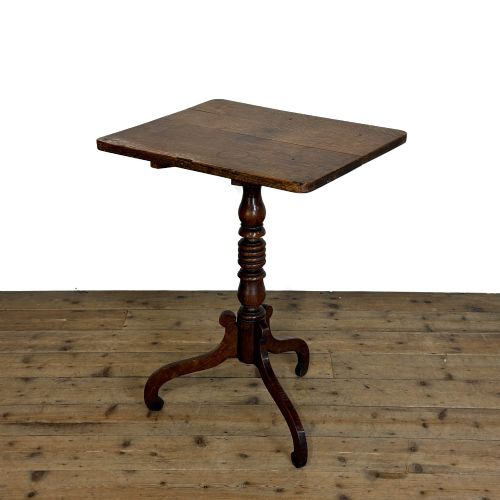
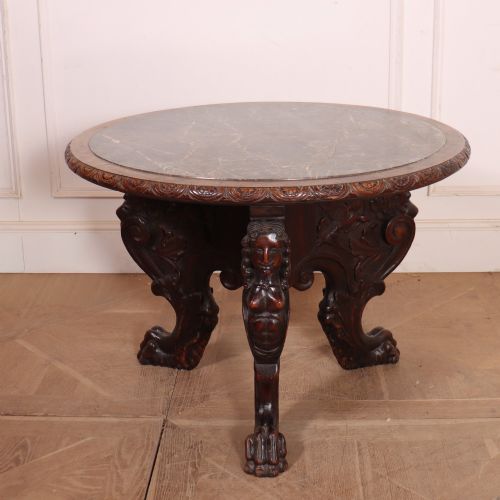
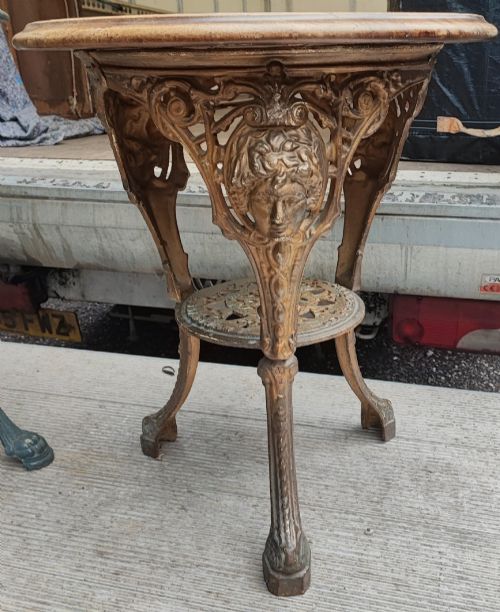
A wooden tripod table balances a circular top upon a central pedestal and three legs, offering a portable surface suited to any room.
Wooden Tripod Table
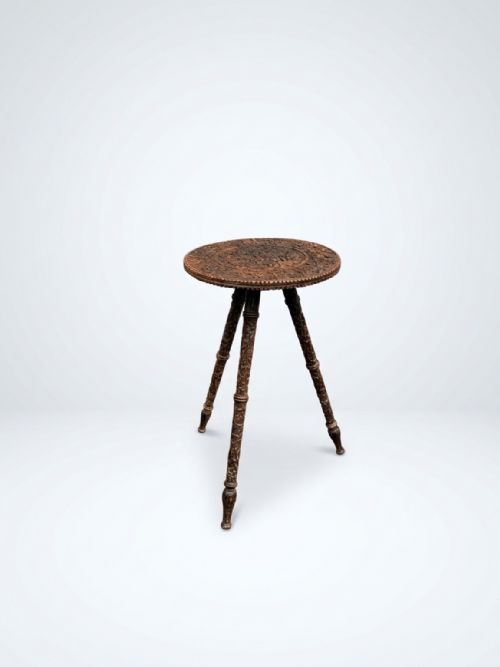
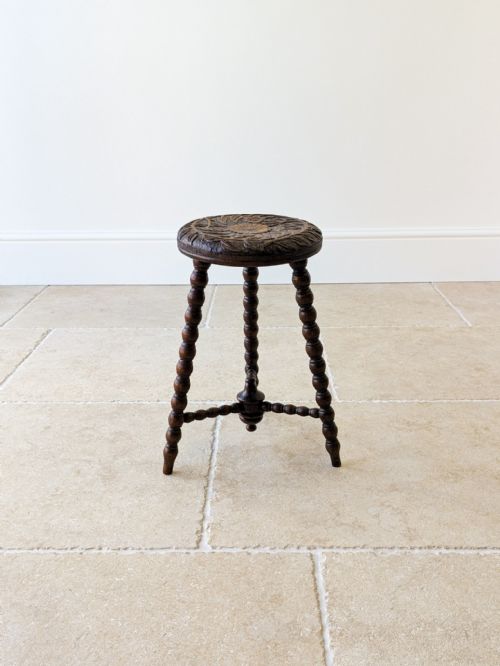
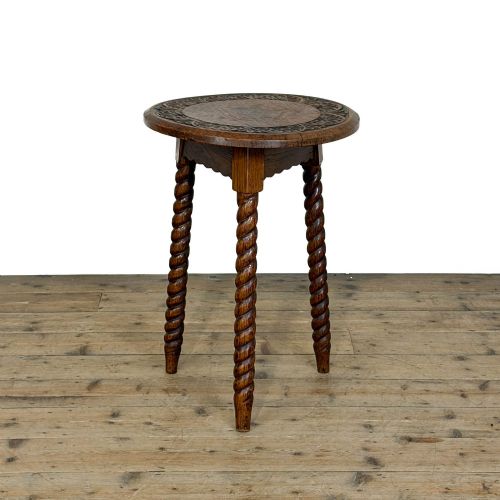
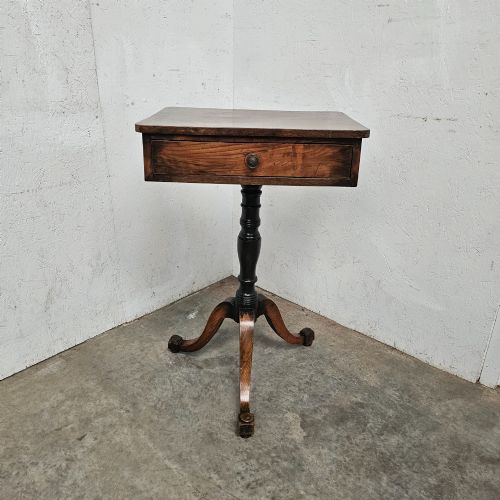
When you search for a wooden tripod table, you look for a nimble piece of furniture designed to hold a single candle, wine glass or lamp. These tables appear across Georgian, Victorian and Edwardian eras, spanning simple vernacular cricket tables to formal tilt-top examples.
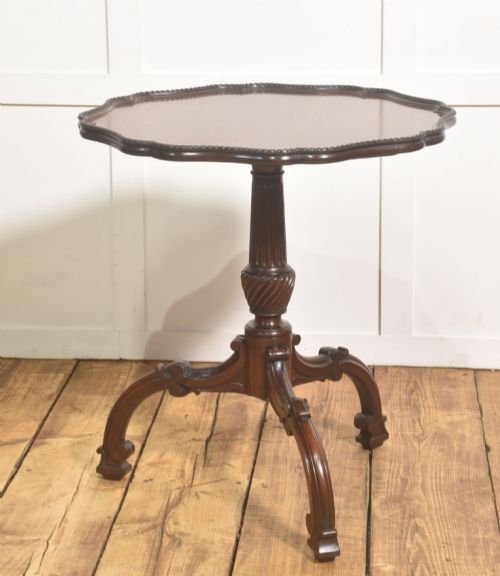
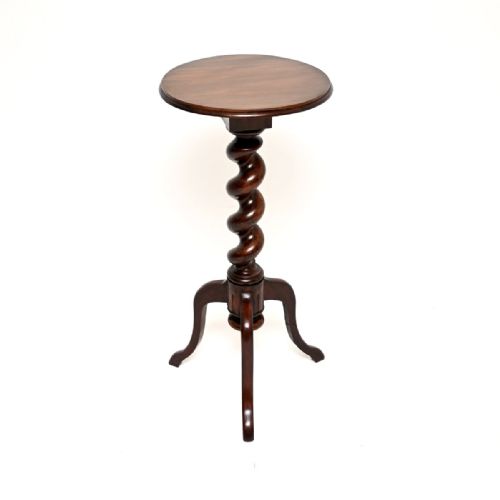
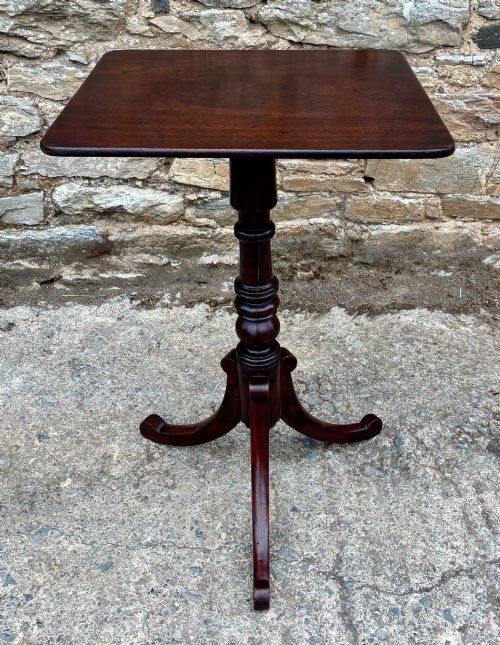
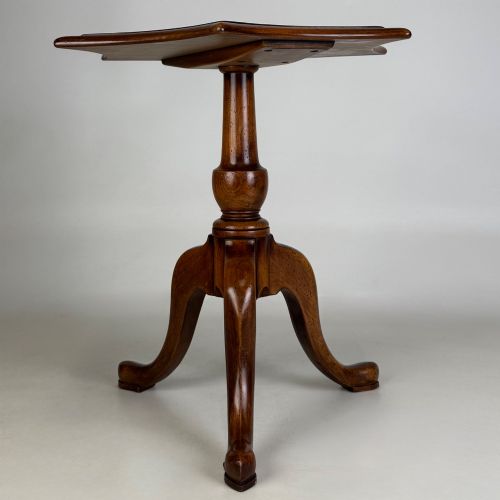
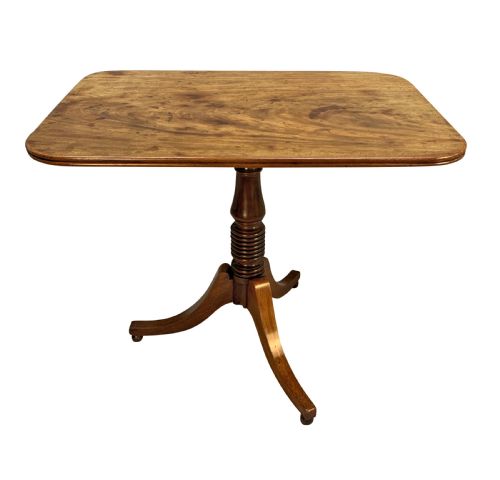
The version you are most likely to meet on this page is a mahogany wine table featuring a round top and a turned pillar. Other common forms include occasional tables, chess tables and painted lamp tables originating from English, Swedish and Italian workshops.
How they were made
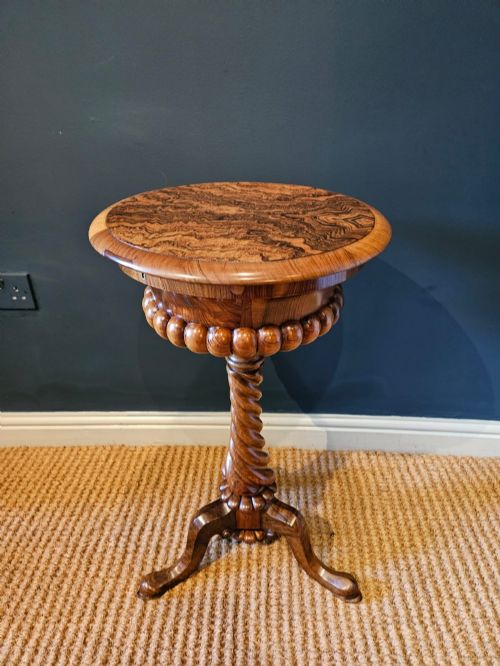
Cabinetmakers constructed these pieces using dense hardwoods like mahogany, oak, walnut and rosewood, alongside softer timbers such as pine and fruitwood. Tops were frequently turned from a single solid plank or assembled from figured veneers laid over secondary woods.
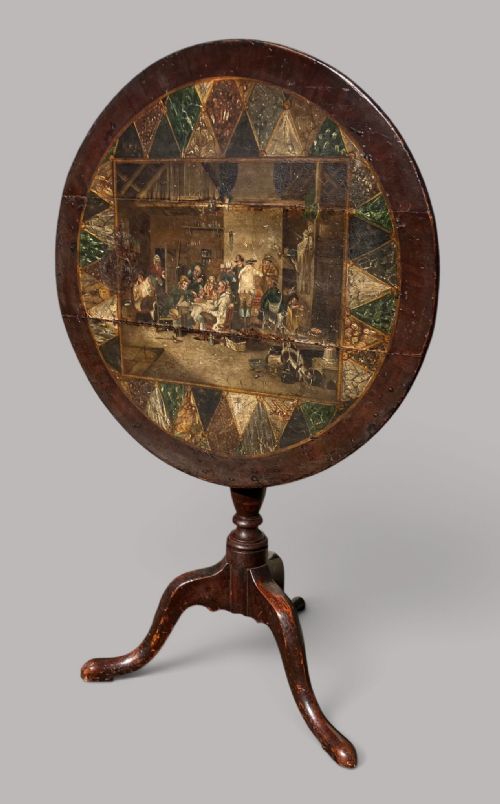
The central shaft met the three legs through various joining techniques, occasionally incorporating a clever birdcage mechanism that allowed the top to rotate and tilt. Carving, inlay, ebonising and painted finishes were applied to elevate the decorative scheme.
The listings span several centuries, featuring Georgian, Victorian, Edwardian and 18th-century periods alongside regional Swedish and Italian pieces.
What varies in quality
Quality rests upon the selection of timber and the dexterity of the turning and carving. A superior table exhibits finely figured mahogany or burr oak, crisp hand-carved details upon the knees of the legs, and a well-balanced pedestal that stands firm without wobble.
Gillows
The Wooden Tripod Table Glossary
- Tilt-top
- A tabletop mounted on a catch mechanism that allows the surface to pivot vertical when not in use. This clever design enabled the table to be stored flat against a wall to save space in smaller parlours.
- Birdcage
- A wooden framework beneath the tabletop containing small spindles that allows the surface to both rotate and tilt. It represents a more complex and desirable piece of engineering on Georgian pedestal tables.
- Wine table
- A small occasional table designed specifically to hold a bottle and glasses during evening gatherings. They frequently feature circular tops and slender pillars.
- Inlay
- The technique of embedding contrasting woods, brass or satinwood into the primary surface to create decorative patterns. Highly inlaid examples required immense skill from the cabinetmaker.
Wooden Tripod Table: Frequently Asked Questions
What is a wooden tripod table used for?
These pieces served versatile roles in historic homes as portable stands for lamps, candles, books or wine. Their compact footprints made them easy to move beside a chair or sofa as needed.
Today they function equally well as decorative accents in living spaces, holding drinks or small plants while adding period character to a room.
How do I identify a Georgian tripod table?
Georgian examples often feature rich mahogany or oak timbers, hand-turned pedestals with substantial pad or snake feet, and sometimes a tilting mechanism. The joinery employs traditional pegged or dovetailed construction methods characteristic of the eighteenth century.
Proportions tend to be elegant and restrained, avoiding the heavier ornamentation found on later Victorian interpretations of the form.
What is a tilt-top table mechanism?
A tilt-top mechanism uses a wooden block and catch beneath the surface allowing the round top to flip from horizontal to vertical. This allowed servants to tuck the furniture neatly against the wall when the room was cleared.
Finer versions include a revolving birdcage pivot that lets the top spin freely even when locked in the flat position.
Are all tripod tables made of mahogany?
While mahogany remains common, these tables appear in a wide variety of other woods including oak, walnut, rosewood, pine, fruitwood and satinwood. Regional pieces often utilised local timbers such as oak or elm for cricket tables.
Painted finishes also occur, particularly on Swedish and continental occasional tables from the nineteenth century.