


Wooden Torchere Floor Stands
These wooden torchere floor stands bring historic height and carved presence to a room, offering a dramatic way to elevate lighting or display objects.
Wooden Torchere Floor Stands
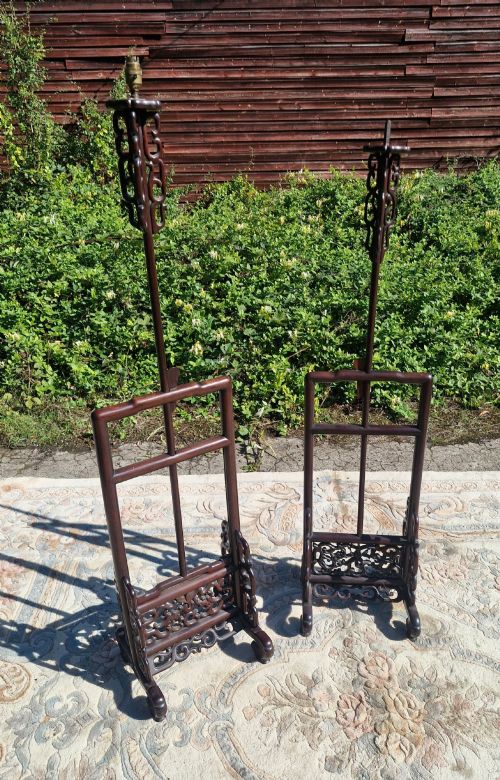
The forms vary significantly, including slender classical columns, figural standards such as Venetian blackamoor figures, and carved animal motifs like Chinese dragons. Buyers frequently meet pairs alongside single tall stands, encompassing functional floor lamps, candle stands, and display pedestals.
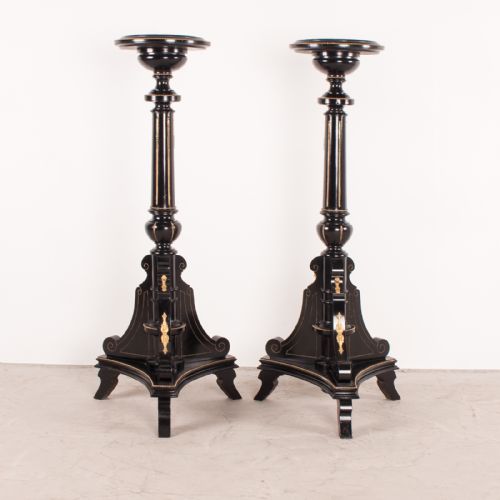
Materials and finishes define the visual impact of these objects, with carved wood often enhanced by gold leaf, polychrome paint, or ebonisation. Dating ranges from the eighteenth century to the early twentieth century, incorporating Victorian interpretations and revival styles.
Materials and construction methods
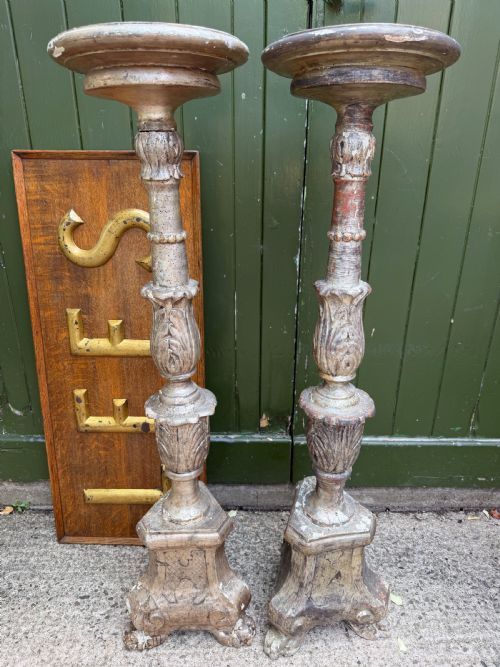
Makers shaped these stands primarily from carved wood, utilising timbers such as mahogany and pinewood as a foundational structure. Artisans then applied intricate surface treatments, including gesso layers and delicate gold leaf or silvering.
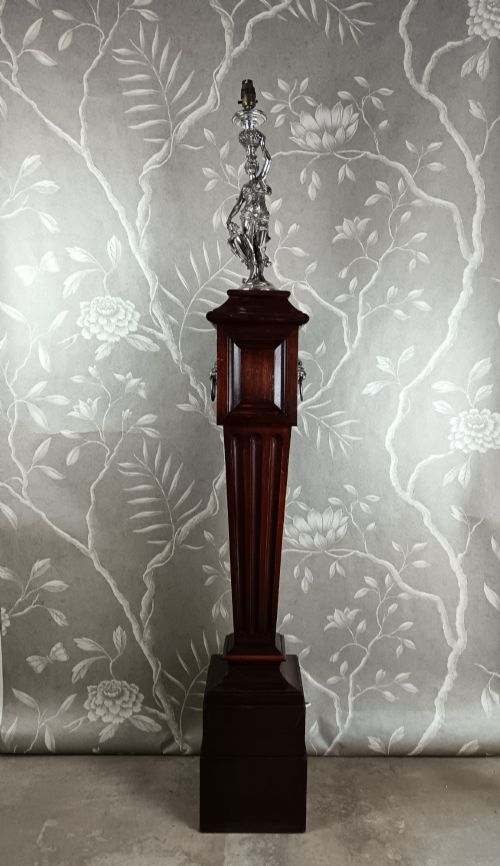
Many examples display layered polychrome paint and intricate hand-carved details, particularly on figural and Baroque revival pieces. Metal elements like brass and glass occasionally integrate into the design, alongside silver-plated components on specific twentieth-century items.
Listings span from the 18th century to the 1920s, incorporating Venetian Baroque, Italian revival styles, and traditional Chinese craftsmanship.
Distinctions in quality and execution
The sophistication of the carving dictates the distinction between standard production and masterwork pieces, with deep, undercut foliage or expressive figural anatomy marking superior execution. The integrity of the original surface finish, whether giltwood, polychrome paint, or ebonised wood, heavily influences the overall character and historical weight of the object.
Proportion and structural balance separate exceptional stands from simpler utilitarian items, ensuring the tall silhouette remains stable and visually harmonious. The presence of original polychrome or gilding without heavy modern intervention preserves the authenticity valued by collectors.
WMF
The Wooden Torchere Floor Stands Glossary
- Torchere
- A tall stand designed to carry a light or candle, evolving over time into display pedestals and floor lamps. They typically feature an elevated platform supported by a slender column or figural shaft.
- Polychrome
- Painted in several colours, often seen on historic Venetian figures and stands to enhance decorative realism. This technique adds depth and narrative detail to carved wooden surfaces.
- Gesso
- A plaster-like mixture applied to wood surfaces to provide a smooth base for gilding or painting. It allows intricate relief work to be carved sharply before metal leaf is laid down.
- Ebonised
- Wood finished to imitate ebony, usually through dark staining or painting. This treatment creates a formal, sombre aesthetic popular in nineteenth-century decorative arts.
- Giltwood
- Wood that has been coated with gold leaf or gold paint. The application reflects candlelight and creates a luxurious visual presence in grand interiors.
Wooden Torchere Floor Stands: Frequently Asked Questions
What is a wooden torchere floor stand used for?
These tall stands historically supported candles to illuminate dark corners of large rooms. Today, buyers use them as statement floor lamps or elevated display pedestals for sculpture and decorative objects.
Their vertical presence draws the eye upward, making them particularly effective in rooms with high ceilings. They function well beside seating areas or in empty architectural niches.
How do I identify the period of a torchere?
Dating relies heavily on stylistic cues, such as the exuberant carving of eighteenth-century Italian Baroque pieces versus the cleaner lines of nineteen-twenties standard lamps. Material analysis, including the type of wood and the application of gesso or gold leaf, also points toward specific manufacturing eras.
Regional characteristics provide further clues, distinguishing English country house adaptations from Venetian figurative works or Chinese dragon carvings. Examining construction joints and wear patterns helps confirm the age of the wooden structure.
Are these stands suitable for modern lighting?
Many of these pieces adapt readily to modern electrical wiring, functioning effectively as floor lamps or adjustable lamp standards. Historic stands often accommodate custom electrical fittings without altering the primary wooden structure.
Their sturdy bases and tall profiles provide a stable framework for modern lampshades and bulbs. This allows historic craftsmanship to integrate into contemporary lighting schemes.
How should I care for antique carved wood?
Maintenance requires gentle dusting with a soft, dry cloth to protect delicate surfaces like gold leaf, gesso, and polychrome paint. Avoid using liquid polishes or harsh chemical cleaners that can degrade historic finishes.
Keeping the stands away from direct sunlight and extreme temperature fluctuations prevents the wood from drying out or cracking. Stable indoor environments help preserve both the structural timber and the decorative paint layers.