

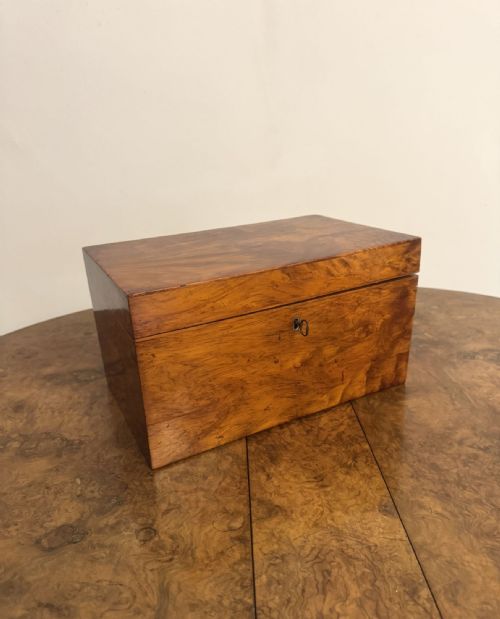


Wooden Tea Storage Box
A wooden tea storage box organises and preserves precious dried leaves with enduring craftsmanship.
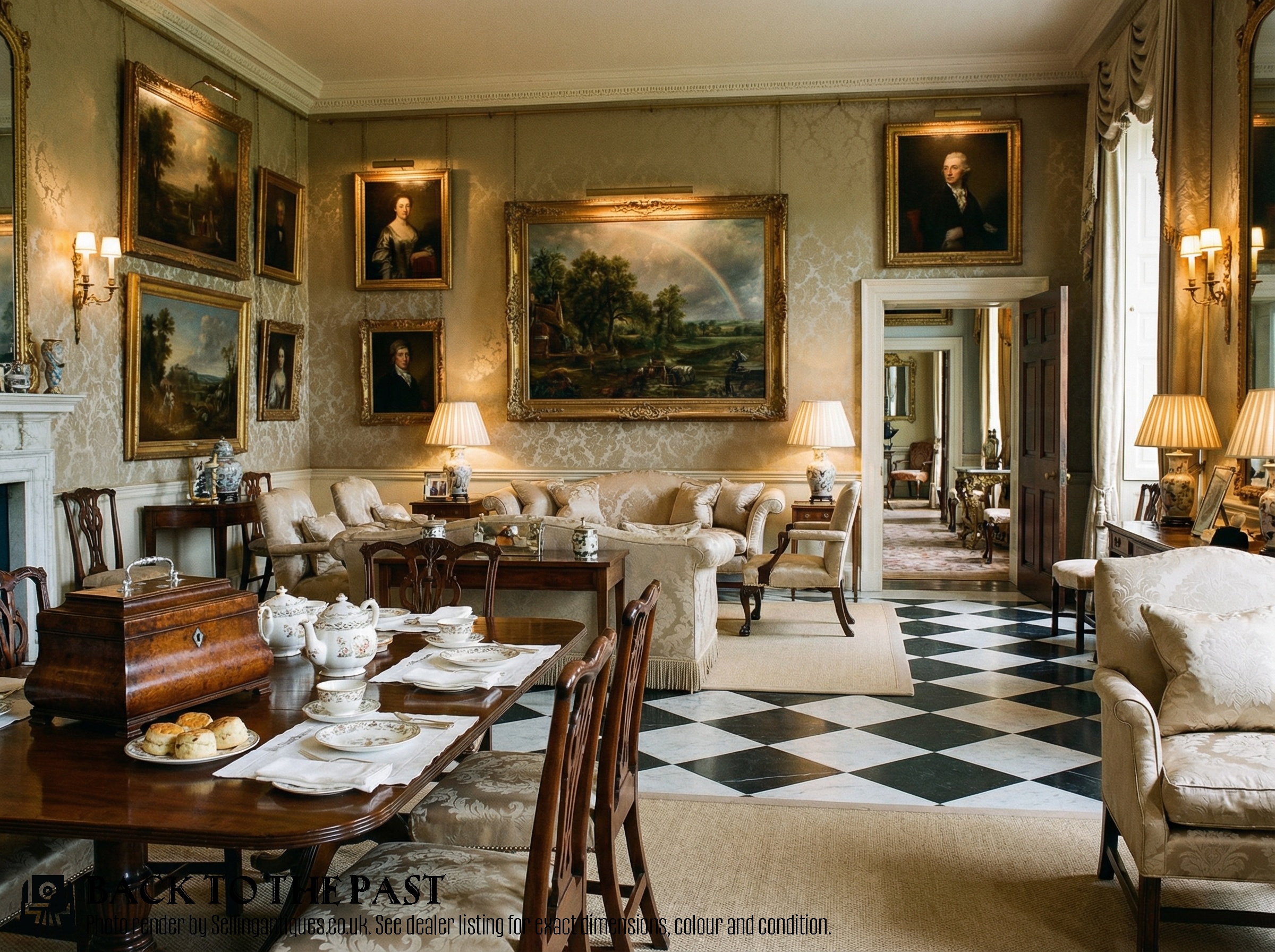
Wooden Tea Storage Box
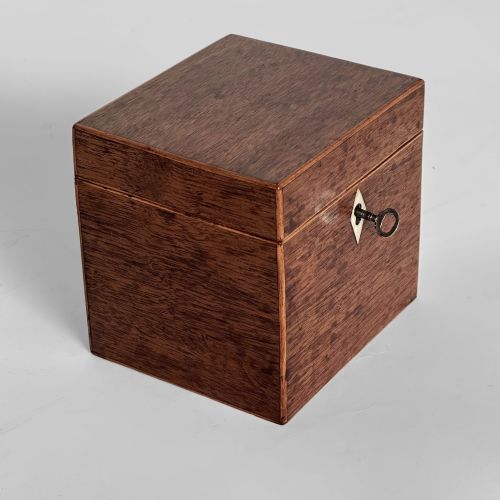
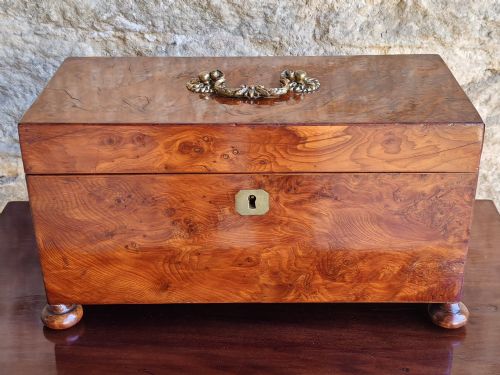
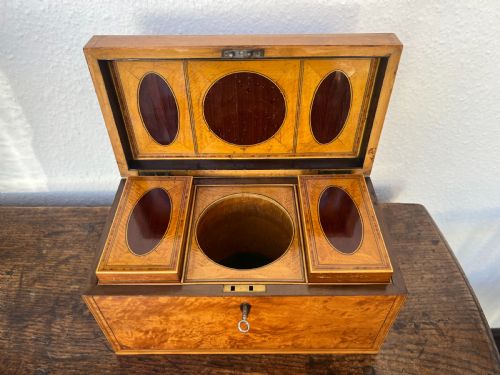
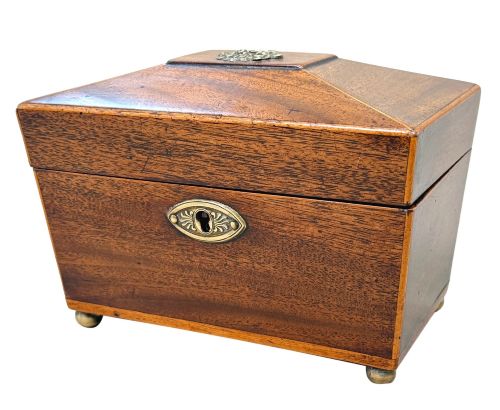
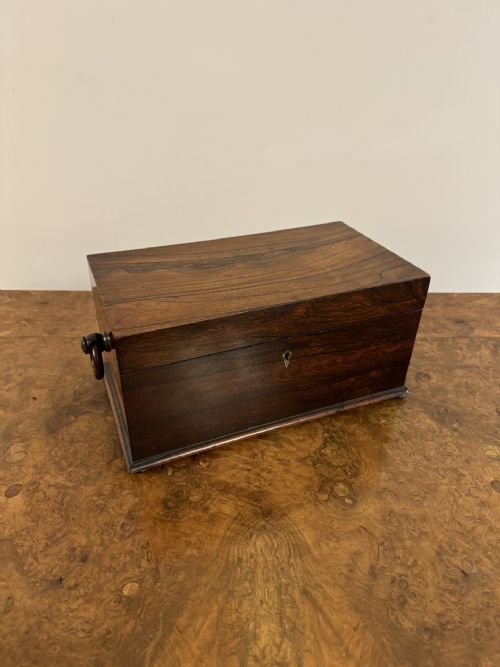
A wooden tea storage box encompasses tea caddies, teapoys, and chests spanning the eighteenth, nineteenth, and Georgian periods. Buyers encounter domestic examples in mahogany, rosewood, and satinwood alongside Chinese export pieces.
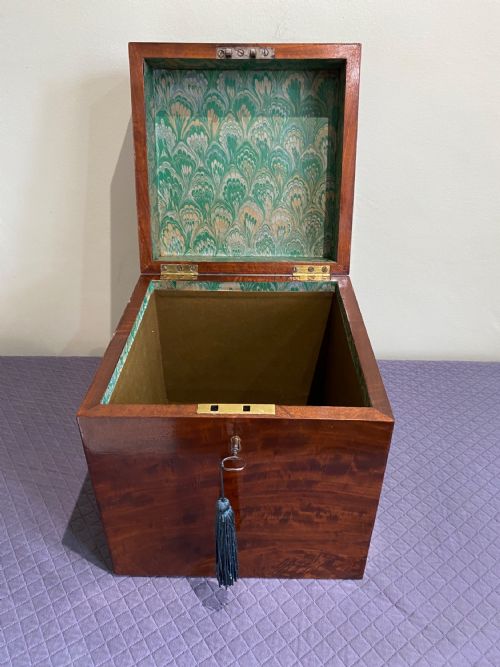
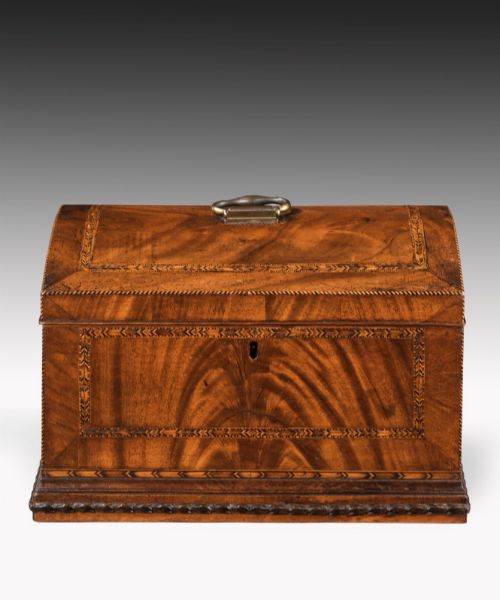
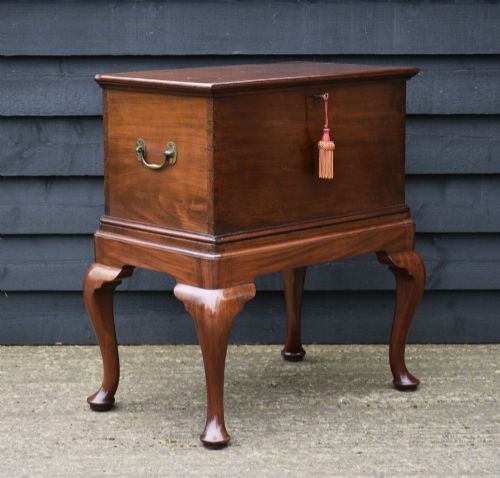
The selection ranges from simple oval and domed boxes to elaborate sarcophagus forms resting on stands. Many pieces retain internal compartments, mixing bowls, and secret drawers designed for dry leaf preservation.
Materials and construction methods
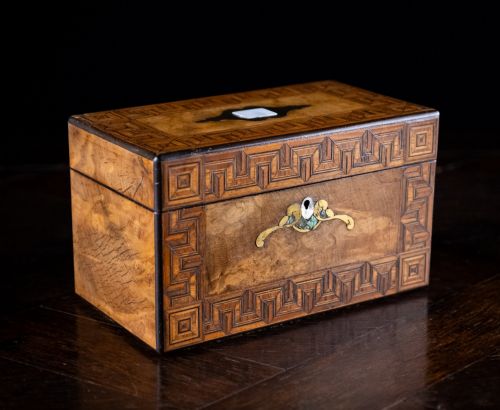
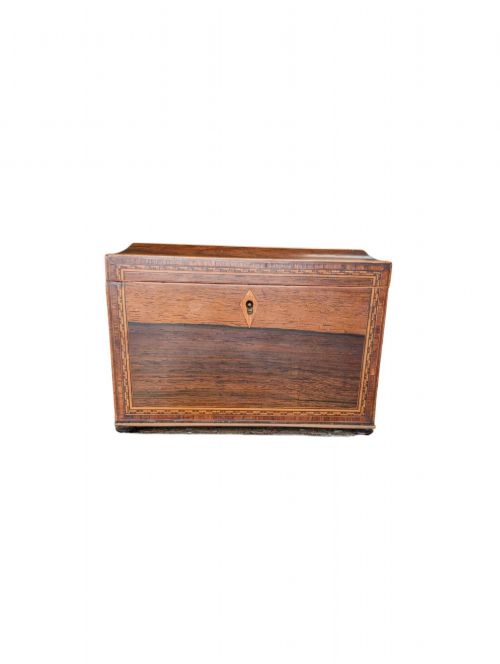
Cabinetmakers utilised dense timbers such as mahogany, walnut, rosewood, satinwood, and yew, frequently enhancing surfaces with burr veneers and flame grain patterns. Detail work involved delicate inlay using boxwood, ebony, bone, mother of pearl, and brass parquetry.
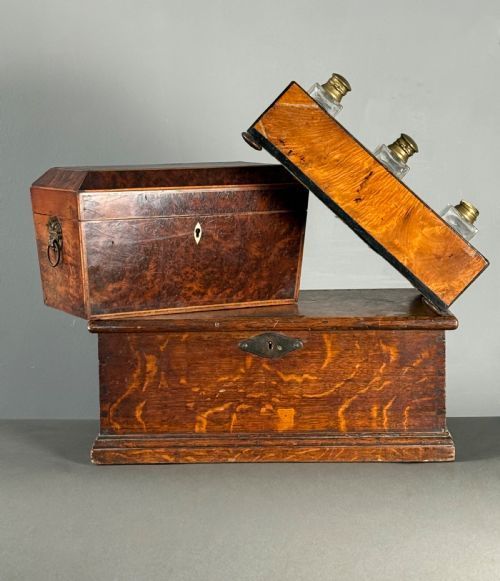
Construction techniques included sarcophagus shaping, domed lids, and parquetry casing. Many examples integrated brass lion mask handles, working locks with keys, and fitted glass bowls for sugar mixing.
Distinctions in craftsmanship and materials
Quality separates simple containers from exceptional cabinet work through timber selection, such as burr yew, figured mahogany, and intricate Tunbridge Ware or marquetry patterns. Finer examples display precise parquetry alignment and intact interior fittings like original glass bowls.
The presence of specialised hardware, including working locks with keys, brass lion mask handles, and secret drawers, elevates a piece. Structural integrity in the mitred joints and preservation of the original polished surface dictate overall desirability.
Tahan of Paris
The Wooden Tea Storage Box Glossary
- Tea caddy
- A small box or chest designed specifically for storing dry tea leaves. These containers originally featured secure locks to protect expensive leaf imports.
- Teapoy
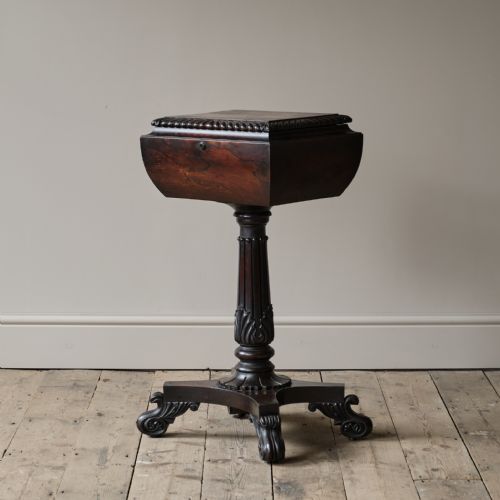
- A pedestal table fitted with a top box or chest for holding tea and mixing implements. They often stand on a central pillar with branching feet.
- Sarcophagus form
- A box shape featuring a sloping or domed lid reminiscent of an ancient stone coffin. This architectural silhouette gained popularity during the Regency period.
- Tunbridge Ware
- Woodworking craftsmanship characterised by tiny mosaic tiles formed from naturally coloured timbers to create pictorial designs. Items featuring this technique display remarkable geometric precision.
- Parquetry
- Geometric mosaic woodwork arranged in patterns resembling brickwork or tiling. Artisans applied these decorative veneers to lid surfaces and outer panels.
Wooden Tea Storage Box: Frequently Asked Questions
What is a wooden tea storage box used for?
These boxes stored dry tea leaves securely away from dampness and light in historic households. The lockable lids protected expensive imported leaves from domestic theft.
Interior compartments kept different tea varieties separated before blending. Many also housed glass bowls for mixing tea and sugar.
How do I date a wooden tea storage box?
Dating relies on timber choices, construction methods, and prevailing decorative styles across the eighteenth and nineteenth centuries. Georgian pieces often feature simpler mahogany or satinwood lines, while Regency examples lean towards rosewood sarcophagus shapes.
Inlay materials like mother of pearl, bone, and brass parquetry also help assign pieces to specific periods like the Georgian or Victorian eras.
What is the difference between a tea caddy and a teapoy?
A tea caddy is a portable box designed to sit upon a table, sideboard, or desk. They range from small rectangular containers to elaborate multi-compartment chests.
A teapoy is an independent piece of furniture consisting of a storage box mounted on a pillar and base. They served as self-contained tea service stations in grand reception rooms.
Did all wooden tea storage boxes include bowls?
Many fine examples contained central glass bowls used for rinsing leaves or combining green and black teas with sugar. Surviving bowls often match the period of the box itself.
Some containers relied entirely on timber divisions for holding multiple types of dry leaf without mixing vessels.