


Wooden Storage Caddy
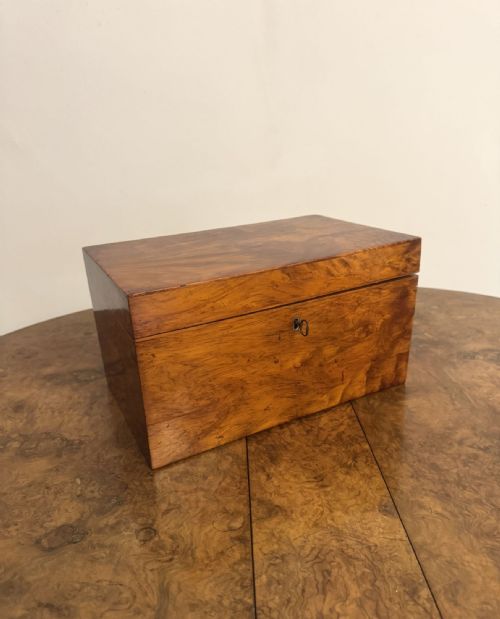
A wooden storage caddy is a compact lidded chest designed for keeping precious leaf, and these Georgian and Regency boxes offer lasting decorative utility.
Wooden Storage Caddy
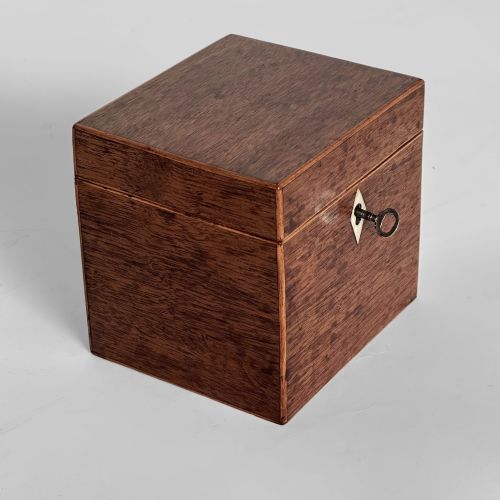
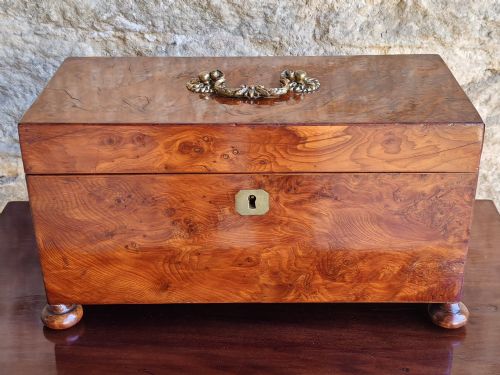
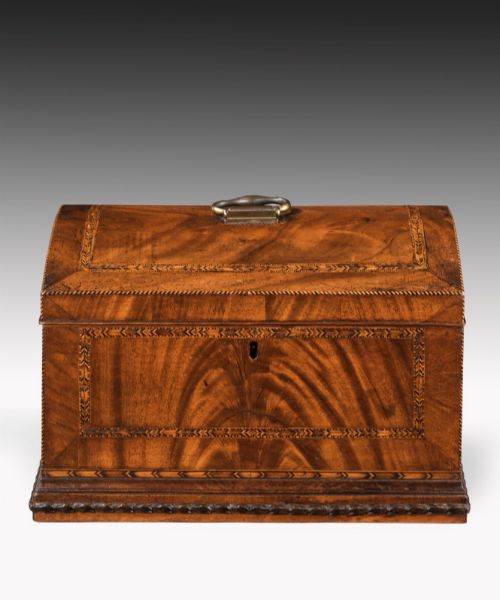
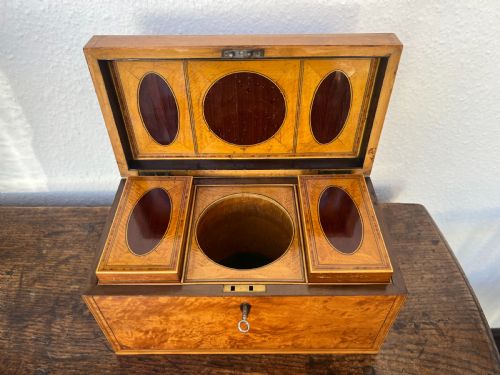
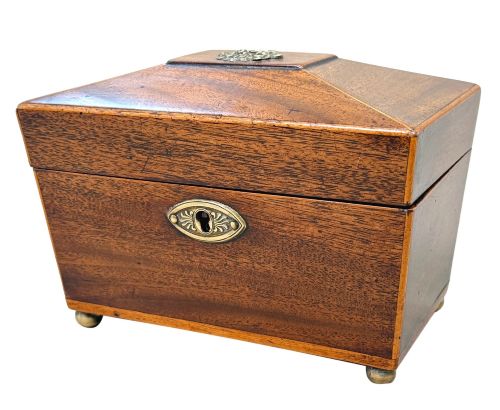
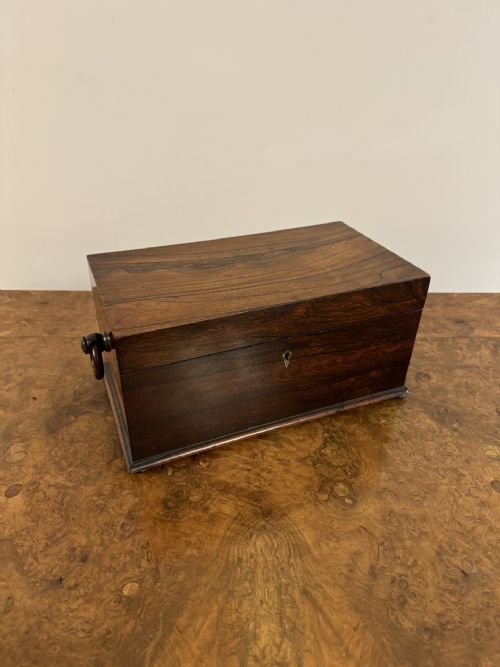
A wooden storage caddy serves as a specialised container for tea and spices, originating primarily from the eighteenth and nineteenth centuries. These items appear most frequently as mahogany boxes from the Georgian and Regency periods, shaped in rectangular, domed, or sarcophagus formats.
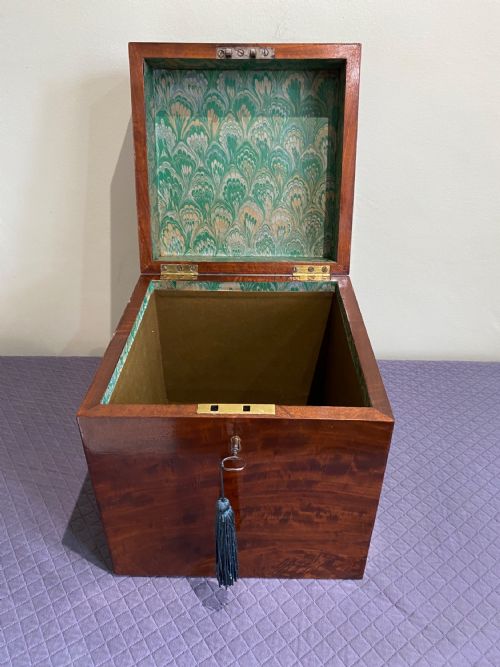
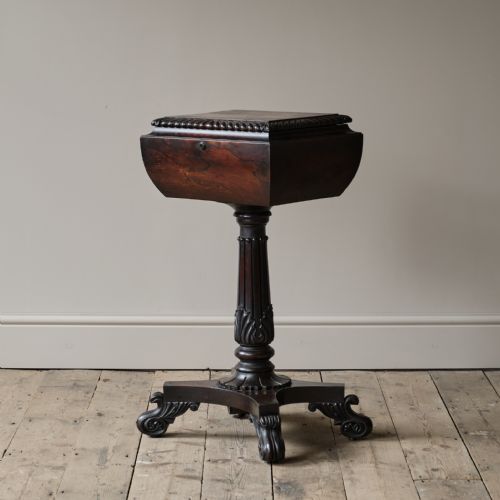
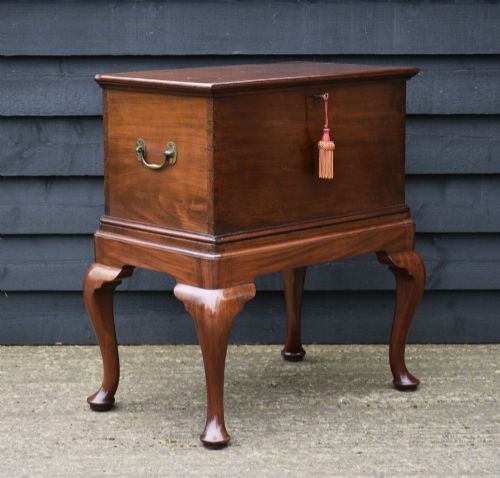
Makers designed these pieces to protect valuable dry goods under lock and key, often incorporating internal compartments for mixing bowls. The forms range from compact tabletop boxes to larger teapoys mounted on stands or chests of drawers.
Regional variations span British domestic cabinetmaking alongside imported examples such as Chinese export pieces and eighteenth-century Indian carved teak spice boxes. Domestic items heavily favour dense hardwoods built for daily interior use.
Materials and construction
Cabinetmakers constructed the primary carcases using solid or veneered hardwoods, predominantly mahogany, rosewood, walnut, satinwood, and yew. Secondary decorative elements frequently utilise boxwood stringing, tortoiseshell, mother-of-pearl, and bone details.
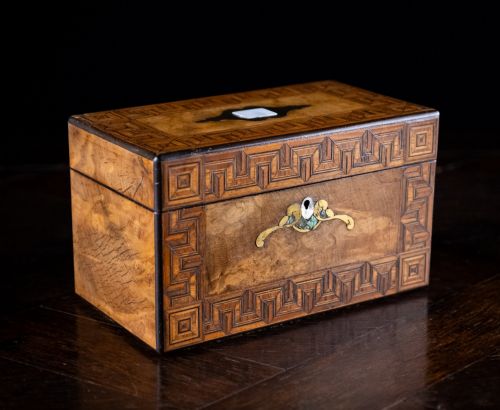
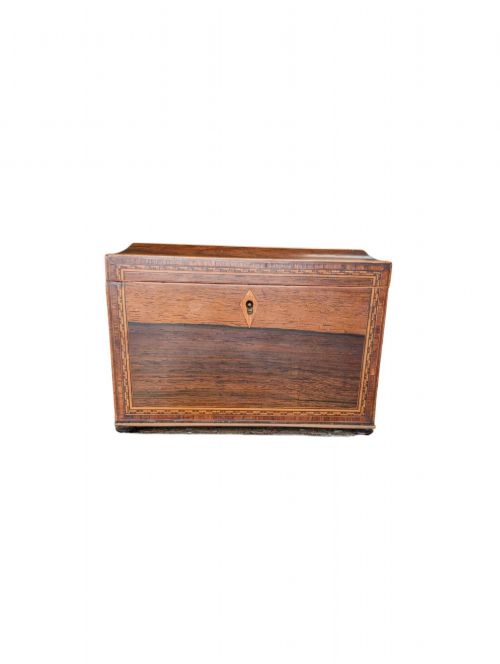
Surface ornamentation relies on parquetry, geometric wood inlays, and Tunbridge Ware mosaic techniques applied to timber foundations. Many examples incorporate cast brass handles, escutcheons, and functional internal locks to secure the contents.
Object forms span standard tea caddies alongside teapoys, cellarets, and general decorative boxes.
Evaluating craftsmanship and materials
Superior execution shows in the selection of figured timber veneers, such as flame mahogany or burr yew, matched symmetrically across the lid and sides. Cabinetmakers demonstrated high skill through precise geometric parquetry and fine stringing rather than heavy surface carving.
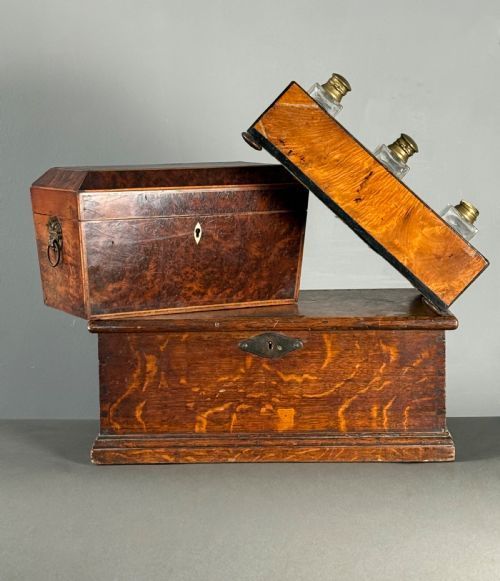
Internal arrangement defines upper tiers of production, particularly those retaining original cut-glass mixing bowls, glass washing sticks, and functioning secret drawers. The integration of solid brass hardware and well-fitted locking mechanisms further distinguishes finer examples from utilitarian storage boxes.
Tahan of Paris
The Wooden Storage Caddy Glossary
- Teapoy
- A pedestal table or large box designed for holding and serving tea. These pieces often feature internal compartments for different tea varieties and a central mixing bowl.
- Sarcophagus
- A box shape characterised by a sloping, gabled lid and a rectangular base resembling an ancient stone coffin. This profile became particularly fashionable during the Regency period.
- Tunbridge Ware
- Small wooden objects decorated with mosaic patterns created from thousands of tiny tinted wood blocks. These geometric designs form detailed pictorial or abstract motifs.
- Cellaret
- A lockable container used for storing wine bottles or decanters. Larger versions sit directly on the floor while smaller variants rest upon tables.
- Escutcheon
- A protective metal plate surrounding a keyhole. These plates are typically cast in brass and secured to the front of the box.
Wooden Storage Caddy: Frequently Asked Questions
What was a wooden storage caddy used for?
These boxes held high-value dry tea leaves when tea was an expensive commodity requiring strict rationing. The lockable lid prevented household servants or guests from accessing the contents without supervision.
Internal partitions separated different varieties of black and green tea leaves. Many versions also included a central glass bowl used for blending individual cups.
How do I date a wooden storage caddy?
Dating relies on observing the primary timber species, box silhouette, and construction methods. Eighteenth-century examples often feature straight-sided mahogany or satinwood with simple brass escutcheons.
Nineteenth-century pieces frequently introduce sarcophagus shapes, rosewood veneers, and elaborate inlays like mother-of-pearl or tortoiseshell. Secondary woods inside the box also help confirm the manufacturing era.
Where should I place a caddy in my home?
These boxes function well as decorative objects placed on sideboards, console tables, or bookshelves in a living space. Their compact footprints allow them to sit securely on flat furniture surfaces.
They also provide functional storage for small personal items like jewellery, keys, or stationery. Keeping them away from direct sunlight protects delicate wood veneers from fading.
What is the difference between a caddy and a teapoy?
A standard caddy is a portable tabletop box designed to be lifted and moved around a room. A teapoy is substantially larger and typically stands on a single central pedestal or four legs.
Teapoys function as small tables rather than simple transportable boxes. Both types share internal compartments intended for storing dry leaf.