




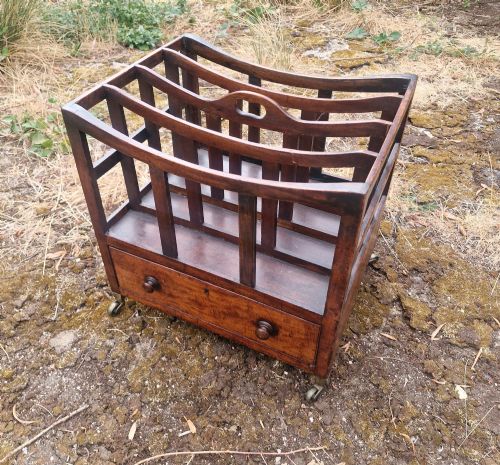
Wooden Sheet Music Rack
These wooden sheet music rack pieces are practical floor-standing furniture designed to hold folios and scores upright, bringing period timber into a room.
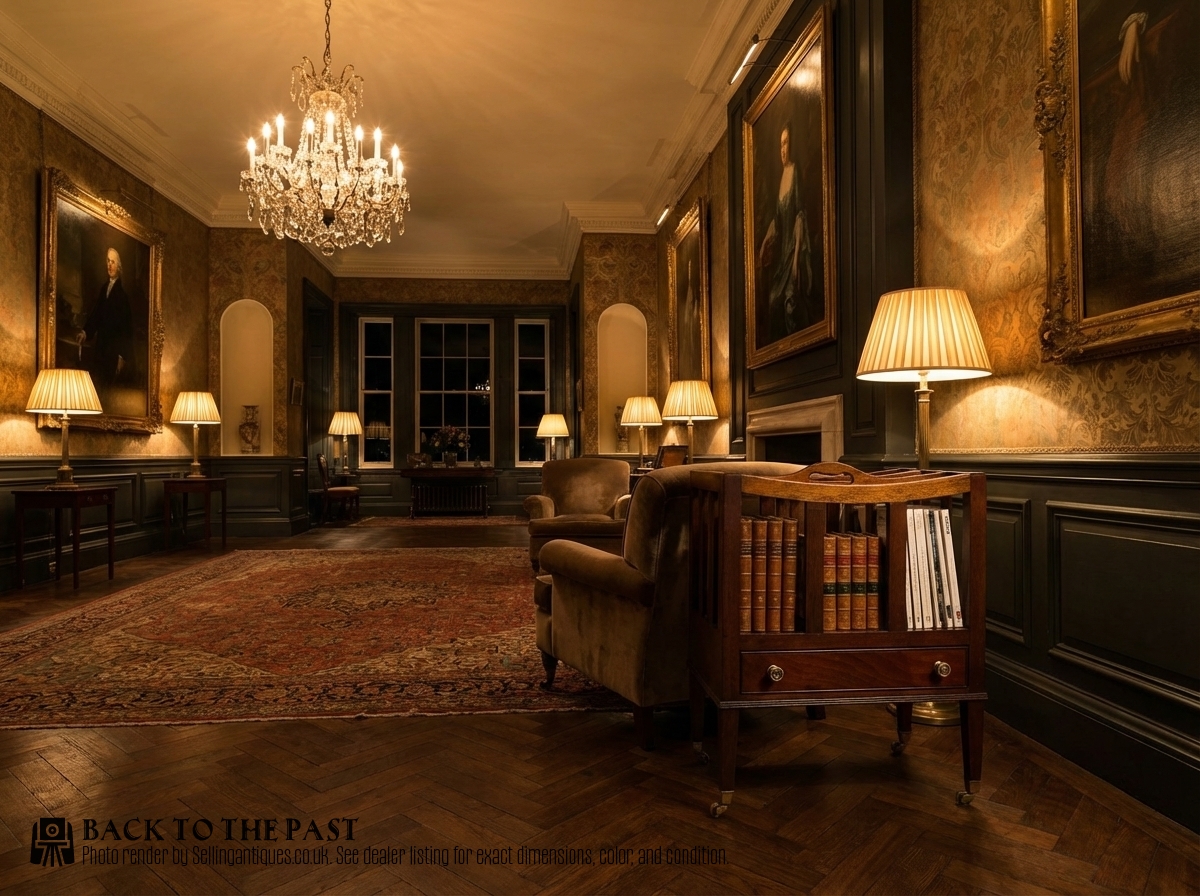
Wooden Sheet Music Rack
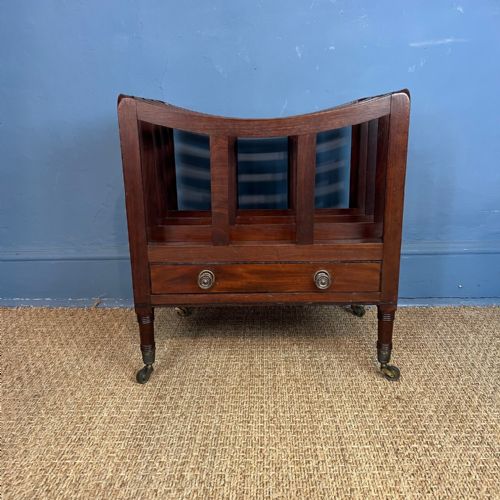
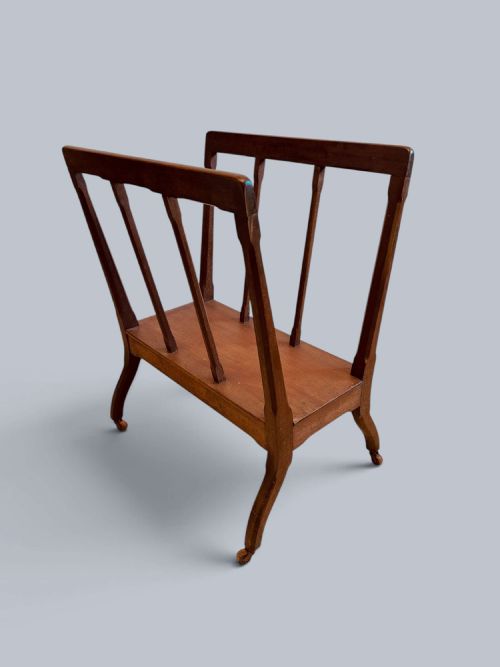
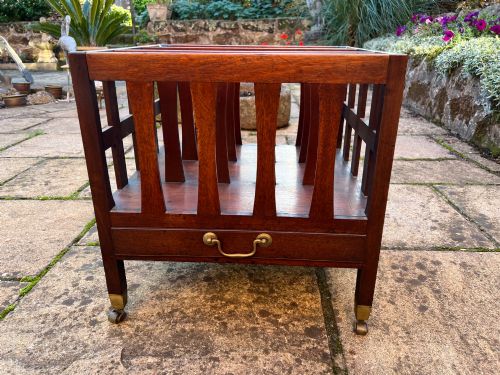
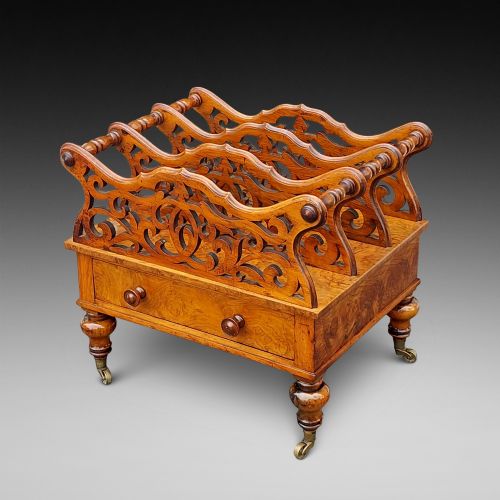
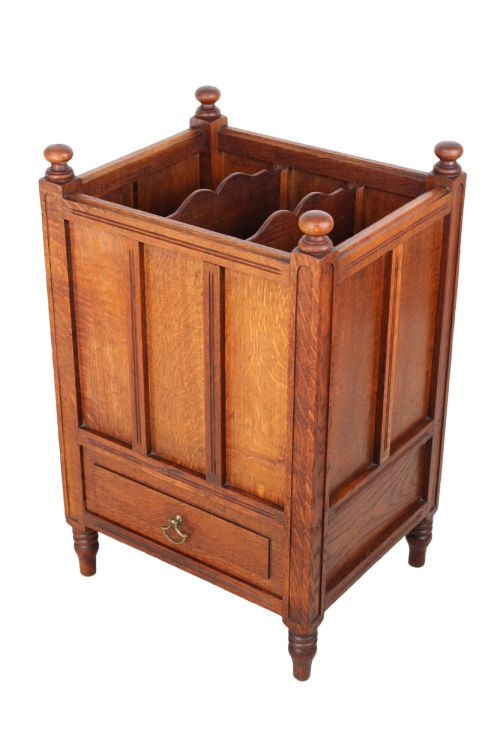
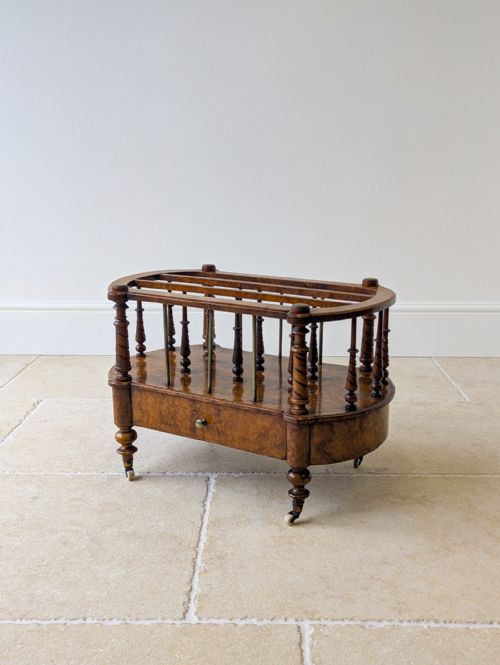
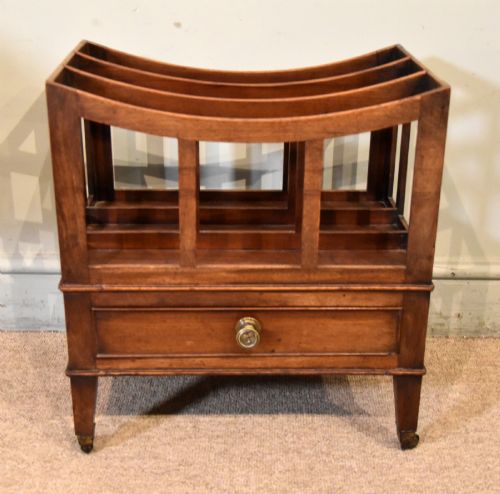
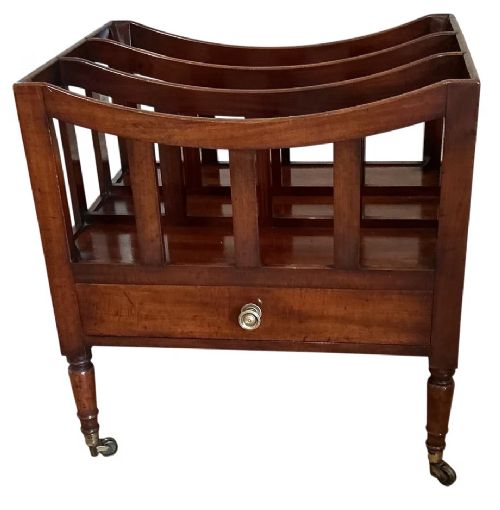
A wooden sheet music rack most commonly appears on this page as a Canterbury, a compartmented stand designed specifically to store folios and scores off the floor. These pieces span the nineteenth century and the Edwardian era, bringing traditional compartmented storage into domestic spaces.
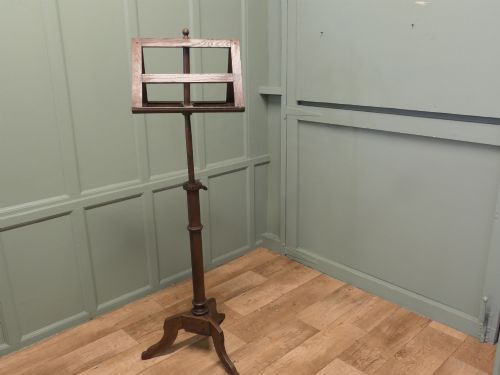
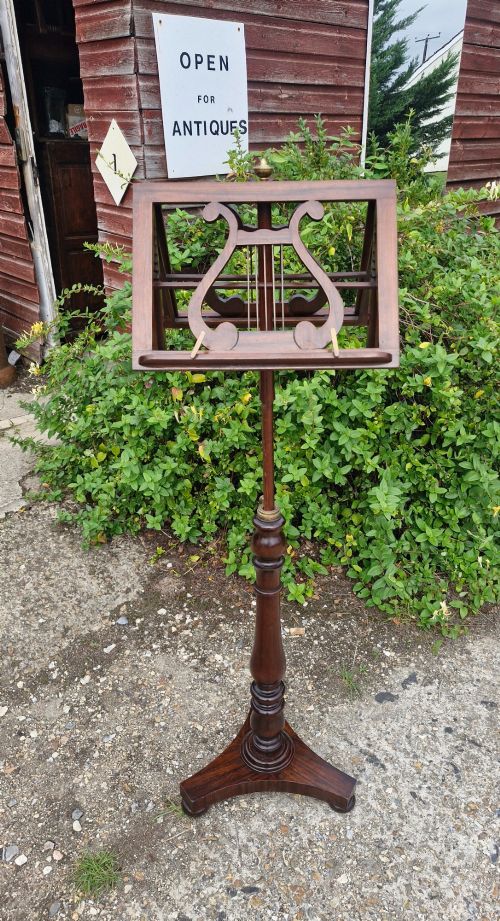
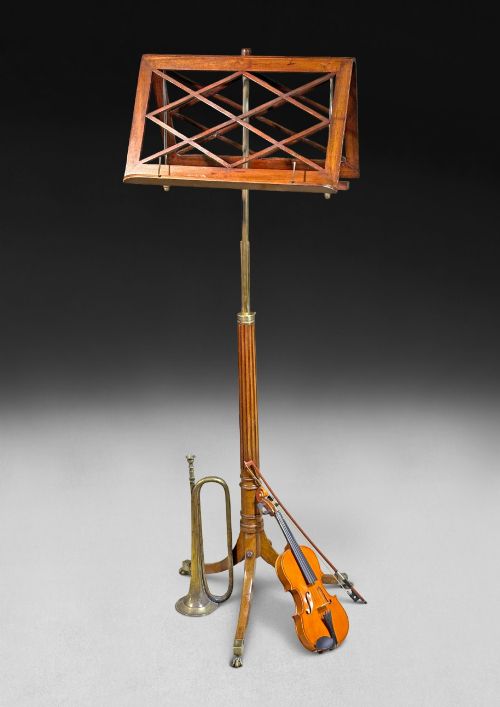
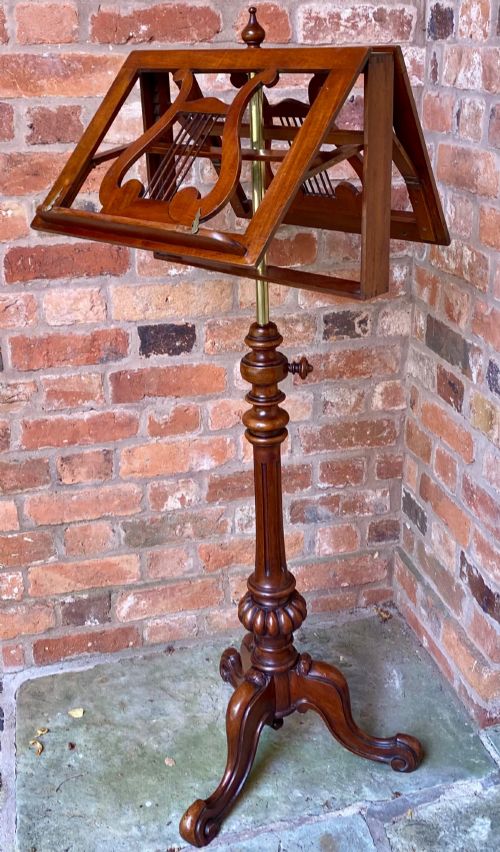
The dominant forms on this page include distinct divisions for sorting sheets, occasionally paired with a carrying handle for mobility. Alongside traditional music canterburys, the listings encompass related magazine racks and music stands serving similar domestic functions.
How they were made
Construction relies heavily on dense timbers such as mahogany and rosewood, alongside oak. Workshops utilised these hard woods to build sturdy slatted divisions and stable bases capable of supporting heavy paper scores.
Metal components also play a structural and decorative role, with brass hardware appearing alongside the primary wooden frames.
Wooden Sheet Music Rack Retail Price Guide 2026
Typical asking prices for wooden sheet music rack among the pieces listed under this phrase on Sellingantiques today, from the lower quarter to the upper quarter. They describe what is for sale here now, not the wider market.
Listings span the nineteenth century and the Edwardian era, featuring mahogany, rosewood, oak, and brass.
What varies in quality
Quality in a wooden sheet music rack rests on timber selection and the refinement of its divisions. Finer examples display richly grained rosewood or figured mahogany, whereas simpler utility pieces utilise plain oak.
The integration of functional elements, such as a secure carrying handle and clean joinery on the slatted partitions, separates standard workshop production from more ambitious furniture.
The Wooden Sheet Music Rack Glossary
- Canterbury
- A low, open-partitioned stand traditionally used for holding music sheets, folios, or loose papers.
- Division
- An individual upright partition within the rack that separates stored sheets or magazines into neat sections.
- Regency
- A design period spanning the early nineteenth century, known for clean classical lines and dark hardwoods.
- Edwardian
- A twentieth-century period characterised by lighter furniture forms and traditional timber construction.
Wooden Sheet Music Rack: Frequently Asked Questions
What is a music canterbury?
A music canterbury is a specialised wooden rack featuring vertical partitions designed to hold sheet music and folios upright.
These pieces keep scores organised and accessible next to a piano or in a music room.
How do I date a wooden rack?
Dating relies on timber choices, stylistic markers, and construction details that align with periods like the nineteenth century or Edwardian era.
Heavier rosewood and mahogany often point to earlier decades, while plainer oak frequently suggests later production.
Can these hold magazines?
Many of these pieces function well for storing contemporary magazines, newspapers, and periodicals alongside original music sheets.
The vertical divisions keep paper goods neat and upright in a living space.
What woods were used?
Cabinetmakers utilised dense hardwoods including mahogany, rosewood, and oak for durability and visual richness.
Brass details frequently appear alongside these primary timbers for hardware and handles.