




Wooden Serving Cart
A wooden serving cart brings practical mobility and period charm to entertaining, moving easily from room to room with drinks or afternoon tea.
Wooden Serving Cart
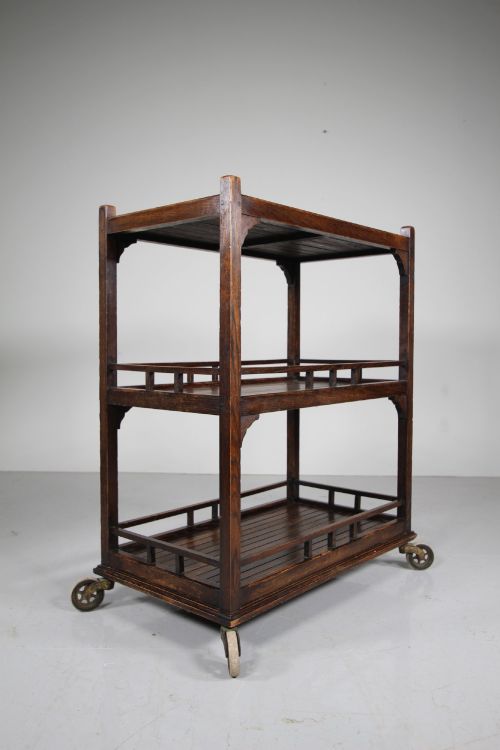
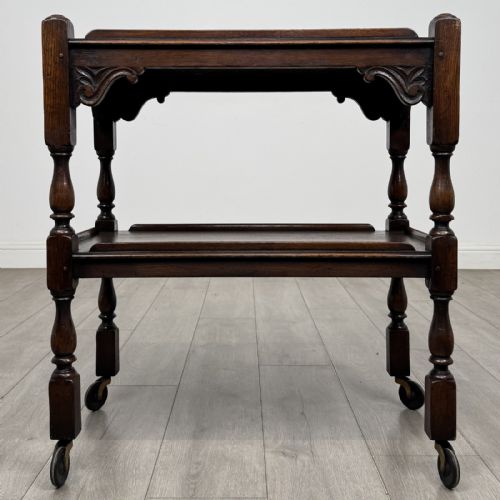
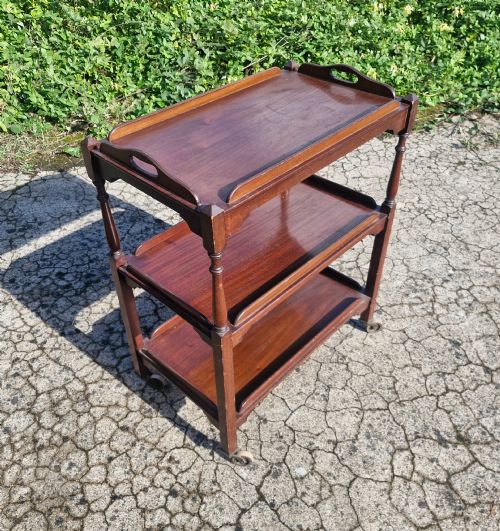
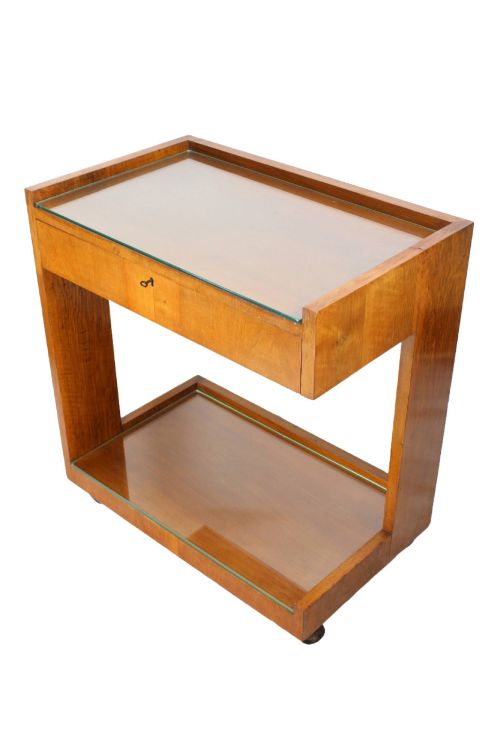
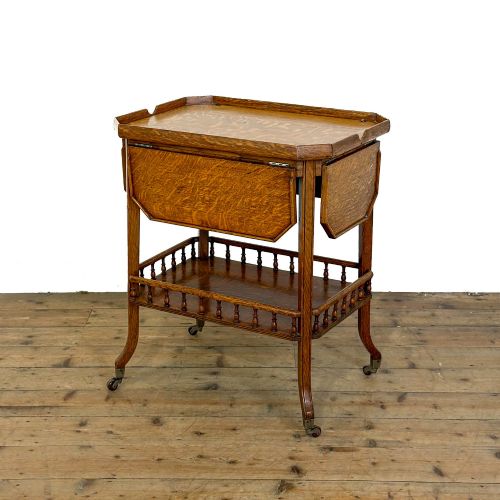
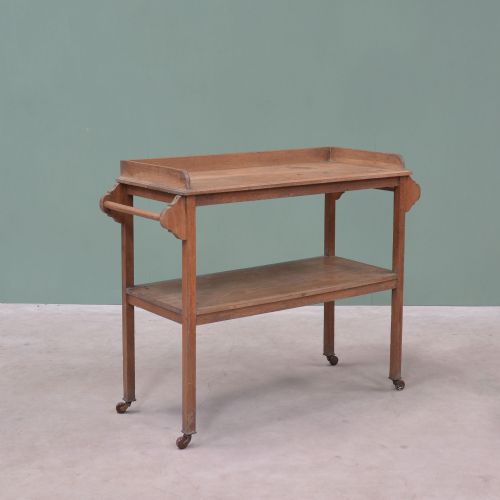
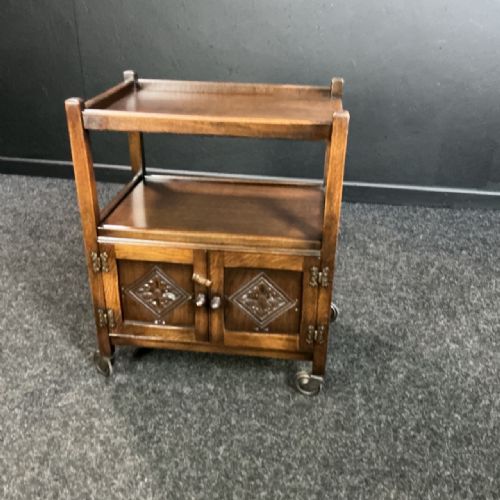
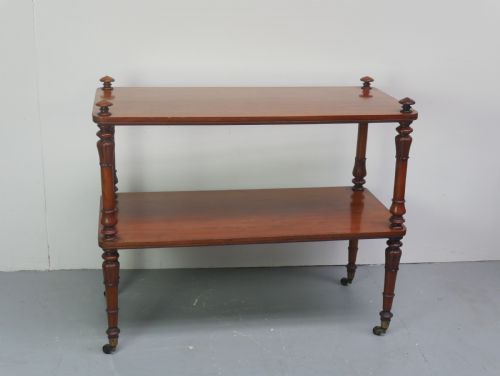
When you search for a wooden serving cart, you encounter practical mobile furniture designed for hospitality across the decades. The selection spans multiple forms including tea trolleys, bar carts, butlers trays on stands, and tiered side tables.
You are most likely to meet oak and mahogany examples originating from the Edwardian period, the 1920s, and the 1930s Art Deco era. These pieces often feature tiered shelving, drop leaves, or removable serving trays intended for easy hosting.
Materials and Construction
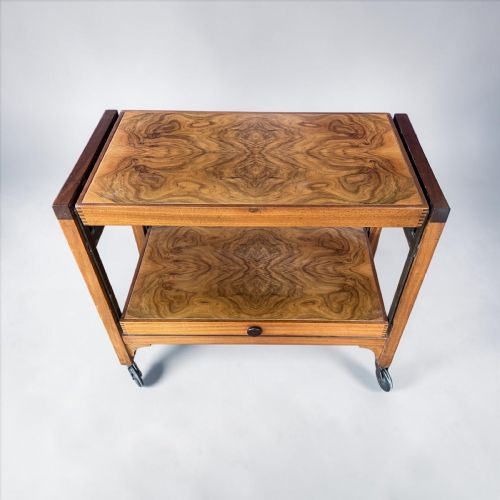
Maker workshops utilised solid hardwoods like oak, mahogany, walnut, and exotic hardwoods alongside beech and ebonised timber. Surfaces often display figured veneer work, geometric inlays, or carved detail.
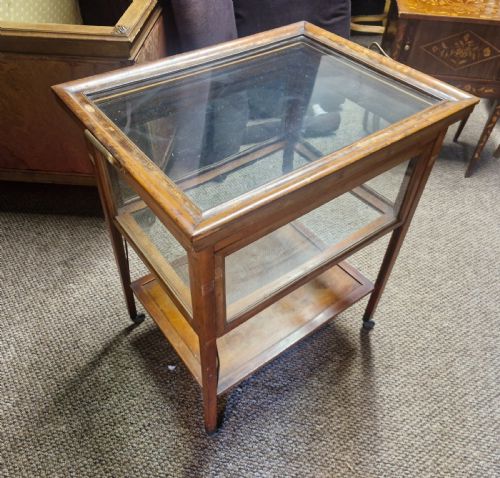
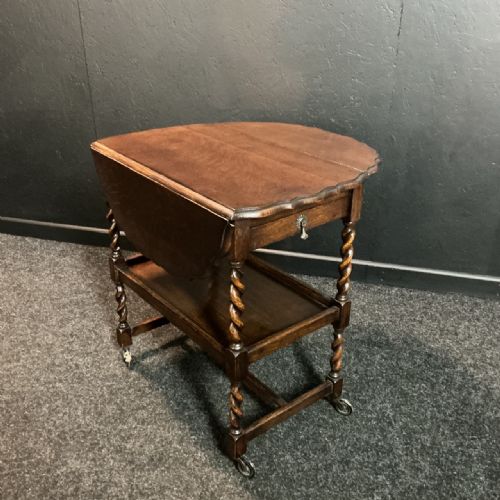
Metal components such as brass fittings, silver-plated galleries, and glass inserts appear frequently alongside wooden castors for rolling mobility. Some specialised pieces incorporate cane binding or folding mechanisms like barley twist supports and drop leaves.
Wooden Serving Cart Retail Price Guide 2026
Typical asking prices for wooden serving cart among the pieces listed under this phrase on Sellingantiques today, from the lower quarter to the upper quarter. They describe what is for sale here now, not the wider market.
Entertaining takes a playful turn with novelty bar ware trays depicting Charlie Chaplin alongside traditional afternoon tea setups.
Judging the Standard
Quality separates through the selection of timber grains, such as figured walnut or rich mahogany, and the crispness of carved elements like barley twist legs. Finer examples display thoughtful proportion, integrated drop-leaf mechanisms, and robust tiered construction.
Hardware details further distinguish the range, from plain wooden wheels to brass castors and silver-plated gallery rails. The presence of maker attribution, such as work by Lusty of Leicester, elevates a piece above standard domestic production.
Lusty of Leicester
The Wooden Serving Cart Glossary
- Tea Trolley
- A mobile wooden table with two or three tiers used for serving tea or refreshments. They often include wheels and drop leaves.
- Bar Cart
- A specialised rolling trolley intended for holding bottles, glassware, and cocktail equipment. Many Art Deco examples adopt circular or novel geometric profiles.
- Butlers Tray
- A removable wooden tray with raised sides that rests upon a folding stand. This allows the top to function independently for carrying items.
- Barley Twist
- A decorative turning technique resembling a twisted rope, commonly found on the vertical supports of Edwardian and 1920s trolleys.
- Etagere
- A set of open shelves for displaying or serving items, frequently utilised in late Victorian and Edwardian portable trolley designs.
Wooden Serving Cart: Frequently Asked Questions
What is a wooden serving cart used for?
These pieces function primarily as mobile surfaces for serving afternoon tea, holding drinks, or transporting food between rooms. Many include removable trays or drop leaves to expand the surface area when entertaining.
Historically, they removed the need for constant trips to the kitchen during social gatherings. Today, they serve a similar practical purpose while adding distinct period character to a dining room or sitting room.
How do I identify an Edwardian tea trolley?
Edwardian examples commonly feature lighter timbers such as oak or inlaid mahogany, often paired with traditional turning like barley twist uprights. They frequently present two tiers and move on small wooden or brass castors.
These pieces typically date from the early twentieth century and prioritise domestic comfort and functional hospitality. Their proportions suit smaller sitting rooms of the period.
What defines an Art Deco bar cart?
Art Deco carts from the 1930s lean into geometric forms, featuring circular walnut tiers, figured veneers, and streamlined silhouettes. They reflect the changing social habits of the interwar period towards cocktail culture.
You will often notice polished wood surfaces paired with metal trim or glass inserts. These designs feel more theatrical and modern compared to earlier revival styles.
Are the trays on these trolleys removable?
Many listings feature a lift-off tray or a butlers tray resting on a separate stand, allowing the top surface to double as a serving tray. This dual functionality made them particularly versatile for domestic service.
When inspecting a piece, check whether the upper surface lifts clear of its frame. Fixed two-tier models remain equally common for permanent shelf storage.