





Vintage Tea Cart
A vintage tea cart brings mobile hospitality into the modern home, offering tiered tiers and wheels for effortless serving.
Vintage Tea Cart
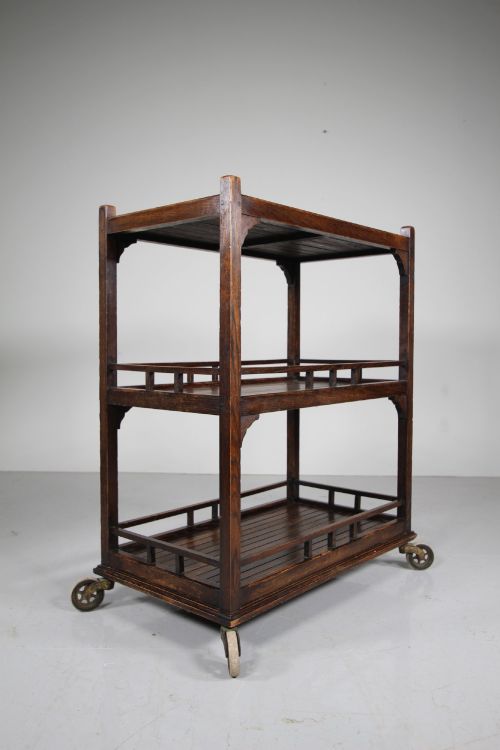
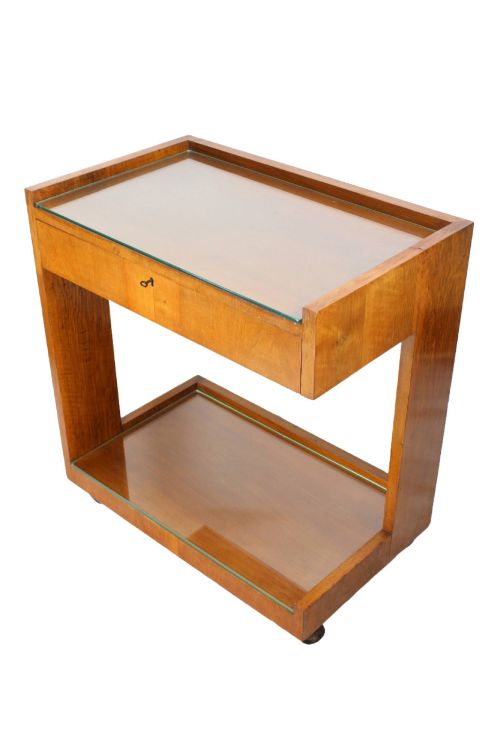
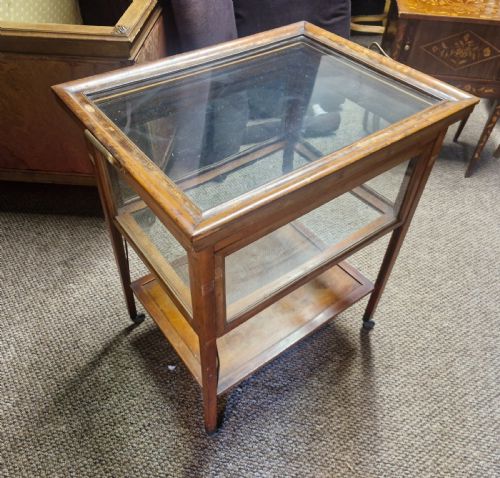
When searching for a vintage tea cart, buyers encounter mobile serving furniture designed to transport refreshments from room to room. These pieces range from early twentieth-century wooden designs with drop sides to streamlined mid-century metal and glass iterations.
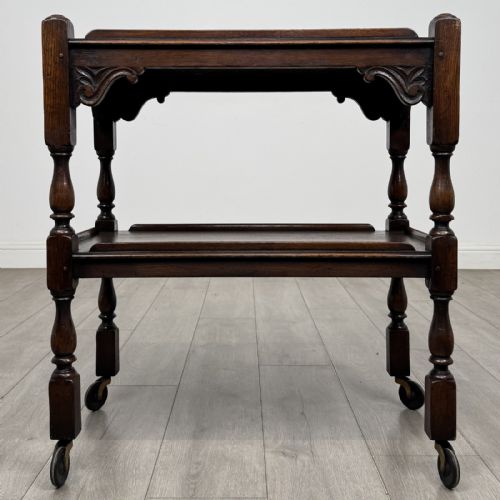
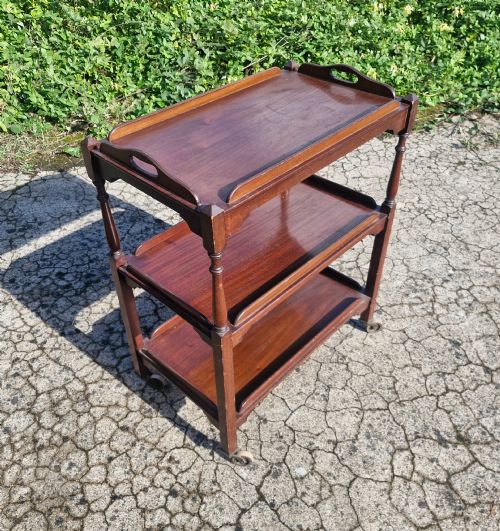
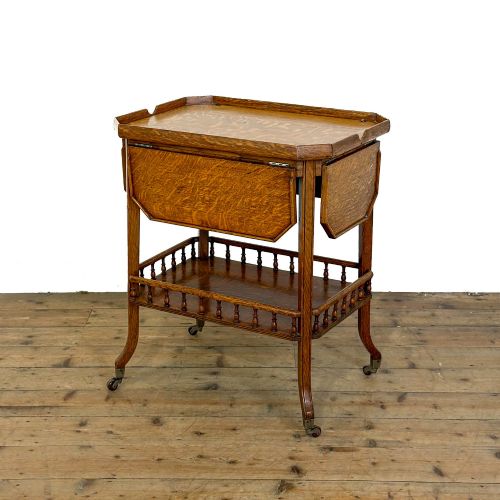
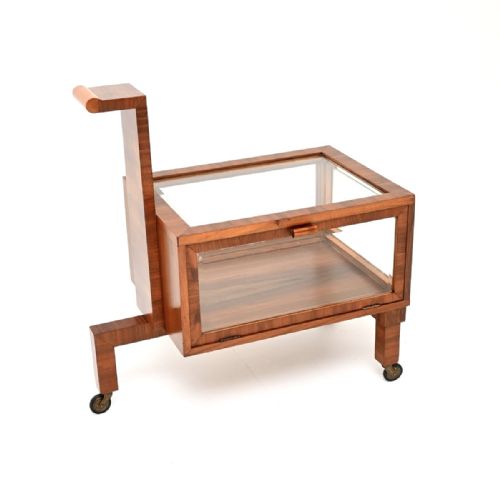
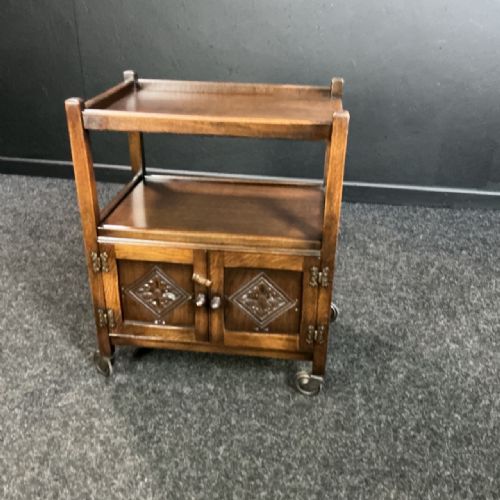
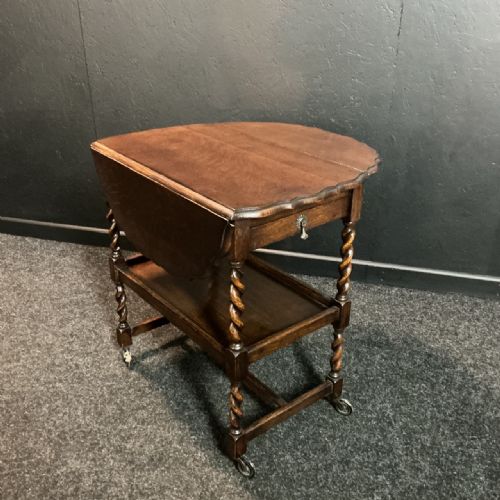
Oak, mahogany, and walnut examples frequently appear, often featuring two or three tiers for storage and display. Edwardian models lean towards traditional turned wood and barley twist legs, while Art Deco pieces introduce circular walnut frames and chrome structures.
Alternative forms include etageres, butler trolleys, and bar carts equipped with removable trays. Originating from periods spanning the Victorian era through the mid-century, these items combine practical mobility with period charm.
What varies in quality
Superior examples distinguish themselves through the selection of cabinet timbers, where figured walnut or richly grained mahogany elevates the overall presence of the piece. Finely turned woodwork, such as crisp barley twist legs or precise inlay, separates standard utility items from finer parlour furniture.
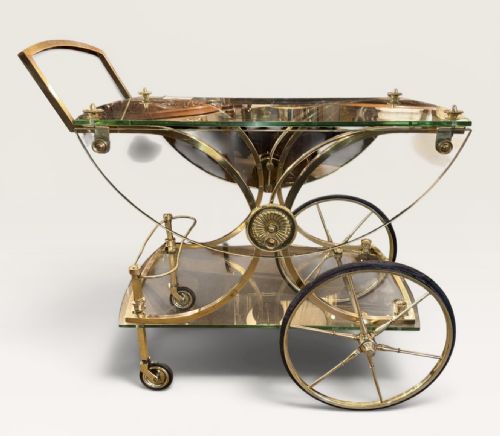
The integration of functional elements also defines the upper tier of quality, seen in smoothly operating drop sides, secure removable trays, and sturdy wheel mountings. Material combinations involving heavy brass frameworks, silver plate, or specialist coverings like goatskin denote higher-status commissions.
Vintage Tea Cart Retail Price Guide 2026
Typical asking prices for vintage tea cart among the pieces listed under this phrase on Sellingantiques today, from the lower quarter to the upper quarter. They describe what is for sale here now, not the wider market.
Listings feature pieces spanning from the late Victorian period through the Edwardian era and into mid-century modern design.
Maison Bagues·Lusty of Leicester·Aldo Tura
The Vintage Tea Cart Glossary
- Tiered trolley
- A mobile serving cart featuring two or more horizontal levels for holding glasses, bottles, and dishes. These levels maximise surface area while maintaining a compact footprint.
- Etagere
- An open shelving unit or trolley designed for the display of ornaments, tea services, or drinks. It typically incorporates multiple open tiers supported by slender columns.
- Barley twist
- A decorative turning style resembling a rope wound tightly around a cylinder. This technique appears frequently on the wooden legs of Edwardian and Jacobean Revival tea trolleys.
- Drop side
- A hinged leaf attached to the main surface of a table or trolley that can be raised to extend the tabletop or lowered when space is restricted.
- Gallery tray
- A serving tray fitted with a raised raised rim or railing around its perimeter. This edge prevents items from sliding off during transit.
Vintage Tea Cart: Frequently Asked Questions
How were tea carts used originally?
In period households, staff or family members used these trolleys to wheel afternoon tea, cakes, or after-dinner drinks from the kitchen into the drawing room or parlour.
The drop leaves provided extra surface area for teapots and cups, while removable trays allowed servants to transfer the service directly to a table without moving the entire cart.
Are these trolleys suitable for modern drinks bars?
Many buyers repurpose these pieces as permanent home cocktail stations or mobile drinks bars.
Their multi-tiered structure easily accommodates bottles, glassware, and barware, while the wheels allow the cart to be positioned conveniently during gatherings.
How do I identify an Edwardian tea trolley?
Edwardian examples typically feature solid oak or mahogany construction with traditional details such as turned wooden legs, gallery rails, and sometimes folding or drop-down top mechanisms.
They emphasise craftsmanship and warm wood tones rather than the metallic shine associated with later decades.
What is the difference between an Art Deco and a Victorian trolley?
Victorian and Georgian style trolleys rely on dark, heavy timbers, carved details, and formal proportions intended for traditional domestic service. In contrast, Art Deco models embrace geometric shapes, circular walnut frames, chrome plating, and black glass surfaces.
Art Deco pieces reflect a more streamlined, modern aesthetic popular in the interwar years.