




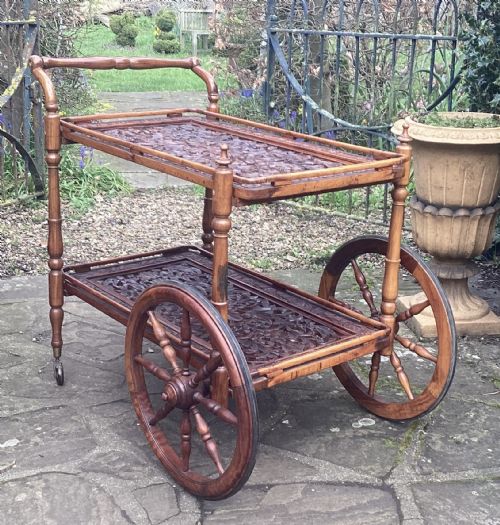


Two Tier Tea Cart
A two tier tea cart is a mobile server built for afternoon service, offering portable tiers to make entertaining effortless.
Two Tier Tea Cart
When you search for a two tier tea cart, you encounter versatile mobile servers designed for entertaining across multiple levels. The selection spans traditional iterations like Edwardian and Victorian styles down to modernist iterations.
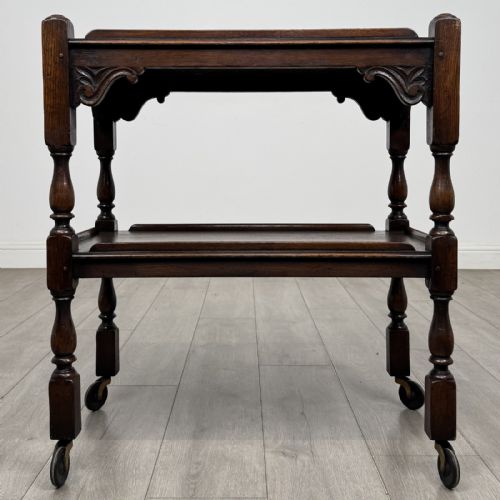
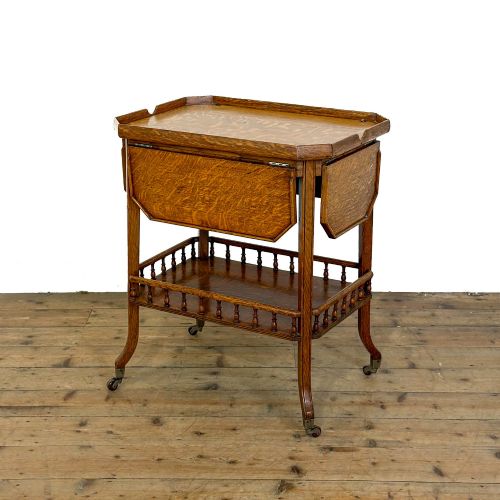
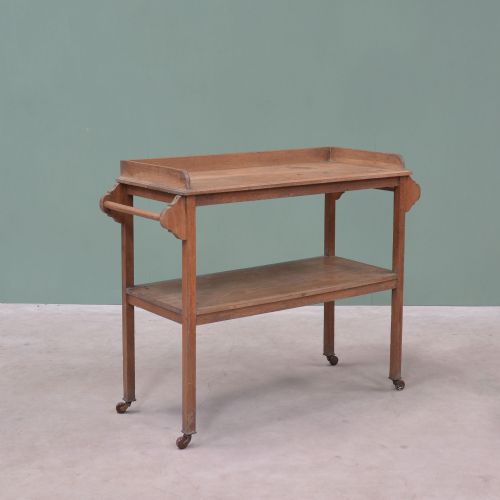
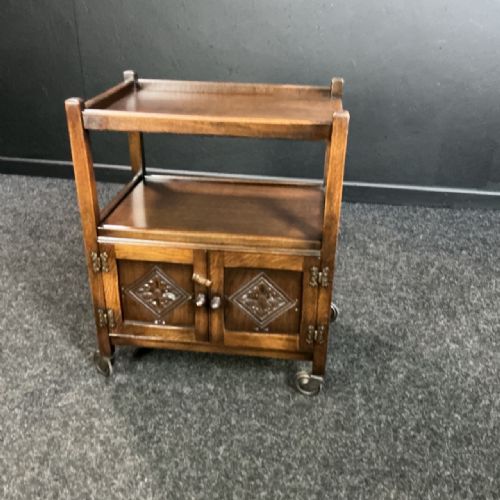
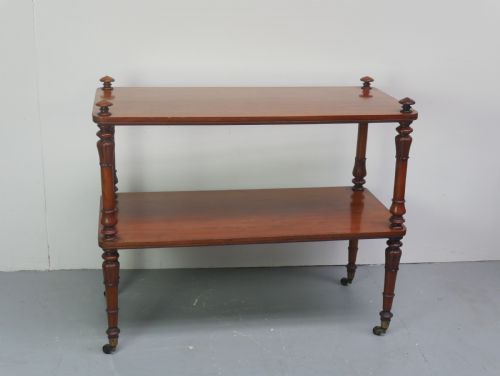
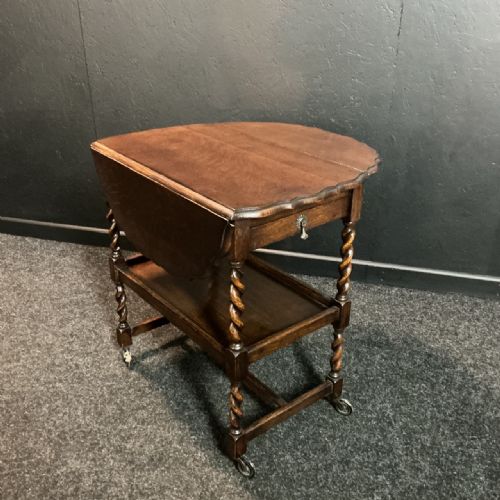
You are most likely to meet oak and mahogany examples from the Edwardian period and nineteen-twenties on this page. These frequently incorporate folding tops, dropleaves or lift-off trays alongside standard lower shelves.
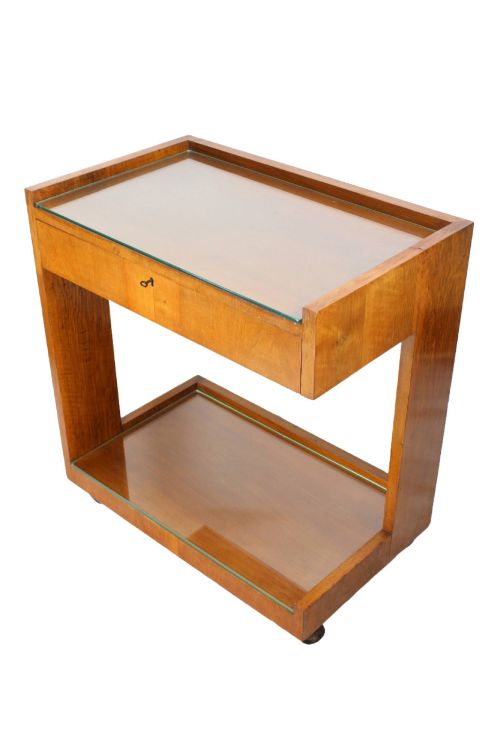
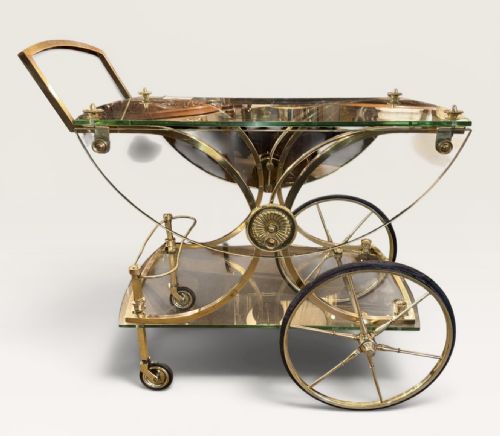
Alongside timber builds, the inventory includes twentieth-century interpretations in chrome, brass, aluminium and glass. These span Art Deco, mid-century and French mid-century aesthetics, functioning as bar carts and drinks trolleys.
How They Were Made
Cabinetmakers constructed the wooden pieces using oak, mahogany and walnut, frequently employing turned legs, barley twist supports and inlaid veneers. Some examples incorporate cane binding, faux bamboo or carved hardwood details.
Twentieth-century modernist versions utilise tubular chrome, brass and aluminium frameworks paired with glass, mirror or black glass inserts. Wheeled mobility is provided by castors fitted beneath the legs or supports.
Two Tier Tea Cart Retail Price Guide 2026
Typical asking prices for two tier tea cart among the pieces listed under this phrase on Sellingantiques today, from the lower quarter to the upper quarter. They describe what is for sale here now, not the wider market.
Some tea carts double as card tables, neatly concealing a baize-lined surface beneath the serving tier for impromptu games.
What Varies in Quality
The sophistication of the timber work and the integrity of the joinery set finer examples apart from simpler utility models. Finely figured mahogany or walnut veneers, precise inlays and well-turned barley twist supports indicate superior production.
In metal and glass pieces, the weight of the frame, the solidity of the chrome or brass plating and the thickness of the mirror or glass tiers define the standard of execution. Smooth mobility through well-engineered castors also marks out a superior build.
Lusty of Leicester·Aldo Tura·Maison Bagues·Maison Jansen
The Two Tier Tea Cart Glossary
- Dropleaf
- A table or trolley top with hinged flaps that fold down when not in use. This mechanism allows the surface area to expand quickly for serving.
- Barley twist
- A carved wooden furniture leg resembling a spiral or twisted rope. This decorative turning is frequently seen on Edwardian and nineteen-twenties oak trolleys.
- Metamorphic
- A piece of furniture designed to transform into another form, such as a trolley converting into a card table. This dual functionality is achieved through folding or rotating mechanisms.
- Hostess trolley
- An alternative term for a serving cart or drinks trolley used during entertaining. These units provide mobile shelving for bottles, glassware and tea services.
Two Tier Tea Cart: Frequently Asked Questions
How were tea carts used?
They were used historically to wheel afternoon tea or after-dinner drinks from the kitchen to the parlour or drawing room. This allowed hosts to serve guests without constantly carrying heavy trays by hand.
Later designs evolved into dedicated bar carts and drinks trolleys for cocktail service during the twentieth century.
How do I identify an Edwardian tea trolley?
Edwardian tea trolleys are typically constructed from oak or mahogany and frequently feature turned legs or barley twist supports. Many include clever folding mechanisms, dropleaves or lift-off top trays.
They rely on traditional timber framing rather than the metallic frames seen in later twentieth-century designs.
What materials are Art Deco bar carts made from?
Art Deco bar carts and trolleys frequently combine chrome, brass or aluminium with glass, mirror panels or black glass inserts. Walnut and other polished hardwoods also appear within this modernist design tradition.
These materials create the reflective surfaces and clean geometric lines characteristic of the period.