



Wooden Secret Box
A wooden secret box is a cunning container designed to conceal personal valuables, and choosing one brings historical craftsmanship directly into daily modern life.
Wooden Secret Box
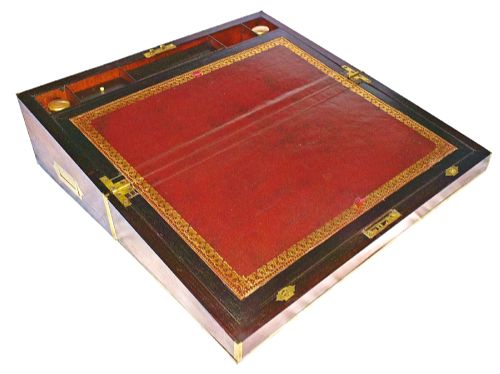
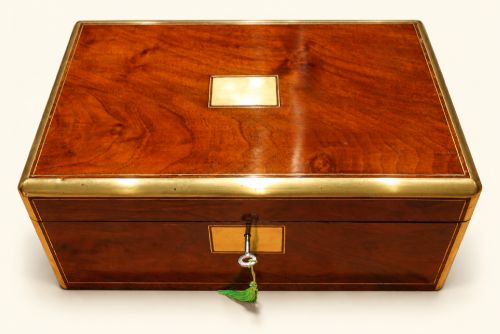
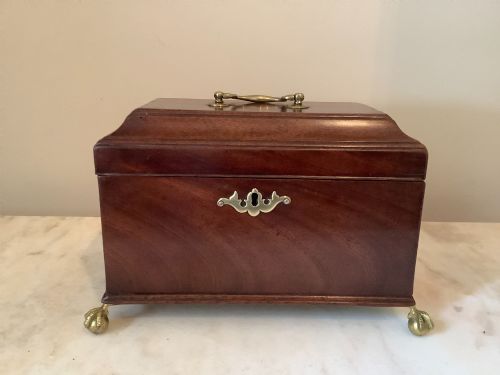
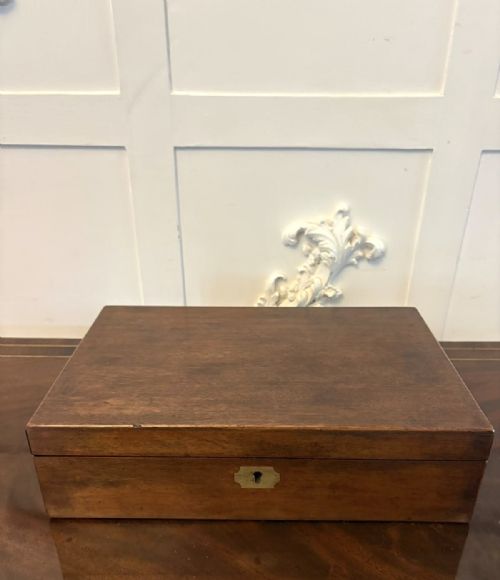
When you search for a wooden secret box, you encounter pieces engineered to conceal valuables through hidden compartments, puzzle mechanisms, and internal drawers. The selection spans distinct forms, including writing slopes, tea caddies, miniature apprentice chests, blanket boxes, and book-form safes.
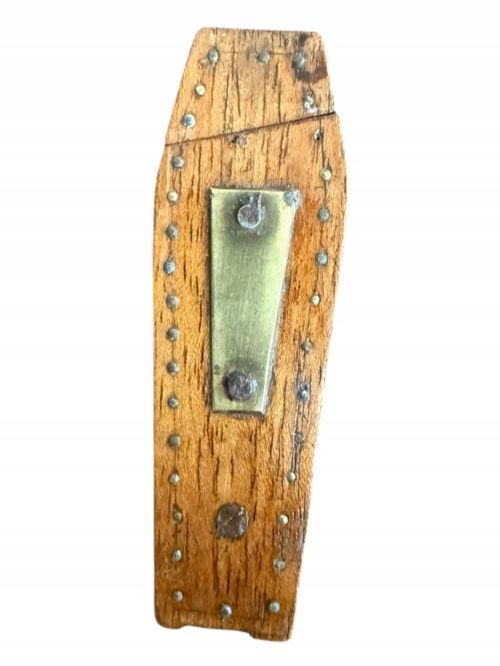
Beyond writing furniture, the evidence reveals smaller domestic containers like snuff coffins, tea caddies with hidden drawers, and decorative puzzle boxes designed for coins. Later examples stretch into the twentieth century, taking the guise of Art Deco and Art Nouveau book safes.
How they were made
Cabinet makers utilised dense hardwoods such as mahogany, walnut, rosewood, oak, and coromandel to construct the primary carcase of each box. These timbers were selected for their durability and grain pattern, often enhanced through decorative veneers like figured or burr walnut.
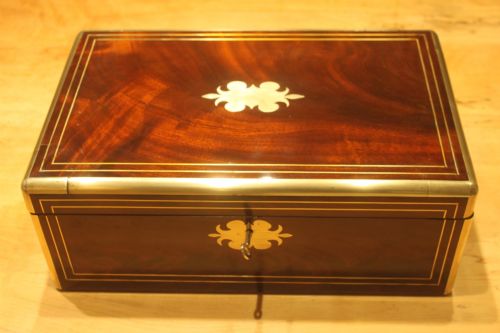
Metal components played a structural and security role, with brass inlay, corner straps, and binding reinforcing the wooden joints. Locks by makers such as Bramah and internal spring-loaded mechanisms were integrated to secure the concealed compartments from casual discovery.
Wooden Secret Box Retail Price Guide 2026
Typical asking prices for wooden secret box among the pieces listed under this phrase on Sellingantiques today, from the lower quarter to the upper quarter. They describe what is for sale here now, not the wider market.
Listings feature mahogany, walnut, rosewood, oak, and coromandel woods alongside brass hardware.
What varies in quality
Quality rests in the precision of the joinery and the ingenuity of the concealment mechanism. Superior examples feature secret drawers that slide shut with flush exactness, requiring a precise sequence of hidden releases rather than simple gravity to open.
The choice of exterior timber and secondary materials dictates the tier of the piece. Finely figured rosewood, burr walnut, and robust brass bound edges elevate a writing slope or desk box far above plain utility versions made from basic woods.
George Austin of Dublin
The Wooden Secret Box Glossary
- Writing slope
- A portable desktop box with a hinged sloping lid designed for correspondence, featuring an interior fitted with pen trays, inkwells, and secret compartments beneath the writing surface.
- Bramah lock
- A high-security barrel lock patented in the eighteenth century, known for its cylindrical key and exceptional pick resistance on quality boxes.
- Campaign style
- Furniture and boxes constructed for military transport, typically featuring brass protective corners, flush-fitting handles, and robust timbers.
- Puzzle box
- A container requiring a specific sequence of slides, pushes, or hidden buttons to release the lid or reveal an internal compartment.
Wooden Secret Box: Frequently Asked Questions
How do I open a secret drawer?
Many hidden compartments require releasing a spring mechanism, removing a false floor, or pressing internal pins in a specific sequence. Examining the interior geometry often reveals slight gaps where panels slide.
If a drawer refuses to move, check for accumulated dust or wood expansion caused by humidity rather than forcing the timber. Patience and gentle pressure preserve the original internal joinery.
What were writing slopes used for?
These portable desks allowed individuals to write letters, store stationery, and keep private documents secure while travelling or moving between rooms in a large house. The slanted lid provided an ergonomic surface for handwriting.
Inside, compartments held ink bottles, nibs, sealing wax, and postage stamps alongside personal correspondence kept away from prying eyes.
How do I tell Georgian from Victorian boxes?
Georgian boxes typically display simpler, cleaner lines with linear brass stringing and lighter mahogany or rosewood surfaces. Their internal fittings focus on practical stationery storage without excessive ornamentation.
Victorian examples frequently embrace heavier proportions, featuring extensive brass binding, figured walnut veneers, and complex locking systems associated with industrial manufacturing advances.
Are book-form safes Victorian or later?
Book safes disguised as leather-bound or carved wooden volumes appear across the late nineteenth century and into the Edwardian and Art Deco periods. They were designed to sit unobserved on library shelves.
Art Deco versions often incorporate Odeon styling and streamlined wooden facades, marking a distinct shift away from traditional Victorian revival aesthetics.