

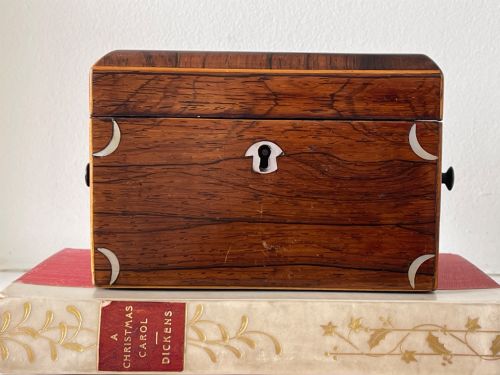
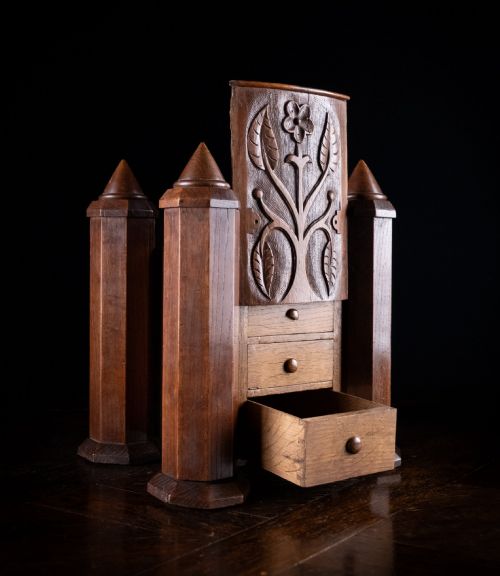
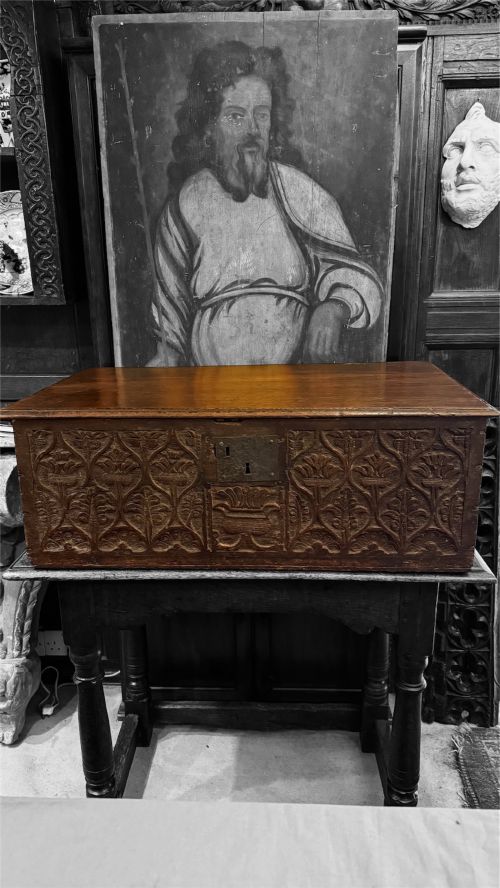


Small Wooden Casket
These small wooden caskets are sturdy little repositories of daily life, offering both modest utility and handsome craftsmanship from centuries past.
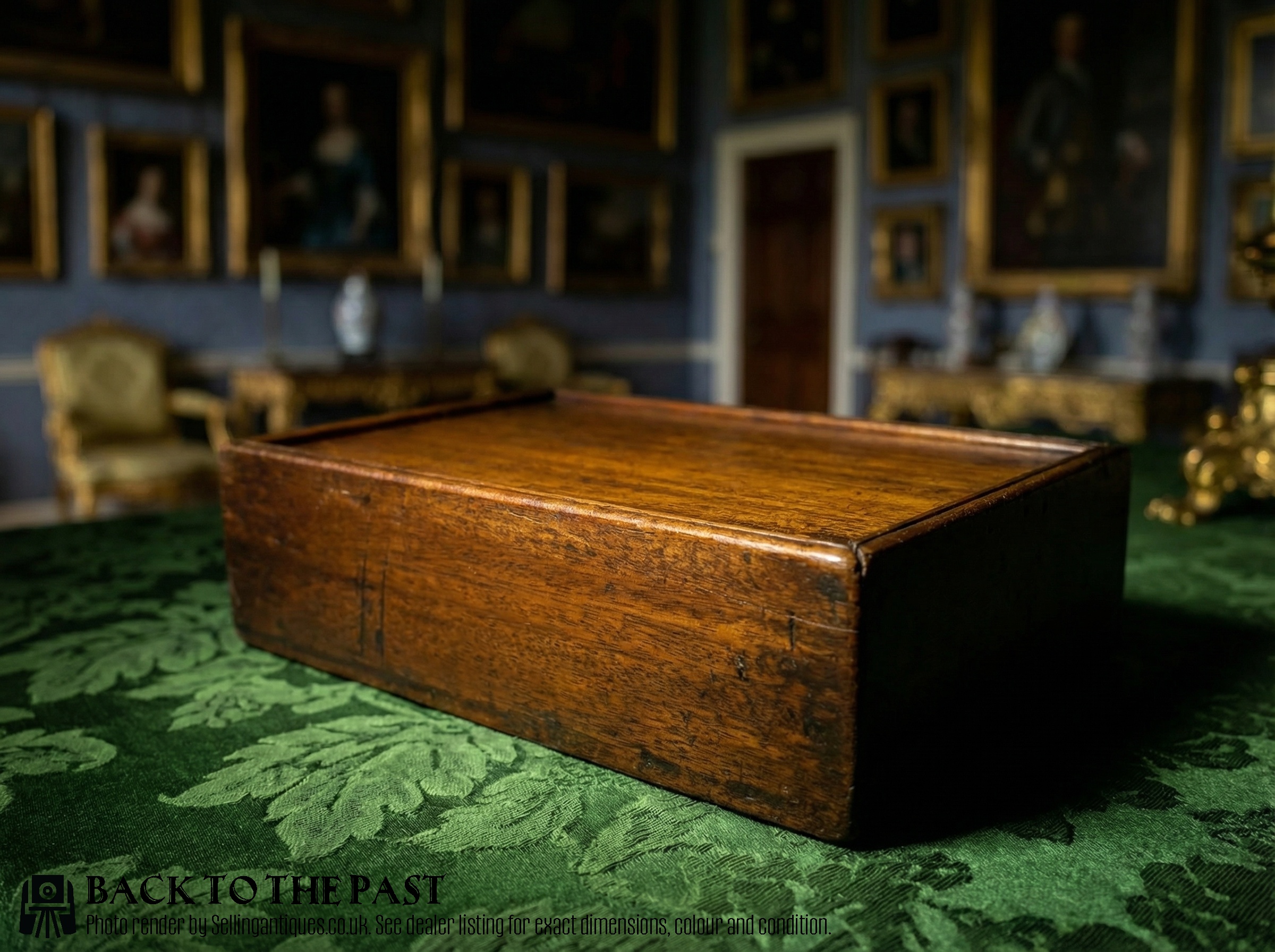
Small Wooden Casket
When you search for a small wooden casket, you encounter a remarkably varied group of personal containers fashioned for storage, travel, and desk organisation. These pieces span centuries of cabinet-making, appearing in forms such as document Bible boxes, deed boxes, and tabletop storage cases.
The versions most commonly met on this page range from robust seventeenth-century English oak examples to nineteenth-century continental display cases and regional folk art pieces. They serve as intimate receptacles for keepsakes, letters, and valuables, designed to sit securely upon a table or chest.
Originating from diverse traditions including British, French, Scandinavian, and Spanish workshops, these containers display a fascinating range of regional vernacular styles. Whether plain and utilitarian or intricately carved, each small wooden casket reflects the domestic habits and material culture of its era.
Materials and construction
Makers relied upon locally available timbers such as oak, walnut, mahogany, and chestnut, selecting each board for its durability and grain pattern. Construction frequently involved solid wood boards joined securely, occasionally enhanced with applied mouldings or chip carving.
Metalwork played a crucial structural and decorative role, with iron and brass mounts, hinges, and locks fitted to protect the contents. Decorative techniques varied widely, encompassing painted Scandinavian folk designs, Gothic wood carving, and delicate marquetry or inlay.
Small Wooden Casket Retail Price Guide 2026
Typical asking prices for small wooden casket among the pieces listed under this phrase on Sellingantiques today, from the lower quarter to the upper quarter. They describe what is for sale here now, not the wider market.
Some miniature boxes hide cunning spring locking mechanisms designed to outsmart curious fingers.
Quality and craftsmanship
Quality in a small wooden casket rests primarily upon the integrity of the timber selection and the precision of the joinery. Finer pieces demonstrate careful hand-cut joints and well-fitted lids that close true without warping.
The sophistication of the hardware and surface decoration further distinguishes finer examples from everyday utilitarian boxes. Original working locks, hand-forged or cast brass mounts, and well-preserved surface finishes elevate a piece significantly.
The Small Wooden Casket Glossary
- Bible box
- A small sloped or flat-topped chest originally designed to store a family Bible and important household documents. These pieces date frequently to the seventeenth century and feature sturdy oak construction.
- Deed box
- A secure lidded container built to hold legal papers, land indentures, and valuable certificates. They often incorporate robust iron or brass locking mechanisms for security.
- Chip carving
- A decorative technique where small chips are removed from the surface of the wood to create geometric or floral patterns. This method appears frequently on regional and folk art boxes.
- Table box
- A compact storage container designed to rest permanently on a table or desk surface for easy access to stationery or trinkets. They often feature fitted interiors for small items.
- Kingwood
- A dense, exotic timber with rich figuring utilised in fine nineteenth-century cabinet-making. It frequently appears as a decorative veneer on display boxes.
Small Wooden Casket: Frequently Asked Questions
What were small wooden caskets used for?
These containers served as secure, portable places to store precious documents, money, letters, and personal valuables before the widespread use of built-in furniture storage.
People kept them close at hand in domestic or office settings to protect important papers from damp, dust, and prying eyes.
How do I date a wooden box?
Dating relies upon observing the timber species, construction methods, and hardware style used in the piece. Hand-cut joinery and heavy oak point to earlier centuries, while exotic veneers and machine-made screws suggest later periods.
Stylistic cues such as Gothic carving or painted folk art also help narrow down the likely decade of manufacture.
Are the locks usually original?
Many boxes retain their original iron or brass locks, though keys are frequently absent due to the passage of centuries. Replacement locks or minor repairs are common in pieces of this age.
Examining the interior wood around the lock plate reveals whether the mechanism has been altered or replaced over time.
How should I care for an antique box?
Keep wooden caskets away from direct sunlight and sudden changes in temperature to prevent the timber from drying out or splitting. A light application of appropriate furniture wax helps nourish the old wood.
Avoid placing them in damp areas, as moisture damages both the historic timber and any internal fabric linings.