


Wooden Sarcophagus Box
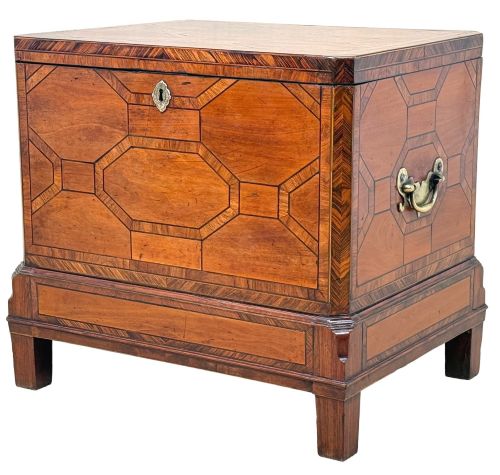
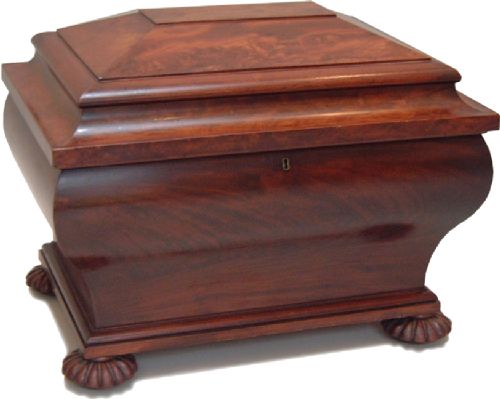
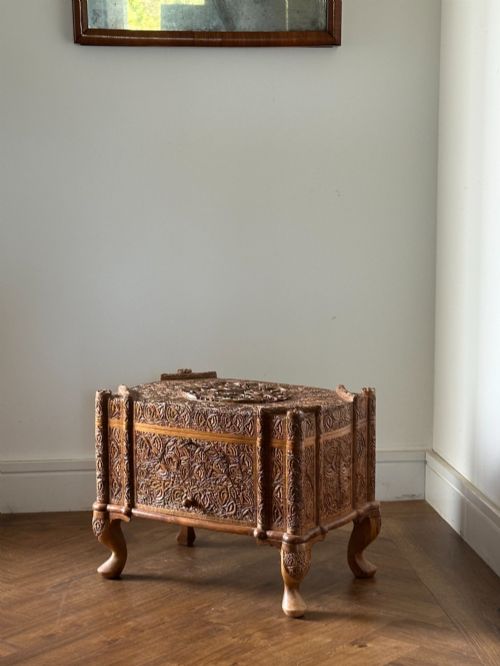
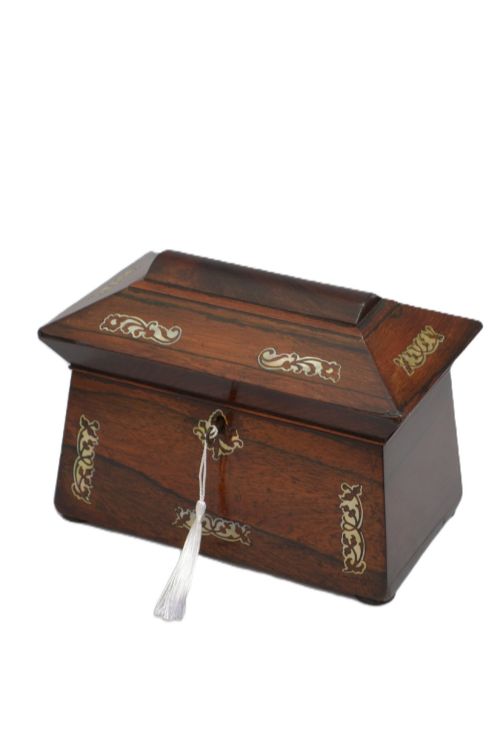
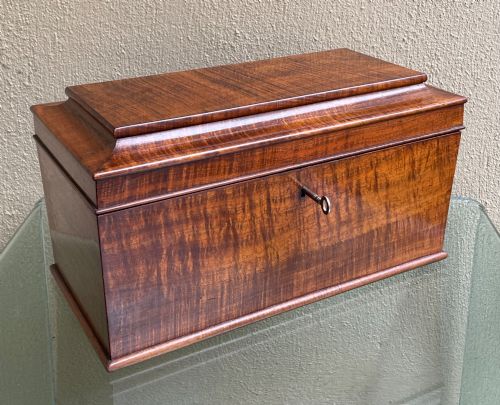
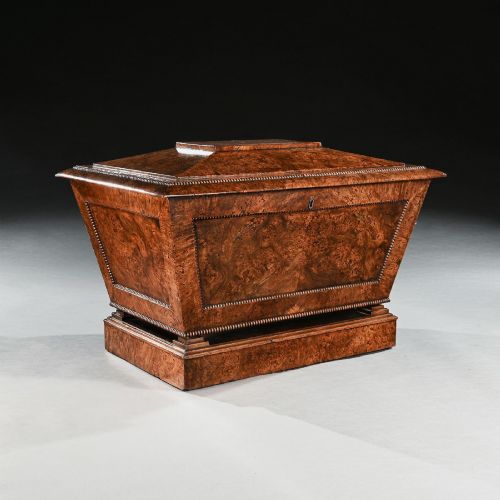
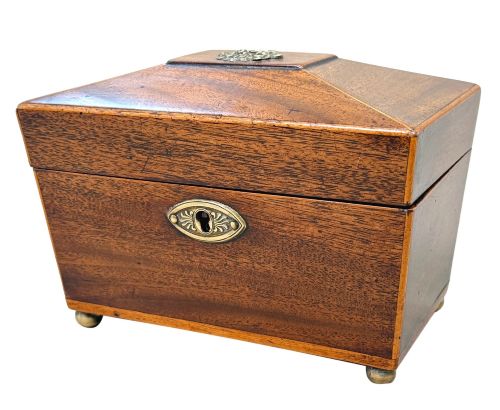
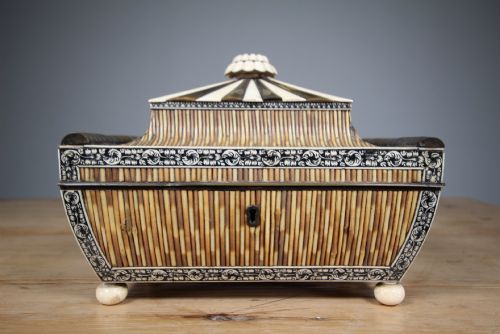
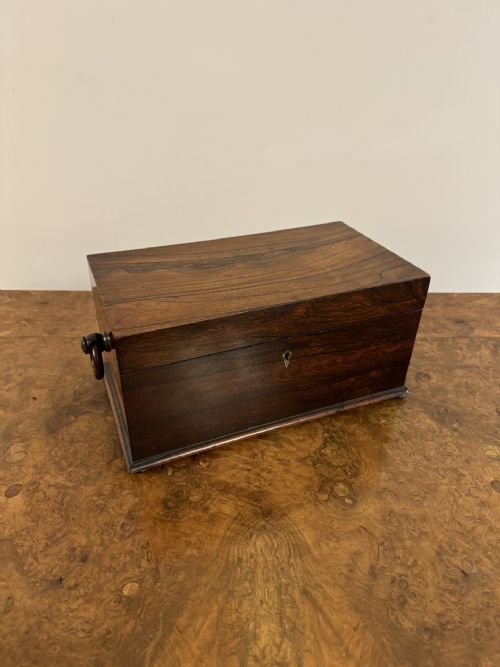
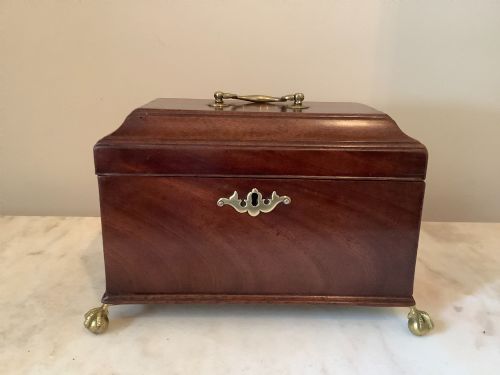
A wooden sarcophagus box takes the distinctive tapered form of a monumental tomb to store tea, wine, or valuables on a table.
Wooden Sarcophagus Box
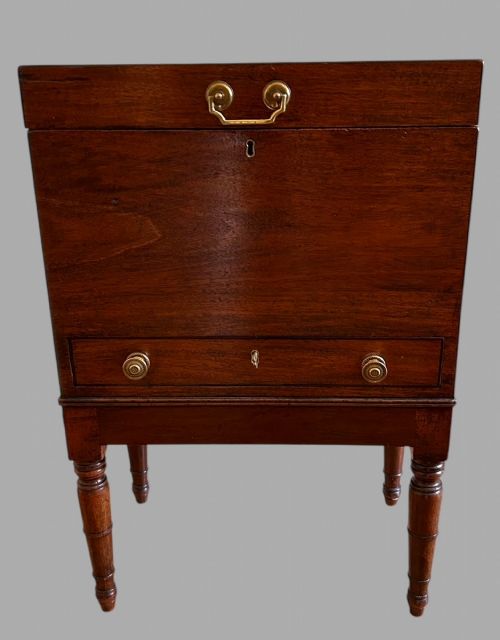
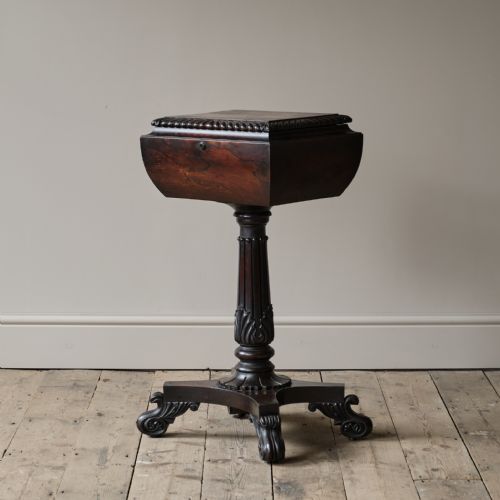
A wooden sarcophagus box groups together distinctive lidded containers shaped like classical tombs, originating across the Georgian, Regency, and Victorian periods. Buyers exploring this category encounter tea caddies, cellarettes, wine coolers, and jewellery boxes constructed with angled sides and stepped lids.
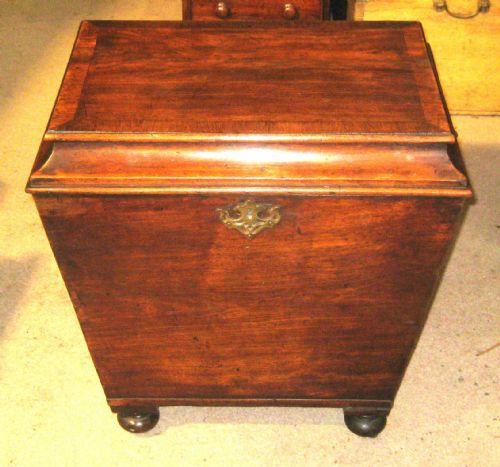
The version most frequently met on this page is the tea caddy or wine cooler rendered in mahogany or rosewood, often standing on bun feet or bracket feet. These domestic containers served practical purposes for holding provisions or valuables while displaying cabinet-maker artistry in reception rooms.
How they were made
Cabinet-makers built these boxes using solid timbers and veneers of mahogany, rosewood, burr yew, and satinwood over supportive carcases. Craftspeople incorporated brass stringing, mother-of-pearl inlay, tortoiseshell, and boxwood details to decorate the exterior surfaces.
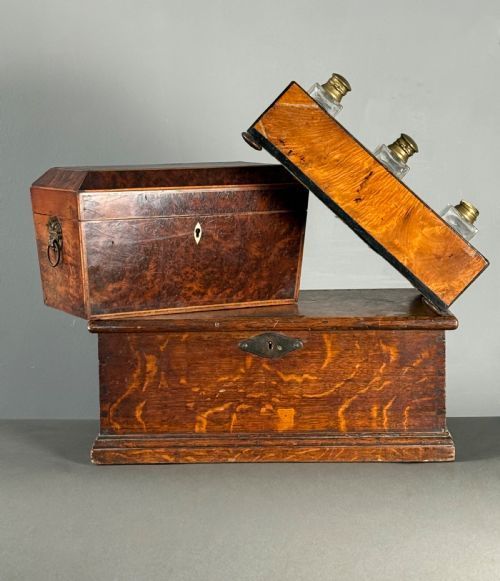
Interiors often reveal fitted compartments lined with velvet, silk, or foil, alongside lead linings in wine coolers and concealed secret drawers. Structural joints relied on fine dovetailing to ensure stability across the expanding and contracting timber.
Object forms span tea caddies, cellarettes, wine coolers, and jewellery boxes with sarcophagus silhouettes.
What varies in quality
Quality separates objects by the selection of figured timber veneers, such as flame mahogany or pollard oak, and the precision of brass inlay work. Superior examples retain original working locks, escutcheons, interior mixing bowls, and lead liners without later alterations.
The crispness of carved details, including lion mask handles or bracket feet, distinguishes high workshop output from simpler production. Surface patina and depth of polish reflect the care taken during initial construction and subsequent preservation.
Henry Hollamby
The Wooden Sarcophagus Box Glossary
- Sarcophagus form
- A container design featuring convex or concave sloped sides tapering toward a flat top, mimicking classical stone coffins. This silhouette became popular for luxury storage boxes during the Regency era.
- Cellarette
- A lockable container designed to hold bottles of wine or spirits near the dining table. These pieces frequently incorporate lead linings and heavy carrying handles.
- Teapoy
- A small stand or large table-top box supported on a central pillar or feet, intended for storing multiple varieties of tea. They often contain internal canisters and a mixing bowl.
- Stringing
- Thin inlaid lines of contrasting wood or metal set into the surface of furniture to create geometric borders. Cabinet-makers utilised this technique to define panels on tea caddies and boxes.
- Patina
- The surface sheen and deep coloration acquired by wood through age, handling, and light exposure over decades. Collectors value unbleached patination on antique boxes.
Wooden Sarcophagus Box: Frequently Asked Questions
What is a wooden sarcophagus box used for?
These boxes served domestic roles for storing dry tea leaves, cooling wine bottles at the table, or keeping jewellery secure. Internal divisions kept provisions or valuables separated and protected.
Today, they function as decorative tabletop accessories or storage chests in living spaces and studies.
How do I tell a Regency box from a Victorian one?
Regency pieces often display neoclassical restraint with brass inlay, rosewood veneers, and clean architectural lines. Victorian examples tend to feature heavier proportions, burr walnut, and more exuberant mother-of-pearl or Tunbridge ware decoration.
Examining the construction methods, secondary woods, and internal fittings helps clarify the period of manufacture.
Are original linings usually present in wine coolers?
Many wine coolers retain their original metal or lead linings, which prevented melting ice from damaging the wooden structure. Surviving liners add authenticity to the piece.
Some examples have had internal linings removed or replaced during later centuries to suit alternative storage uses.
Where should I place a wooden sarcophagus box at home?
These boxes suit placement on sideboards, side tables, or desks where their figured wood and brass mounts can be appreciated. Keeping them away from direct sunlight and heat sources protects the timber veneers from splitting.
Using a wax polish maintains the moisture and finish of the antique wood surface.