


Wooden Planter Pot
These wooden planter pot options bring living greenery indoors through centuries of craftsmanship, ranging from rustic country dugouts to refined Edwardian stands.
Wooden Planter Pot
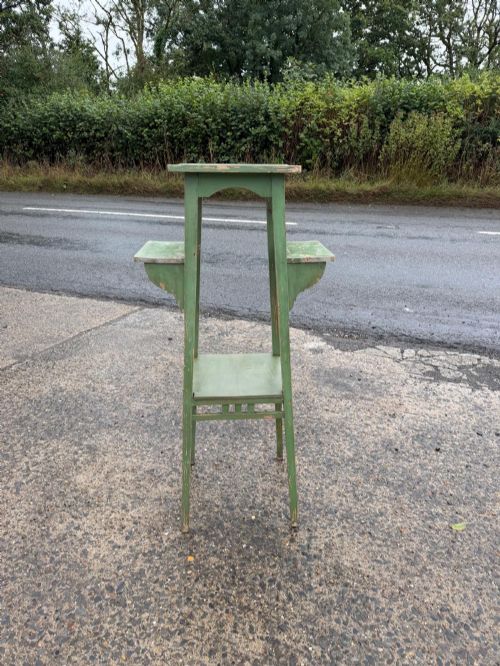
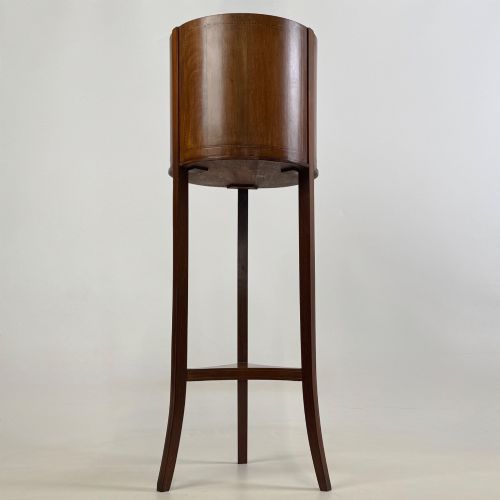
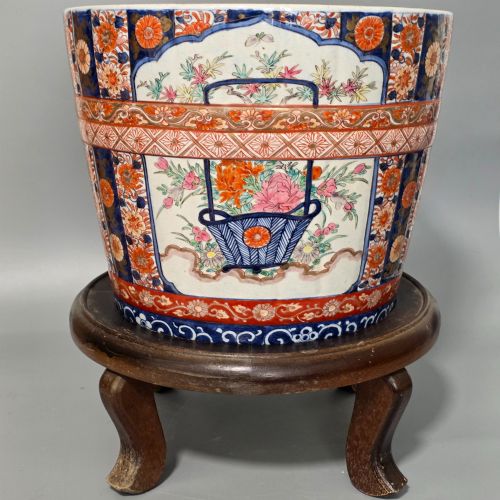
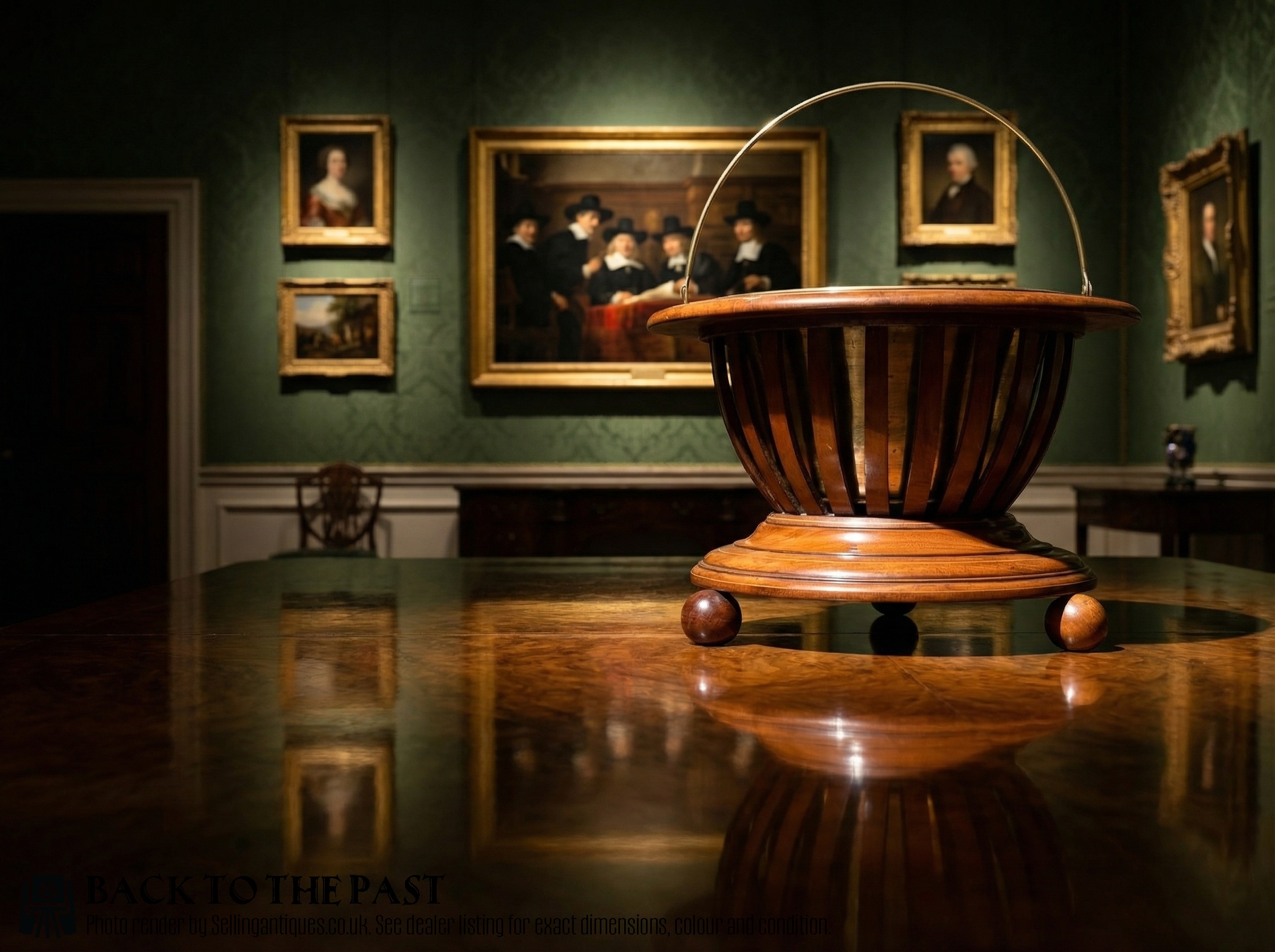
A wooden planter pot encompasses everything from utilitarian garden vessels and coopered oak tubs to sophisticated mahogany plant stands designed to elevate foliage within domestic interiors. When searching for a wooden planter pot, buyers encounter diverse forms including jardinières, hibachi, plant stands, and carved mortars adapted for botanical display.
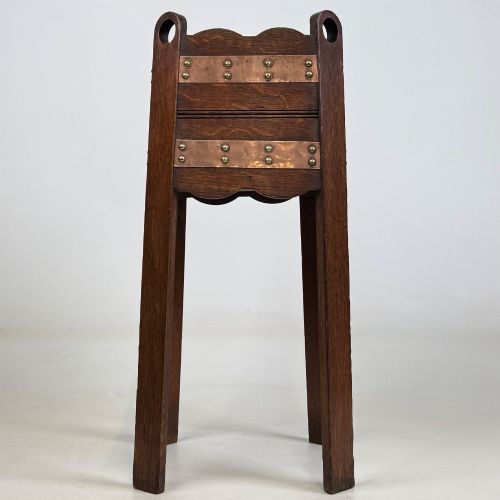
The pieces span periods from the late nineteenth century through the Edwardian era into the nineteen-twenties and thirties. Oak, mahogany, pine, and teak form the primary structural timbers, frequently accented with brass or copper banding.
How they were made
Maker techniques rely heavily on traditional coopering methods, where staves of oak, teak, or mahogany are joined together and secured with metal bands of brass or copper. This construction ensures the vessel can withstand moisture while maintaining structural integrity.
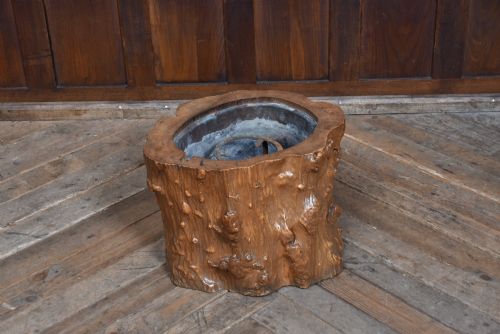
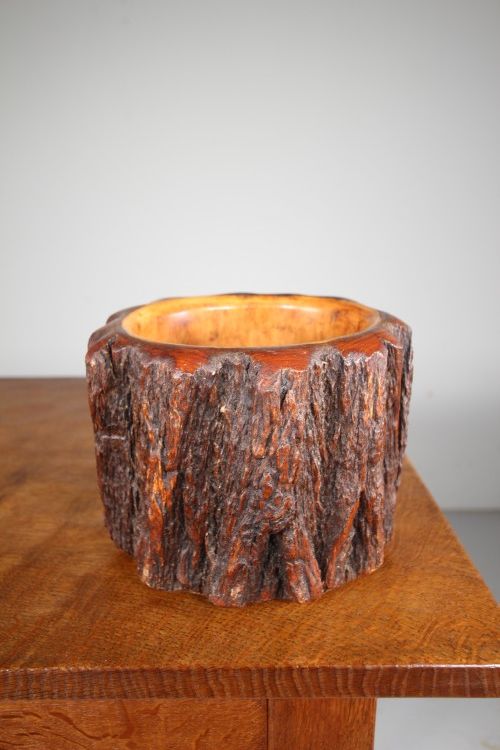
Other examples utilise solid timber carved directly from tree trunks, resulting in dug-out sycamore or elm containers with organic, rustic surfaces. Surface treatments range from original paint and hand-carved detailing to polished mahogany finishes.
Materials span oak, mahogany, pine, teak, sycamore, elm, brass, copper, porcelain, and hardwood across multiple periods.
What varies in quality
Quality rests upon the selection of timber and the precision of the joinery, particularly in coopered vessels where the fit between staves dictates durability. Superior examples display thoughtful proportions and harmonious integration of metal mounts with the underlying wood.
Distinction also lies in the integrity of the surface, whether preserved original paint, finely turned teak, or detailed hand-carving that reflects the period aesthetic without unnecessary embellishment.
The Wooden Planter Pot Glossary
- Coopered
- Constructed from curved wooden staves bound together with metal hoops, traditionally used for casks and barrels. This method allows the timber to expand and contract naturally.
- Jardiniere
- An ornamental pot or stand designed to hold a plant or flower arrangement. These pieces often feature metal liners to protect the wood from moisture.
- Hibachi
- A traditional Japanese heating device or decorative bowl repurposed for botanical displays. They often incorporate rich woodwork alongside metal linings.
- Treen
- Small handmade wooden household objects carved from a single piece of timber. Collectors prize these items for their tactile surfaces and historic tool marks.
- Mortar
- A heavy bowl traditionally used for grinding materials with a pestle, frequently repurposed as a robust wooden planter. Examples appear in solid Chinese elm.
Wooden Planter Pot: Frequently Asked Questions
Can I plant directly into these wooden pots?
Most antique wooden vessels require a plastic or metal liner to protect the historic timber from moisture damage and soil acidity.
Direct planting without a barrier risks rotting the wood and destabilising coopered joints over time.
How do I clean and maintain the wood?
Dust the surface regularly with a dry cloth and occasionally apply a suitable wax to nourish older finishes.
Avoid harsh chemical cleaners and keep wooden containers away from direct heat sources to prevent cracking.
What is the difference between a jardiniere and a plant stand?
A jardiniere is the vessel itself designed to hold a pot, whilst a plant stand is an elevated piece of furniture created to lift greenery off the floor.
Many period listings combine these functions, offering vessels sitting on matching or associated stands.
How do I identify Edwardian wooden planters?
Edwardian pieces often feature polished mahogany or oak construction paired with decorative brass bands reflecting early twentieth-century domestic tastes.
They frequently display clean lines and turned feet rather than the rustic folk art finishes seen in earlier nineteenth-century examples.