




Wooden Pendulum Wall Clock
A wooden pendulum wall clock brings steady rhythm and rich timber tones into a room, offering both practical timekeeping and historic character.
Wooden Pendulum Wall Clock
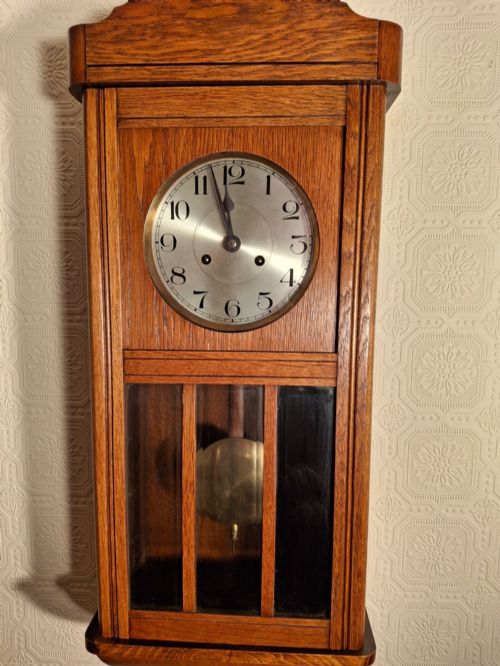
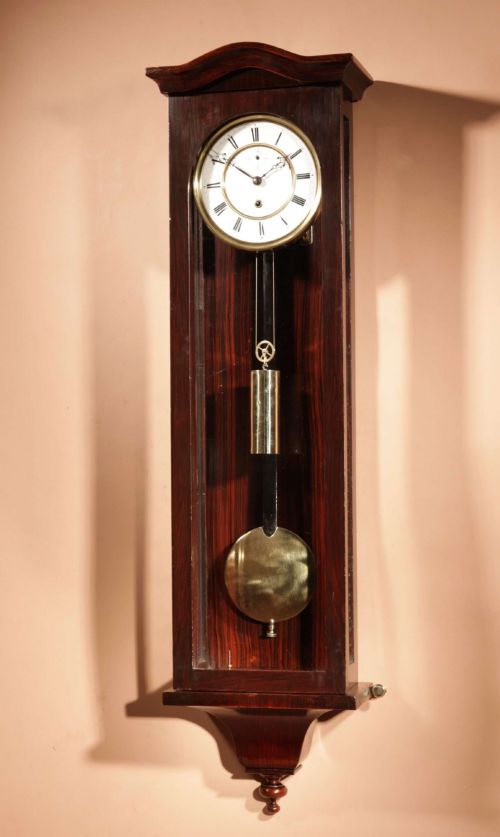
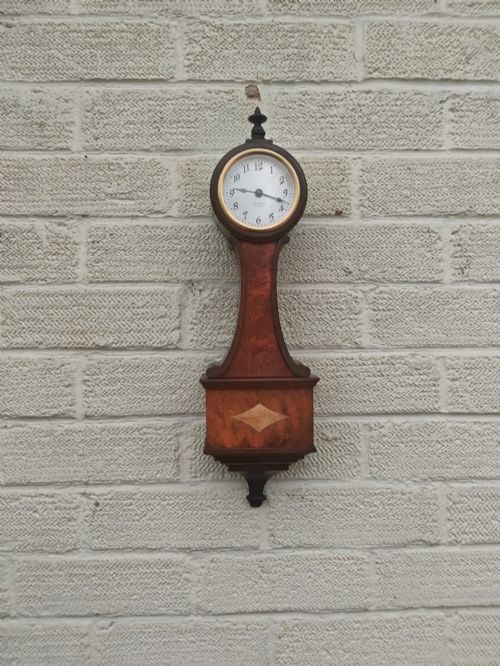
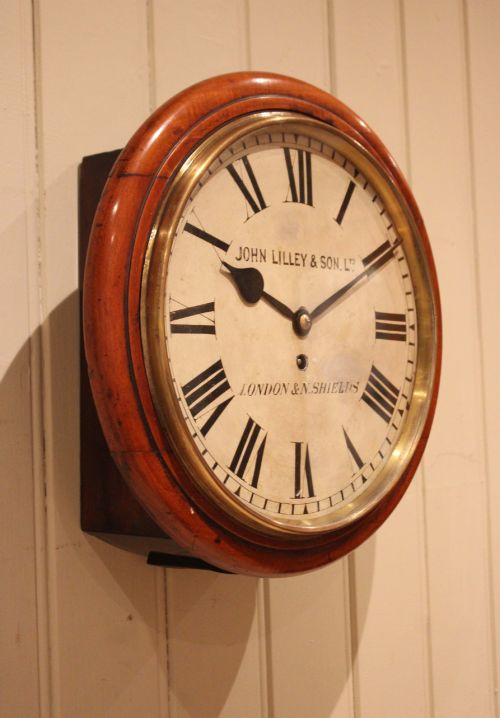
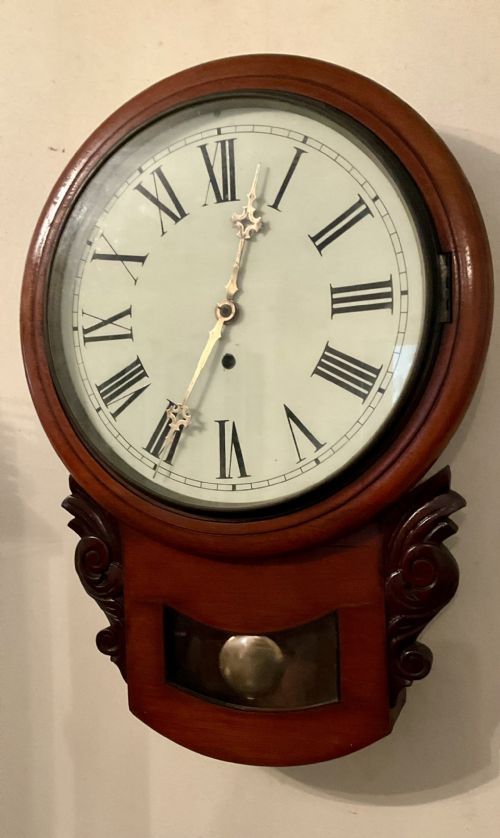
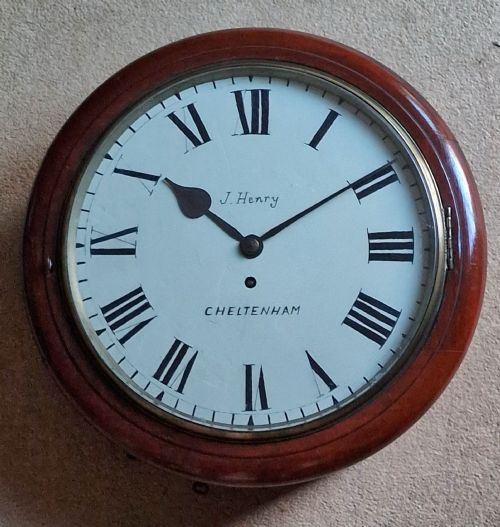
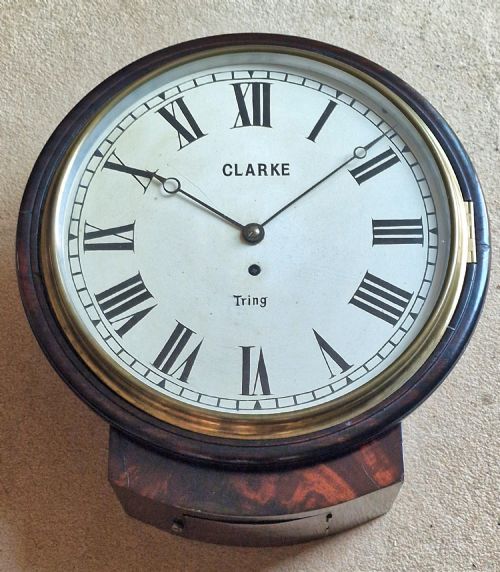
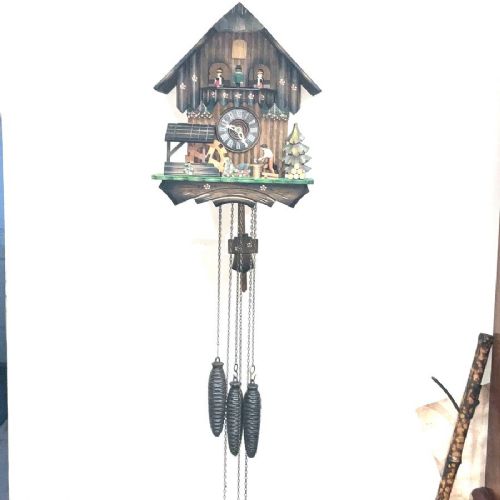
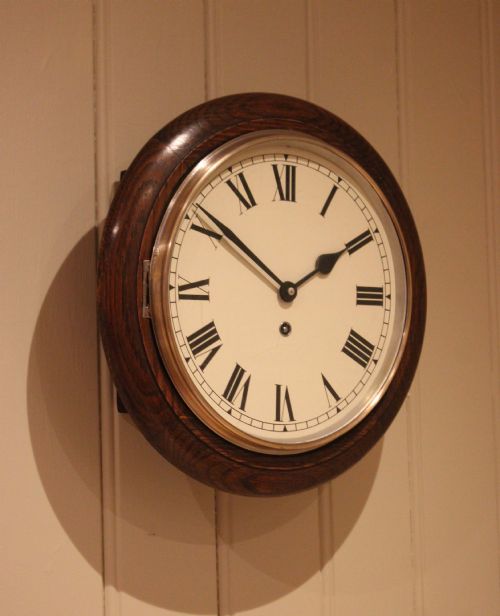
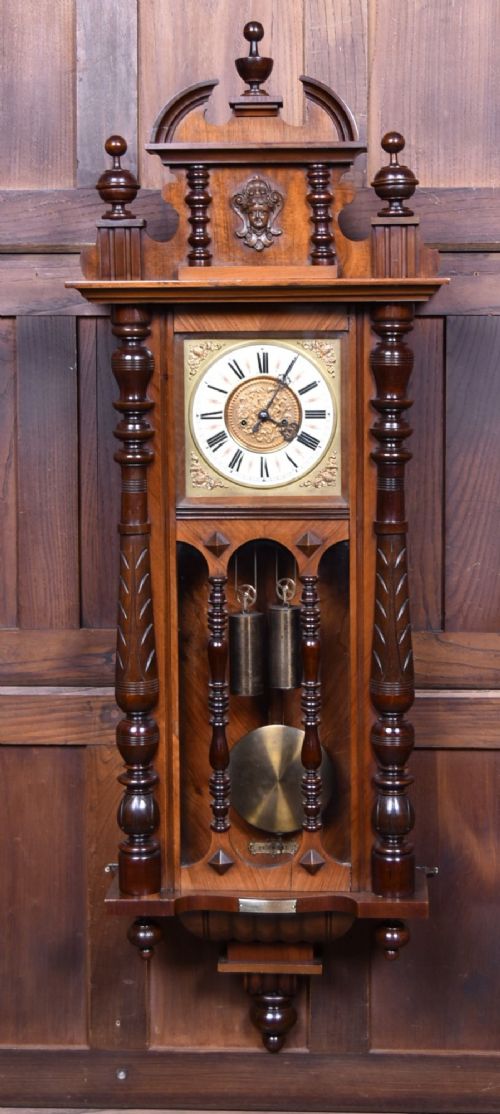
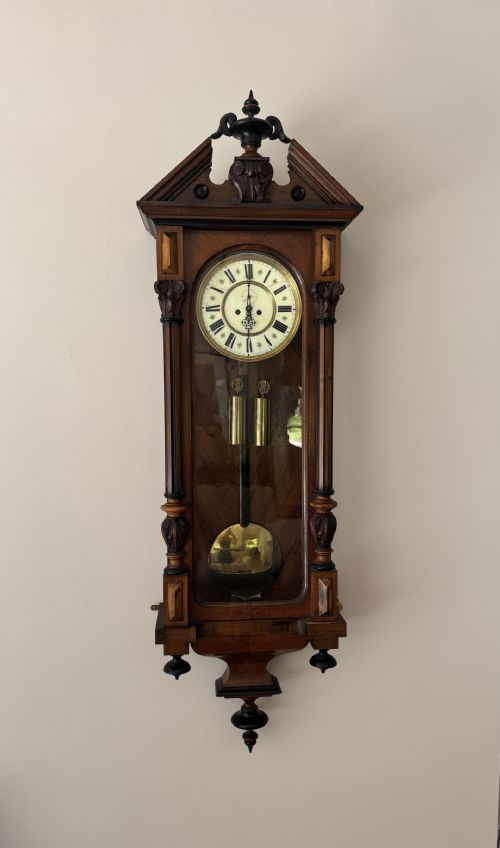
A wooden pendulum wall clock spans diverse forms from the nineteenth and early twentieth centuries, including dial clocks, Vienna regulators, and carved Black Forest cuckoo variants. These pieces combine timber cases with mechanical movements designed to hang securely on domestic or institutional walls.
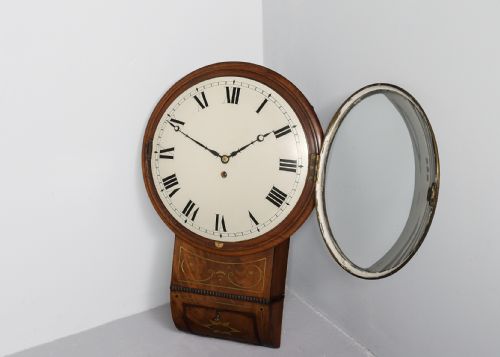
Mahogany and walnut predominate among the surviving examples, often housing fusee or weight-driven mechanisms behind glass doors. Buyers frequently encounter Victorian drop dial designs alongside architectural Vienna regulator cases originating from German and Austrian workshops.
Regional variations extend from English railway and tavern fusee clocks to French Art Deco carillon pieces and Dutch Frisian wall hanging types. Each style reflects the interior fashions and horological ambitions of its respective period.
Materials and construction
Cases rely heavily on solid and veneered hardwoods like mahogany, walnut, and oak, sometimes accented with brass bezels, inlay, or carved foliage. Dial faces combine painted wood, metal, enamel, or brass numerals protected by glazed doors.
Movements utilise brass gears, iron components, and suspended pendulums driven by weights, springs, or chain-driven fusee systems. Cabinetmakers constructed these housings to endure decades of regular winding while showcasing the grain of the timber.
Listings feature oak, walnut, and mahogany timbers alongside brass and enamel components across Victorian, Art Deco, and Regency periods.
Standards of craftsmanship
Distinctions in quality rest on the precision of the cabinetwork, the crispness of any hand-carved wood details, and the complexity of the movement. Heavier dial bezels, substantial timber thickness, and refined dial lettering separate ordinary production from finer examples.
The integrity of the timber case, the originality of the dial and hands, and the sophistication of the striking train or double-weight movement dictate the overall standing of an individual clock.
Seth Thomas·J Henry·George Clarke·Samuel Chave·Philipp Haas·John Walker·Charvet·Vedette·Girod·Odo
The Wooden Pendulum Wall Clock Glossary
- Fusee
- A conical pulley connected to the mainspring by a chain or cord, designed to equalise the force of the spring as it unwinds. This mechanism helps maintain consistent timekeeping throughout the duration of the winding cycle.
- Drop dial
- A wall clock design featuring an extended wooden trunk below the circular dial face, frequently housing the pendulum swing. This proportion balances the weight of the dial above with the vertical drop beneath.
- Vienna regulator
- A precision timepiece developed in Austria, housed in an elongated glass-fronted wooden case with a visible pendulum and weight drops. These regulators represent high standards of nineteenth-century mechanical performance.
- Dial clock
- A wall clock consisting primarily of a prominent circular face framed by a wooden surround, historically utilised in offices, stations, and domestic hallways. Their straightforward geometry places emphasis on legible time reading.
- Carillon
- A mechanism capable of playing multiple musical tunes or chimes on bells or gongs, often found in mid-twentieth-century French and continental models. This feature adds acoustic variety to the standard striking sequence.
Wooden Pendulum Wall Clock: Frequently Asked Questions
How do I wind an eight-day wall clock?
Insert the winding key into the designated holes on the dial face and turn gently until resistance indicates the mainspring is fully tensioned. Care must be taken not to overwind the movement.
Ensure the pendulum hangs freely and the clock is plumbed vertically against the wall before setting the time. Moving the hands backward should generally be avoided to protect the internal gear train.
Why does my clock need to be level?
A pendulum relies on balanced, symmetrical swings to maintain an even beat and accurate timekeeping. Even a slight tilt causes the pallet arms to interact unevenly with the escape wheel.
Adjusting the case position on the wall until the tick sounds even and regular ensures the mechanism operates as intended. Many vintage cases include small adjustments or require subtle shims behind the backboard.
What is the difference between a fusee and a spring-driven movement?
A fusee movement uses a conical pulley and chain to deliver even power to the gear train as the mainspring loses tension. This configuration preserves precision across the entire run.
Spring-driven movements power the gears directly from the mainspring barrel without the intermediary fusee cone. While simpler, they can experience slight variations in force as the spring unwinds.
How do I identify a Vienna regulator?
Vienna regulators feature tall, architectural wooden cases with glass side panels and a full-length glazed front door. This construction displays the pendulum rod, bob, and driving weights simultaneously.
Their movements are typically high-grade brass designs engineered for exact timekeeping rather than casual domestic use. The dials often display subsidiary seconds and fine Roman numerals.