



Vintage Oak Chime Clock
A vintage oak chime clock brings mechanical timekeeping and acoustic depth to a room through cabinet timbers and quarter-chiming movements.
Vintage Oak Chime Clock
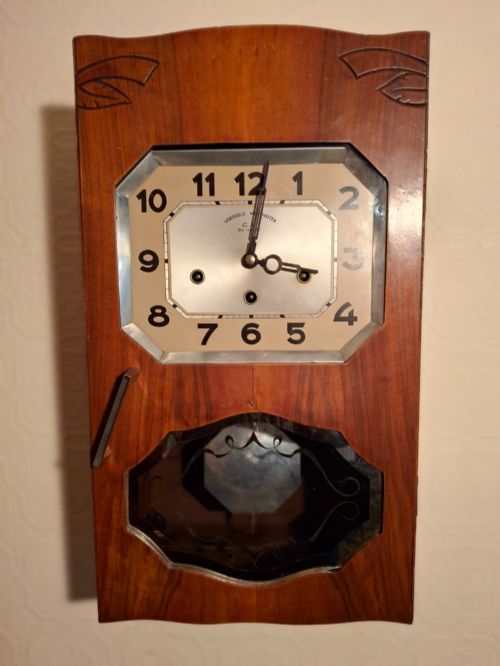
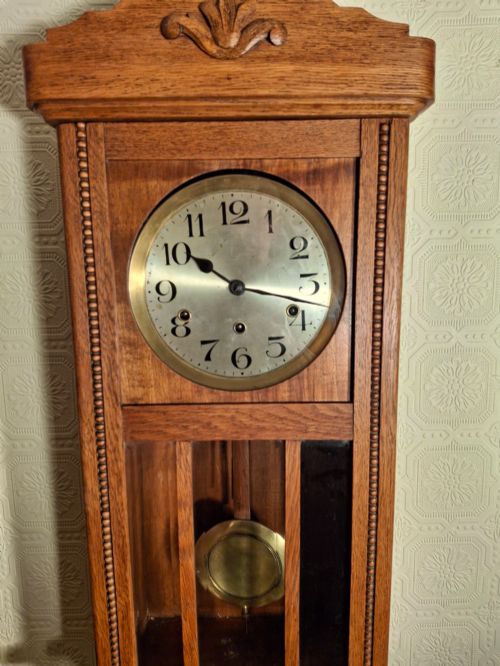
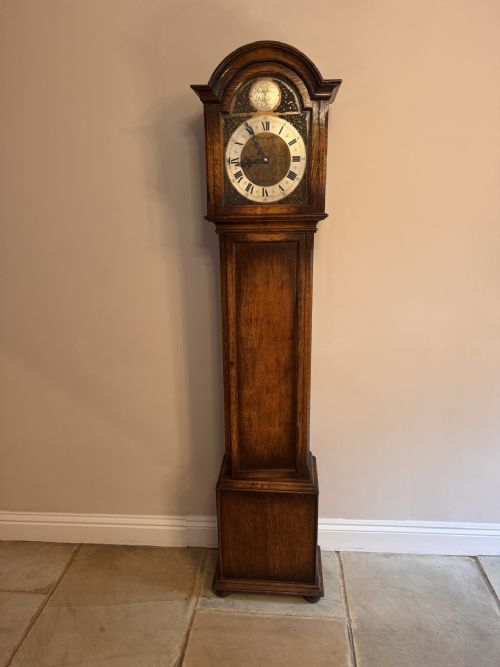
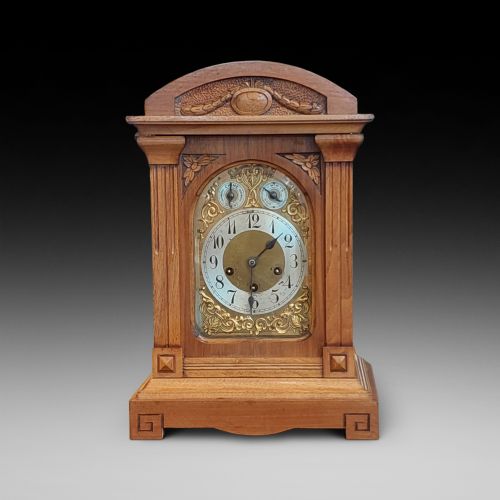
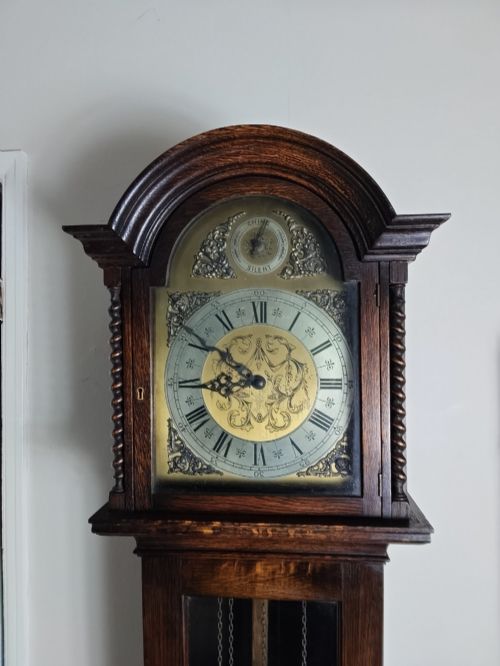
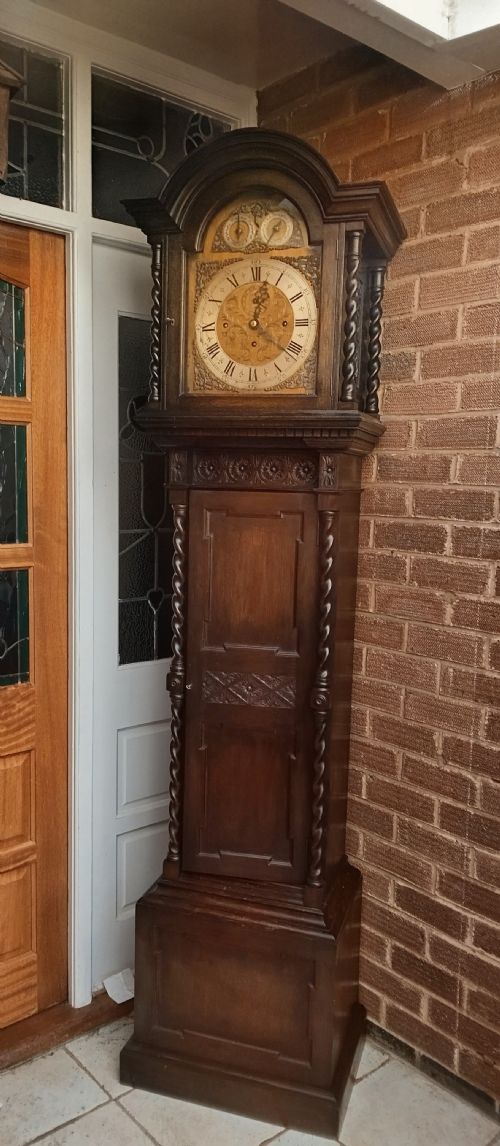
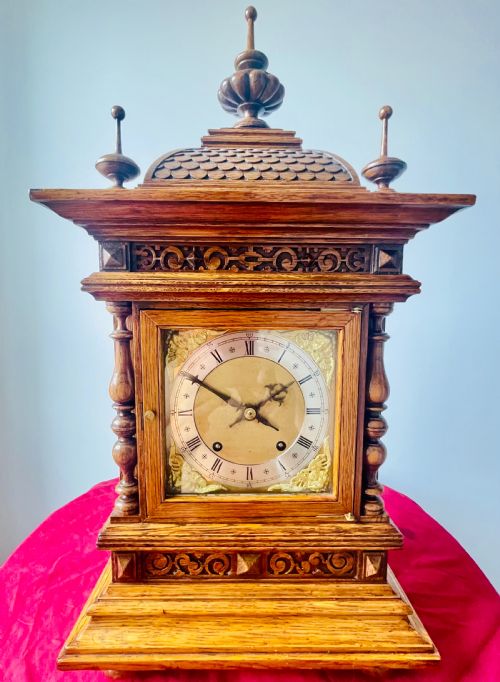
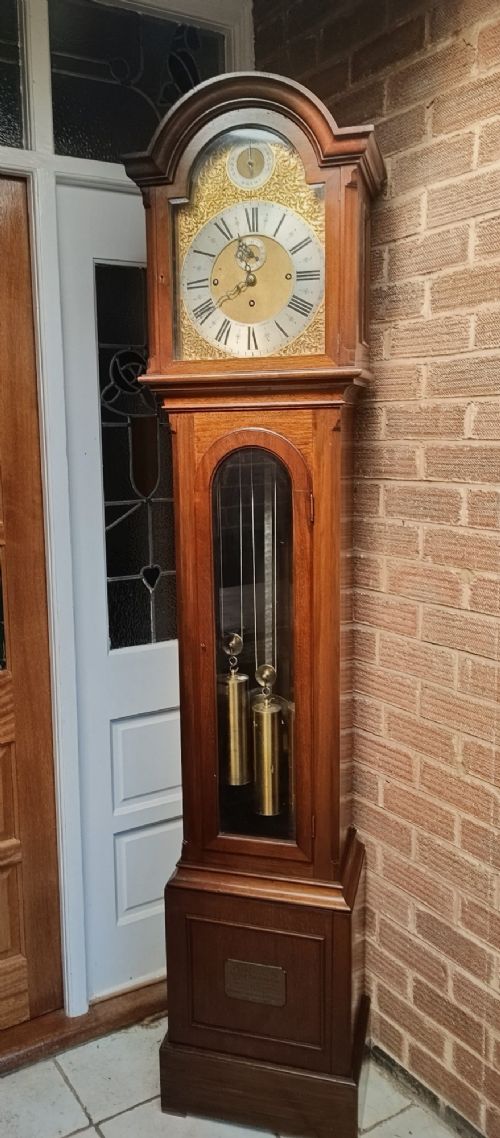
When you search for a vintage oak chime clock, you encounter tall floor-standing models such as longcases, grandfathers, and grandmothers alongside compact mantel, bracket, and wall clocks. These timepieces hail from periods spanning the Victorian era, the Edwardian years, and the 1920s and 1930s.
The most common forms on this page are grandmother and grandfather longcase clocks driven by weights, alongside bracket and mantel clocks housing spring-wound movements. Cabinet designs draw on styles including Edwardian vernacular, Arts and Crafts, Art Deco, and Jacobean or Gothic revivals.
Tall examples dominate floor space while smaller bracket and mantel clocks sit on furniture surfaces or hang upon walls. Each version combines an internal chiming mechanism with an oak housing designed to project sound and anchor interior decor.
How they were made
Casework relies principally on solid oak and oak veneers, often paired with brass bezels, dials, and movement plates. Glass panels protect the dial face and pendulum swing, while internal gears utilise steel and brass components.
Movements are driven either by hanging weights or internal springs, operating on eight-day durations with Westminster, tubular, or multiple musical tunes. Carpenters constructed the wooden housings using traditional joinery methods suited to heavier chiming gear.
Vintage Oak Chime Clock Retail Price Guide 2026
Typical asking prices for vintage oak chime clock among the pieces listed under this phrase on Sellingantiques today, from the lower quarter to the upper quarter. They describe what is for sale here now, not the wider market.
Listings span from Victorian bracket clocks up to 1930s Art Deco mantel and longcase forms executed in oak.
What varies in quality
The distinction between standard production items and finer examples lies in the complexity of the movement and the refinement of the oak cabinetwork. Clocks housing multiple bells, gongs, or musical tunes require sophisticated mechanical engineering.
Cabinet construction ranges from plain timber boxes to heavily carved revival facades or geometric Art Deco veneers. Superior examples integrate balanced proportions, clear acoustic projection, and robust movement design.
Winterhalder·Elliott·Enfield·Junghans·Pfeilkreuz Junghans
The Vintage Oak Chime Clock Glossary
- Grandmother clock
- A smaller version of the traditional longcase clock, typically standing under six feet tall. These pieces occupy less floor space while retaining weight-driven chiming movements.
- Bracket clock
- A portable timekeeper originally designed to sit on a wall bracket. Most examples feature handles and flat or arched wooden tops.
- Fusee
- A conical pulley used in spring-driven clocks to equalise the torque of the mainspring as it unwinds. This mechanism helps maintain consistent timekeeping accuracy.
- Westminster chime
- A four-note melody played on quarter hours by clock movements. It originates from the quarters sounded by the clock tower at the Palace of Westminster.
- Triple weight
- A movement configuration requiring three suspended weights to power the timekeeping train, the hour strike, and the chiming melody separately.
Vintage Oak Chime Clock: Frequently Asked Questions
How do I set up a chime clock?
Suspend the weights or wind the springs carefully according to the movement design. Allow the pendulum to settle into an even beat before advancing the minute hand.
Avoid moving the hands backward past the chime points to prevent jamming the internal rack and snail mechanism. Let the clock strike through its sequence after any adjustment.
What is the difference between a grandfather and grandmother clock?
A grandfather clock is a tall floor-standing timekeeper exceeding six feet in height, housing heavy weights and long pendulums. A grandmother clock is a scaled-down version of the same form.
Grandmother clocks emerged to fit smaller domestic interiors during the early twentieth century while maintaining mechanical chiming functions.
How do I care for an oak clock case?
Keep the wooden housing away from direct sunlight, heating vents, and damp environments to prevent timber movement. Dust the surface regularly with a dry cloth.
Apply a microcrystalline wax sparingly if the timber appears dry, avoiding any buildup around carved details or brass fittings.
Why does my clock stop chiming correctly?
Chime synchronization can slip if the hands are forced or if the clock is moved without securing the pendulum and weights. The strike train sometimes gets out of sequence with the time train.
Allow the mechanism to run its complete cycle without interference so the internal levers can reset their position naturally.