


Wooden Drop Front Desk
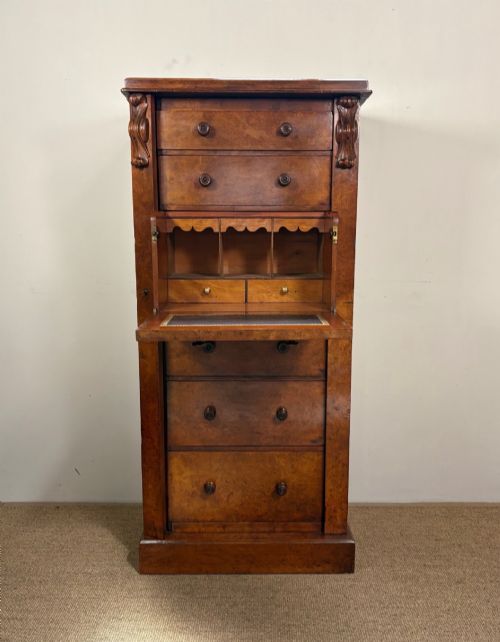
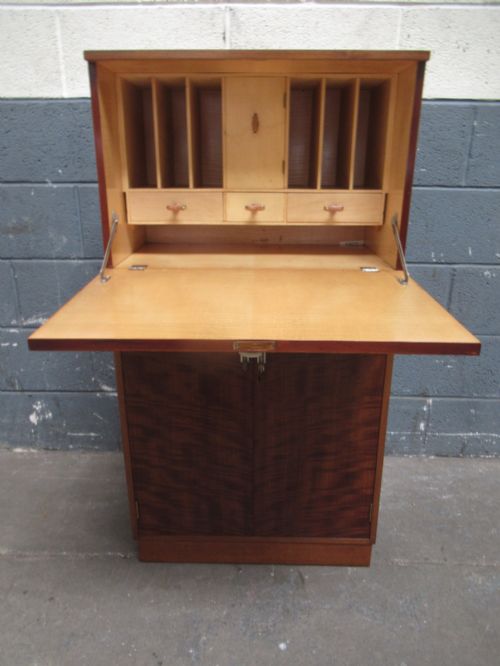
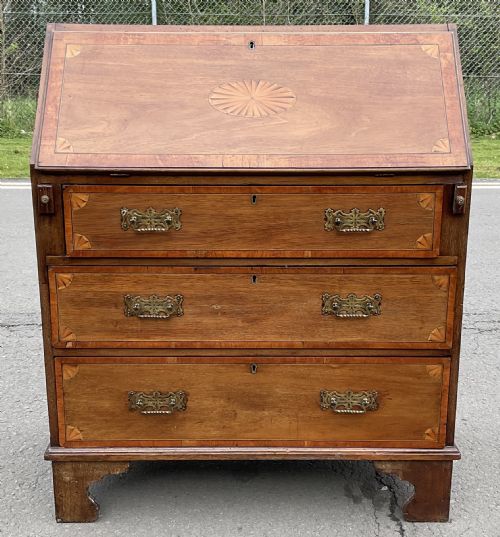
A wooden drop front desk offers clever internal compartments and a writing surface that folds down neatly when work is done.
Wooden Drop Front Desk
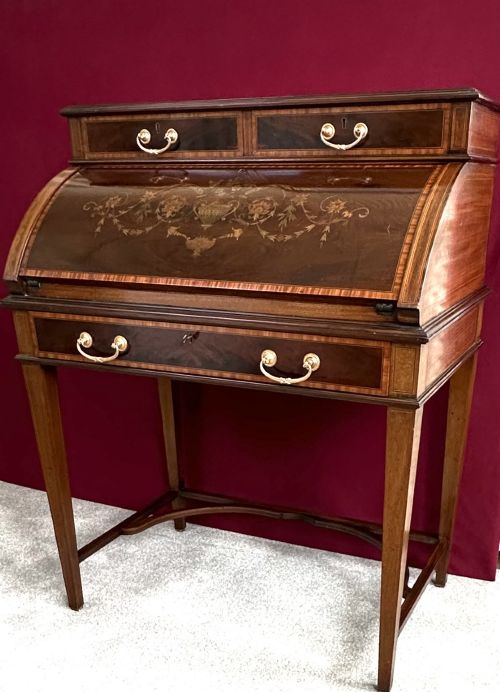
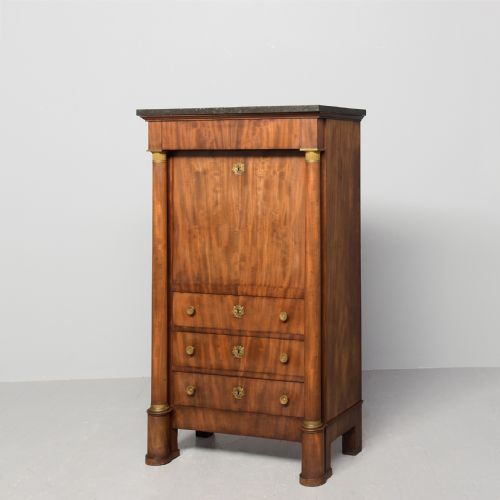
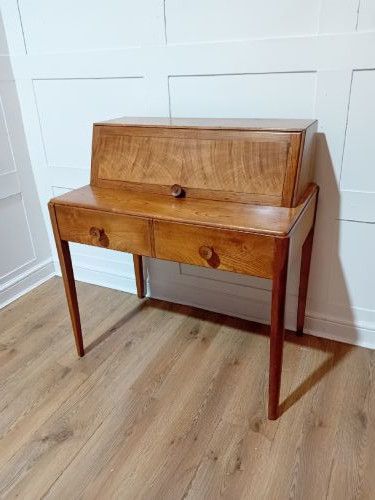
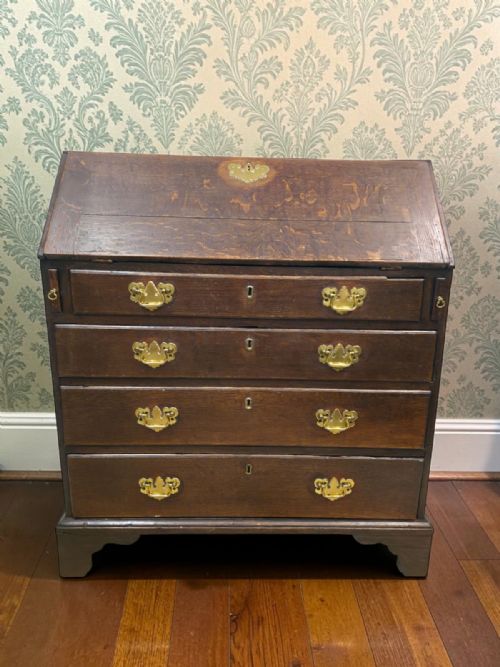
A wooden drop front desk brings together several forms including bureaux, secretaire chests, and stationery cabinets spanning centuries of craftsmanship. Buyers examining these listings meet pieces from the Georgian era through to the Edwardian period and the 1930s. The selection ranges from compact oak writing bureaux to elaborate mahogany bureau bookcases fitted with glazed upper sections.
Most examples function primarily as writing furniture, featuring a hinged writing flap that conceals small drawers and pigeonholes inside. Oak and mahogany dominate the selection, alongside walnut, satinwood, and yew wood variations. These items serve everyday writing needs while providing discrete storage for letters and papers within domestic interiors.
Materials and Construction
Cabinet makers utilised dense hardwoods such as mahogany, oak, and walnut to build robust carcasses that withstand decades of daily use. Finer pieces incorporate decorative veneers like satinwood, kingwood, and yew wood on drawer fronts and writing flaps.
Internal compartments often involve intricate hidden drawers and secret spaces operated by sliding mechanisms or small catches. Brass handles, key escutcheons, and leather writing inserts complete the construction of these writing surfaces.
Listings span periods from 1750 through to the 1930s, incorporating Georgian, Victorian, Edwardian, and Art Deco styles in oak, mahogany, and walnut.
Quality and Finish
The choice of timber and the precision of veneer work separate standard cabinet making from exceptional work. Graduating grains on drawer fronts and well-figured mahogany or walnut indicate superior material selection.
Interior joinery quality dictates durability, particularly around the hinge mechanisms of the drop front and the movement of secret compartments. Original brass hardware, clean dovetail joints, and intact leather inserts elevate the standing of a piece.
ARTHUR BASIL REYNOLDS
The Wooden Drop Front Desk Glossary
- Bureau
- A writing desk featuring a sloping flap that opens to reveal internal compartments and pigeonholes. This term appears frequently across Georgian and Edwardian examples.
- Secretaire abattant
- A tall vertical cabinet with a drop down writing flap originating in France. These pieces often conceal numerous small drawers behind the main fall front.
- Ormolu
- Gilded bronze mounts applied to furniture for decorative effect. This material is found on nineteenth century continental pieces.
- Marquetry
- Decorative woodwork where different coloured veneers are fitted into patterns to ornament surfaces. Edwardian pieces frequently utilise this technique on mahogany panels.
- Dovetail
- A joint formed by interlocking wedge shaped fingers used to construct sturdy drawer boxes. Fine eighteenth and nineteenth century pieces display tight, hand cut dovetails.
Wooden Drop Front Desk: Frequently Asked Questions
How do I use a drop front desk?
Lower the hinged writing flap until it rests horizontally, supported by internal wooden arms or brackets. This reveals a surface for writing alongside pigeonholes and small drawers for storage.
When finished, lift the flap back into its vertical position and secure it with the lock. This conceals paperwork and restores a tidy appearance to the room.
How do I care for antique wood surfaces?
Dust the timber regularly with a soft, dry cloth to prevent grit accumulation. Apply a quality beeswax periodically to nourish the grain and maintain a natural sheen.
Keep wooden furniture away from direct heat sources and strong sunlight to prevent the timber from drying out or warping. Protect leather writing inserts from moisture and ink spills.
Are secret compartments common in these desks?
Many Georgian and Victorian writing desks incorporate hidden drawers or sliding panels within the interior fitments. These compartments were designed for storing valuables or sensitive documents.
Accessing them often requires removing specific small drawers or pressing concealed spring catches inside the pigeonhole section.