




20th Century Oak Bureau
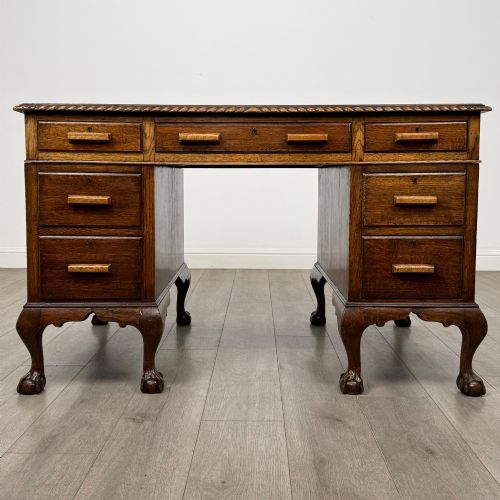
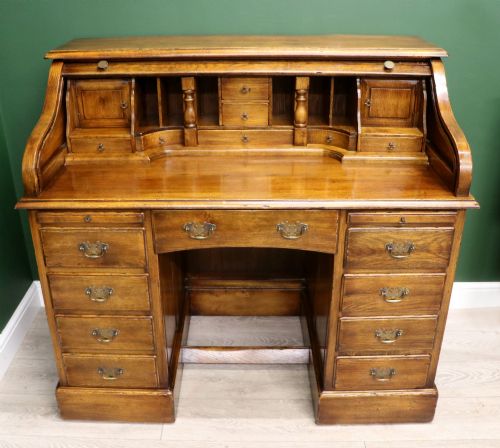
The 20th century oak bureau provides a practical writing workspace and storage, combining sturdy timbers with traditional fitted compartments that suit daily study.
20th Century Oak Bureau
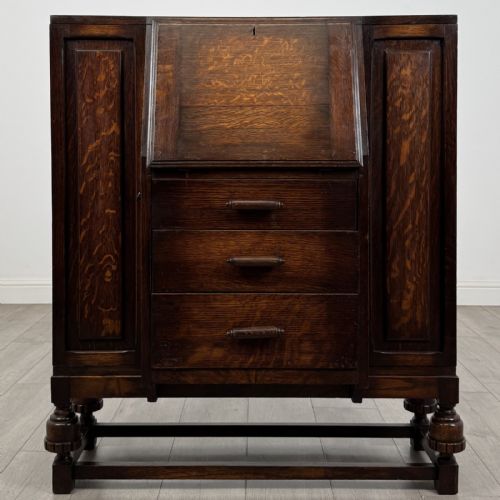
A 20th century oak bureau typically combines a sloping fall-front writing flap with an arrangement of internal drawers and pigeonholes above a set of lower drawers or a cupboard base. The pieces gathered here stem largely from the Edwardian period through to the 1930s, reflecting domestic writing habits of the early decades.
Beyond standard writing desks, the selection includes bureau bookcases that mount glazed upper shelving units, as well as variations like banker's desks, student desks, and roll-top writing furniture. stylistic influences span Jacobean Revival, Arts & Crafts, Tudor Revival, Art Deco, and Chippendale Revival.
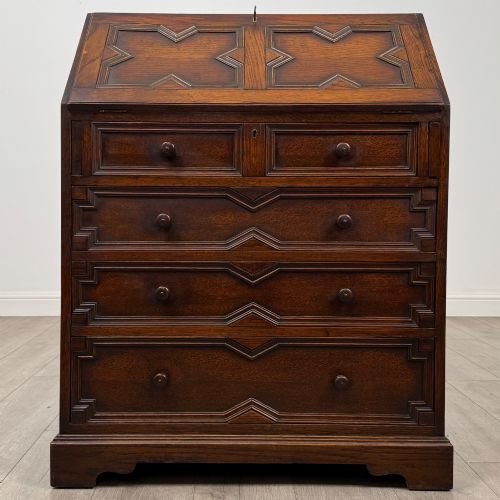
Edwardian interpretations dominate the material record, often constructed in standard oak or golden oak with varying degrees of carved decoration. Simpler student pieces and heavy Jacobean style variants share the inventory with geometric Art Deco forms and Cotswold School craftsmanship.
Assessing the Pieces
Quality separates simple utility furniture from pieces possessing refined decorative carving and superior timber selection. Examples designated as fine or good quality often display superior grain patterns in golden oak, careful attention to internal pigeonhole joinery, and robust hardware.
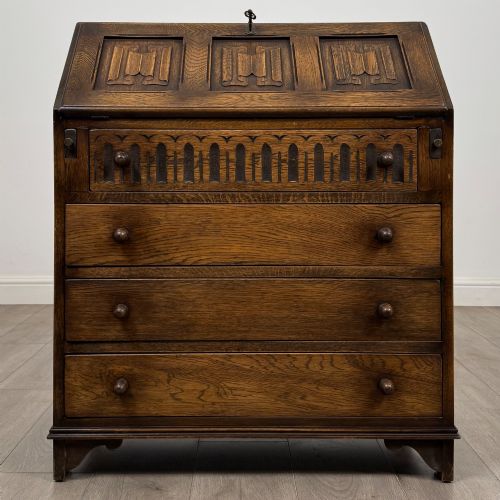
The degree of hand-carved ornamentation, such as linenfold panels or Jacobean style motifs, marks the distinction between plain commercial production and workshops dedicated to Arts & Crafts ideals. The thickness of the solid oak and the smooth operation of the fall-front hinges further distinguish the tiers of execution.
20th Century Oak Bureau Retail Price Guide 2026
Typical asking prices for 20th century oak bureau among the pieces listed under this phrase on Sellingantiques today, from the lower quarter to the upper quarter. They describe what is for sale here now, not the wider market.
Several items include secret compartments hidden inside the pigeonholes for storing love letters.
Arthur Basil Reynolds
The 20th Century Oak Bureau Glossary
- Bureau
- A writing desk featuring a sloping hinged flap that opens to reveal a compartmented interior for letters and stationery. It typically rests atop a chest of drawers.
- Bureau bookcase
- A tall combination piece uniting a sloping writing bureau at the base with a shelved cabinet enclosed by glass doors above. This format maximised storage in smaller rooms.
- Linenfold
- A style of relief carving depicting folded pleated linen, frequently utilised on the panels of Edwardian oak furniture. It draws inspiration from medieval textiles.
- Golden oak
- A bright, warm finish applied to oak timber that accentuates the natural grain and medullary rays of the wood. It gained popularity during the Edwardian era.
- Roll top desk
- A writing desk featuring a flexible tambour shutter made of narrow slats of wood that slides in curved tracks to cover the desktop. It offers secure closure without folding down.
20th Century Oak Bureau: Frequently Asked Questions
What is an oak bureau?
An oak bureau is a traditional writing desk featuring a hinged sloping flap that drops down to form a writing surface. Inside, small drawers and pigeonholes organise correspondence and writing implements.
Beneath this writing section, multiple drawers provide concealed storage for household papers or linens. These pieces were staple furnishings in homes before the widespread use of freestanding modern desks.
How were bureau bookcases used?
Bureau bookcases served a dual purpose in the home, combining a downstairs workspace with an upstairs display or library cabinet. The upper glass doors protected reference books and bound volumes from dust while keeping them visible.
Owners sat at the fall-front desk to write letters, manage household accounts, and store important documents close at hand. This combined functionality made them popular for parlours and studies.
How do I identify Edwardian oak furniture?
Edwardian pieces often display a lighter golden oak finish compared to the darker, heavier timbers typical of Victorian eras. Stylistic touches frequently incorporate revival motifs like Jacobean carving or clean Arts & Crafts lines.
Hardware on these pieces typically includes brass drop handles or backplates matching the period revival aesthetic. Construction relies on solid oak framing combined with fitted internal stationery compartments.
Where should I place a bureau?
A bureau suits living rooms, home studies, or hallways where floor space accommodates the fall-front flap when opened. Positioning the piece away from direct sunlight protects the oak finish and any leather writing inserts from fading.
Ensure there is sufficient clearance in front of the desk to pull out a chair comfortably while working. The enclosed compartments also help keep clutter out of sight when the writing flap is closed.