
Wooden Dresser Base
A wooden dresser base provides practical storage and surface space while anchoring a room with traditional craftsmanship.
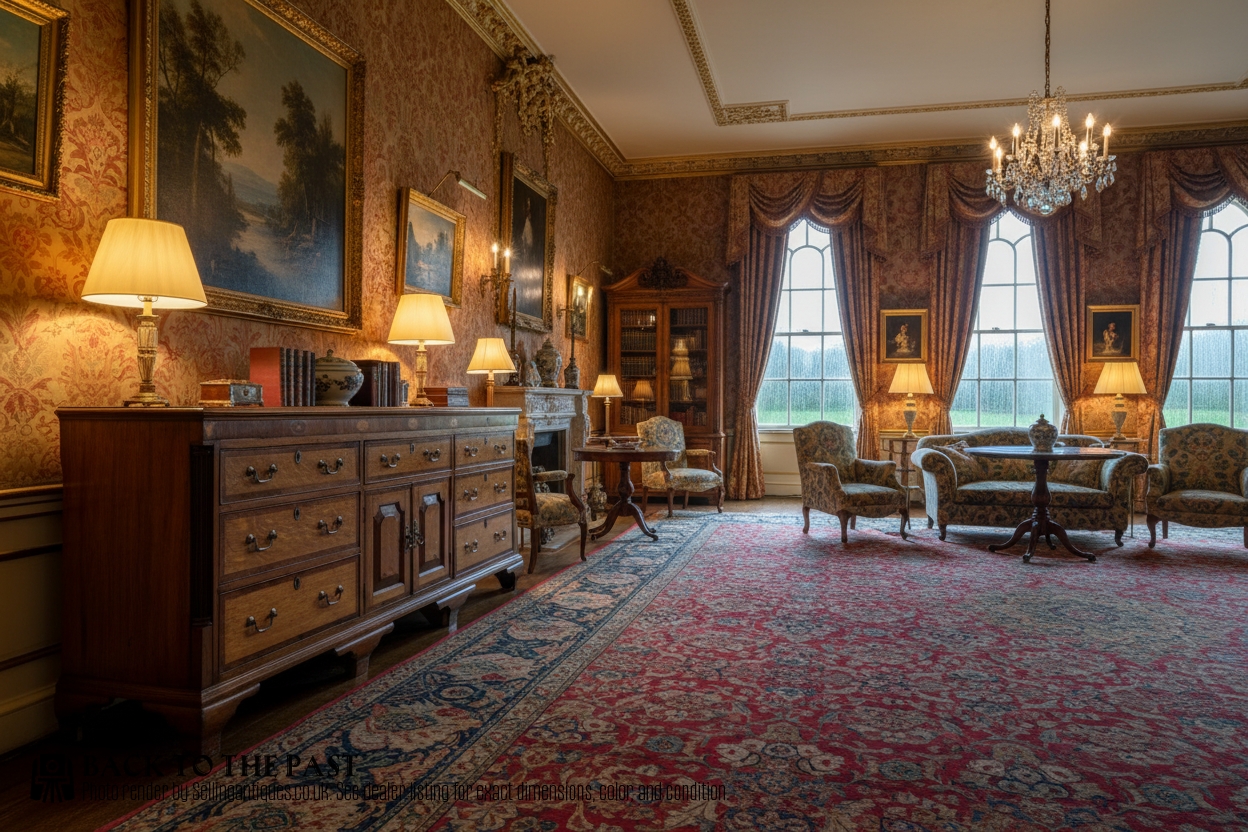
Wooden Dresser Base
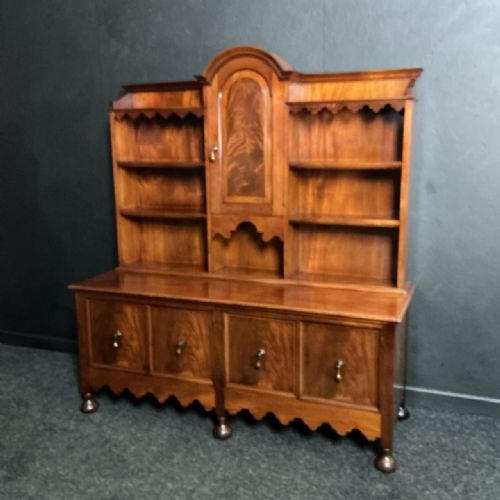
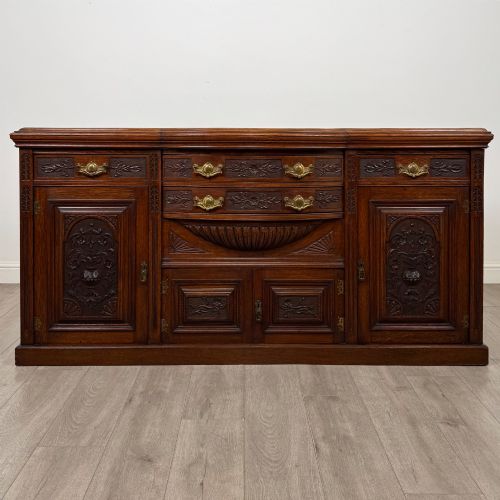
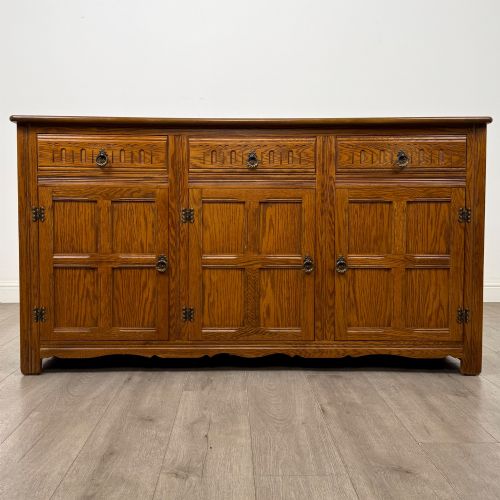
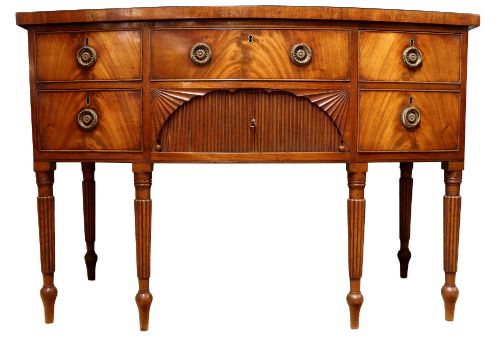
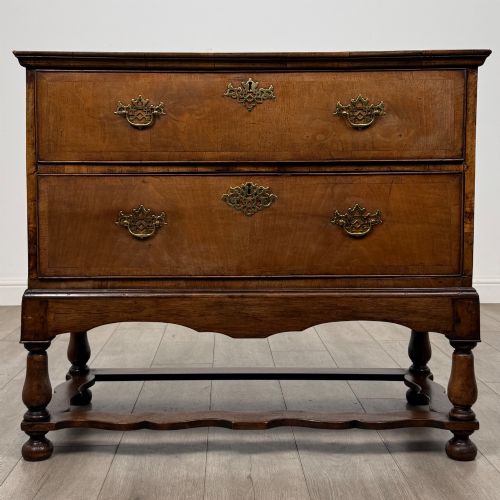
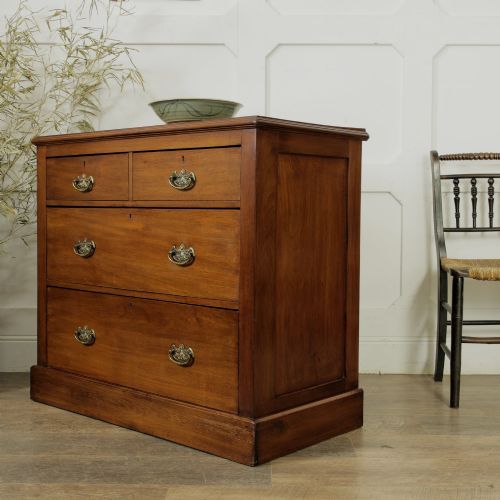
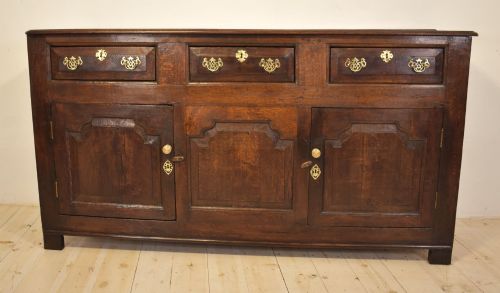
A wooden dresser base functions as a low storage unit, typically combining drawers and cupboards to serve dining rooms and kitchens. When searching for a wooden dresser base, buyers encounter regional variations from the 18th century onward, including vernacular potboard designs and formal Georgian or Victorian iterations.
The selections span distinct historical periods such as the Georgian, Victorian, and Edwardian eras, alongside revival styles like William and Mary. Oak and mahogany dominate the offerings, appearing alongside pine, walnut, and painted finishes.
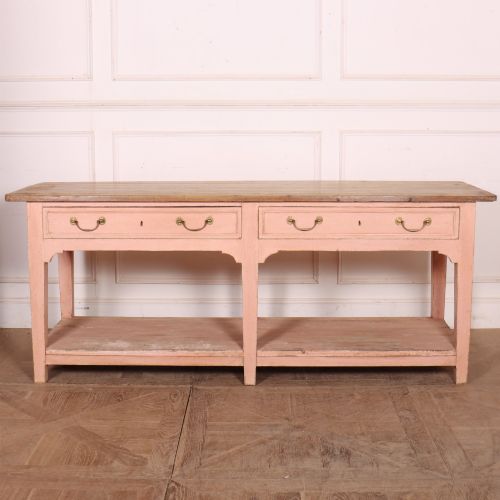
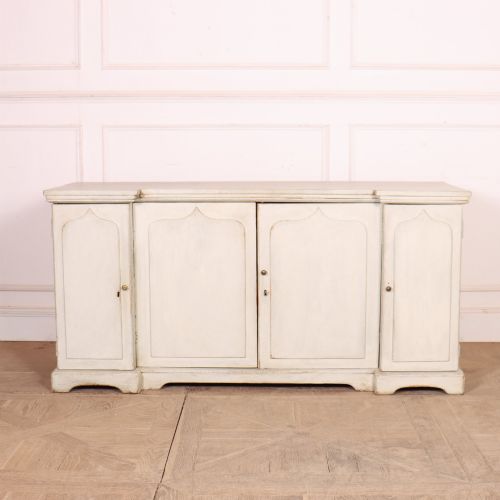
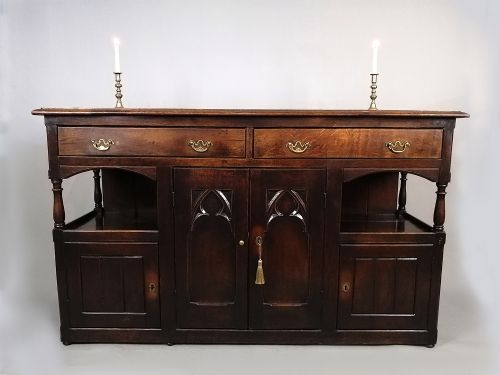
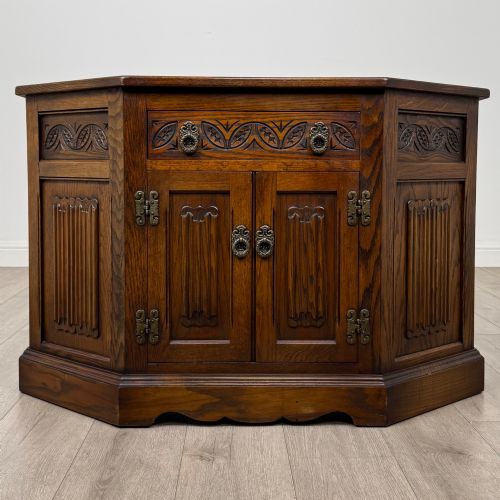
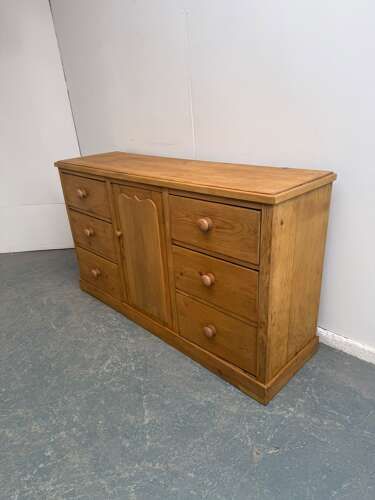
Forms range from simple country house pieces to breakfront profiles and potboard tables with open lower shelves. These items served historically for food preparation, serving, and tableware storage, and they continue to function as sideboards in modern homes.
Materials and construction methods
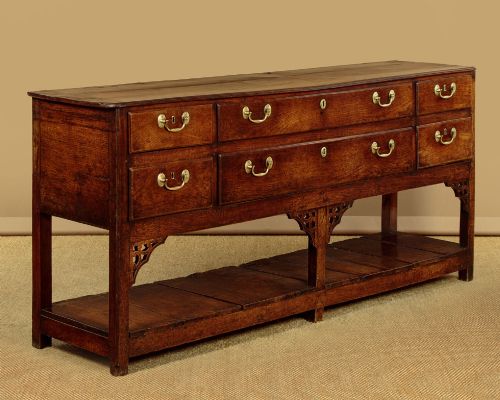
Makers relied heavily on solid oak for early examples, utilising mortise and tenon joinery to build sturdy frames that endured heavy daily use. Drawer linings often employ secondary timbers, joined with hand-cut dovetails that indicate the period of manufacture.
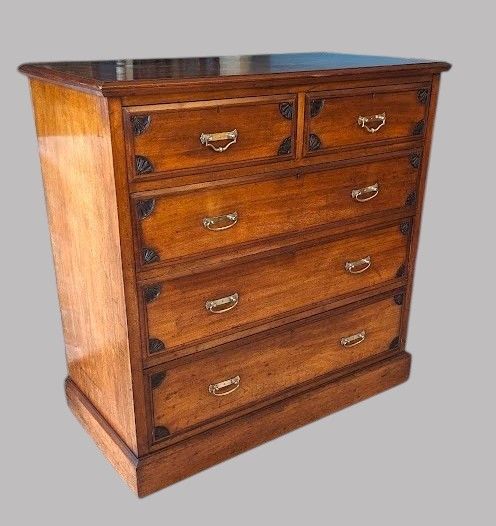
Mahogany and walnut gained favour during the Georgian and Victorian periods, sometimes applied as flame veneers over firmer core woods to create decorative figure on drawer fronts and doors. Brass hardware, ranging from drop handles to batwing plates, complemented these fine timbers.
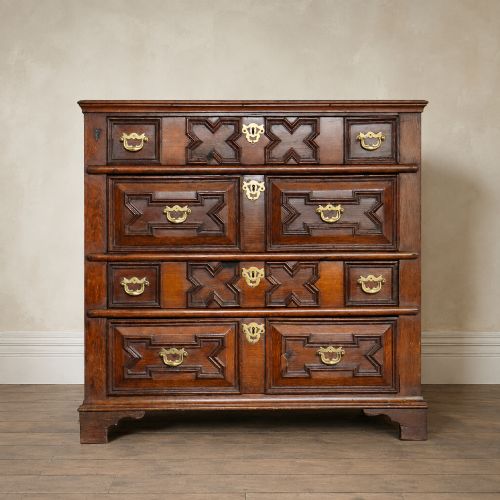
Country pieces frequently utilised local pine or fruitwoods, occasionally finished with original paint or wax to protect the grain. Geometric mouldings and linenfold carving appear on select panels, demonstrating specific regional woodworking traditions.
Wooden Dresser Base Retail Price Guide 2026
Typical asking prices for wooden dresser base among the pieces listed under this phrase on Sellingantiques today, from the lower quarter to the upper quarter. They describe what is for sale here now, not the wider market.
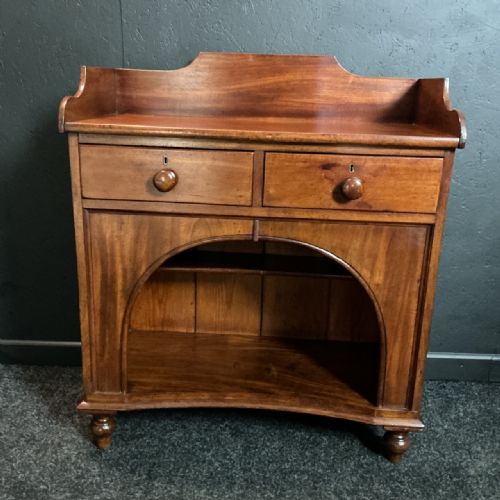
Some Victorian dog kennel dressers include a central arched recess originally designed to keep a warming foothound or spaniel close by.
Factors that determine quality
The integrity of timber selection and the crispness of cabinetmaking separate standard utilitarian units from finer workshop productions. Original surface patination, such as uncompromised wax finishes or untouched old paint, preserves the historical character of a piece.
Hardware originality significantly influences the standing of a wooden dresser base, with period-correct brasses adding integrity. The internal construction, including undivided drawer bottoms and sound framing, reflects the original maker's standard of work.
Heal & Son
The Wooden Dresser Base Glossary
- Potboard
- An open lower shelf fitted beneath a dresser base for storing large pots and heavy crockery. This feature is particularly characteristic of 18th-century vernacular furniture.
- Breakfront
- A cabinet design where the central section projects forward from the flanking outer sections. This architectural arrangement creates depth and visual balance on larger sideboard forms.
- Flame mahogany veneer
- A thin slice of mahogany timber cut from the fork of the tree where branches meet, displaying a fiery, undulating grain pattern. Craftsmen applied this to primary display surfaces during the Georgian and Victorian periods.
- Geometric moulding
- Raised wooden mouldings arranged in geometric patterns on drawer fronts or doors. This decorative technique appears frequently on pieces from the 17th and early 18th centuries.
- Dovetail
- A joint formed by interlocking wedge-shaped fingers, used extensively in drawer construction. Hand-cut variations help indicate the age and origin of antique cabinetry.
Wooden Dresser Base: Frequently Asked Questions
What is a wooden dresser base used for?
A wooden dresser base provides surface space for serving food and deep drawers or cupboards for storing tableware and linens. They function effectively as sideboards in dining rooms or as storage consoles in hallways and living spaces.
Historically, these pieces sat in kitchens and dining areas where cooks prepared meals and stored heavy ceramic platters. Their sturdy construction makes them practical for everyday modern use while displaying antique character.
How do I date a wooden dresser base?
Dating relies on examining the timber species, construction techniques, and hardware styles present on the item. Earlier pieces from the 18th century often feature heavy oak frames, hand-cut dovetails, and pegged joints, while later Victorian and Edwardian examples incorporate mahogany, walnut, or machine-sawn elements.
Secondary woods and drawer linings also provide clues, as does the presence of original brass handles or locks. Comparing the overall proportions and decorative motifs, such as geometric mouldings or bracket feet, helps narrow down the period of origin.
Are these pieces suitable for modern kitchens?
These units integrate well into contemporary kitchens, offering robust surfaces for countertop appliances and substantial interior storage. Their solid construction handles daily wear while introducing warmth and historic texture to modern interiors.
Buyers should measure available floor space and ceiling heights carefully, as antique proportions often differ from standard modern cabinetry. Placing them away from direct heat sources helps protect the aged timber and historic finishes.
What is the difference between a dresser and a sideboard?
A traditional dresser or dresser base typically incorporates a potboard or lower shelf alongside deep drawers, originating from vernacular country workshops. Sideboards often emerged from more formal urban cabinetmaking traditions, featuring enclosed cupboards and formal veneering.
Over time, terminology blurred as makers adapted designs for changing domestic habits. Both forms offer substantial surface area and storage, differing primarily in their structural layout and regional provenance.