
Wooden Desk Organiser
A wooden desk organiser keeps papers and ink in order, bringing nineteenth-century utility and craftsmanship straight to a modern tabletop.
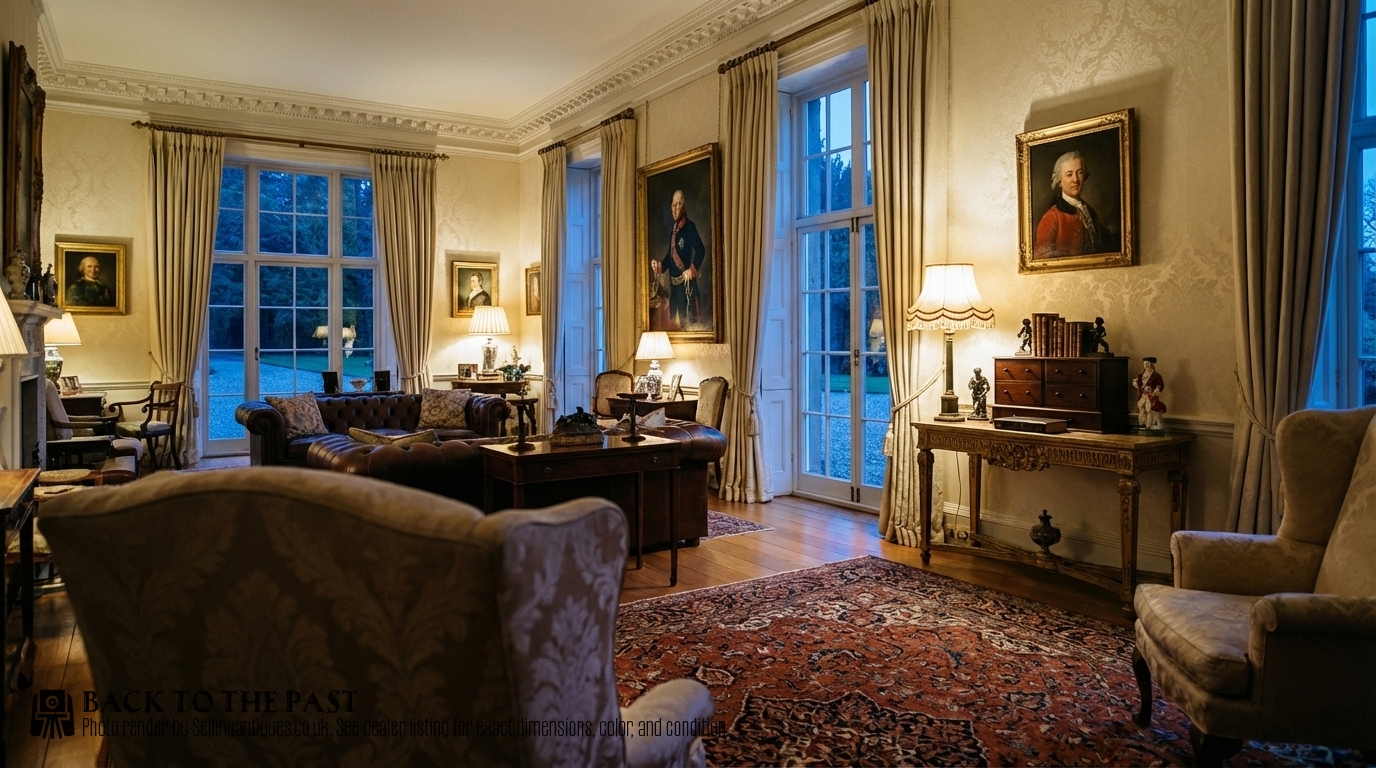
Wooden Desk Organiser
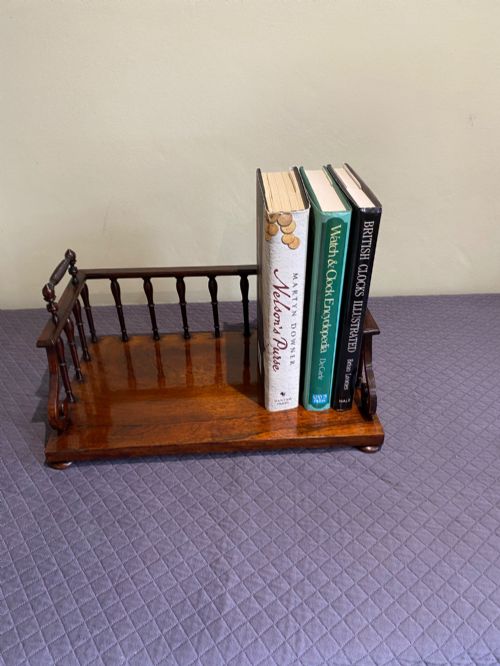
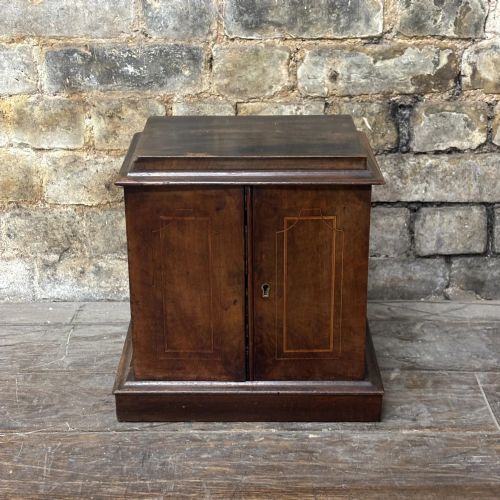
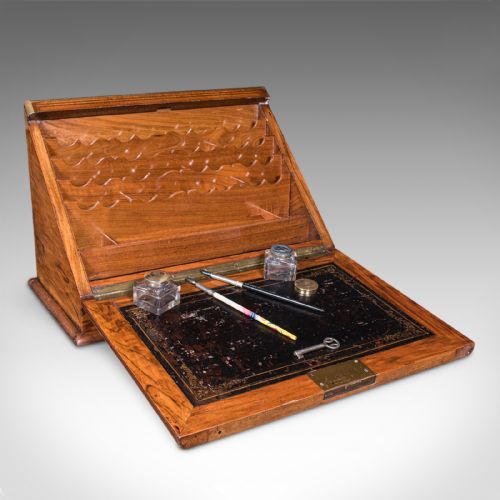
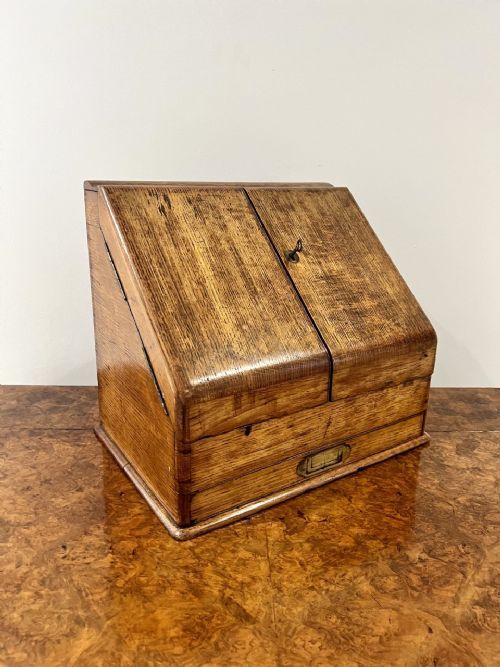
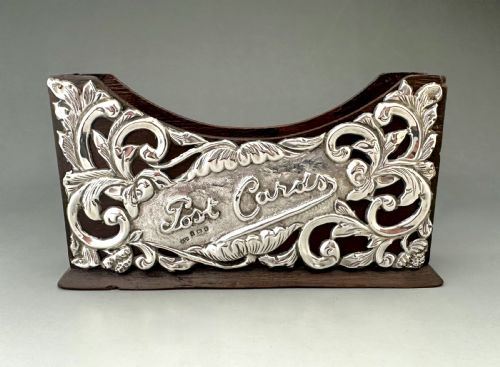
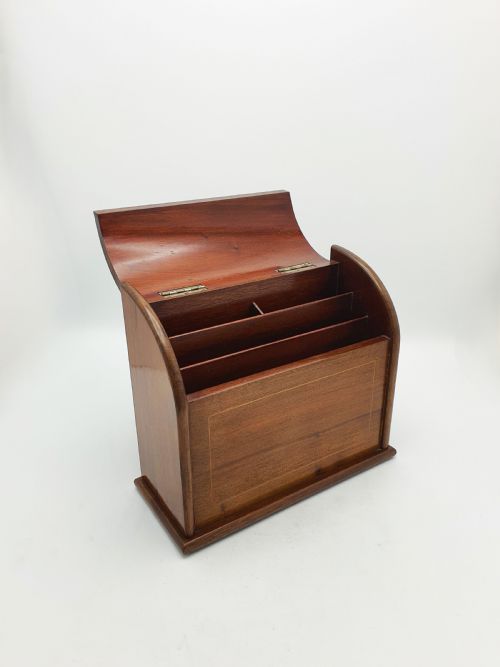
A wooden desk organiser encompasses stationery cabinets, correspondence boxes, book slides, and inkstands designed to keep workspaces tidy. Buyers search for these pieces to bring period character and practical storage to modern desks.
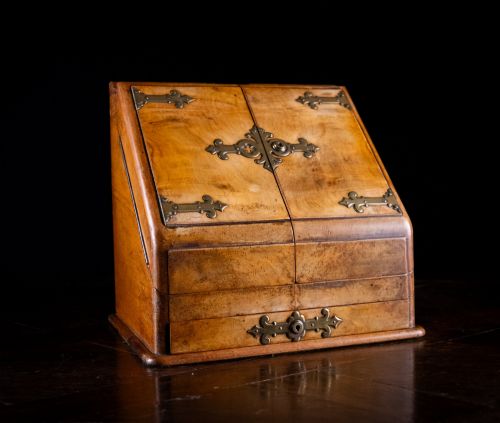
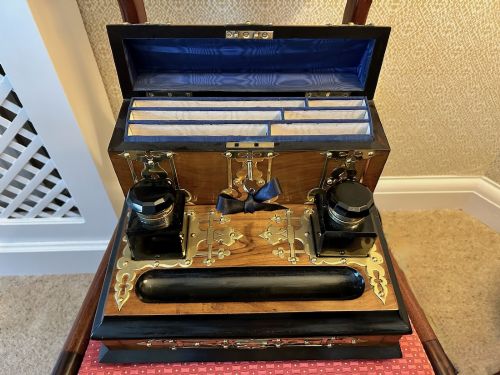
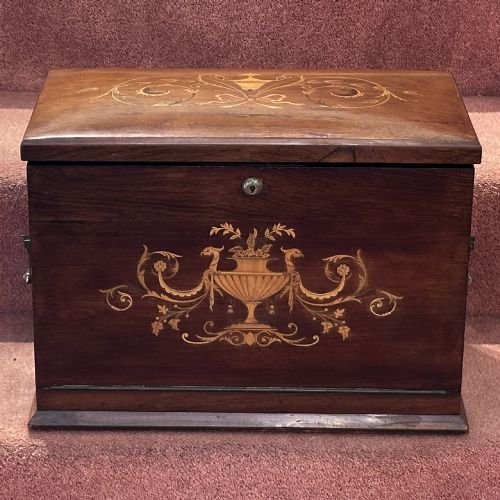
Stationery boxes and desk tidies from the nineteenth and early twentieth centuries dominate the selection. Pieces range from simple oak desk boxes to elaborate rosewood and coromandel stationery cases fitted with brass mounts.
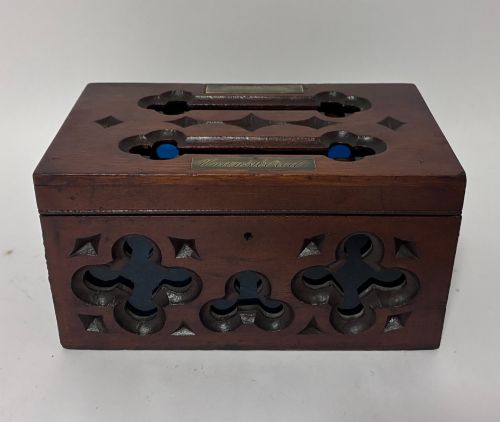
Items originate from various design movements, including Victorian Gothic Revival, Arts and Crafts, and Black Forest carving styles. These functional objects reflect the detailed desktop requirements of Georgian, Victorian, and Edwardian offices.
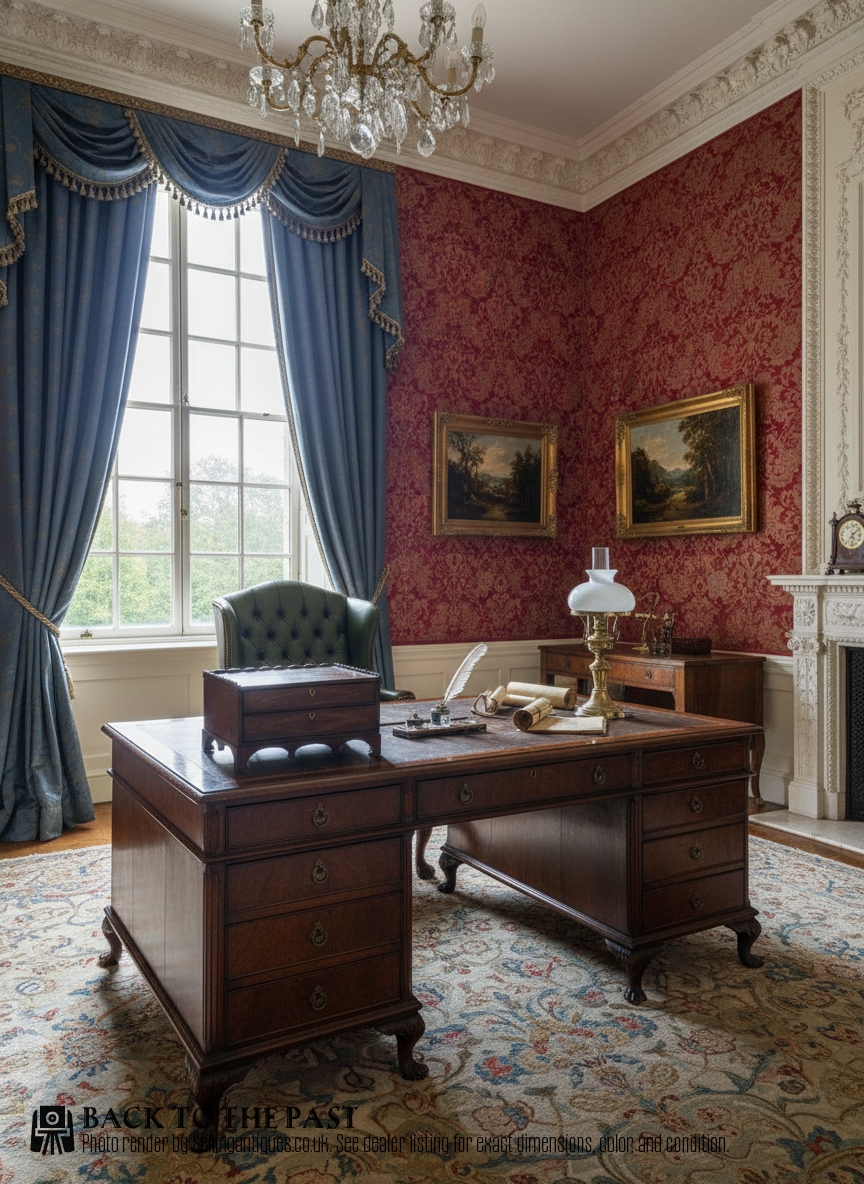
Materials and construction
Cabinet makers utilised dense hardwoods such as mahogany, oak, walnut, rosewood, and coromandel to build robust desktop accessories. These timbers often display rich natural grain patterns enhanced by French polishing.
Brass hinges, handles, and lock escutcheons reinforce the wooden structures while adding metallic contrast. Inlaid details, satinwood banding, and mother of pearl accents further embellish finer stationery cabinets and inkstands.
Wooden Desk Organiser Retail Price Guide 2026
Typical asking prices for wooden desk organiser among the pieces listed under this phrase on Sellingantiques today, from the lower quarter to the upper quarter. They describe what is for sale here now, not the wider market.
Periods represented span from the Regency era through Victorian, Edwardian, and 1920s designs.
Judging quality and craftsmanship
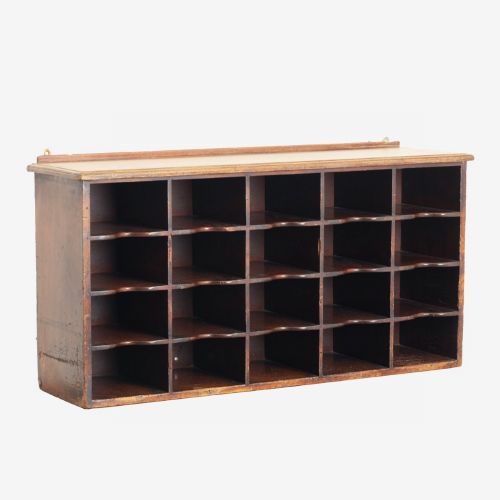
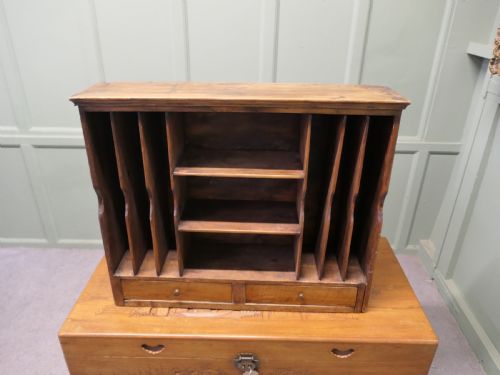
Excellence lies in the selection of timbers and the precision of internal fittings like pigeon holes and secret drawers. Superior pieces integrate durable brass hardware and seamless joinery that withstands daily use.
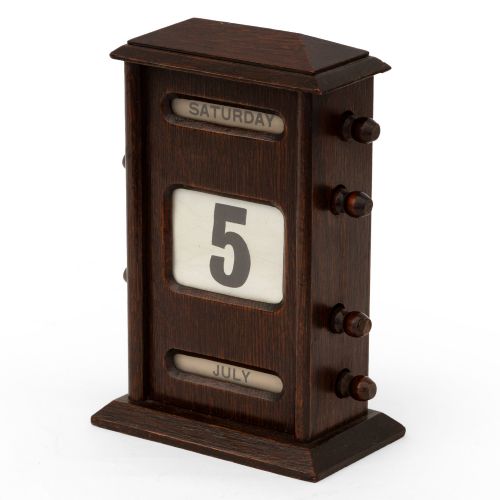
Decorative ambition separates standard boxes from exceptional examples, seen in intricate Tunbridge Ware mosaics or skilled Black Forest carving. The integration of mechanical elements, such as working calendars or extending book slides, indicates higher workshop standards.
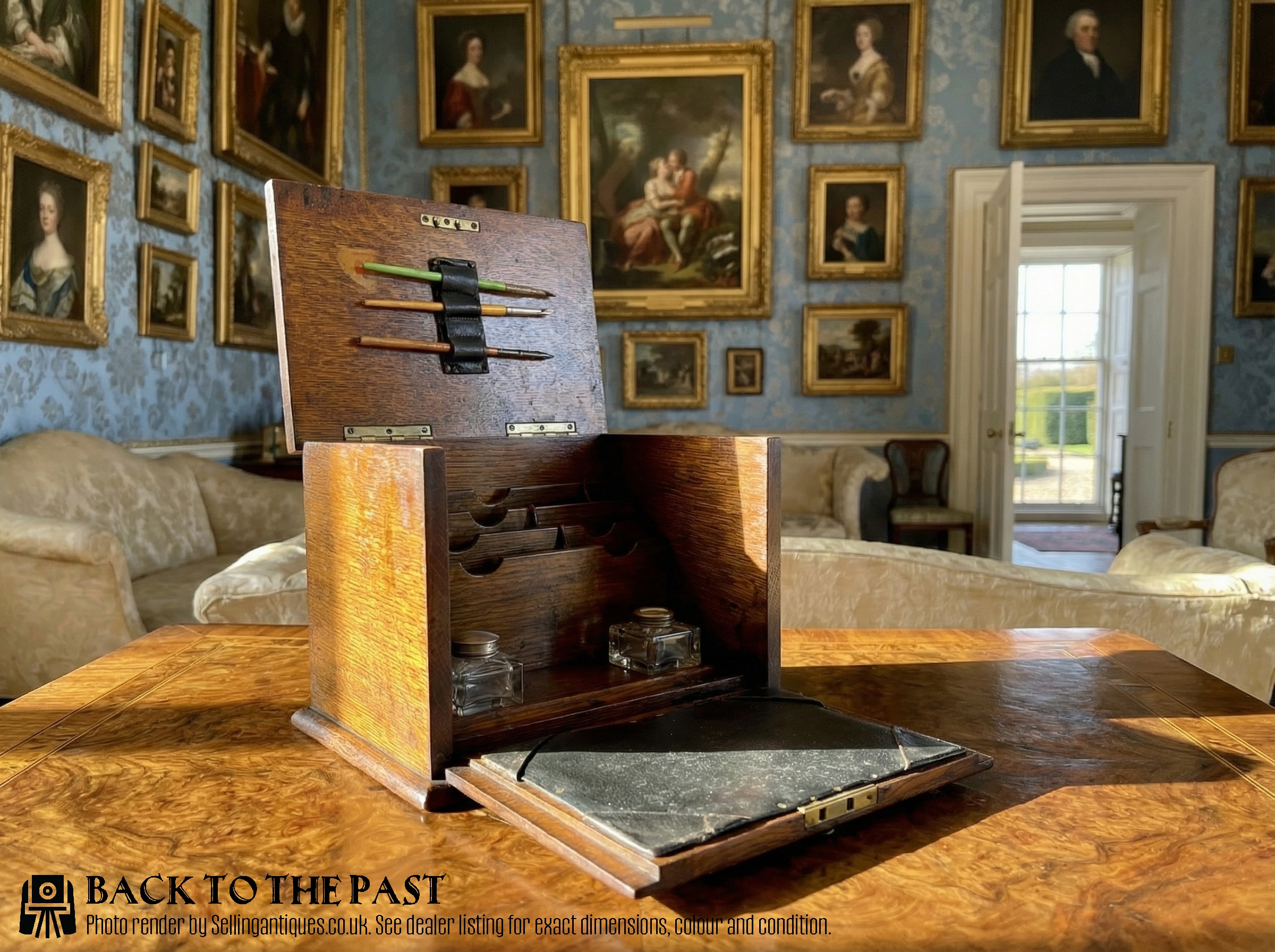
Gillows·Edmund Nye
The Wooden Desk Organiser Glossary
- Stationery box
- A tabletop cabinet designed to hold writing paper, envelopes, and correspondence. These boxes often feature sloping or gabled lids that open to reveal internal partitions.
- Book slide
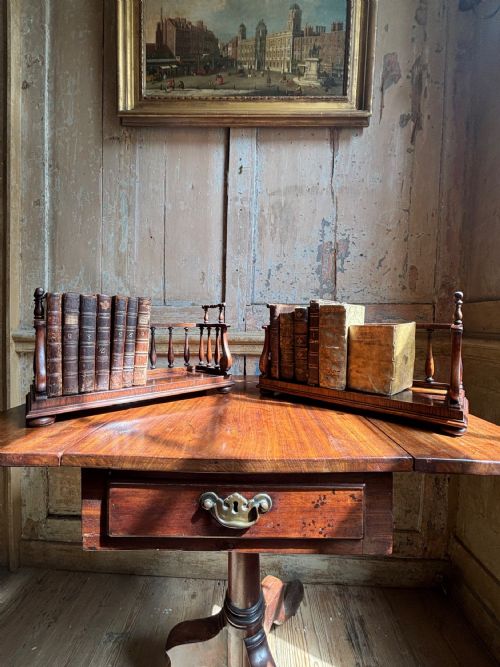
- An extending wooden rack used to hold a small selection of books upright on a desk. They often incorporate expanding metal or wooden mechanisms.
- Standish
- An inkstand or heavy tray fitted with inkwells, pen holders, and sanders for writing materials. They sit centrally on a desk surface.
- Tunbridge Ware
- Woodworking characterised by tiny mosaic tiles formed from naturally coloured woods to create pictorial designs. It appears on nineteenth-century boxes and small decorative items.
- Correspondence box
- A specialised container built specifically for sorting and storing incoming and outgoing letters. They frequently include hinged doors or drop fronts.
Wooden Desk Organiser: Frequently Asked Questions
How were stationery boxes used?
Stationery boxes sat upon writing desks to keep notepaper, envelopes, and writing implements sorted and clean. Their compartments held different paper sizes ready for daily correspondence.
Lids and fall fronts protected paper from dust and ink spills while maintaining a tidy appearance in home libraries and offices.
What is an extending book slide?
An extending book slide is a desktop rack designed to keep a row of reference books upright. The base expands or contracts to accommodate varying numbers of volumes.
Victorian and Edwardian libraries utilised these pieces to keep frequently referenced books close at hand on flat surfaces.
How do I identify a Victorian desk tidy?
Victorian desk tidies typically feature solid oak, walnut, or rosewood construction combined with brass handles and inkwell collars. They often incorporate specific compartments for pens, stamps, and blotters.
Many examples from this era display Gothic Revival influences, heavy carved details, or fitted perpetual calendars.
Are these organizers practical for daily use?
These pieces provide functional compartments that suit modern stationery, fountain pens, and small notebooks. Sturdy nineteenth-century construction makes them durable for contemporary workspaces.
Rubber feet or protective pads can be added underneath to protect modern desk surfaces from historical brass bases and hardwood.