



Wooden Commode Chest
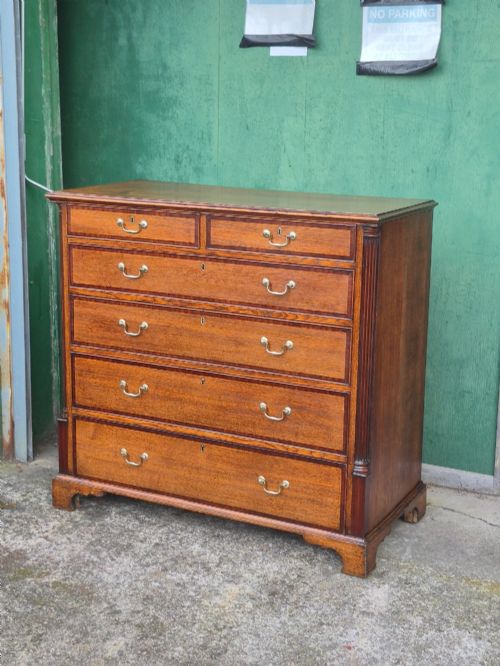
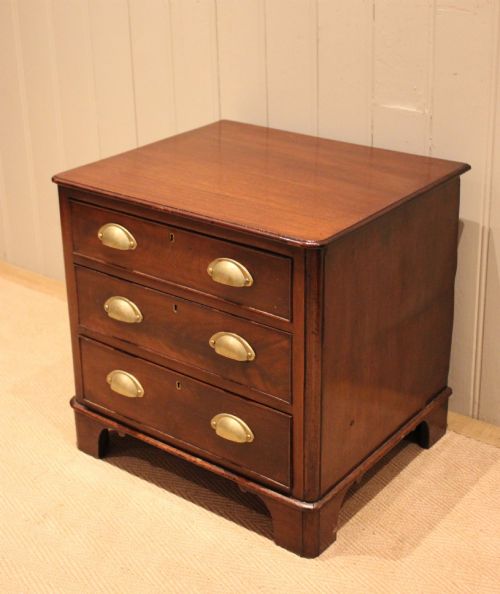
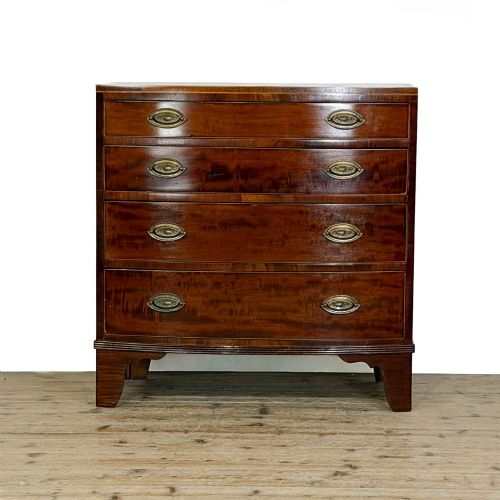
A wooden commode chest is a functional piece of storage furniture crafted from timber, offering deep drawers for domestic organisation and enduring presence.
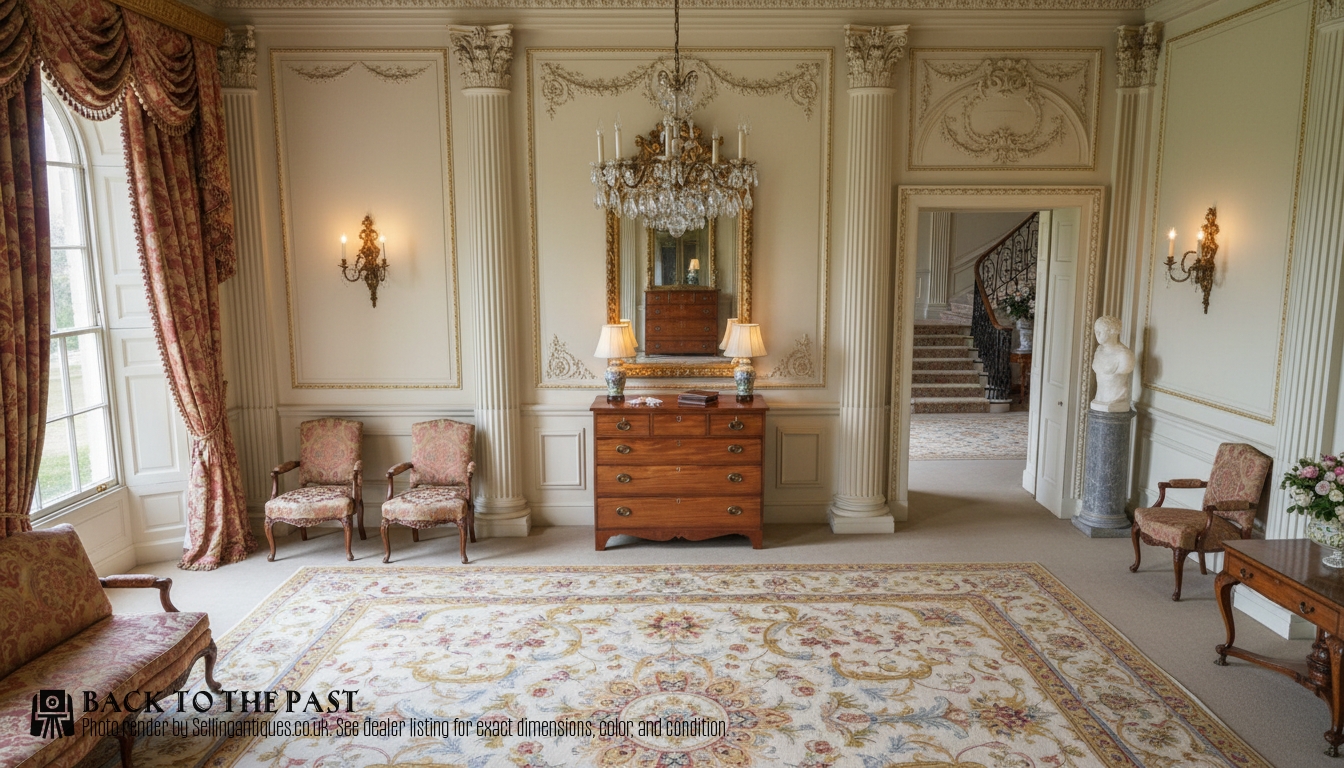
Wooden Commode Chest
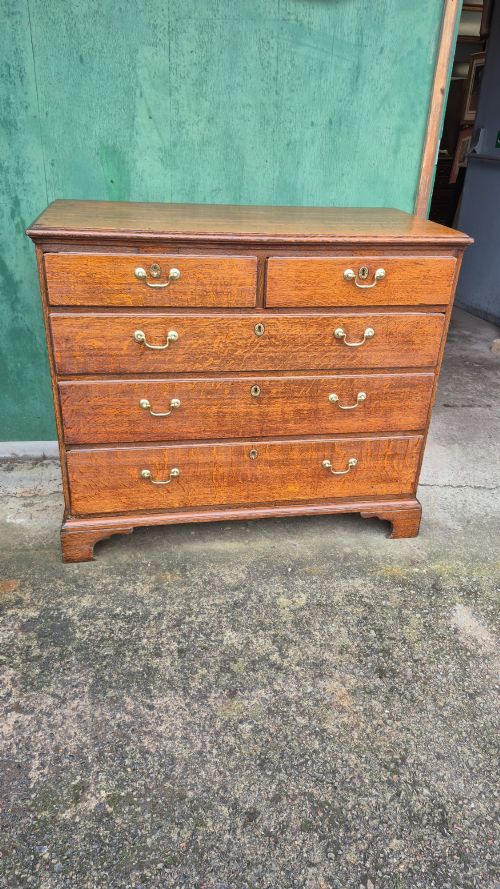
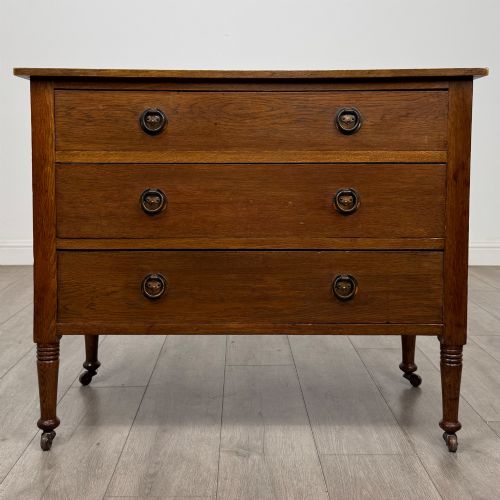
When searching for a wooden commode chest, buyers encounter a diverse range of forms, including chests of drawers and commodes spanning multiple centuries. These practical household pieces provide substantial storage capacity through stacked drawer configurations.
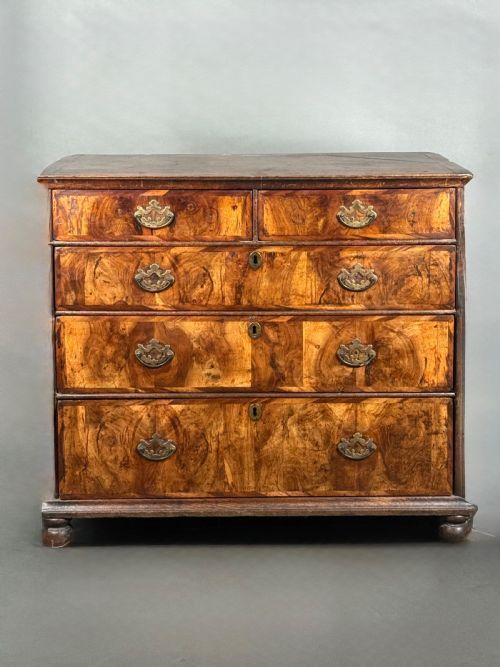
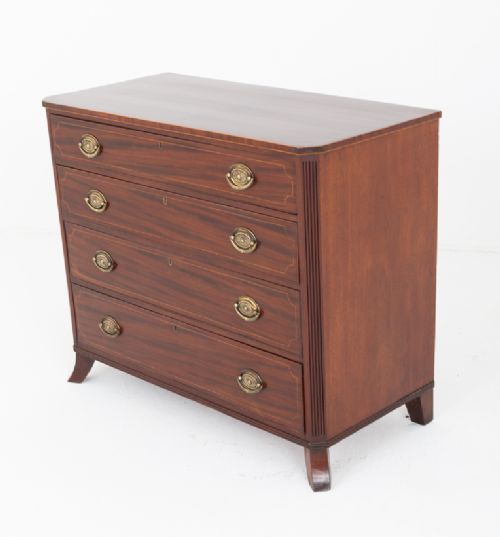
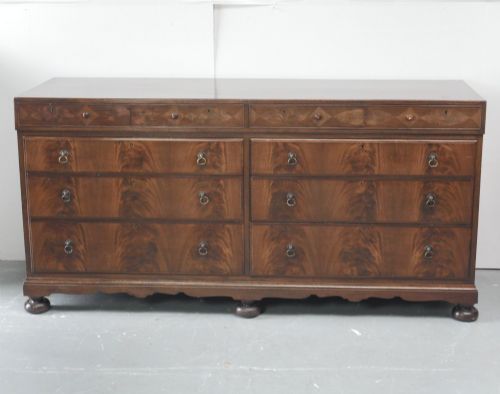
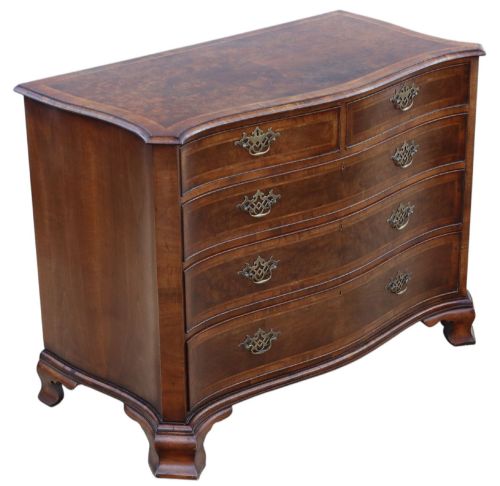
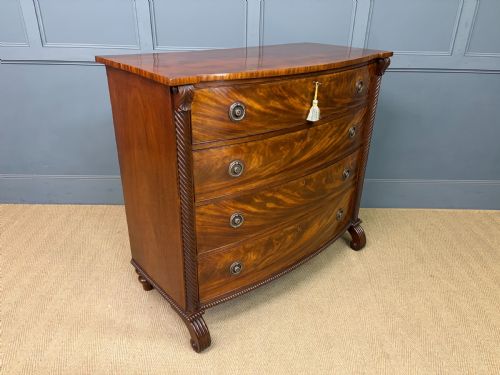
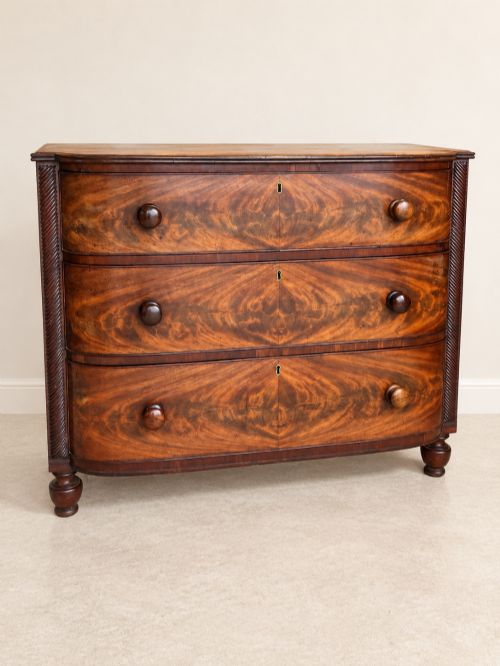
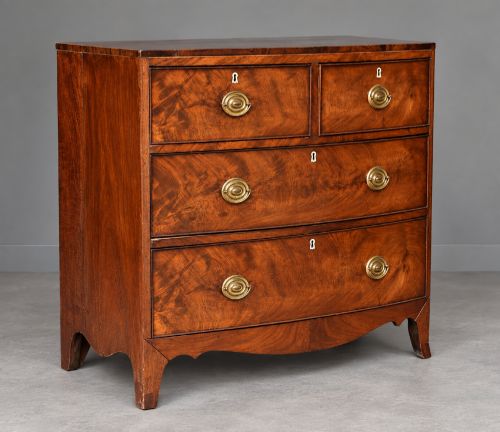
Most items take the form of upright or low chests of drawers, occasionally incorporating serpentine or bow-front profiles. Buyers frequently meet mahogany, oak, and walnut variations equipped with brass handles and functional internal fittings like brushing slides.
Materials and Construction Techniques
Cabinet makers utilised solid timbers alongside specialised veneers to build these storage pieces. Mahogany, oak, and walnut form the primary structural and visible surfaces, frequently enhanced by decorative treatments such as flame mahogany veneer and burr walnut.
Advanced woodworking methods defined the construction of finer examples, including crossbanding to accentuate drawer edges and curved fronts shaped to serpentine or bow silhouettes. Cabinet makers fitted brass hardware to secure and operate the drawers.
Some chests hide sliding shelves meant for folding linen.
Distinctions in Quality
The degree of refinement in timber selection separates standard pieces from exceptional examples. Figured veneers, burr elm, and highly grained walnut demand superior woodworking skill to apply successfully across large drawer surfaces and curved fronts.
Sophisticated architectural outlines, such as serpentine silhouettes or integrated brushing slides, indicate higher ambition in the original commission. The integration of quality brass handles and balanced proportions further distinguish the finer pieces.
Whytock & Reid·Sir Clough Williams-Ellis
The Wooden Commode Chest Glossary
- Bow front
- A convex, curved front on a chest of drawers that projects outwards centrally. This stylistic feature softens the linear geometry of traditional case furniture.
- Serpentine front
- A furniture front characterised by a wavy contour, typically curving outward in the centre and inward at the sides. It requires precise woodworking to execute successfully.
- Brushing slide
- A pull-out shelf integrated above the top drawers of a chest, historically used for grooming or folding clothes. It slides flush into the cabinet frame when not in use.
- Crossbanding
- A decorative border technique where thin strips of veneer are laid perpendicular to the grain of the surrounding wood. This frames drawer fronts and top panels.
- Figured wood
- Timber displaying distinctive, natural grain patterns such as swirling or mottling. Craftsmen selected these sections for prominent display on drawer fronts.
Wooden Commode Chest: Frequently Asked Questions
How were these chests used historically?
Historically, these chests served as essential bedroom or dressing room furniture for holding clothing, linens, and personal valuables. The top surface often held mirrors, washing basins, or decorative objects.
Certain variations included sliding shelves, known as brushing slides, which provided a temporary surface for folding garments or grooming without requiring a separate table.
How do I date a wooden chest?
Dating a chest involves examining the secondary timbers, construction methods, hardware, and stylistic details. Earlier eighteenth-century pieces often display hand-cut dovetails and specific wood selections like figured walnut or early oak.
Later nineteenth-century and Edwardian examples shift towards different proportions, machine-assisted elements, and standardised Victorian or Edwardian stylistic revivals.
How do I live with antique chests?
Living with these chests involves placing them away from direct heat sources and strong sunlight to protect the timber and polished surfaces. Maintaining stable indoor humidity prevents the wood from drying out or warping.
Their robust construction makes them practical for modern storage in hallways, living rooms, and bedrooms, where they provide both surface space and deep drawer capacity.