
Louis XV Bombe Chest
A louis xv bombe chest brings sweeping Rococo curves and rich veneers into a room, offering the definitive silhouette of eighteenth-century French cabinetmaking.
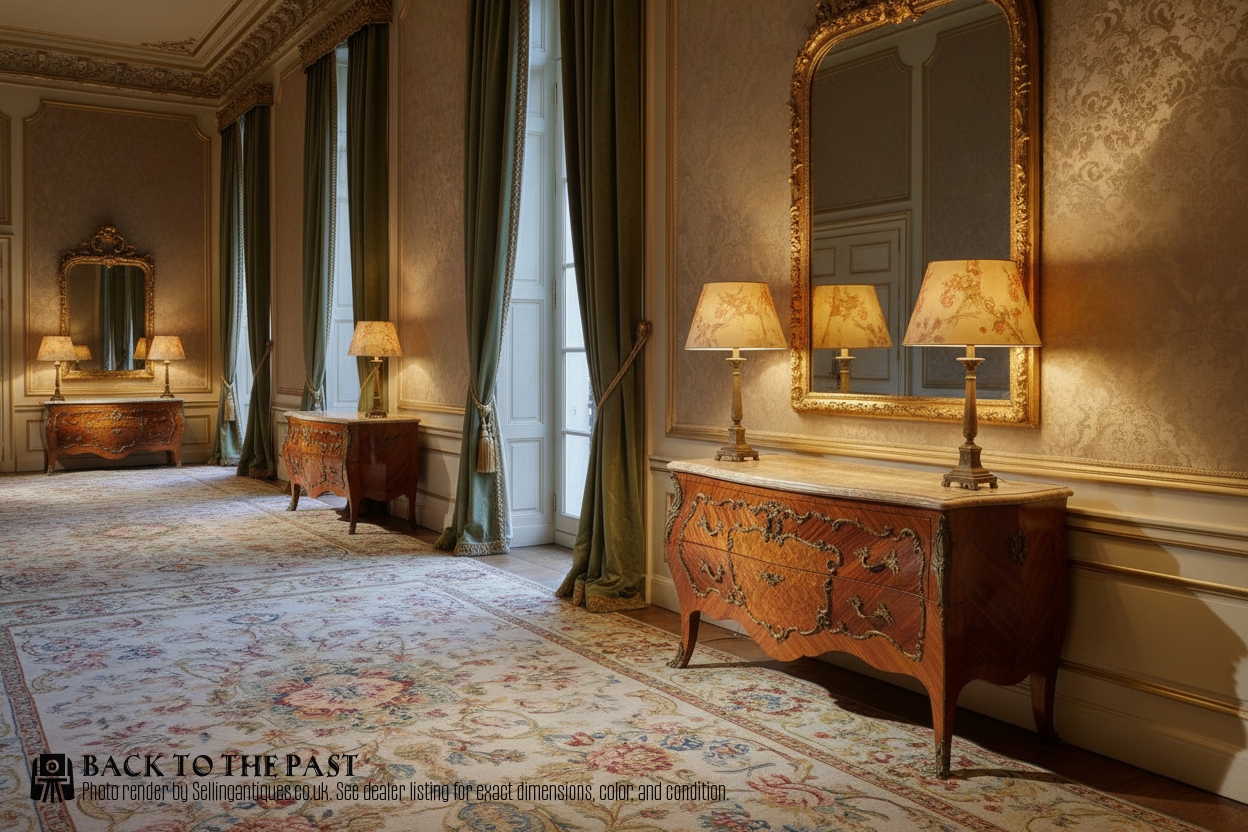
What a louis xv bombe chest is
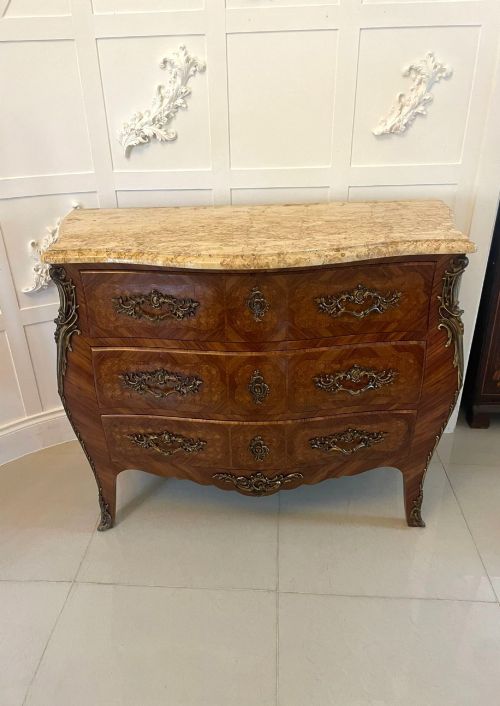
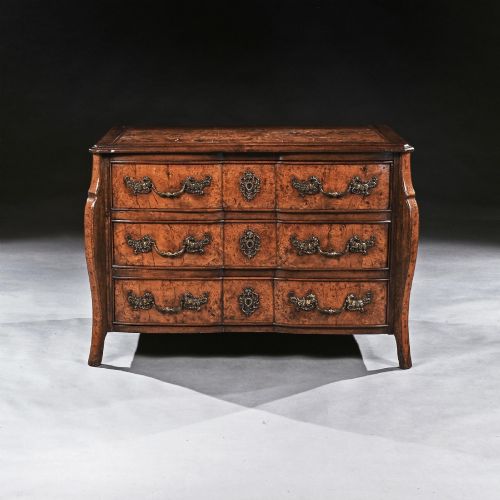
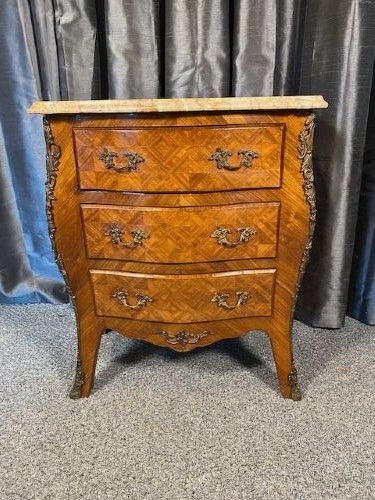
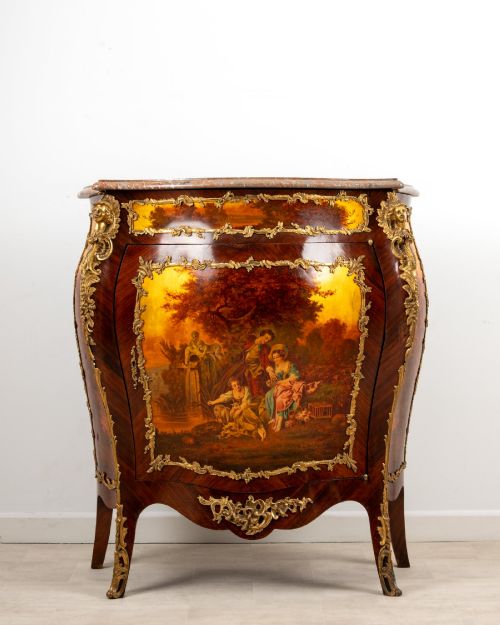
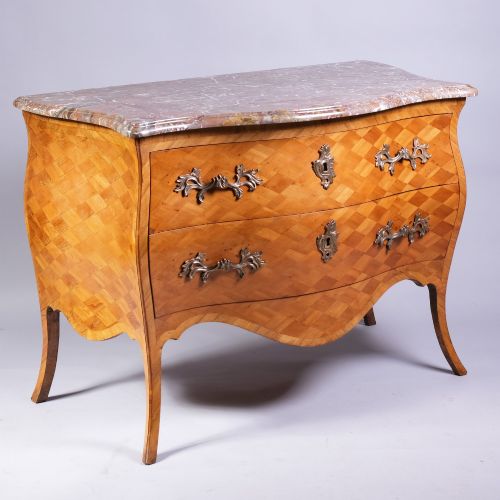
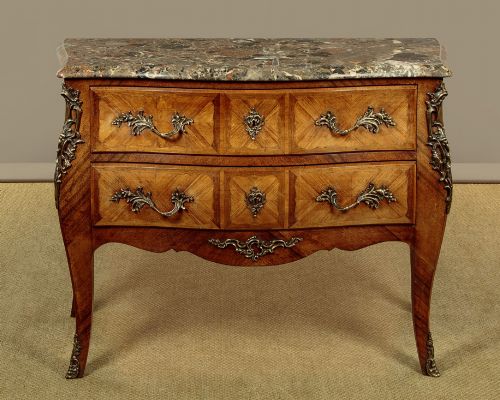
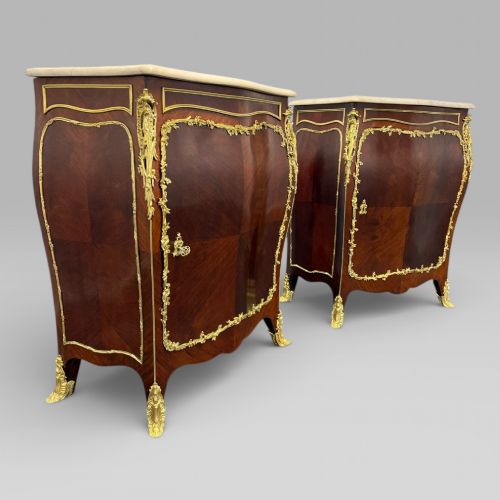
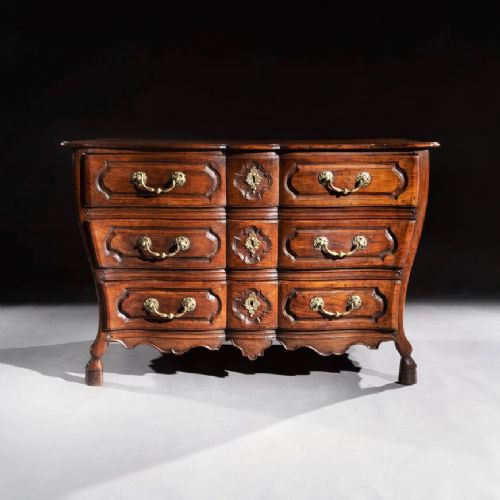
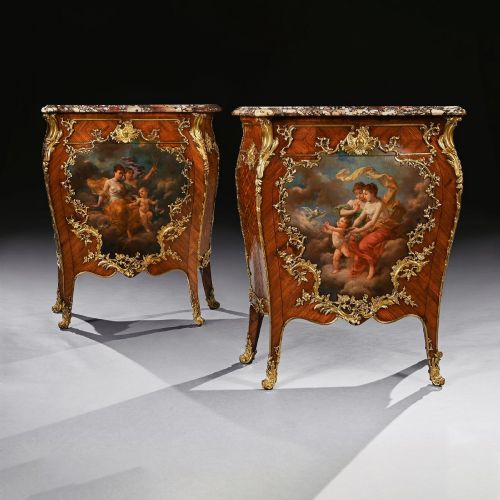
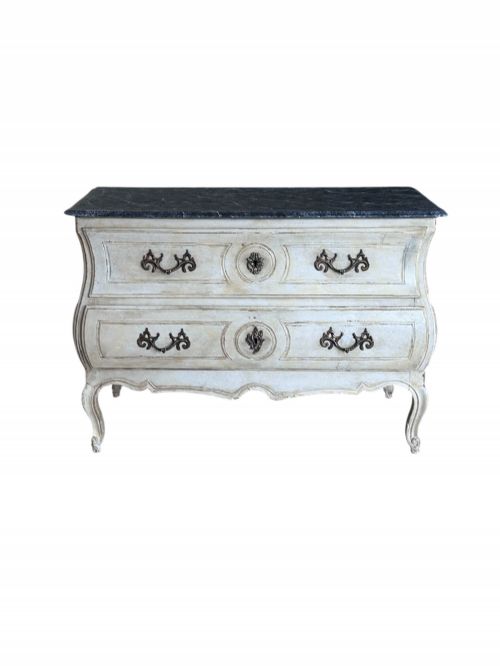
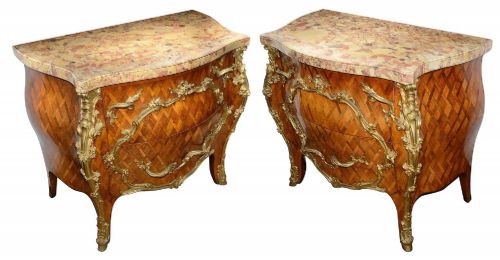
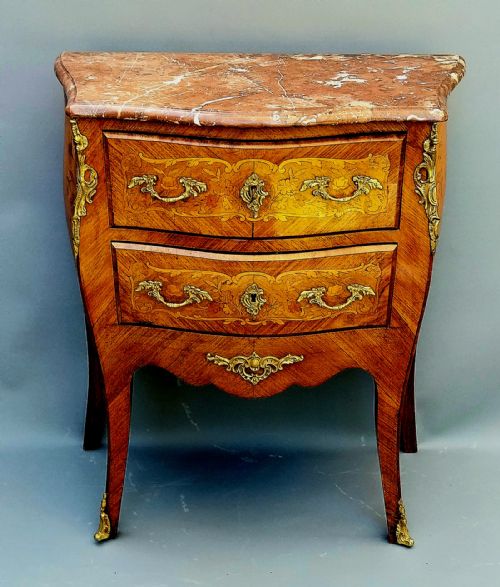
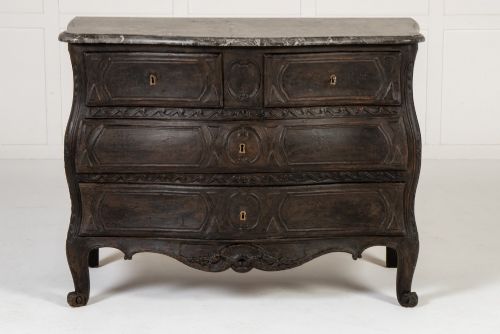
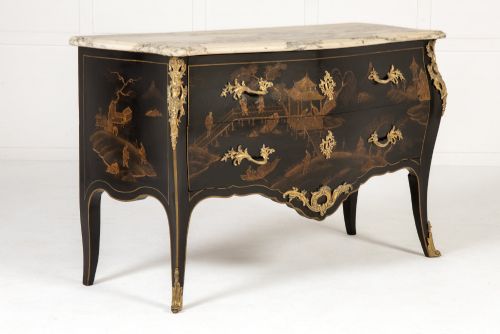
When searching for a louis xv bombe chest, collectors encounter works spanning the eighteenth century through to Victorian and later revivals. The form is fundamentally a commode or chest of drawers distinguished by an outward-swelling, bulging profile on the front and sides.
Most examples met on this page belong to the Louis XV revival periods of the nineteenth and early twentieth centuries, alongside genuine eighteenth-century pieces. These storage pieces appear in various proportions, from petite bedside cabinets to large double-drawer commodes.
Makers and cabinetmakers working in the French provincial and revival traditions produced these chests of drawers using distinct regional styling. The overarching design prioritises fluid asymmetry and movement over rigid geometric lines.
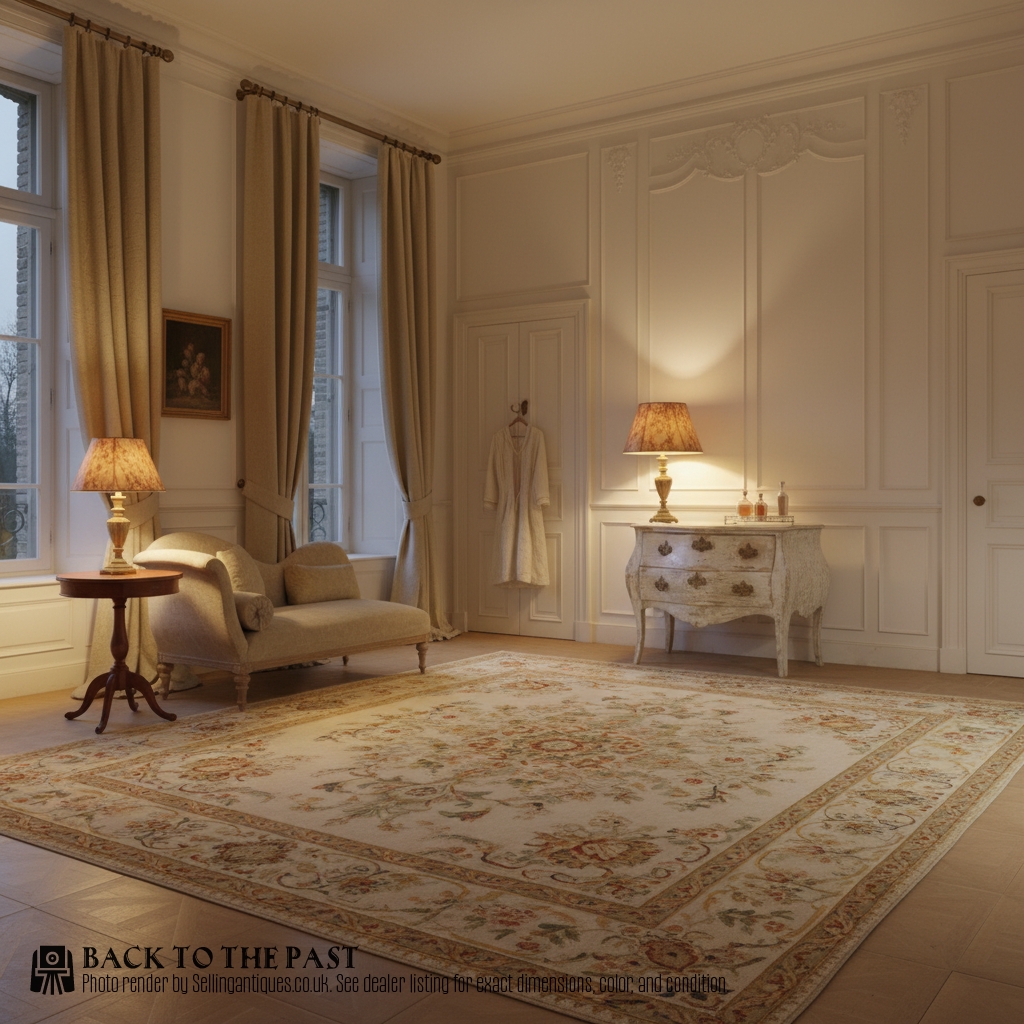
How they were made
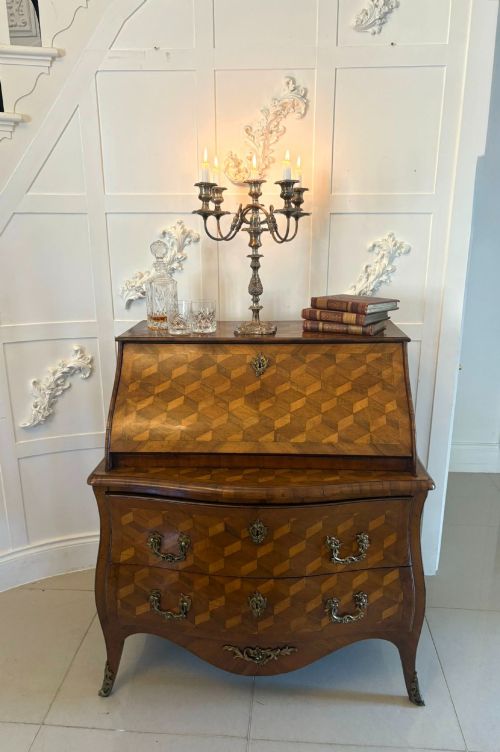
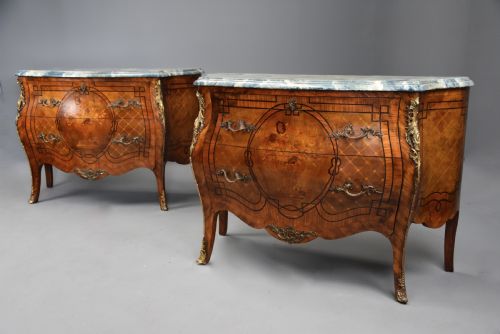
Makers constructed these commodes by applying fine veneers of kingwood, walnut, and tulipwood over sturdy carcases. Marquetry and parquetry patterns arranged the wood grain to create geometric or floral motifs across the curved surfaces.
Heavy cast bronze and ormolu mounts accentuate the corners, handles, and apron, following the organic contours of the wood. Heavy marble slabs, shaped to match the undulating outline, form the top surface of the chest.
Retail Price Guide 2026
Typical UK retail prices for louis xv bombe chest, calculated from the Sellingantiques database of over a million retail prices indexed since 2003. This retail price guide relies exclusively on Sellingantiques data; no external sources or auction records are used, so the figures do not describe the wider market.
Listings feature walnut, kingwood, tulipwood, and marble alongside bronze and ormolu mounts.
What varies in quality
The sophistication of the bronze or gilt metal mounts separates standard revival pieces from finer works. Crisp chiselling in the metalwork and thick, substantial marble tops indicate higher execution standards.
The fluidity of the bombe curvature and the precision of the veneer matching across compound curves dictate the overall success of the piece. Subtle transitions in the wood grain reveal the skill involved in shaping timber to the swollen frame.

The Louis XV Bombe Chest Glossary
- Bombe
- A swelling, bulging outward contour found on the sides and fronts of furniture. This characteristic shape requires advanced cabinetmaking skill to execute across curved planes.
- Ormolu
- Gilded bronze used for decorative mounts and furniture fittings. The material provides bright metallic highlights against dark cabinet woods.
- Marquetry
- The art of applying decorative pieces of veneer to a structure to form designs. Artisans cut different coloured woods to create pictorial or abstract patterns.
- Kingwood
- A dense, heavily figured exotic timber prized for its rich brown colour and dark grain. It frequently appears as the primary veneer on French revival furniture.
- Commode
- A low chest of drawers designed for domestic storage. In eighteenth-century France, this form became the principal storage furniture of the drawing room.
Frequently Asked Questions
What is a bombe chest?
A bombe chest is a storage commode characterised by convex, swelling curves on the front and sides. The silhouette emerged in France during the eighteenth century as a departure from straight-lined cabinetwork.
Craftsmen shaped the wooden carcase to bulge outward, creating a dynamic, sculptural profile that defined the Rococo aesthetic.
How do I date a commode?
Dating requires examining the construction methods, wood types, and mounting styles used on the piece. Eighteenth-century examples display hand-cut dovetails and period-specific bronze chasing, whereas revival pieces from the Victorian era often show nineteenth-century manufacturing techniques.
Comparing the secondary woods inside the drawers provides further clues regarding the period of manufacture and regional origin.
Where should I place it?
These chests function well as statement furniture in living rooms, hallways, or bedrooms. Their decorative marble tops and ornate mounts mean they benefit from placement where light catches the bronze and polished wood.
Consider the clearance needed for the swelling shape, as the curved silhouette extends further than standard rectangular cabinets.
Are marble tops original?
Marble tops on French commodes were typically fitted to the piece from the workshop to follow the exact serpentine and bombe contours. Heavy stone slabs provided a durable, decorative surface suited to daily use in domestic interiors.
Inspect the seating of the marble where it meets the wooden carcase to ensure it matches the profile of the underlying frame.