
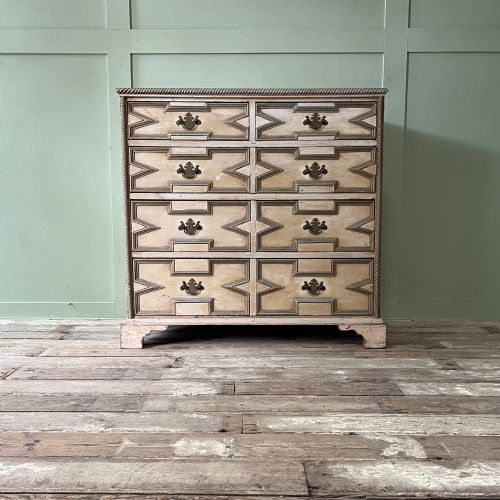
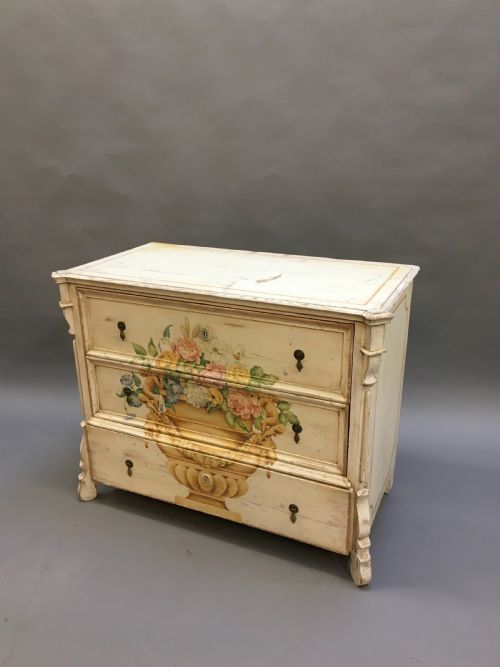


White Painted Commode
A white painted commode brings architectural grace and generous storage to a room through curved silhouettes and aged painted surfaces.
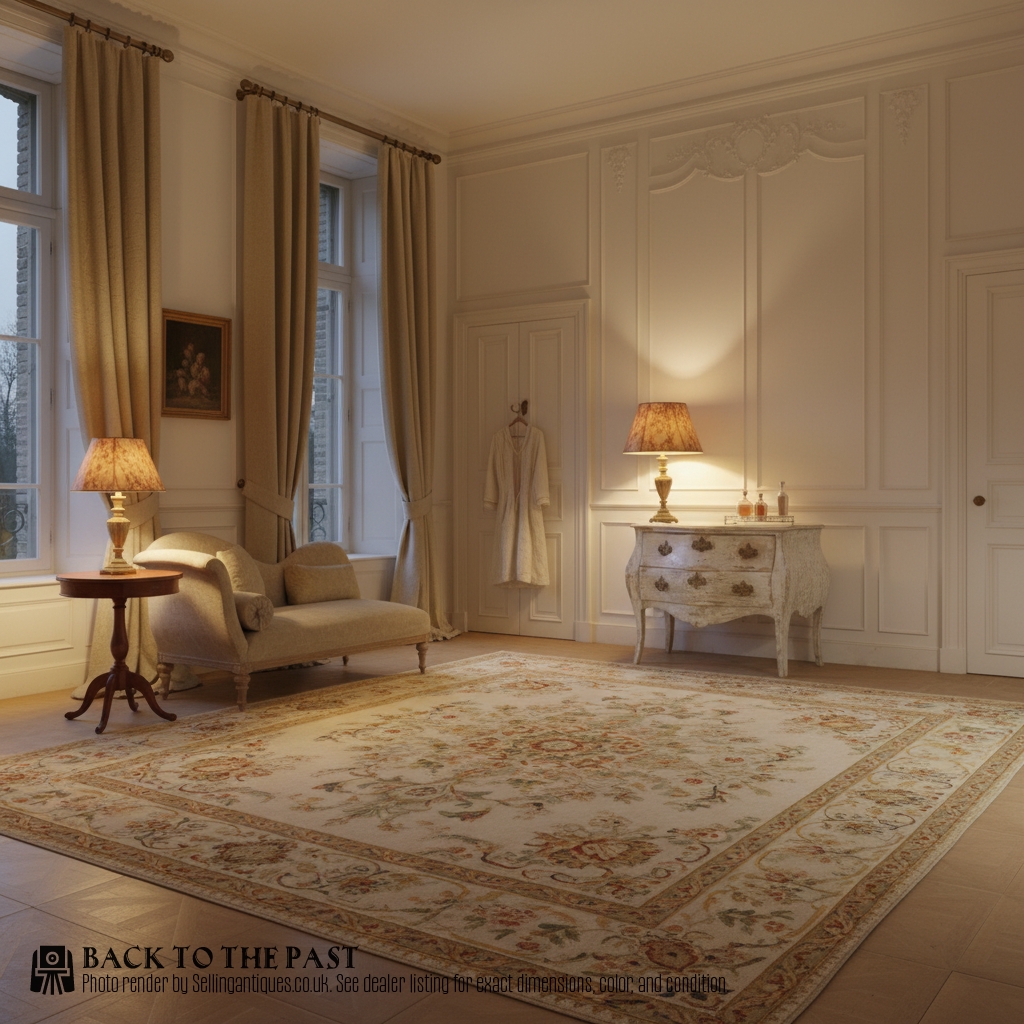
White Painted Commode
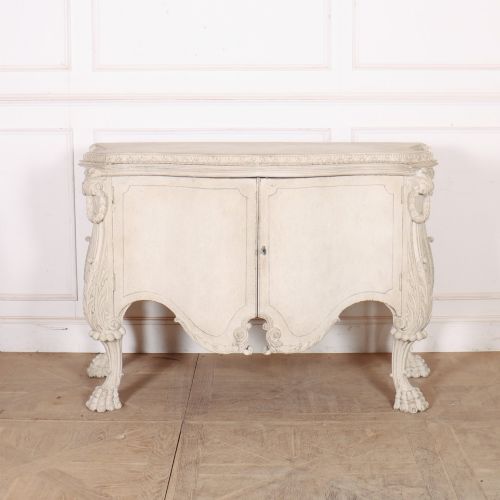
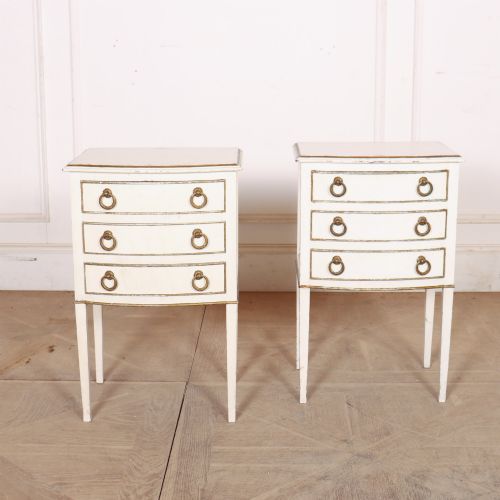
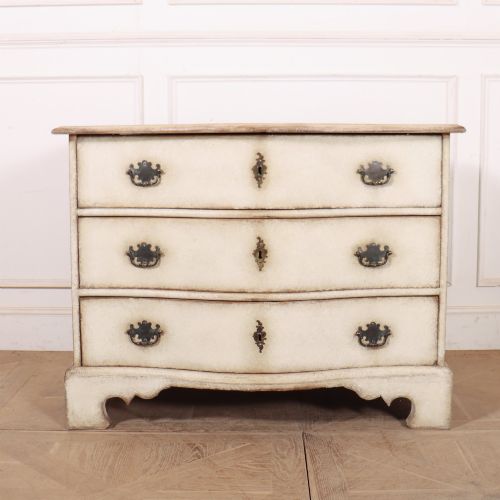
A white painted commode is fundamentally a drawer unit shaped for formal rooms, appearing most frequently in French, Swedish and Italian styles across the eighteenth and nineteenth centuries. These pieces span serpentine fronts, bombe profiles and simple chest of drawers forms.
The selection here encompasses eighteenth-century continental designs alongside nineteenth-century painted pine and Edwardian interpretations. Swedish and French regional pieces dominate the aesthetic, frequently pairing curved drawer fronts with pale painted finishes.
Makers recorded in the evidence range from major London cabinet makers like Edwards and Roberts to architects such as Sir Clough Williams-Ellis. Buyers encounter everything from grand Italian carved serpentine examples to small provincial bedside chests.
Judging quality and craftsmanship
Quality rests in the precision of the serpentine or bombe curves cut into the solid timber and the handling of the painted surface over time. Pieces featuring integrated carved decoration and fitted marble tops reflect higher tiers of cabinet making.
The integration of drawer construction, dovetailing and the proportion of the hardware relative to the painted body distinguish standard provincial work from ambitious metropolitan pieces.
The listings span pine, oak, painted wood and marble materials across eighteenth, nineteenth and early twentieth-century periods.
Edwards and Roberts·Sir Clough Williams-Ellis
The White Painted Commode Glossary
- Commode
- A low chest of drawers or cabinet designed for domestic storage. Originating in France, the form evolved from heavy cupboards into elegant drawer units.
- Serpentine
- A shape featuring a concave centre flanked by two convex ends, creating a gentle wavy front. This contour demands high carpentry skill.
- Bombe
- A bulging, swelling chest profile where the sides and front curve outward. This dramatic baroque shape appears on Dutch and continental examples.
- Gustavian
- The Swedish interpretation of French neoclassical style, characterised by pale painted finishes and restrained classical carving. This aesthetic defines many pieces here.
- Rococo
- An ornate design style marked by asymmetric C-scrolls, shell motifs and fluid lines. It heavily influences French and Italian pieces from the eighteenth century.
White Painted Commode: Frequently Asked Questions
What is a white painted commode used for?
These cabinets serve as principal storage chests for linen, clothing and household items while functioning as decorative surfaces in hallways or bedrooms.
The flat timber or marble tops also hold lamps, mirrors and decorative objects, combining utility with display space.
How do I identify a Swedish commode?
Swedish pieces typically display pale painted pine surfaces, often white or cream, with Gustavian or simpler country proportions.
They rely on understated moulding and clean painted finishes rather than heavy gilt or excessive carving.
What is a serpentine front?
A serpentine front describes a drawer configuration that curves inward in the middle and outward toward the corners.
This undulating shape requires precise joinery and marks pieces intended for formal reception rooms.
Are these pieces eighteenth century?
The selection includes genuine eighteenth-century pieces alongside nineteenth-century interpretations and later revivals.
Dating relies on timber selection, construction methods behind the painted surface, and regional stylistic traits.