
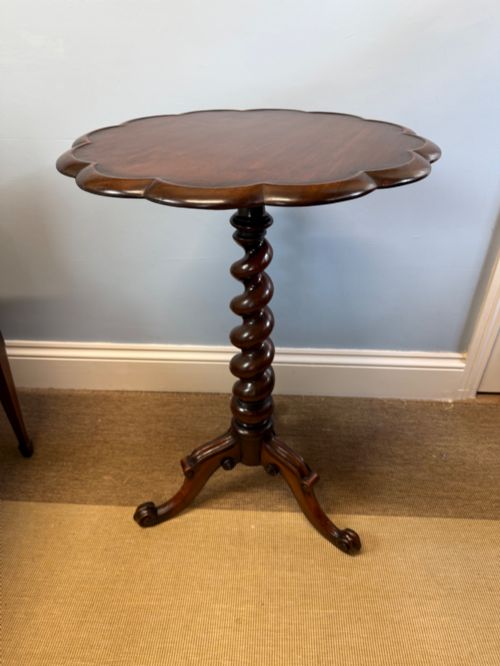
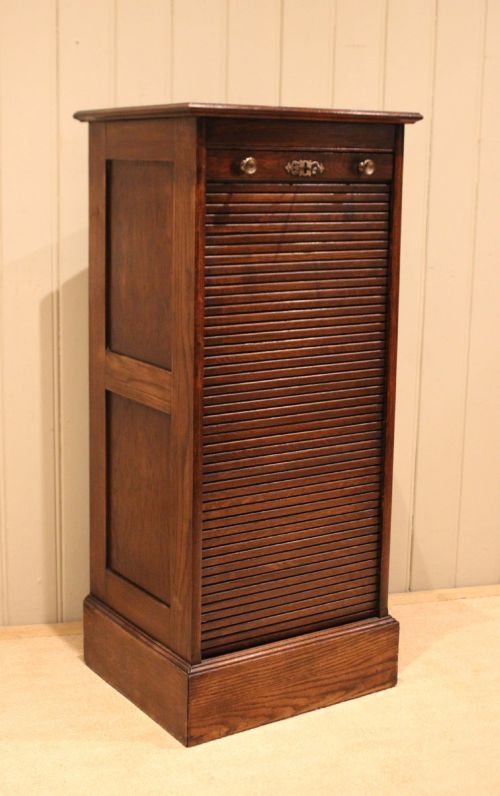
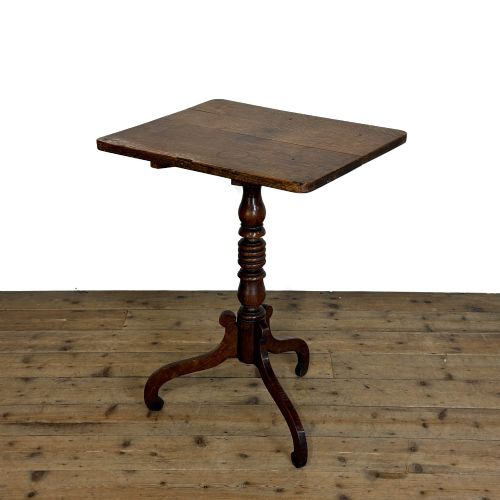
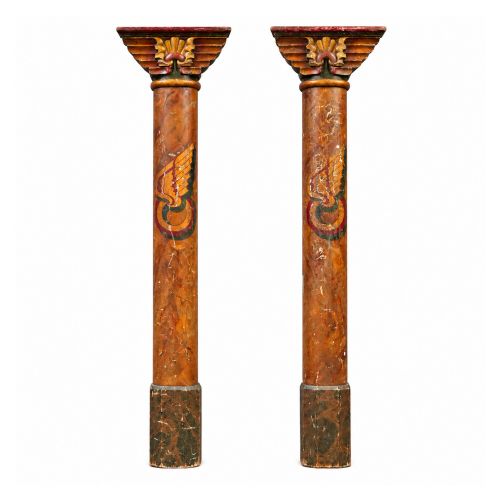
Wooden Column Pedestal
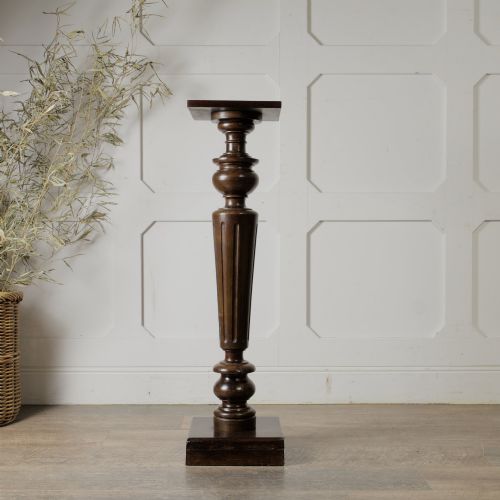
A wooden column pedestal lifts a sculpture, bust or plant to command the room.
Wooden Column Pedestal
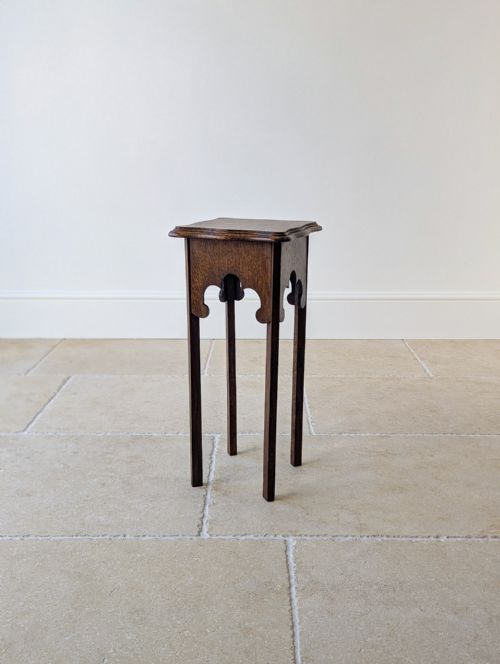
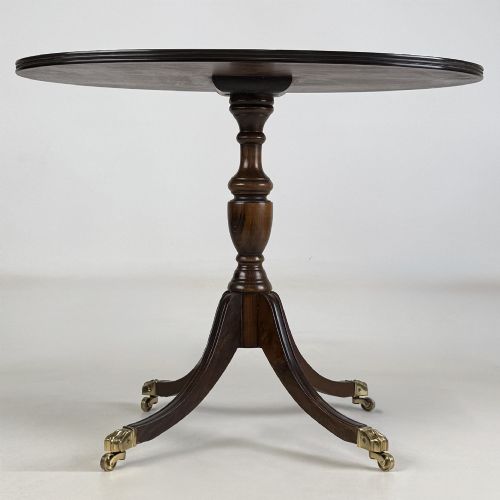
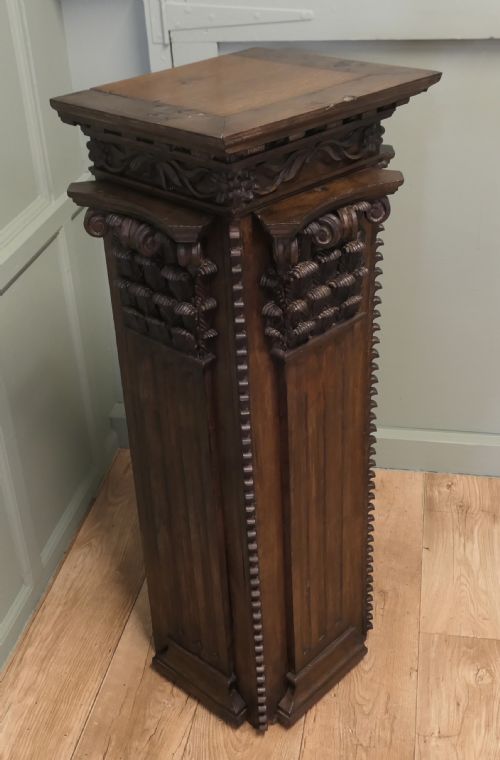
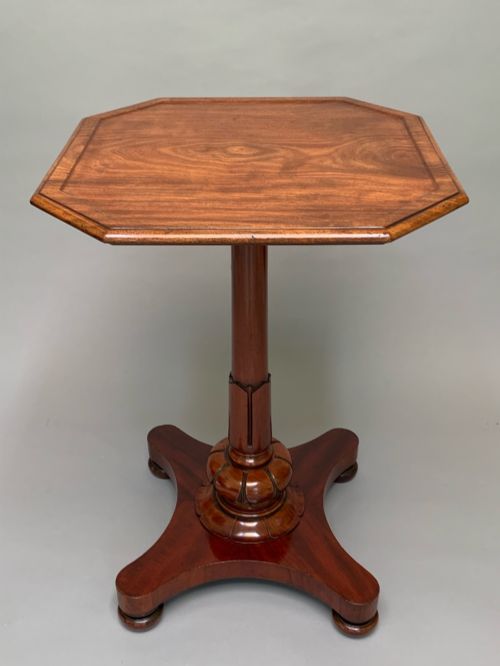
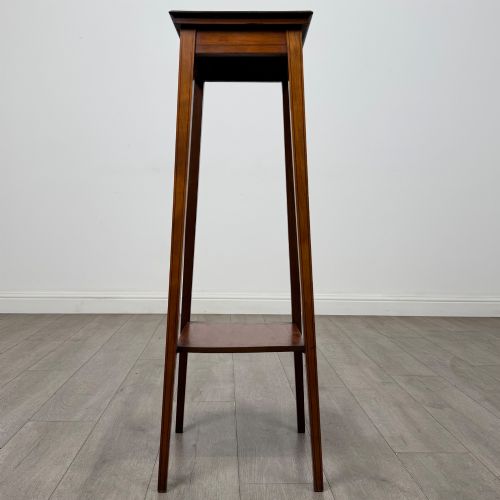
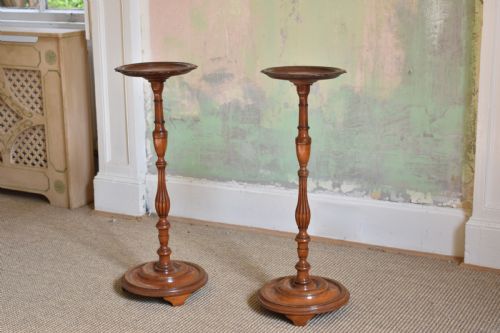
A wooden column pedestal serves as a raised display platform for plants, urns, busts and lamps in domestic interiors. These pieces take the form of tall torchères, plant stands and architectural columns spanning the Victorian, Edwardian and Georgian eras.
The buyer meets diverse regional interpretations on this page, ranging from English mahogany and oak supports to continental Baroque walnut pillars and French carved display columns. Many date from the nineteenth and early twentieth centuries, with occasional eighteenth-century examples and revival pieces appearing among the stock.
Design and execution
Quality rests upon the crispness of the hand-carving, the weight and stability of the base, and the choice of timber figure. Heavy solid walnut or figured mahogany supports command attention through depth of grain and confident proportion.
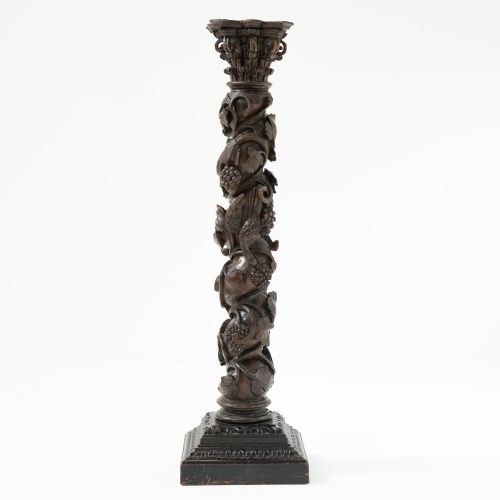
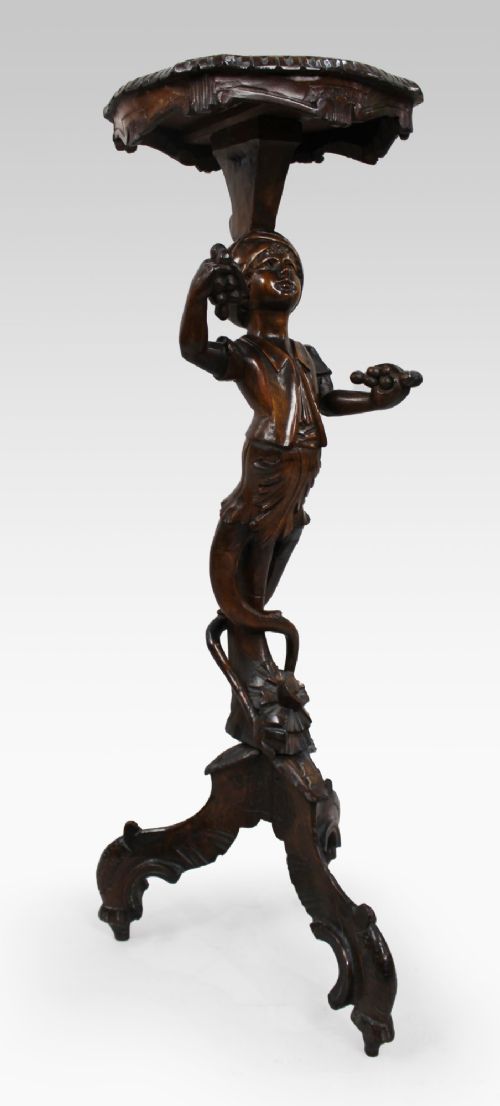
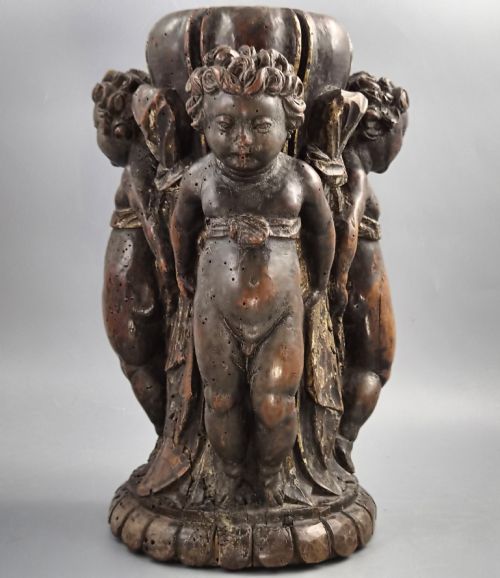
Plain turned utility stands sit at one end of the scale, whilst sculptural Italian Baroque bases featuring putti, figural carving or Solomonic twist columns represent the finest achievements of workshop craftsmanship.
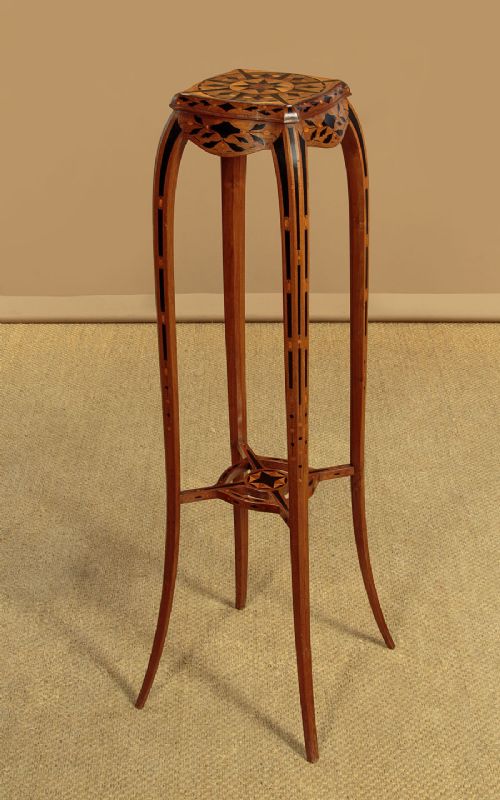
Listings feature oak, mahogany, walnut, satinwood and painted finishes across nineteenth-century and Edwardian periods.
Shoolbred·WMF
The Wooden Column Pedestal Glossary
- Torchère
- A tall, slender stand designed specifically to hold a light source, candle or small decorative object. These elevated supports often feature circular tops and decorative columns.
- Solomonic
- A helical twist column shape resembling a corkscrew, frequently seen on seventeenth and eighteenth-century architectural pedestals. This spiralling form creates dynamic movement in carved timber.
- Plinth
- The heavy flat base or lower block upon which a column or statue rests. A well-proportioned plinth ensures stability for tall vertical display pieces.
- Jardinière
- A decorative receptacle or stand intended to hold a plant or flower arrangement. These pieces often incorporate waterproof liners or raised gallery edges.
Wooden Column Pedestal: Frequently Asked Questions
What is a wooden column pedestal used for?
These supports elevate sculptural objects, table lamps, urns and potted plants to eye level within a room. Their vertical profile draws the eye upward and adds architectural interest to empty corners.
Historically, tall torchères also held candles or oil lamps to illuminate dark hallways and reception rooms before electric lighting became widespread.
How do I style a pedestal at home?
Place a standalone column in an unused corner, beside a fireplace, or flanking a doorway to create visual balance. Ensure the top surface diameter matches the base of the object you intend to display.
Keep surrounding furniture lower to let the vertical lines of the column stand out without visual clutter competing for attention.
How can I tell the period of a pedestal?
Examine the wood species, turning style and joinery methods to determine age. Victorian pieces often employ heavy carved mahogany, while Edwardian examples frequently feature satinwood inlay or slender proportions.
Revival pieces copy earlier Georgian or Baroque forms, so look closely at tool marks, patina and wear patterns on the underside of the base for clues.
Are these pedestals stable enough for heavy items?
Most antique columns are designed with weighted or wide-spreading bases to support considerable downward weight from bronze figures, marble busts or large planters. Solid hardwood construction provides natural rigidity.
Check that the upright shaft connects securely to the top platform and base plate to ensure safe daily use.