



Wooden Coal Box
A wooden coal box is a fireside essential designed to store fuel near the hearth.
Wooden Coal Box
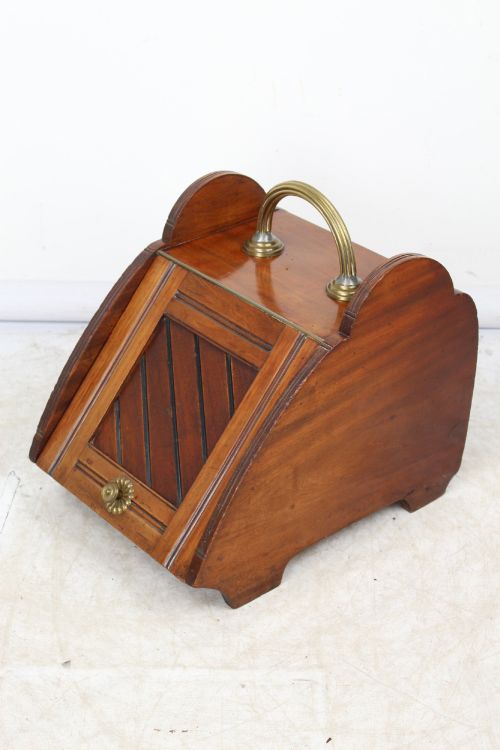
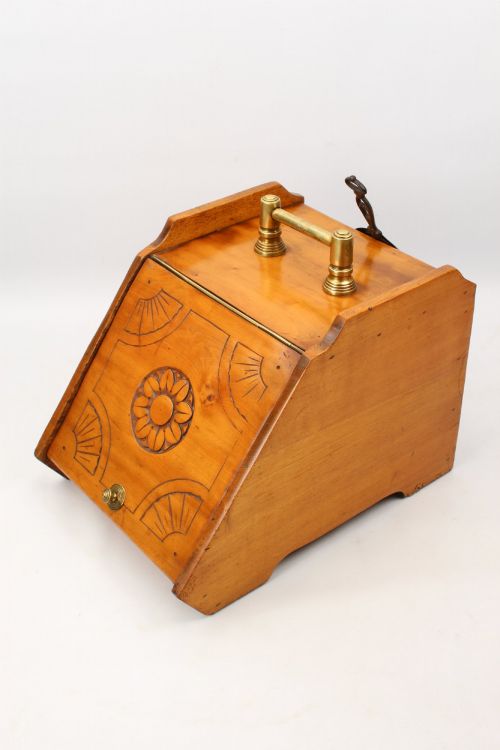
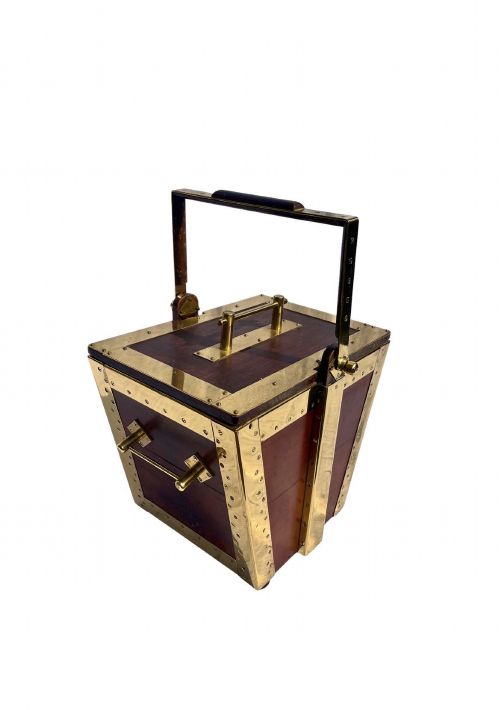
A wooden coal box serves as both a practical container and a decorative fireside accessory. When searching for a wooden coal box, buyers encounter various traditional formats including scuttles, purdoniums, and cabinets dating from the Victorian and Edwardian eras.
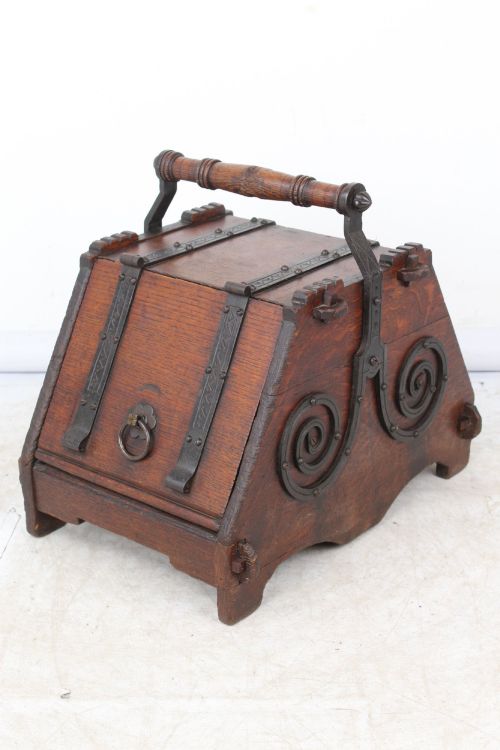
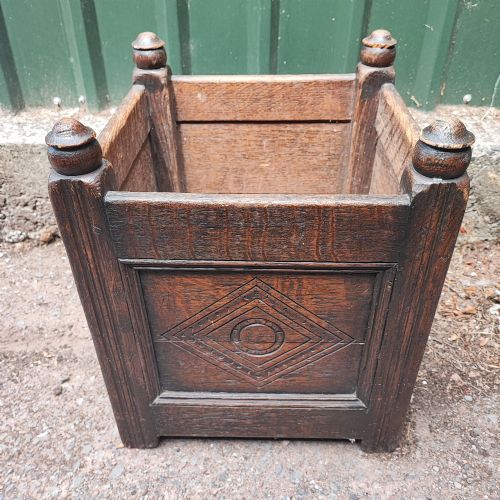
The pieces listed here showcase a range of regional and stylistic influences, spanning from rustic country oak examples to refined inlaid rosewood and mahogany cabinets. Many retain functional internal components such as metal liners and matching shovels.
Earlier Georgian and eighteenth-century items also appear alongside late nineteenth-century novelties, such as storage boxes styled as railway coal wagons. These diverse forms reflect the evolving domestic interior requirements for tidy fuel storage beside the hearth.
Materials and construction
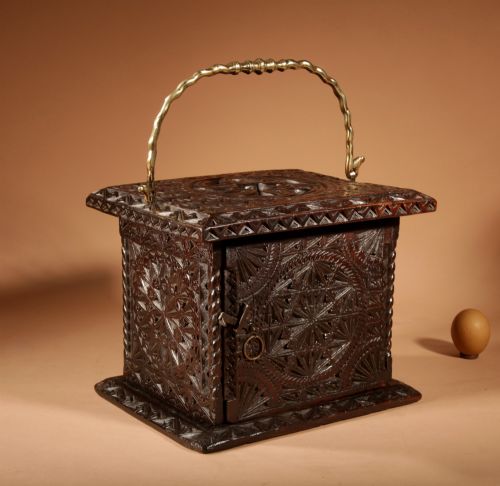
Carpenters utilised durable hardwoods such as oak, walnut, mahogany, and rosewood to construct these fireside containers, often applying carved ornamentation, marquetry inlay, or chip carving to the exterior surfaces. Cabinetmakers combined timber construction with robust metal liners to safely hold heavy fuel.
Metal mounts, handles, and hinges in brass, copper, and silver plate provide both structural reinforcement and decorative contrast against the dark wood grains. Specialised hardware mechanisms allow certain scuttles and purdoniums to tilt or drop forward for easy access.
The listings span multiple decades of domestic manufacturing, featuring woods like oak, mahogany, walnut, and rosewood.
Craftsmanship and detail
The distinction between standard utility boxes and finer examples rests upon the selection of timber and the precision of the cabinetwork. Superior pieces feature figured veneers, intricate wood carving, or delicate brass mounts rather than plain or utilitarian construction.
Completeness also dictates standing, with items that retain their original metal liners, internal coal scoops, and matching shovels commanding greater appreciation. Elaborate stylistic details, such as Louis XV influences or specialised metamorphic designs, elevate specific items above ordinary storage bins.
The Wooden Coal Box Glossary
- Coal scuttle
- A bucket or container used for carrying coal, often constructed with a hinged handle and a slanted opening for easy pouring. Wooden variants frequently incorporate a metal liner for protection.
- Metamorphic
- A descriptive term for furniture that conceals its primary function through a clever mechanical design. In this context, it refers to boxes that transform or reveal hidden compartments.
- Chip carving
- A primitive yet effective woodworking technique involving the removal of small chips from a flat wooden surface to create geometric patterns. It appears frequently on rustic or folk art pieces.
Wooden Coal Box: Frequently Asked Questions
What is a purdonium?
A purdonium is an enclosed wooden cabinet designed to hold household coal next to the fireplace. It keeps fuel neatly concealed while maintaining the tidy appearance of a formal room.
Most examples include a drop-front mechanism and an internal metal liner to catch debris and protect the surrounding timber.
How were these boxes used?
These containers sat beside the hearth to store reserve fuel for open fires. They bridged the gap between heavy outdoor coal storage and the clean interior of the living room.
Accompanying shovels and scoops allowed residents to transfer fuel directly into the grate without spilling dust on the floor.
Did they always include liners?
Many better-quality items incorporated removable metal liners to shield the wooden structure from moisture and dirt. These liners made it much easier to empty coal dust and debris.
Surviving examples that retain their original liners and matching scoops are particularly valued by collectors.
How do I date a wooden coal box?
Dating relies upon identifying the prevailing style, timber choices, and manufacturing methods associated with specific decades. Victorian and Edwardian pieces exhibit distinct decorative preferences ranging from heavy Gothic Revival to refined inlaid rosewood.
Construction details such as machine-sawn timber versus hand-finished joints also offer reliable clues to an item's age.