
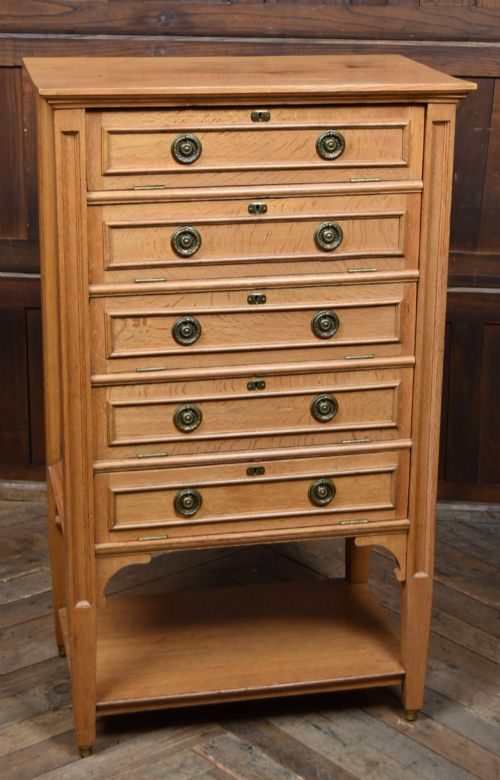
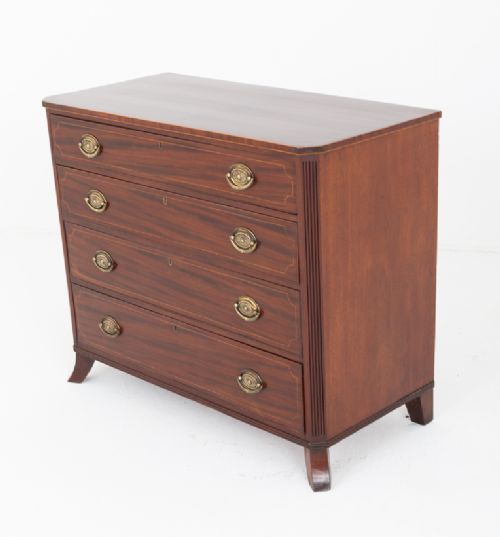
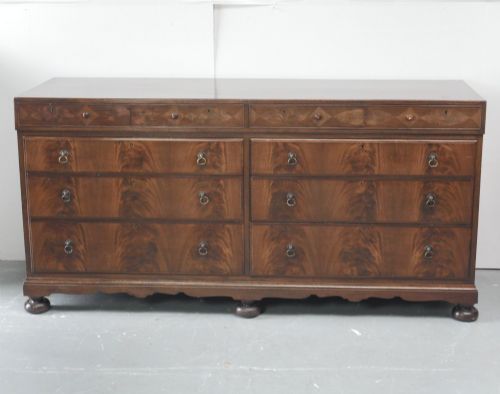
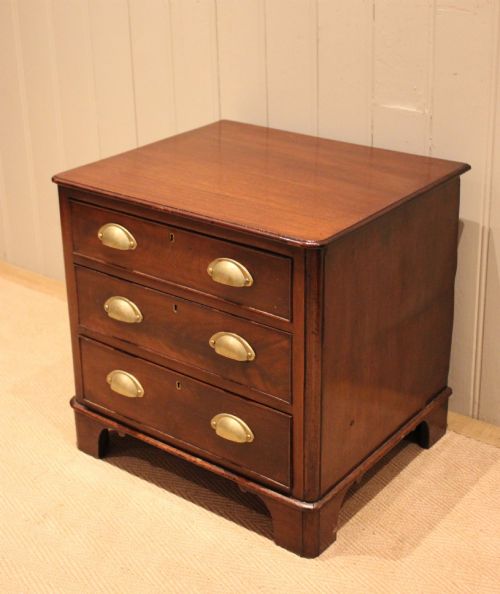
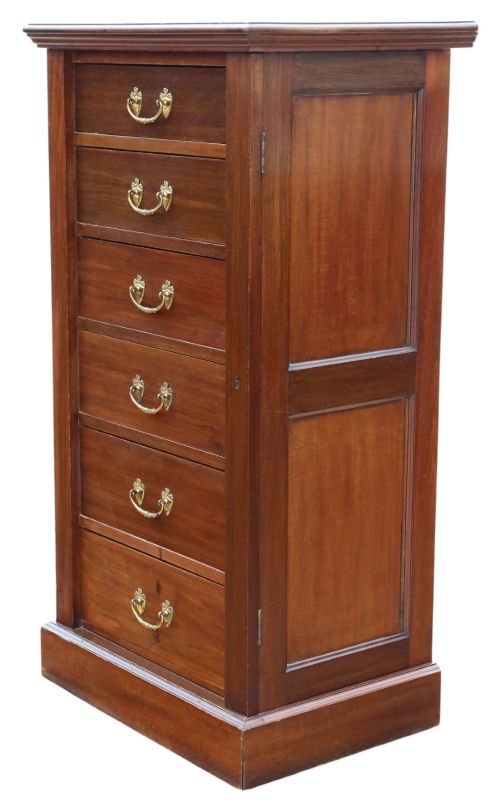
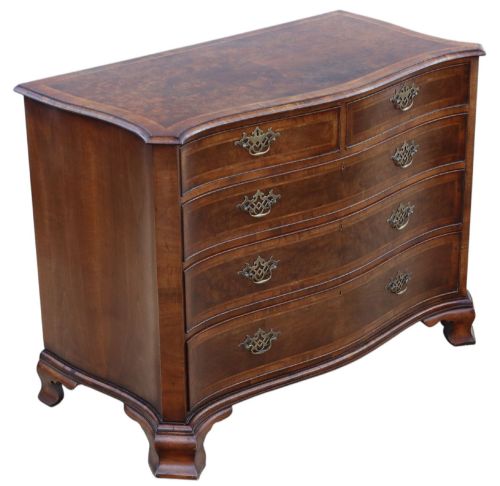
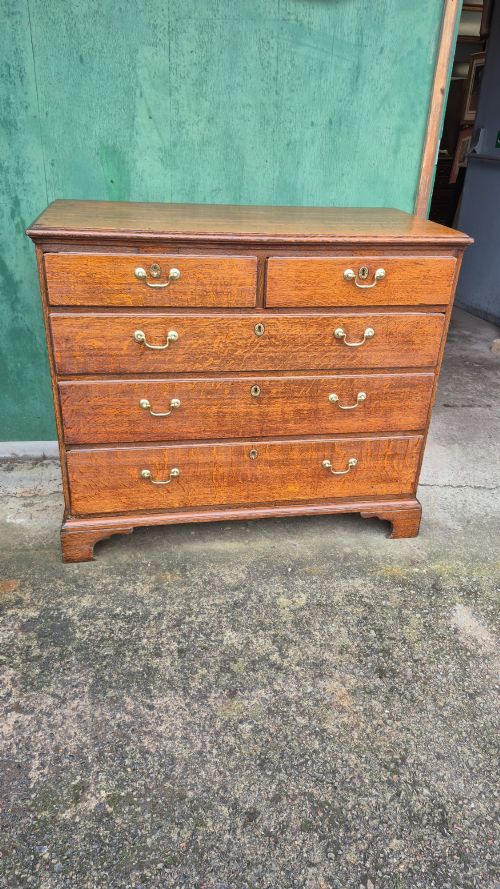
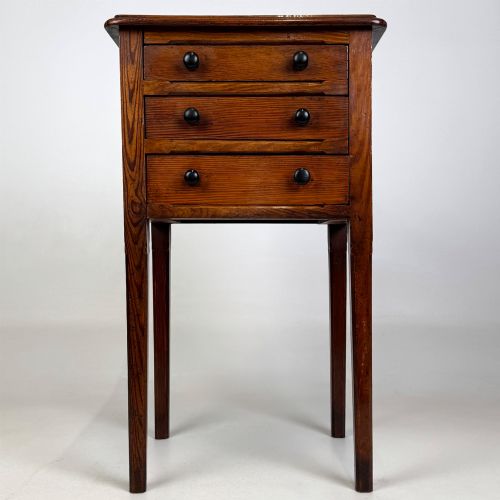
Wooden Chest with Drawers
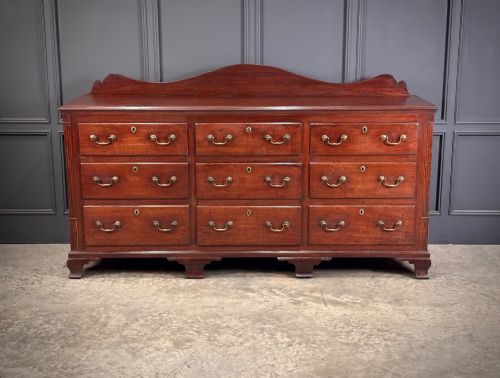
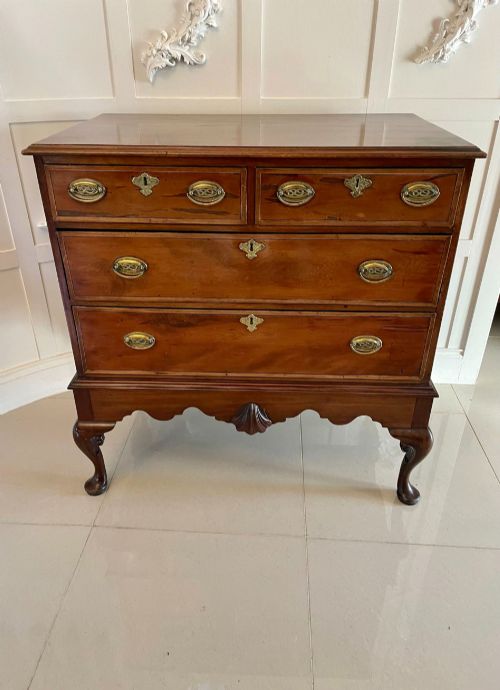
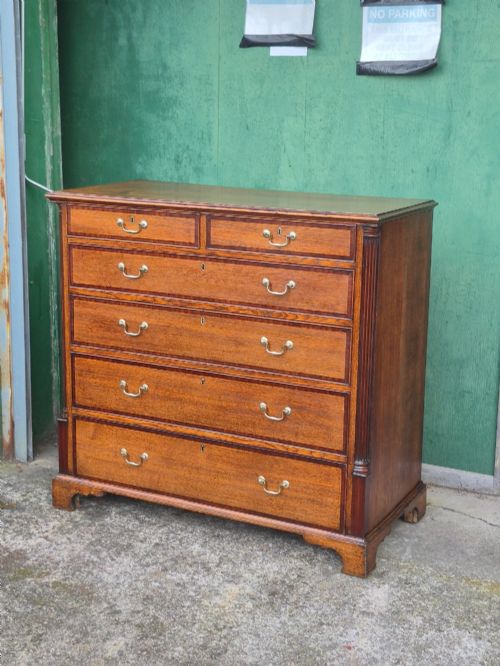
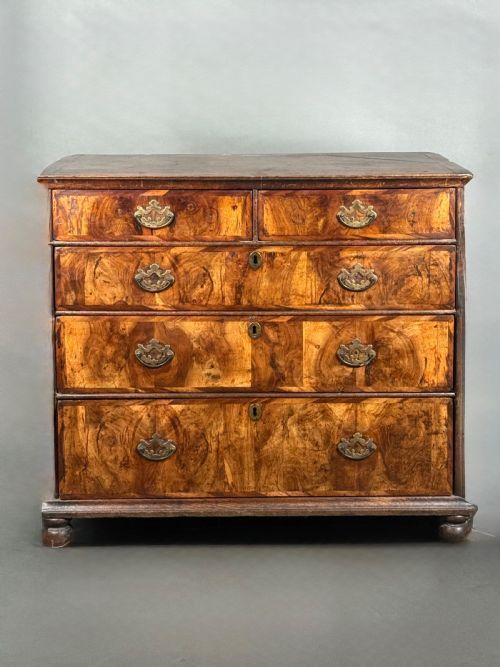
A wooden chest with drawers is a sturdy domestic storage piece built from timber, offering versatile compartments to organise household belongings.
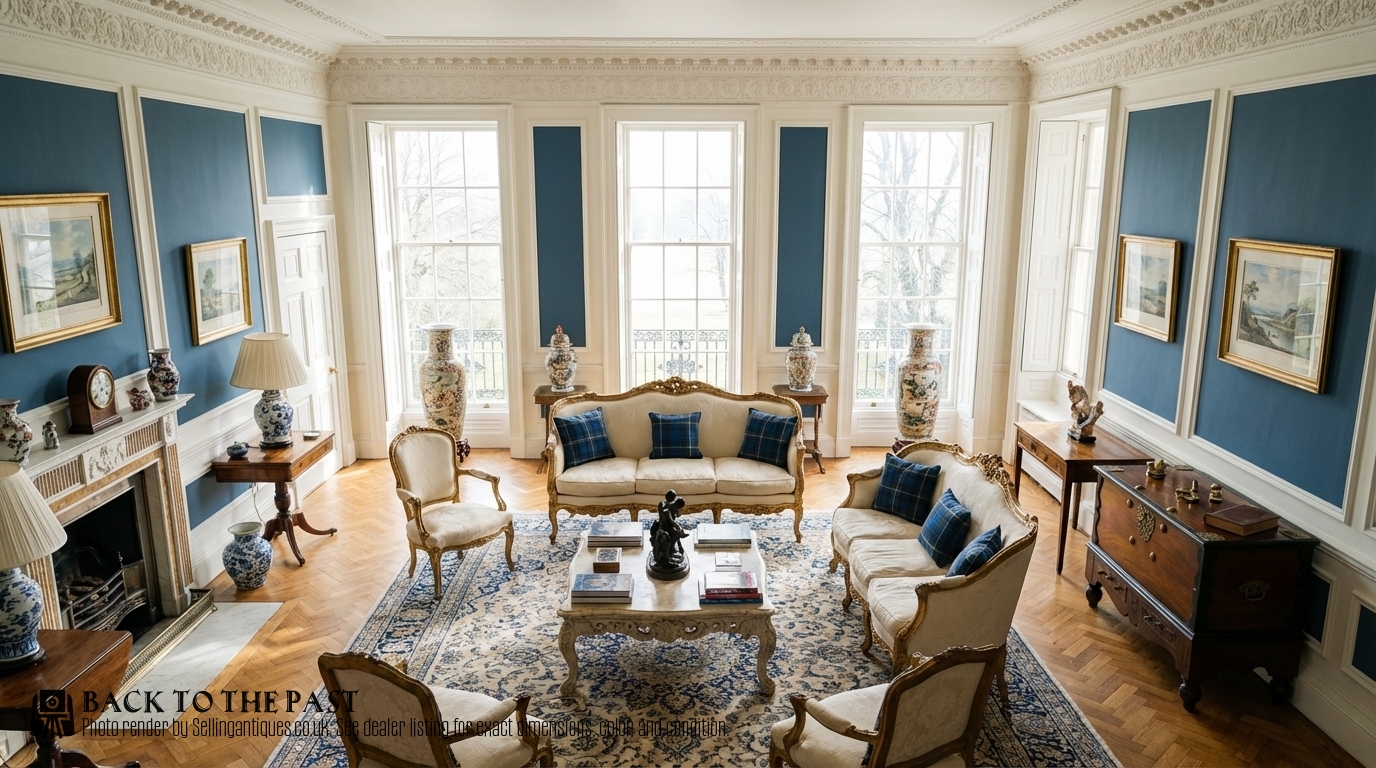
Wooden Chest with Drawers
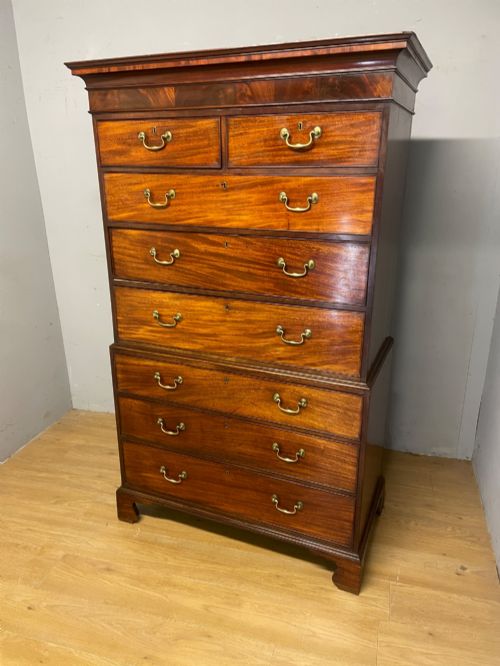
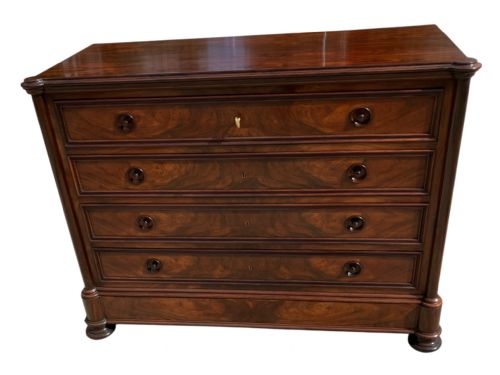
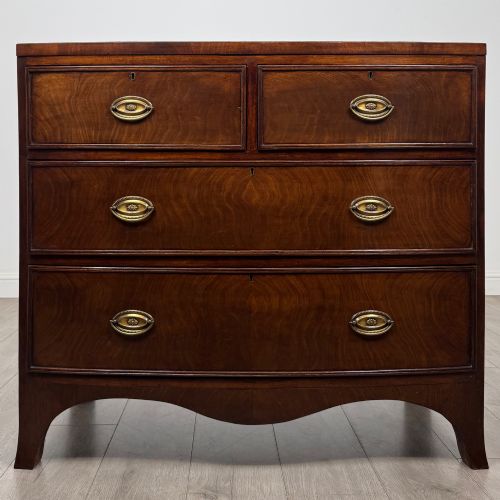
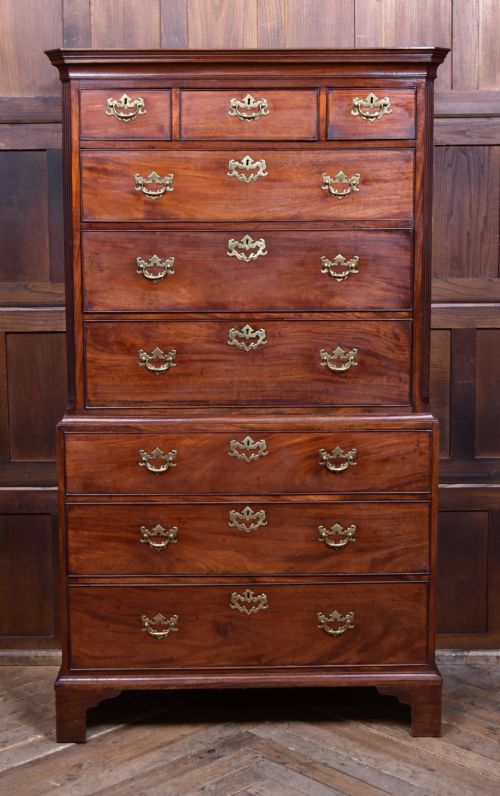
A wooden chest with drawers spans diverse historical periods including the 17th century, Georgian era, Victorian period, and Edwardian times. These pieces encompass standard chests of drawers, mule chests with lower drawers, coffers with internal drawers, and specialised forms like bureaux and linen presses.
Buyers frequently encounter mahogany and oak pieces from the 18th and 19th centuries, often displaying bracket feet, brushing slides, or crossbanded tops. Pine and walnut examples also appear regularly, alongside regional variants such as Welsh coffer bachs.
The selection ranges from tallboys and dressing chests down to miniature tabletop cabinets and blanket boxes fitted with drawers. Each form reflects the domestic storage needs of its respective period, utilising native and imported hardwoods or softwoods.
Materials and construction
Cabinet makers utilised solid and veneered timbers such as oak, mahogany, walnut, and pine, often enhancing surfaces with burr walnut or fruitwood accents. Drawer construction frequently employed tight dovetail joints to ensure durability under daily use.
Hardware details included brass handles, drop pulls, and wooden knobs, whilst decorative elements incorporated marquetry inlay, crossbanding, and carved edges. Protective and decorative finishes relied on traditional wax or polish applied to the timber surface.
Some Victorian pine trunks conceal secret internal drawers just waiting for a lost love letter or a stray cufflink.
Craftsmanship and condition
Superior examples demonstrate meticulous timber selection, such as matched flame mahogany or figured burr walnut veneers, paired with crisp hand-cut dovetails and intact original feet. The presence of original brass hardware or matching wooden knobs elevates a piece.
Structural integrity, timber ageing, and surface patina differentiate standard utility furniture from finer items produced during the Georgian and Victorian periods. Alterations to handles, feet, or internal drawer configurations influence the historical integrity of the piece.
The Wooden Chest with Drawers Glossary
- Brushing slide
- A pull-out shelf positioned above the top drawers, historically used for writing or brushing clothes. It slides flush into the cabinet frame when not in use.
- Crossbanding
- A decorative border of veneer laid around the perimeter of a drawer front or tabletop, with the wood grain running perpendicular to the surrounding surface.
- Mule chest
- A traditional storage chest featuring one or more drawers built into the base beneath the main compartment. This form bridges the evolution from the simple coffer to the chest of drawers.
- Tallboy
- A tall storage unit comprising a chest of drawers stacked upon another larger chest, popular during the 18th and early 19th centuries. This vertical design maximises storage capacity within a compact floor footprint.
- Coffer bach
- A small Welsh box or chest, often incorporating one or more drawers at the base. The term translates from Welsh as small coffer.
Wooden Chest with Drawers: Frequently Asked Questions
How do I identify a Georgian chest?
Georgian chests of drawers typically feature solid proportions built from mahogany or oak, often finished with bracket feet or plinth bases. Details such as crossbanded drawer edges, brushing slides, and original brass handle hardware help distinguish pieces from this era.
Construction methods from this period rely on hand-cut dovetailing and native secondary timbers inside the drawers. Regional variations and stylistic revivals later in the 19th century adopted similar decorative motifs.
Where should I place a wooden chest?
A wooden chest with drawers functions well in bedrooms, hallways, or living rooms as a practical surface and storage unit. Placing the piece away from direct heat sources and strong sunlight protects the timber and finish from drying out over time.
Allowing adequate clearance around drawers and drop-front mechanisms ensures daily use remains unimpeded. These versatile storage items adapt easily to various room layouts and interior styles.
How do I care for antique timber?
Maintaining antique wooden furniture involves dusting regularly with a soft, dry cloth and applying natural beeswax occasionally to nourish the surface. Avoiding excess moisture and rapid temperature fluctuations prevents the timber from warping or splitting.
Preserving the original polish requires gentle cleaning without harsh chemical solvents or silicone-based sprays. Proper environmental care maintains the historical patina and structural stability of older pieces.