


Brass Mounted Teak Trunk
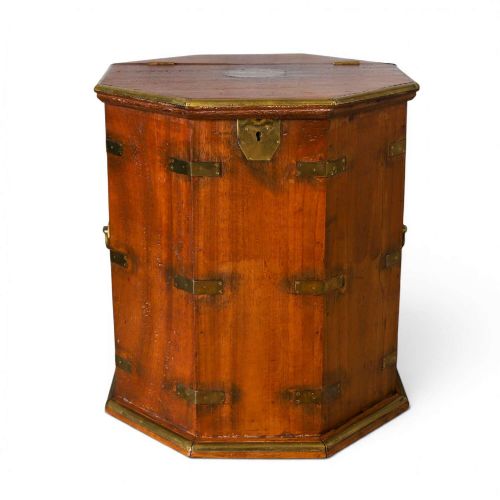
A brass mounted teak trunk is a robust travelling chest built to endure harsh climates, offering generous storage and enduring colonial character.
Brass Mounted Teak Trunk
A brass mounted teak trunk serves as a heavy-duty storage chest designed for travel and domestic use, frequently found in styles such as Anglo-Indian, Dutch Colonial, and Victorian Campaign. These pieces range from substantial marriage chests and blanket boxes to smaller travelling coffers and secretaire chests.
The majority of pieces encountered on this page date from the nineteenth century, including specific periods like the Victorian era, alongside eighteenth-century Dutch colonial examples and early twentieth-century EDWARDian pieces. Forms include trunks with hinged lift-up tops, studded surfaces, and variants mounted on stands or wheels.
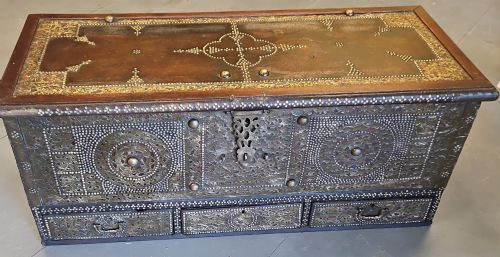
Origins span diverse trade routes, reflected in descriptions noting Zanzibar, Indian, and Portuguese craftsmanship. Buyers encounter solid teak construction enhanced by metal fittings, providing both practical utility and decorative presence.
Materials and construction
Carpenters built these trunks primarily using dense tropical hardwoods, predominantly teak alongside occasional ebony, selecting them for their resistance to humidity and warping. This durable timber forms the structural carcase for storage boxes, blanket chests, and marriage coffers.
Metalwork defines the exterior appearance, with brass mounts, corner brackets, and studs providing structural reinforcement alongside decorative contrast against the dark wood. Iron and cast iron components, such as carrying handles, further equip these campaign pieces for frequent transit.
Some heavy marriage chests arrived on our shores equipped with wheels for easier rolling across colonial floors.
Judging quality and craftsmanship
Quality rests in the precision of the brass work and the selection of the timber, where heavier gauge metal mounts and finely figured teak distinguish superior examples. The integration of functional elements, such as securely fitted secretaire drawers or original cast iron carrying handles, elevates a piece.
Provenance and regional detail mark the upper tier of these trunks, seen in elaborate studded patterns, ripple moulding, or sophisticated stands. Lesser examples display simpler construction without specialised decorative hardware or regional stylistic flourishes.
The Brass Mounted Teak Trunk Glossary
- Campaign chest
- A portable set of drawers or a trunk designed to split into sections or withstand frequent military transit. These pieces typically feature recessed brass handles and corner guards to prevent damage.
- Zanzibar chest
- A distinct type of heavily brass-studded storage chest associated with East African trade routes and Indian craftsmanship. They often incorporate elaborate brass strapwork and central lock plates.
- Coffer
- A large wooden chest traditionally used for storing valuables, linens, or documents. Lift-up lids provide top access to the deep interior compartment.
- Secretaire
- A cabinet or chest incorporating a writing drawer with a drop-front desk surface and small pigeonholes. These fitted interiors add multifaceted utility to transportable furniture.
- Ripple moulding
- A decorative, undulating profile carved into the wooden frame or border of a coffer. This technique creates textural depth through concentric wave patterns.
Brass Mounted Teak Trunk: Frequently Asked Questions
How are these trunks dated?
Dating relies on stylistic markers, construction methods, and recorded historical periods such as Victorian or eighteenth-century colonial eras. Regional design traits also help place pieces within specific decades.
Hardware styles and wood types further clarify the age, distinguishing mid-nineteenth-century campaign pieces from later Edwardian travel chests.
Were these trunks meant for travel?
Many examples served officers and merchants on global journeys, utilising durable teak and protective brass mountings to survive sea voyages and land transport. Side handles facilitated lifting during transit.
Other variants, such as large marriage chests or dowry cabinets, remained static within homes to store family textiles and valuables.
How do I clean teak furniture?
Maintenance involves dusting with a soft cloth and occasionally treating the timber with appropriate wood oils to prevent dryness. Avoid harsh chemical cleaners that might strip the natural finish.
Brass mounts benefit from gentle polishing only if desired, though many collectors prefer to leave the aged metal patina untouched.
Can these chests double as coffee tables?
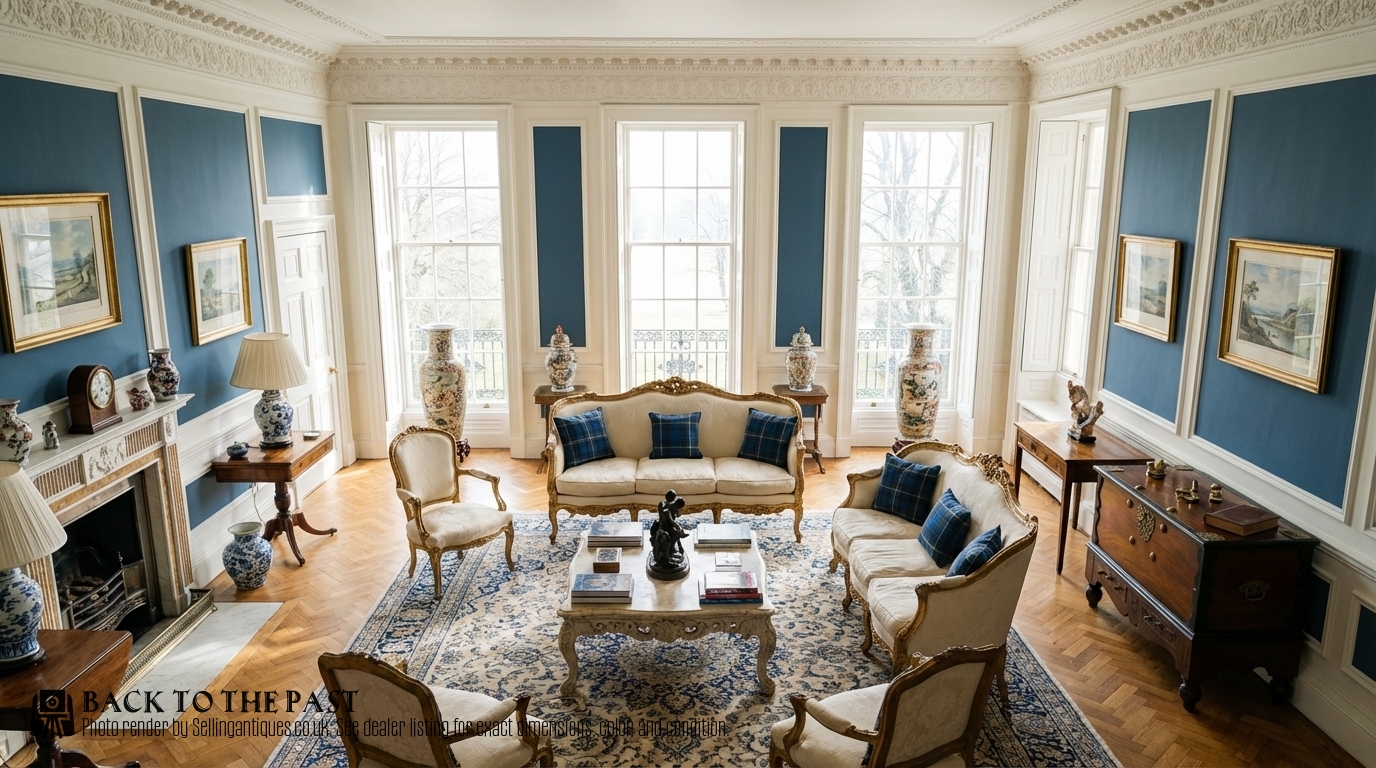
Their flat lift-up tops and sturdy proportions make them suitable for use as living room tables while providing concealed storage for blankets and books. Solid construction ensures they withstand everyday domestic use.
Buyers should verify the height and surface dimensions to match existing seating arrangements before placement.
What defines Anglo-Indian style?
Anglo-Indian furniture combines traditional British furniture forms with local Indian woodworking techniques and materials like dense teak. This fusion produced distinctive storage pieces tailored for colonial households.
Carved details and extensive brass mounting are common characteristics found on these cross-cultural items.