
Wooden Bedside Cupboards
These wooden bedside cupboards span the Georgian, Victorian and Edwardian periods, offering practical bedside storage shaped by centuries of cabinet-making skill.
Wooden Bedside Cupboards
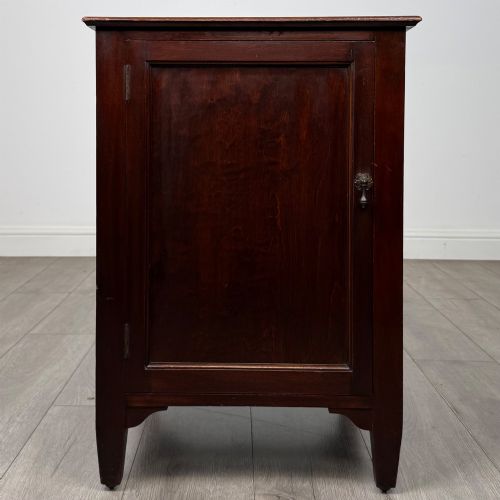
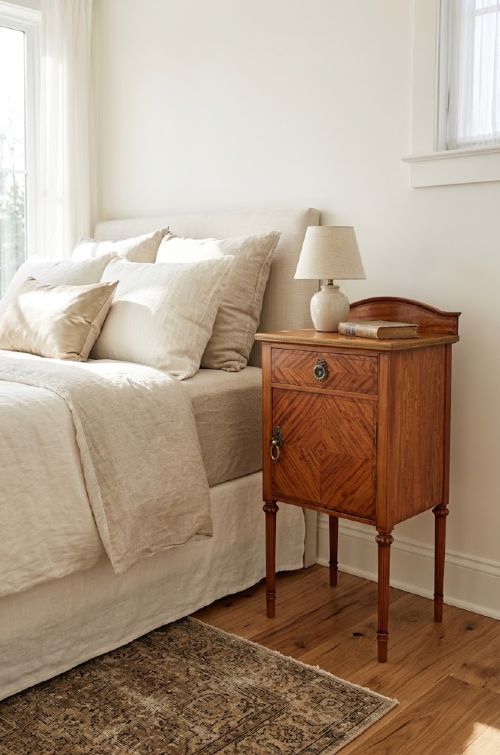
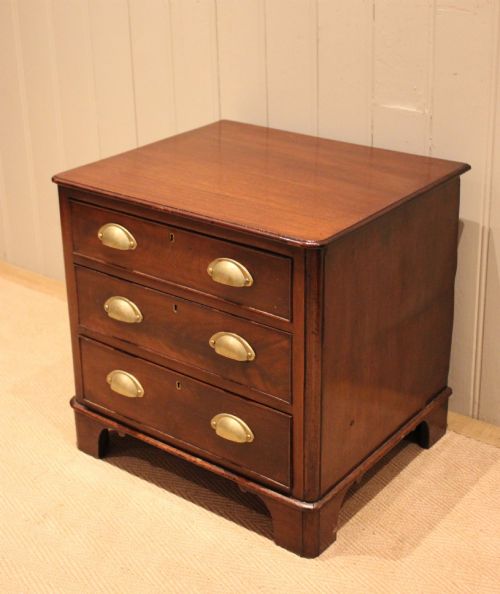
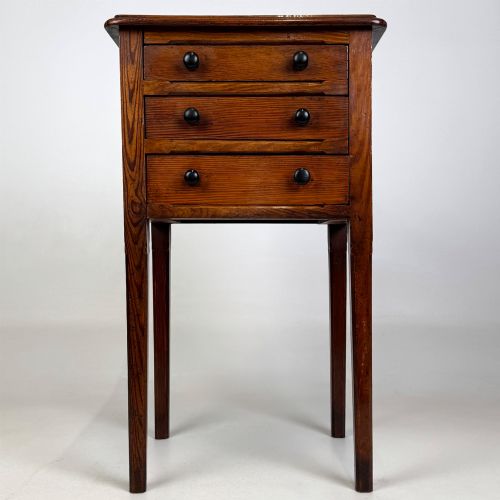
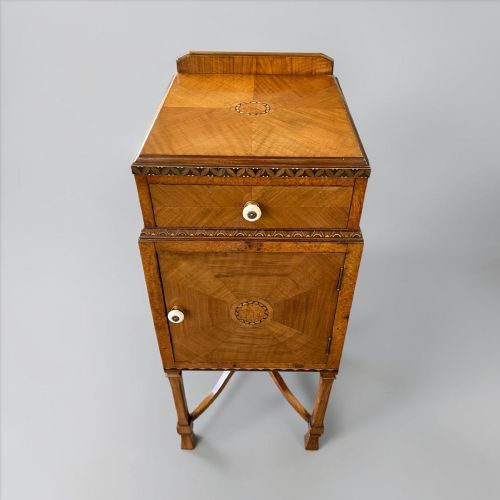
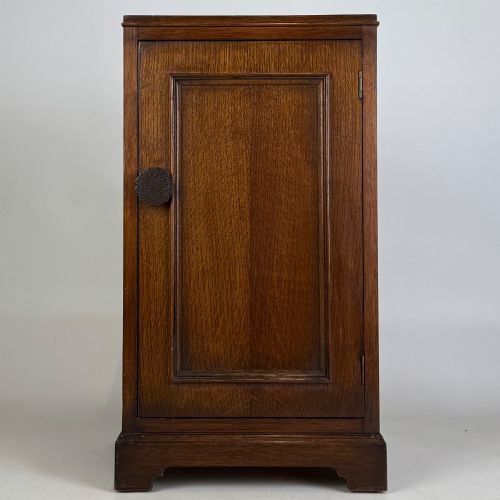
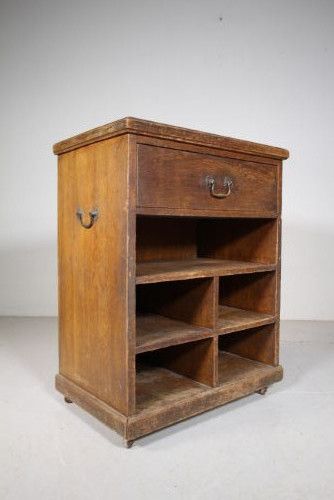
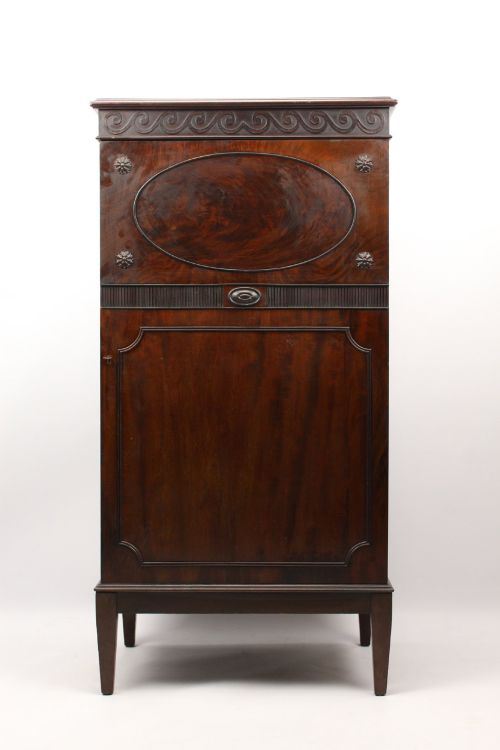
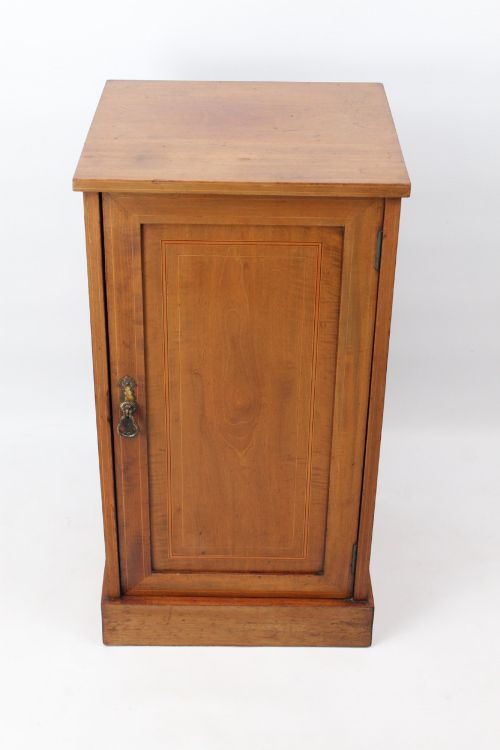
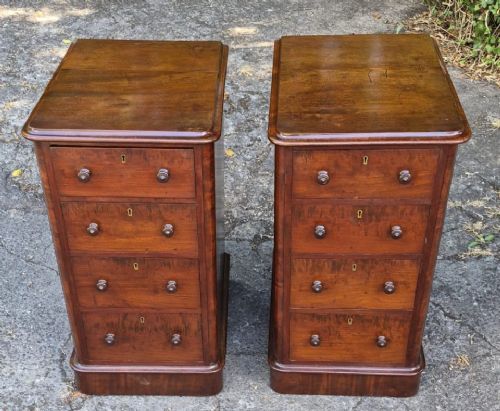
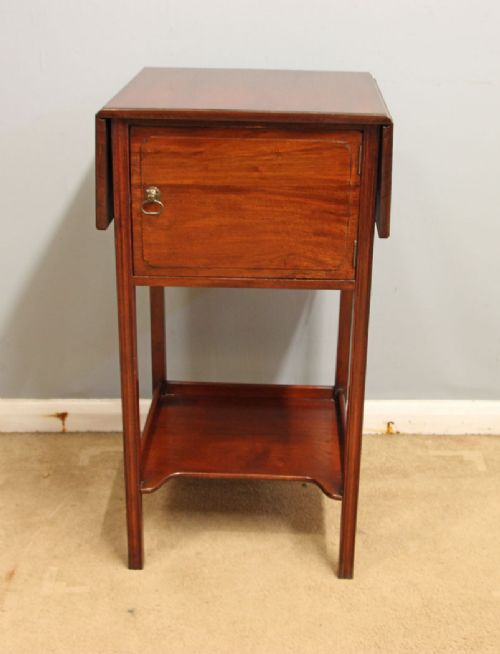
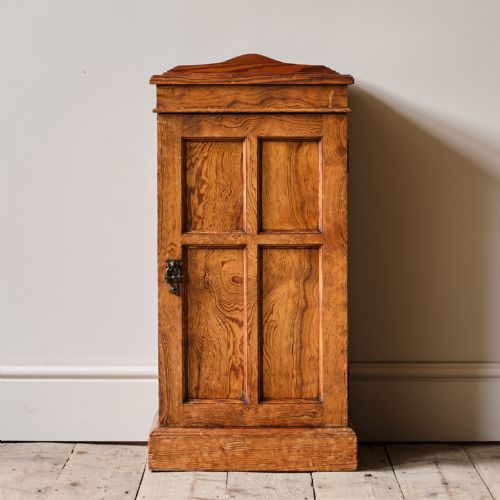
Wooden bedside cupboards bridge the gap between utility and decorative furniture, originating as bedside tables, nightstands, and close stools before evolving into dedicated bedside cabinets. When searching for wooden bedside cupboards, buyers encounter forms ranging from Georgian night tables and Victorian mahogany chests to Edwardian inlaid pedestals.
The material palette spans standard timbers like mahogany, oak, and pine alongside decorative veneers such as satinwood, burr walnut, and kingwood. Stylistic influences vary from Gothic Revival and Arts and Crafts to Art Deco and Sheraton Revival, reflecting the design vocabulary of their respective eras.
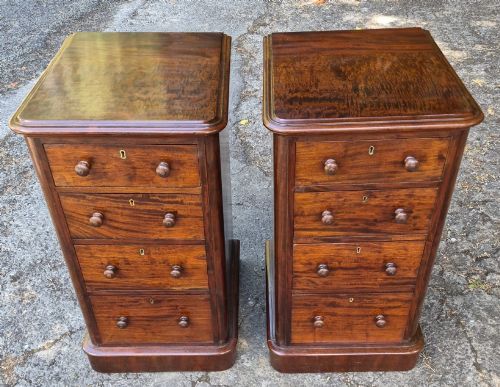
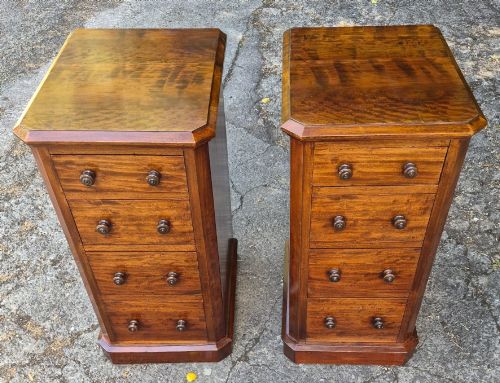
Makers and makers' workshops range from documented cabinet-makers like Denby & Spinks to anonymous regional craftsmen working in cherrywood, elm, and ash. Pieces frequently appear as matched pairs, particularly within Victorian and Edwardian iterations designed to flank a bed symmetrically.
Materials and Construction
Cabinet-makers utilised dense hardwoods like mahogany and walnut for structural stability and fine grain, frequently pairing them with contrasting inlay work in satinwood and marquetry. Softer timbers such as pine, oak, and cherrywood served local workshops in the construction of sturdy bedside carcases and close stools.
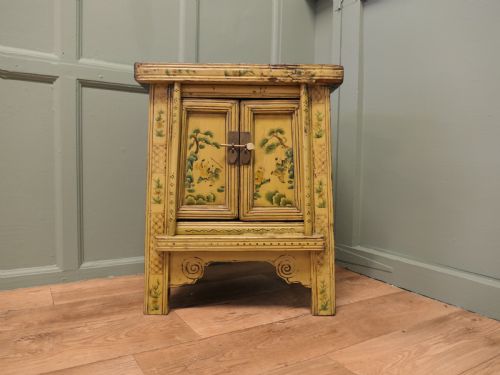
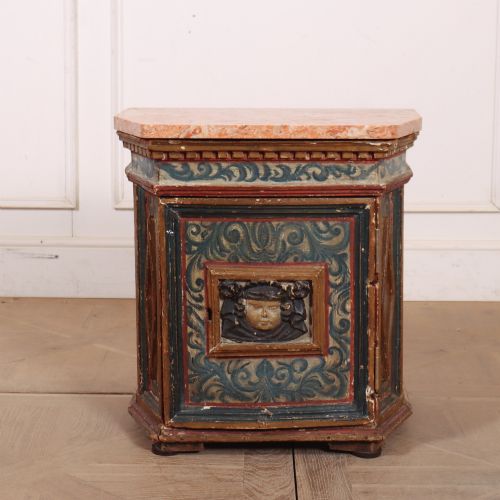
Surface finishing relied upon traditional wax, polish, and paint, seen in cream chinoiserie decoration and Italian painted finishes. Structural details incorporate brass hardware, marble tops, and detailed joinery such as dovetailing in drawers and fielded panels on cupboard doors.
Several items started life as discreet indoor plumbing before finding a second career as charming bedside companions.
Craftsmanship and Proportion
Quality rests in the selection of timber and the precision of the cabinet-making, distinguishing finely figured flame mahogany or burr walnut veneers from plain utility pieces. Superior examples display thoughtful proportions, crisp inlaid marquetry, and integrated design details like tray tops or serpentine fronts.
The integrity of the original hardware, hinges, and internal fittings dictates the standing of a piece within its period. Matching pairs demand uniform timber grain and colour consistency across both cabinets, elevating their desirability for a bedroom setting.
Denby & Spinks·Holland & Sons·Gomme
The Wooden Bedside Cupboards Glossary
- Close Stool
- A piece of furniture designed to enclose a chamber pot, often disguised as a small chest or cupboard during the 18th century. These early forms precede the standard bedside cabinet.
- Nightstand
- A small table or cabinet placed beside a bed for holding nighttime necessities. Georgian examples often feature enclosed cupboards or tray tops.
- Marquetry
- The art of applying decorative pieces of veneer to a structure to form ornamental patterns. Edwardian and later pieces frequently employ this technique on drawer fronts.
- Pedestal Cabinet
- A tall, narrow freestanding cupboard designed to stand beside a bed or desk. 19th-century examples in mahogany or burr walnut are typical.
- Sheraton Revival
- A late 19th and early 20th-century design style reinterpreting the neoclassical furniture of George Sheraton. It is characterised by delicate proportions and satinwood inlay.
Wooden Bedside Cupboards: Frequently Asked Questions
What is a bedside cupboard?
A bedside cupboard is an enclosed piece of furniture designed to hold personal items next to a bed. They provide concealed storage behind a door or within drawers, distinguishing them from open bedside tables.
Historically evolving from night tables and close stools, these cabinets range from compact Georgian designs to matched Victorian and Edwardian pairs.
How do I date a wooden bedside cabinet?
Dating relies upon examining the timber, construction methods, and stylistic details such as hardware and inlay. Georgian pieces often show hand-cut dovetails and flame mahogany veneers, whereas Edwardian cabinets frequently display lighter satinwood inlay.
Cabinet construction techniques and secondary woods inside drawers also help determine whether a piece originates from the 18th, 19th, or 20th century.
Are bedside cupboards usually found in pairs?
Bedside cupboards appear both individually and in matched pairs, with pairs being especially common from the Victorian and Edwardian eras. Symmetrical bedroom decor in the 19th century drove the demand for identical flanking cabinets.
Matching pairs share identical timber grain, dimensions, and hardware, making them sought-after for balanced bedroom interiors.
How do I care for antique wood furniture?
Antique wooden furniture requires protection from direct sunlight and dramatic shifts in room humidity to prevent timber splitting. Regular gentle dusting and occasional application of appropriate wax maintain the finish without harming the patina.
Avoiding placement near direct heat sources preserves the structural integrity of joints and delicate wood veneers.