




Accent Storage Cabinets
Accent storage cabinets are practical statement furniture pieces that bring character and organisation to any room.
Accent Storage Cabinets
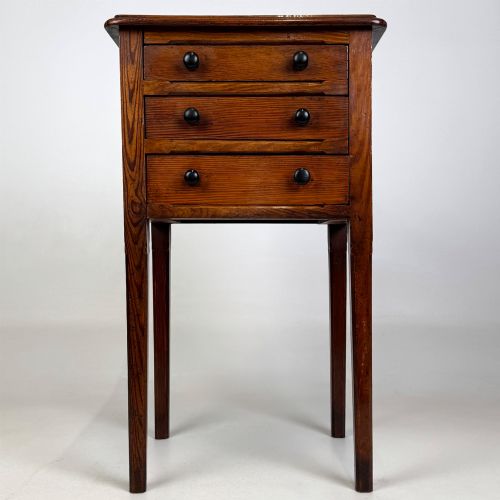
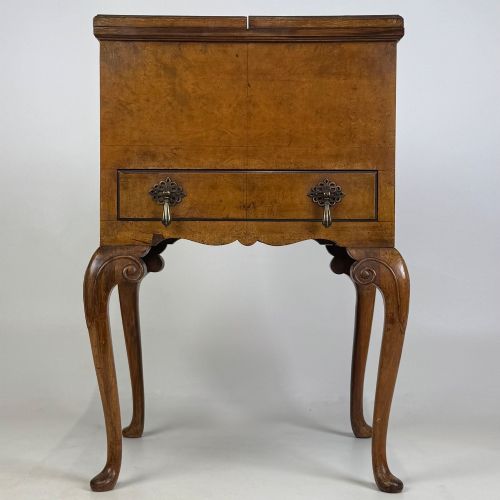
Accent storage cabinets encompass a diverse selection of freestanding cupboards, side cabinets, and whatnots designed to house belongings while adding distinct style to an interior space. These pieces span multiple historical eras, offering storage solutions ranging from narrow bedside tables to grand pedestals.
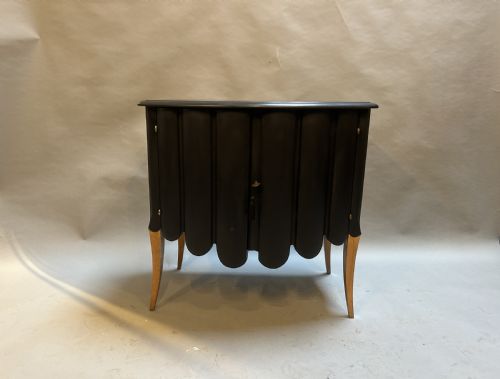
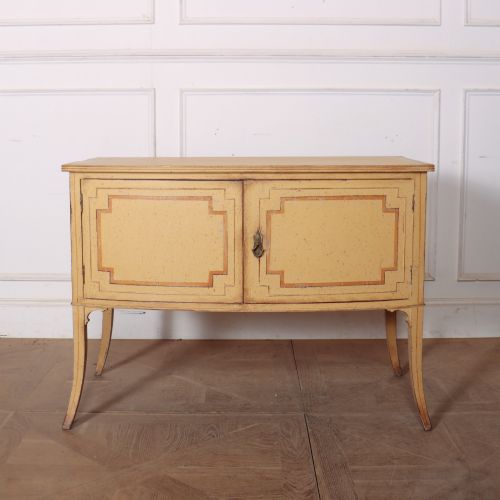
The selections available here lean heavily into traditional forms, drawing particularly from the Victorian, Edwardian, and early twentieth-century periods. Buyers will encounter various configurations including two-door cupboards, hall cabinets, and sideboards built for domestic utility and display.
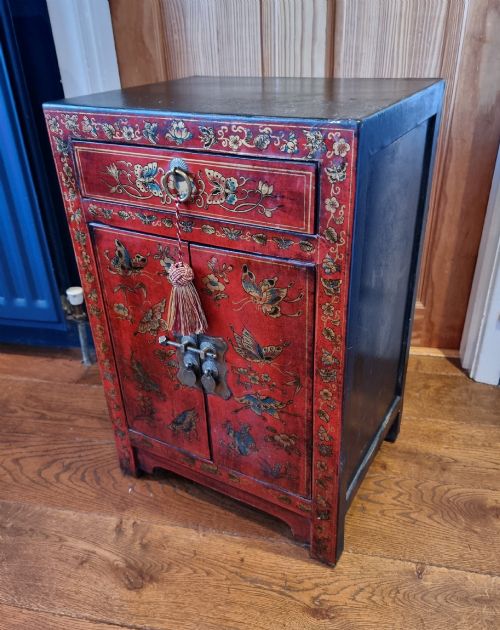
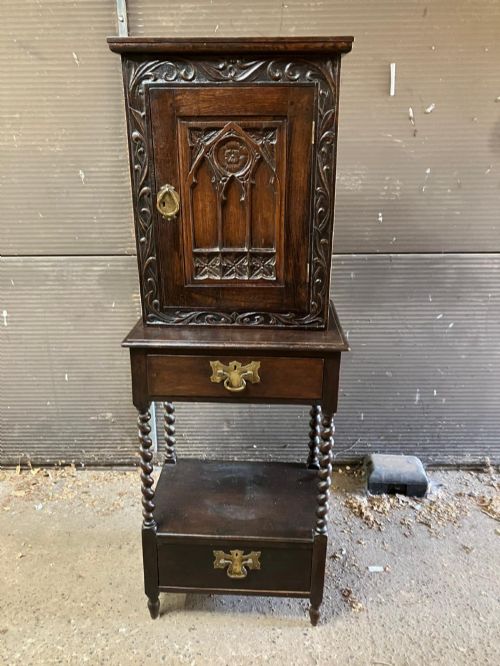
Origins vary across English, French, and Italian workshops, presenting regional design traits such as Chinoiserie decoration or Gothic revival detailing. Materials shift from robust pitch pine and oak to refined mahogany, walnut, and exotic rosewood.
How they were made
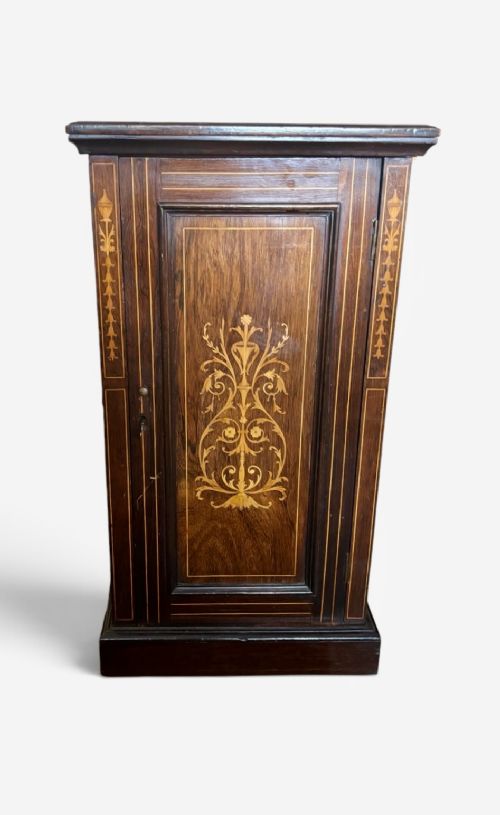
Cabinet makers utilised a foundation of solid timbers such as oak, pine, and walnut, frequently applying fine veneers like burr walnut, mahogany, and oyster-cut olive wood to primary display surfaces. Carving and hand-painting served as prominent decorative techniques, alongside contrasting satinwood inlays.
Structural hardware relied heavily on brass fittings, handles, and hinges to secure doors and drawers. Surface finishes varied from polished wood grains to painted schemes, including red Chinoiserie and bespoke artistic designs.
Some nineteenth-century cupboards arrived with intentions to be waxed or painted by the buyer, leaving the final look entirely undecided.
What varies in quality
Quality in these accent storage cabinets is determined by the selection of timber and the precision of the cabinetmaker's joinery. Superior pieces display carefully matched veneer grains, clean structural proportions, and intact period hardware.
Artisbral execution also separates standard utility cupboards from high-end examples, visible in detailed hand-carving, specialised inlay work, and authentic hand-painted finishes rather than mass-produced ornamentation.
OTTO SCHULZ FOR BOET·Melissa White
The Accent Storage Cabinets Glossary
- Chinoiserie
- European decorative style reflecting Chinese artistic influences, typically featuring painted motifs on lacquered surfaces. It gained popularity during various historic periods for dramatic interior effect.
- Whatnot
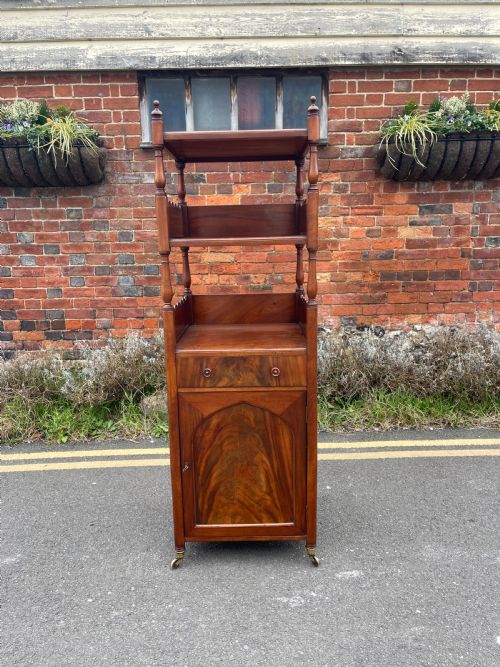
- An open set of freestanding shelves used for displaying ornaments or holding books, sometimes fitted with a lower cupboard base. They emerged to satisfy the Victorian appetite for surface display.
- Oyster veneer
- Cut cross-wise from small branches to produce circular or oval patterns resembling oyster shells. This technique creates intricate, repeating wooden mosaics on seventeenth-century furniture.
- Chiffonier
- A low sideboard or cabinet featuring shelves or a small tier on top, developed during the Regency and Victorian eras. It provided compact storage for dining rooms or sitting rooms.
- Canterbury
- A low wooden stand fitted with partitions for holding music sheets, books, or newspapers. Victorian examples often incorporated intricate carved woodwork and turned legs.
Accent Storage Cabinets: Frequently Asked Questions
What rooms suit accent storage cabinets?
These cabinets suit hallways, living rooms, and bedrooms where extra storage is required without sacrificing floor space. Smaller cupboards fit narrow corridors, while side cabinets complement larger reception areas.
Their varied heights and widths allow them to function as bedside tables, display stands, or general utility cupboards depending on the interior layout.
How do I identify period cabinets?
Dating relies on observing construction methods, timber choices, and stylistic ornamentation specific to eras like the Victorian period or the 1920s. For instance, heavy carved oak often points to nineteenth-century Gothic revival or hall furniture.
Examining the interior timber, backboards, and hardware provides further clues to confirm whether a piece originates from the seventeenth century or the twentieth.
Can I use an antique cupboard for modern storage?
Many buyers utilise these pieces to store contemporary items like media equipment, linens, or tableware while maintaining a traditional aesthetic. Internal shelving depths vary, so checking dimensions ensures the cabinet fits intended modern items.
Their sturdy wood construction makes them durable enough for daily household use despite their age.
What is a side cabinet used for?
Side cabinets traditionally served to hold serving items, documents, or decorative objects in dining rooms and drawing rooms. Their modest depth allows them to sit flush against walls in high-traffic zones.
Today they function effectively as lamp tables or storage consoles in various domestic spaces.