


Small Wooden Accent Cabinets
Small wooden accent cabinets bring character and compact storage to any room, drawing on decades of diverse period craftsmanship.
Small Wooden Accent Cabinets
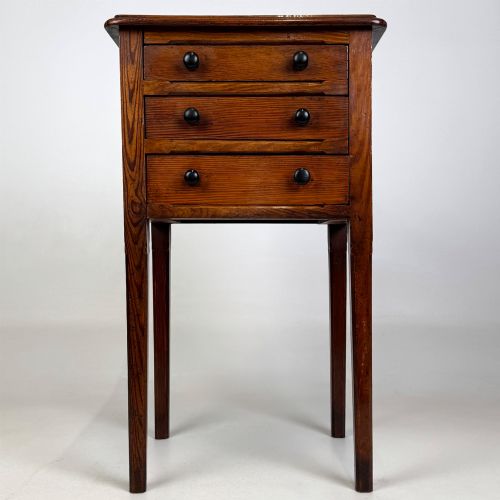
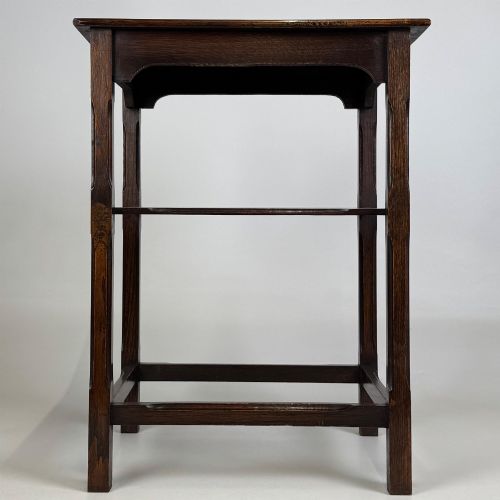
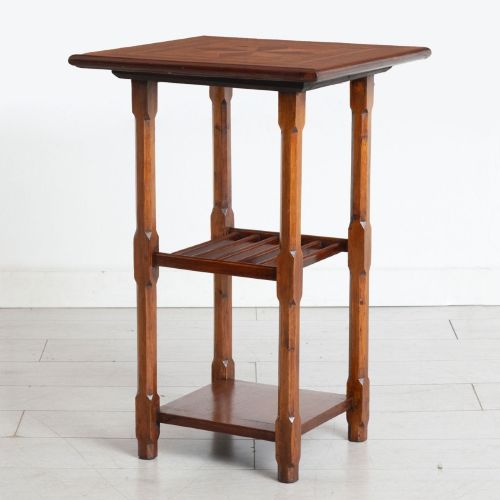
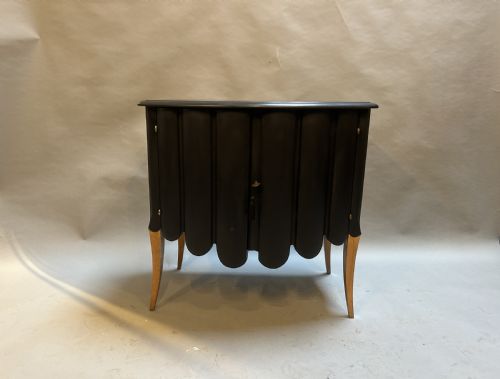
Small wooden accent cabinets encompass compact storage items, side tables, and diminutive sideboards designed to fit smaller spaces while offering practical utility. When exploring small wooden accent cabinets on this page, you will encounter diverse forms ranging from bedside tables and nightstands to storage cupboards and lamp tables.
Origin and regional style also vary, with items reflecting Chinese provincial traditions, French and Italian aesthetics, or British revival movements. Buyers typically select these items to serve as functional accent furniture that anchors a room with distinct historical charm.
How they were made
Construction relies heavily on traditional timber and solid hardwoods such as oak, mahogany, walnut, pitch pine, and elm. Cabinet makers utilised quarter veneer techniques and hand-painted finishes to enhance visual depth on surfaces.
Hardware and decorative accents frequently incorporate cast brass elements, giltwood details, and varied specimen woods to create contrast. Joinery methods varied according to the period, supporting both sturdy utilitarian storage cupboards and delicate occasional tables.
A nineteenth-century elm table hides its provincial origins under the charmingly specific label of a 'locust wood' variety.
What varies in quality
Quality in these pieces depends upon the selection of timber, such as figured mahogany or quarter veneer work, which defines the richness of the surface. Superior examples demonstrate careful attention to proportion, joinery stability, and the integration of decorative details like brass hardware or hand-painted finishes.
The integrity of the original materials and the fidelity of period styling, whether Arts and Crafts, Art Deco, or Victorian, distinguish standard utility items from more refined decorative works.
The Small Wooden Accent Cabinets Glossary
- Quarter veneer
- A method of slicing timber logs into quarters to produce symmetrical grain patterns across cabinet doors and tabletops. This technique creates balanced visual motifs on small accent surfaces.
- Giltwood
- Timber coated with a thin layer of gold leaf or gilt paint to achieve a brilliant decorative finish. It appears frequently on continental European furniture from various periods.
- Pitch pine
- A durable softwood known for its distinct resinous grain and robust structural qualities. It is often encountered in nineteenth-century utilitarian furniture.
- Chiffonier
- A compact sideboard or small cupboard featuring a raised tier or shelf above the main storage compartment. Victorian examples are particularly noted for this configuration.
- Specimen wood
- Furniture constructed using multiple distinct varieties of timber to showcase natural variations in colour and grain. Makers arranged these woods in geometric patterns.
Small Wooden Accent Cabinets: Frequently Asked Questions
Where should I place a small wooden accent cabinet?
These compact pieces fit easily beside a bed, alongside a sofa as a lamp table, or in a hallway for surface storage.
Their modest footprints allow them to add character and utility to smaller rooms without dominating the floor space.
How do I identify a Victorian accent cabinet?
Victorian pieces often feature darker hardwoods such as mahogany or pitch pine, alongside robust construction and traditional detailing. Examining the joinery and hardware helps confirm the nineteenth-century origin.
Diminutive chiffoniers and bedside tables from this era prioritise practical storage paired with formal design elements.
What is an Art Deco accent cabinet?
Art Deco cabinets, typically dating from the early twentieth century around the 1930s, showcase streamlined geometric forms and smooth polished surfaces. They often incorporate quarter veneers and contrasting woods.
These pieces reflect modern design shifts away from heavy historic revival styles towards sleek functionality.
Are these cabinets suitable for modern homes?
Their compact dimensions make them versatile additions to contemporary interiors needing functional storage with historical depth. They serve readily as bedside stands or occasional tables.
Mixing antique or vintage wood tones into a modern room introduces texture and individuality.
What woods were commonly used?
Cabinet makers utilised regional and imported timbers including oak, mahogany, walnut, and pitch pine. Specialised items also feature elm, rosewood, and various specimen woods.
The choice of material often reflects the period of manufacture and the intended style, from rustic provincial tables to refined revival pieces.