
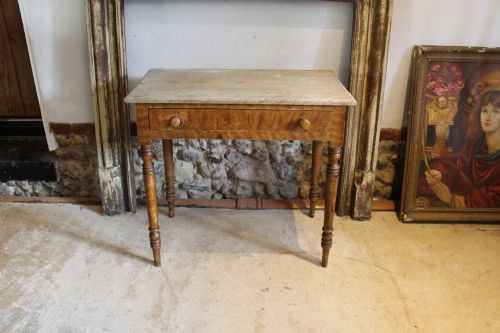


Wooden Accent Side Table
A wooden accent side table brings functional timber character to a room, offering compact surface space shaped by centuries of cabinet-making.
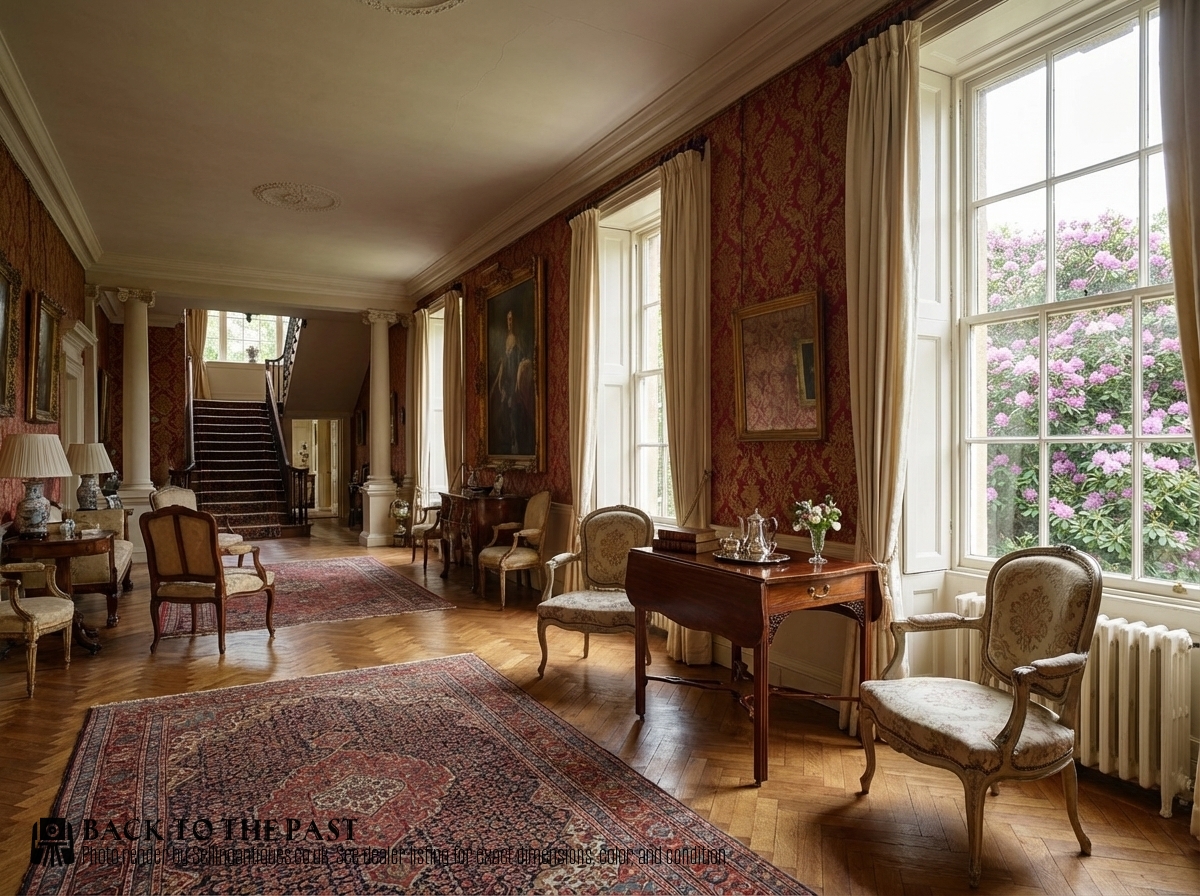
Wooden Accent Side Table
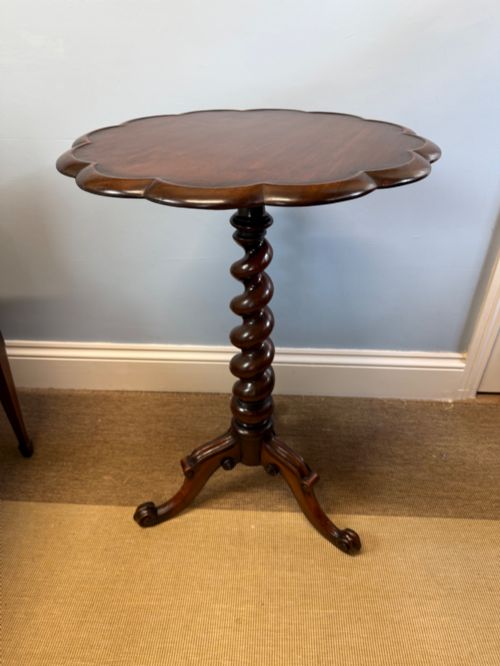
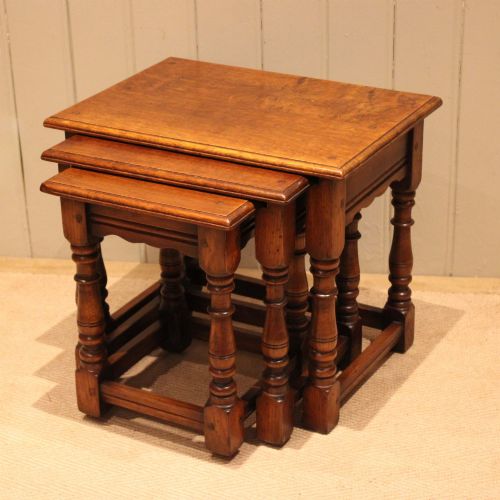
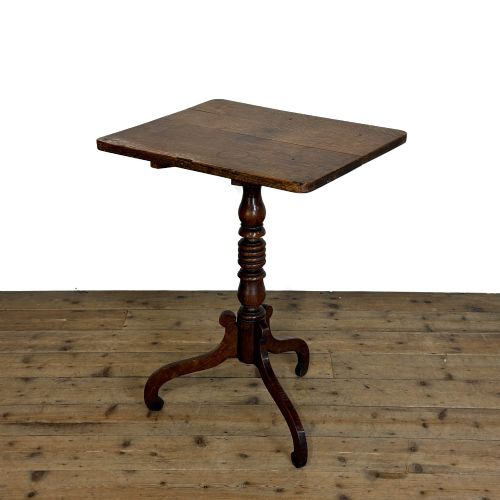
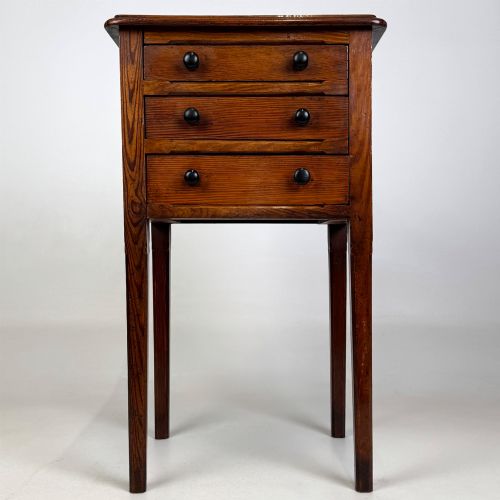
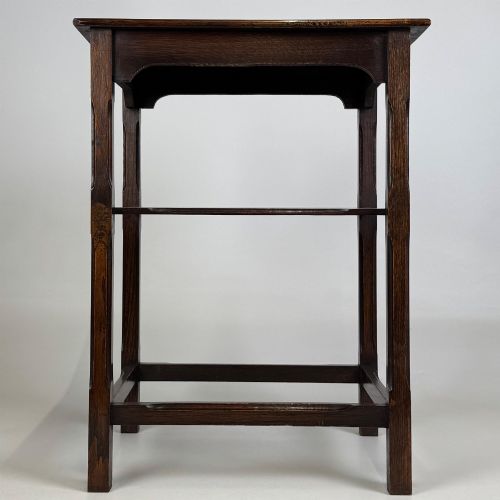
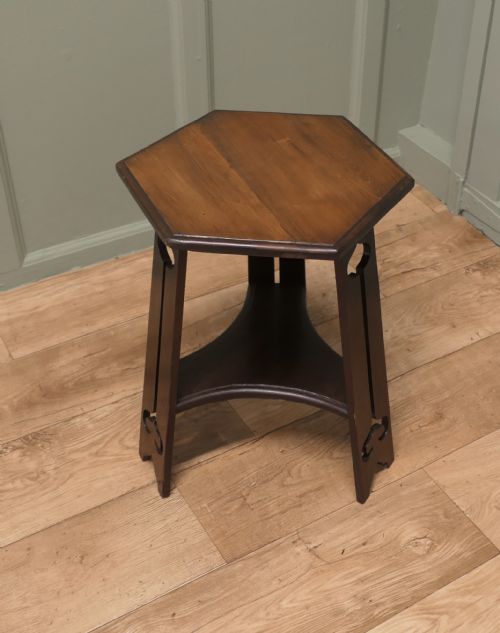
A wooden accent side table spans multiple historical eras, with examples appearing across the Georgian, Victorian, and Edwardian periods. Buyers encounter diverse functional forms designed for domestic use, including small lamp tables, occasional tables, nests of tables, and tripod cricket tables.
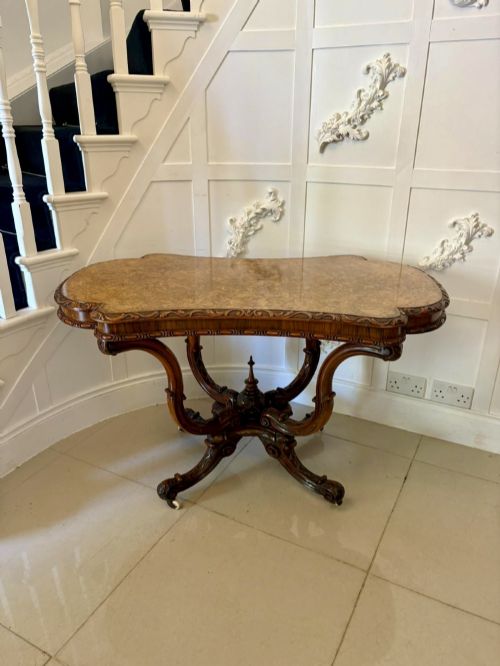
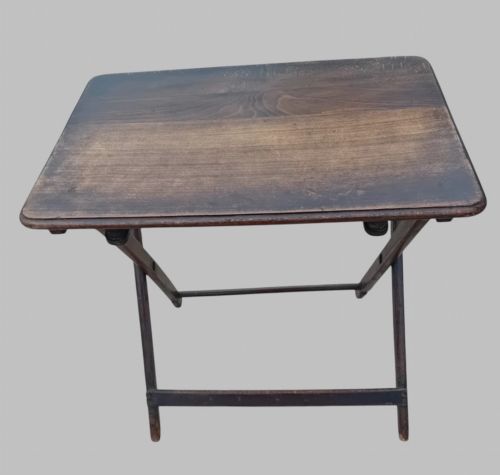
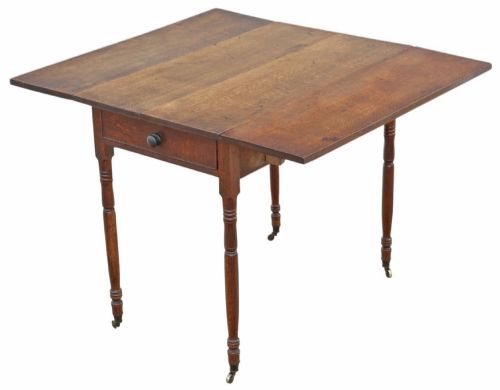
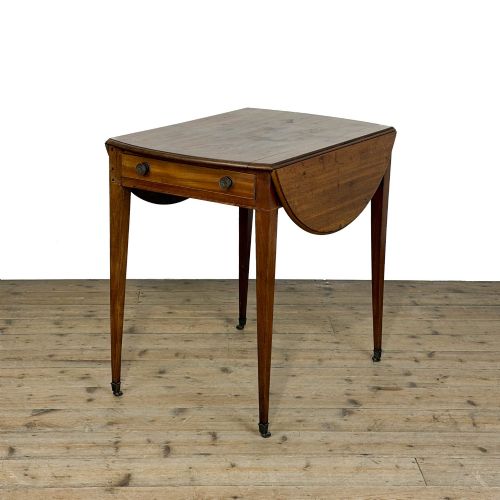
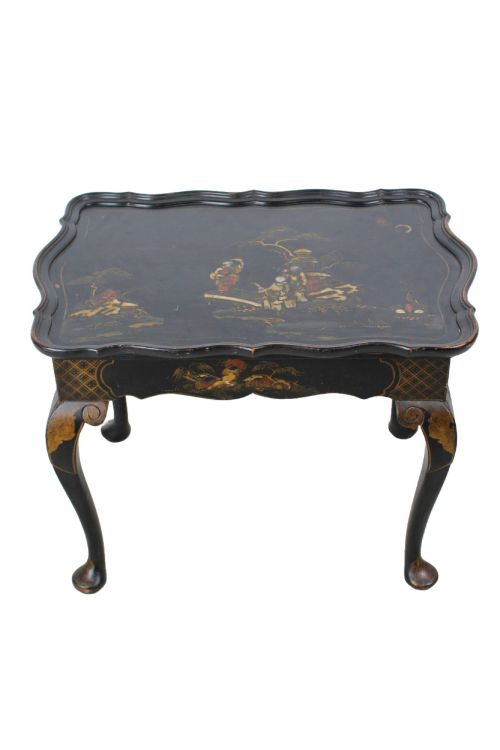
The selection ranges from simple folding campaign pieces and drop-leaf Pembroke tables to elaborate centre tables and tray top coffee tables. Construction relies heavily on traditional forms adapted for compact spaces, reflecting the changing interior requirements of nineteenth and early twentieth-century homes.
Materials and construction techniques
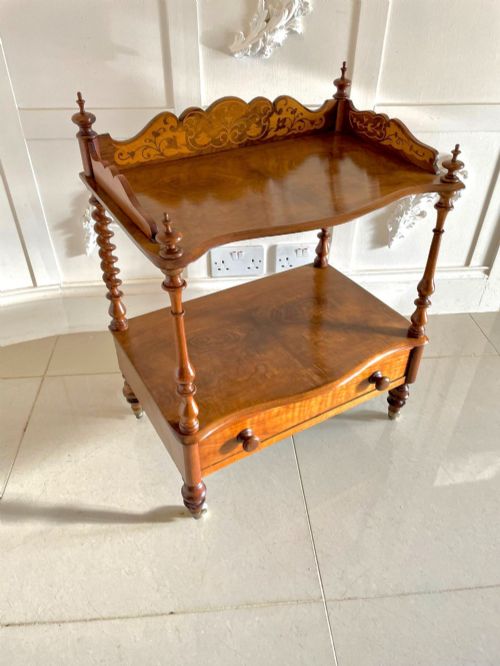
Cabinet-makers utilised a diverse palette of native and imported timbers, frequently employing oak, mahogany, walnut, and burr walnut alongside secondary woods like pine, beech, and fruitwood. Surface enrichment involved intricate wood inlay, contrasting veneers, ebonisation, and painted scumble finishes.
Structural methods vary from sturdy tripod bases and pedestal supports to traditional leg-and-rail joinery. Many surfaces feature specialised configurations such as tilt tops, drop leaves, and mirrored tiers.
Some tables feature scumble painted finishes, proving that Victorians loved a convincing faux-wood grain just as much as we do.
Distinctions in craftsmanship
The degree of refinement in timber selection and joinery determines the standing of an individual piece. Superior examples display carefully matched burr veneers, precise inlay work, and robust structural framing that withstands regular daily use.
Decorative detailing differentiates standard utility pieces from finer commissions. Carved ornamentation, sophisticated turning, and integrated brass hardware indicate a higher level of workshop execution.
Liberty & Co.·William Birch
The Wooden Accent Side Table Glossary
- Pembroke table
- A small rectangular table featuring two hinged drop leaves on opposing sides. It often includes a single drawer and was originally designed for breakfast or writing use.
- Cricket table
- A small three-legged occasional table with a round wooden top. The triangular base design ensures stability on uneven floors.
- Sutherland table
- A narrow drop-leaf table where the leaves are exceptionally wide and the central underframe is relatively slender. This design allows the table to fold into a very compact footprint.
- Wine table
- A small freestanding table with a single central pedestal and a circular top. These pieces were traditionally used for holding glassware during evening gatherings.
- Campaign style
- Portable furniture engineered to be easily dismantled or folded for military transport. Pieces often incorporate recessed brass handles and folding legs.
Wooden Accent Side Table: Frequently Asked Questions
How do I style a wooden accent side table?
These compact tables function well beside seating or against hallway walls to hold lamps, books, or decorative objects. Their varied heights and footprints allow them to fit into smaller corners where larger furniture cannot go.
Matching the timber tone to existing room elements helps integrate the piece, while contrasting styles can create a balanced eclectic arrangement.
What is a tilt top table used for?
A tilt top mechanism allows the circular or oval tabletop to pivot into a vertical position when not in use. This clever design enabled tables to be stored flat against a wall to preserve floor space in period rooms.
In modern settings, the tilting feature remains an engaging historical detail that showcases the ingenuity of early furniture makers.
Where were cricket tables traditionally used?
Cricket tables originated as sturdy, practical items of vernacular furniture designed for everyday domestic tasks. Their three-legged configuration provided reliable stability on uneven farmhouse floors.
Today, their rustic charm and compact footprint make them ideal as small lamp stands or bedside tables.