


Wooden Accent Lamp
A wooden accent lamp or small occasional table brings warmth to a corner, and here you meet tables and stands adapted or chosen for the purpose from various periods.
Wooden Accent Lamp
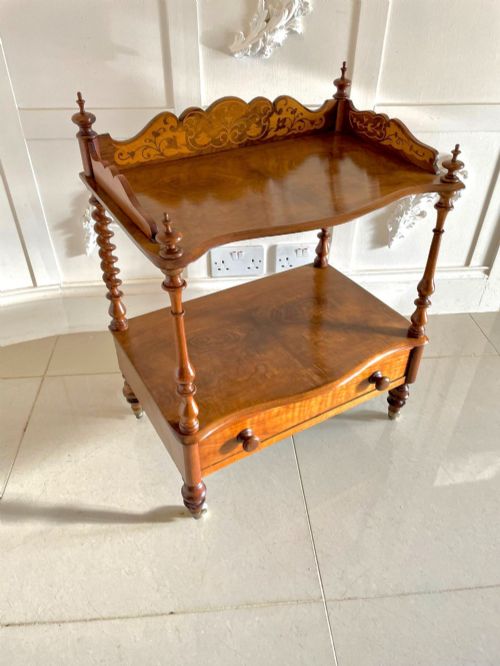
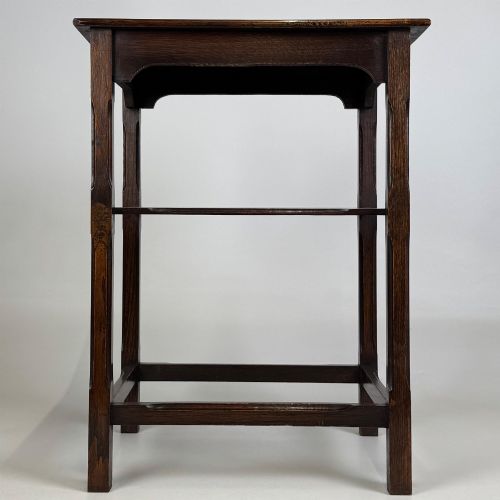
A wooden accent lamp search reveals a diverse group of small tables, plant stands, and occasional pieces that function well beside a chair or in a hallway. The pieces appearing most frequently on this page span from the eighteenth century through the Edwardian era and the 1930s, reflecting changing domestic needs over generations.
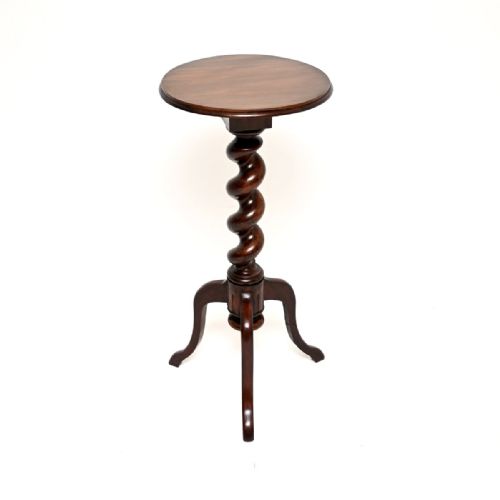
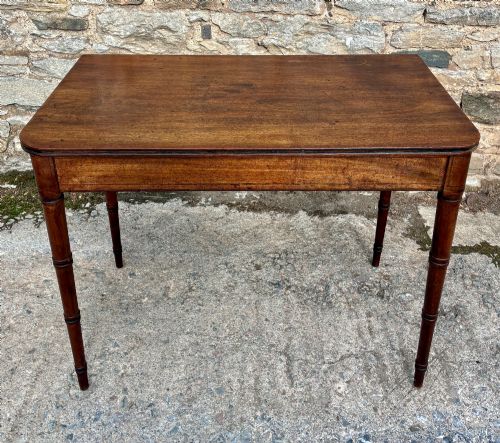
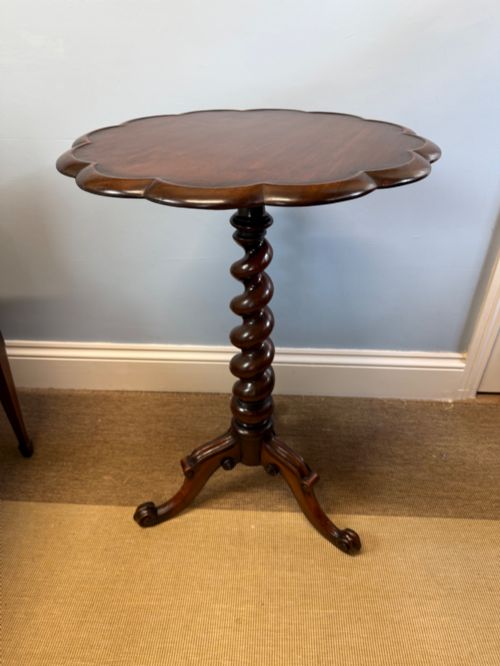
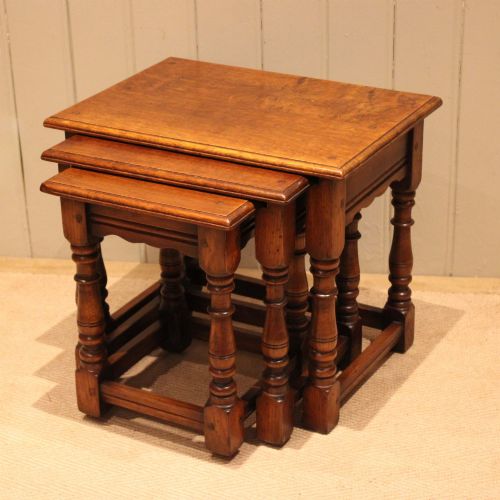
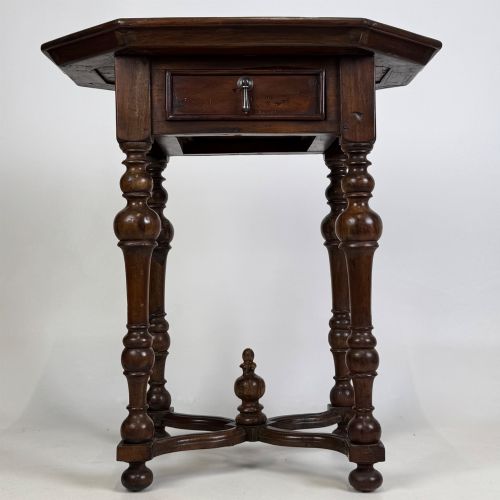
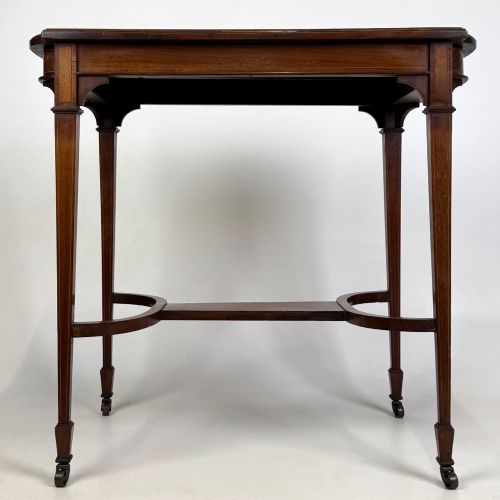
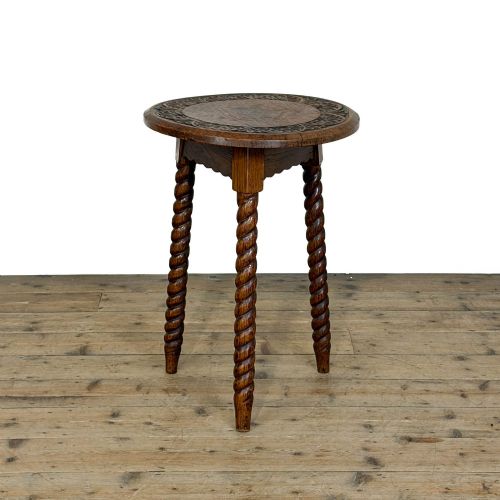
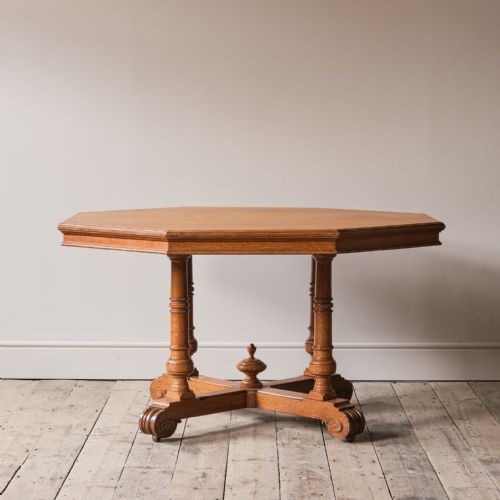
Forms vary from simple tripod cricket tables and wine tables to octagonal centre tables, nests of tables, and oval lamp tables. Makers across different periods utilised oak, mahogany, walnut, and satinwood to build these compact surfaces, often incorporating brass details or wood inlay.
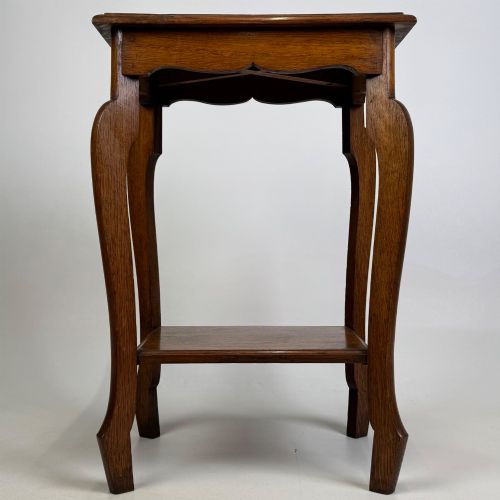
Origins stretch across English country styles, Arts and Crafts designs, and revival movements such as Jacobean and William and Mary. Buyers encounter both pedestal tables and four-legged side tables, each offering a distinct silhouette suited to holding a lamp or decorative object.
Materials and Construction
Cabinet makers relied on solid timbers like oak, mahogany, walnut, and elm for structural integrity, alongside decorative veneers such as burr walnut and satinwood. Wood inlay and brass fittings frequently embellished the surfaces, adding visual contrast to the grain.
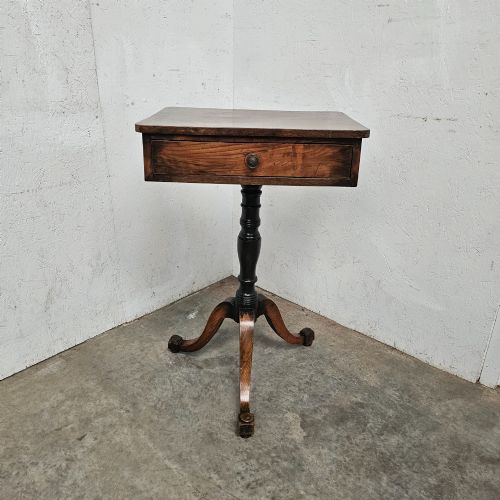
Construction techniques combined traditional joinery with turned supports, barley twist legs, or tripod bases. Pedestal forms and spider leg configurations provided stability on small footprints while keeping the weight manageable for easy movement around a room.
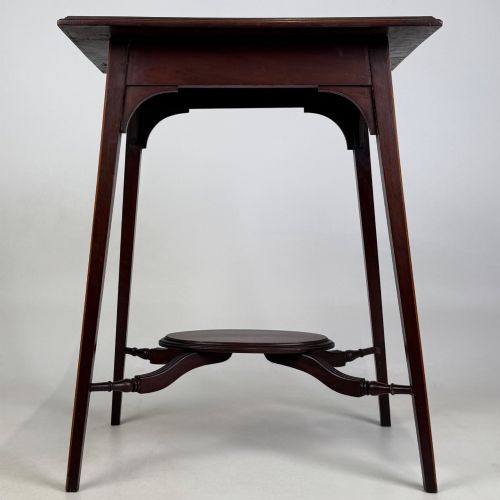
Spider leg tables offer slender charm, though they demand a gentle touch and steady floorboards.
Distinctions in Quality
The standard of a piece depends heavily on the selection of timber and the precision of the joinery. Finely figured burr walnut or meticulously cut satinwood inlay separates exceptional examples from standard utilitarian items.
Proportion and execution define the upper tiers of these tables. Crisp carving on oak legs, balanced tripod proportions, and original brass hardware indicate a higher level of workshop attention during manufacture.
Liberty & Co.·William Birch·Gillows
The Wooden Accent Lamp Glossary
- Cricket table
- A small, three-legged wooden table originating in the eighteenth century, traditionally used near domestic hearths. The three legs ensure stability on uneven floorboards.
- Occasional table
- A small table designed for miscellaneous uses around a sitting room. These pieces move easily to hold books, drinks, or lighting.
- Spider leg
- A table featuring very slender, delicate turned legs braced by stretchers. This construction maximises legroom while supporting a light top.
- Tray top
- A table surface edged with a raised wooden rim to prevent items from sliding off. This detail appears frequently on Edwardian occasional tables.
- Wine table
- A compact single-pedestal table historically used to hold a glass and bottle. The small circular or oval top suits modern placement beside an armchair.
Wooden Accent Lamp: Frequently Asked Questions
What is a wooden accent lamp table?
A wooden accent lamp table is a small piece of furniture, such as an occasional table or plant stand, used to support a lamp or decorative item in a room.
These compact tables date from the eighteenth century onwards and utilise timbers like oak, mahogany, and walnut to fit into corners or beside seating.
How do I date a wooden table?
Dating relies on observing the timber species, construction methods, and stylistic details like inlay or leg turning. Oak and walnut dominate earlier centuries, while satinwood and elaborate veneers often signal Victorian or Edwardian manufacture.
Secondary woods, fastening methods, and wear patterns also help establish the approximate period of creation.
Where should I place an occasional table?
Occasional tables work well beside armchairs, sofas, or in neglected corners that require surface space for a lamp. Their modest proportions allow them to integrate into a room without dominating the floor plan.
Different heights and top shapes, such as octagonal or oval, let you match the table to the specific scale of your seating.
How do I care for antique wood surfaces?
Care for antique wood involves keeping pieces away from direct heat sources and rapid humidity changes that can cause timber to split. Gentle dusting with a dry cloth preserves the polish and patina.
Avoid chemical sprays and water, applying traditional beeswax sparingly only when the wood appears dry.