


Continental Table Lamp
A continental table lamp brings character and warm illumination to a room, drawing on centuries of European decorative design.
Continental Table Lamp
A continental table lamp represents a diverse category of lighting pieces originating from various European workshops and spanning multiple centuries, from the seventeenth century to the twentieth century. When searching for a continental table lamp, buyers encounter forms ranging from monumental carved wooden pillars to slender brass secessionist designs and gilded figures.
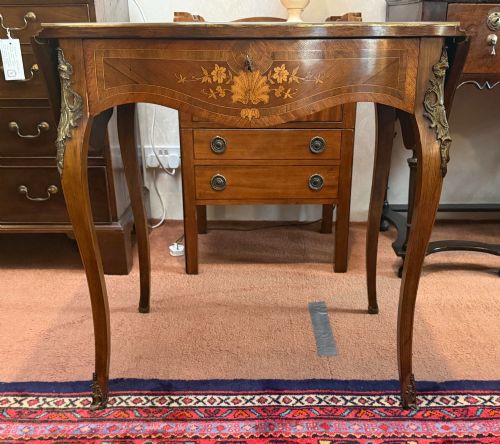
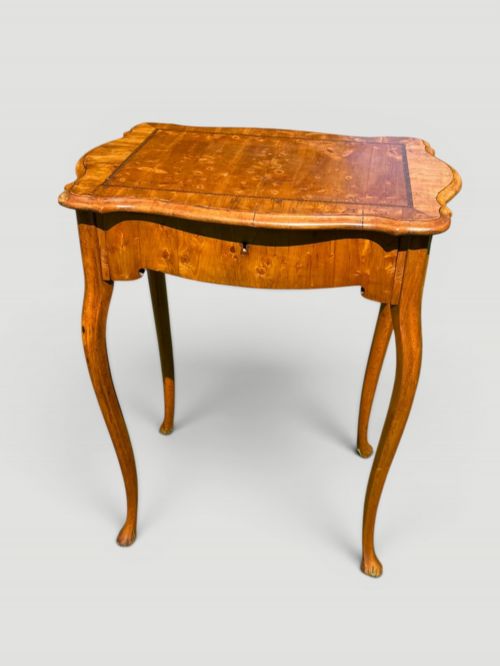
The selection on this page demonstrates the wide geographical reach of these pieces, including Italian, Spanish, and French origins. Alongside dedicated lamp bases, the evidence shows functional transformations where older furniture forms and decorative objects are adapted for modern lighting.
Stylistically, these pieces draw heavily on historical vocabularies, featuring Neoclassical lines, Louis XV revival flourishes, and Baroque extravagance. Buyers will find that walnut, giltwood, and ormolu dominate the physical appearance of these varied lighting fixtures.
Materials and construction methods
Makers utilised traditional woodworking and metalworking techniques to build these lighting supports, employing sturdy timbers like walnut, burr wood, and carved wood for structural integrity. Gesso and leaf finishes in gold and silver provide the rich reflective surfaces characteristic of many surviving examples.
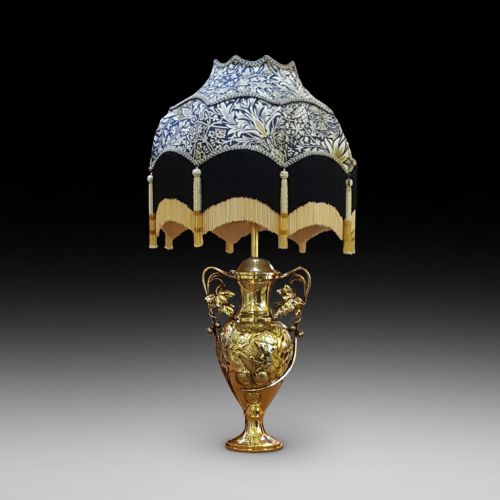
Metal components frequently involve cast brass and ormolu, shaping intricate details that reflect the aesthetic movements of their respective periods, from Baroque revival to early twentieth-century secessionist styles. Fabric elements occasionally complete the upper portions, pairing with solid carved wooden or metallic bases.
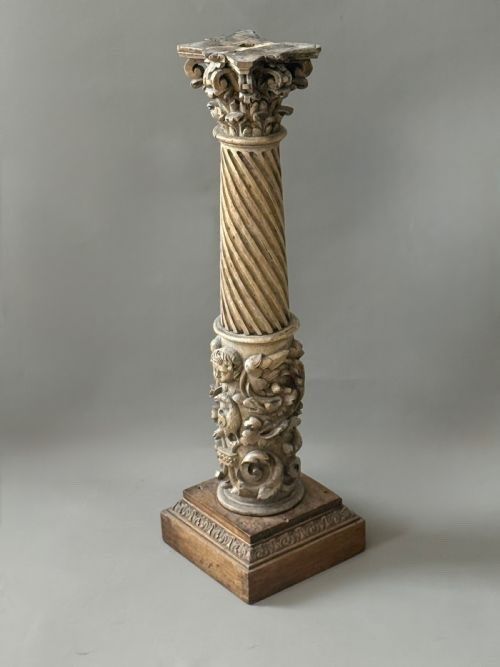
Some heavy architectural fragments, such as seventeenth-century wooden pillars, find a second life illuminating modern rooms as towering lamp bases.
Judging the quality of execution
The calibre of a continental table lamp rests primarily on the depth and precision of the manual carving and the integrity of the original surface finishes, such as hand-applied silver or gold leaf. Superior examples demonstrate confident handling of form, whether in the fluid lines of an Art Nouveau vase lamp or the robust proportions of a seventeenth-century wooden pillar.
Material selection further distinguishes the work, with figured walnut, heavy cast brass, and rich ormolu elevating a piece above simpler constructions. The harmony between the original object and its adaptation for lighting also dictates how successfully the piece holds its decorative presence in a modern interior.
The Continental Table Lamp Glossary
- Giltwood
- Wood that has been coated with a thin layer of gold leaf or gold paint. This technique creates a luminous, reflective surface often seen on ornamental furniture and lamp bases.
- Ormolu
- Finely chased and gilt bronze used for decorative mounts and fittings. It gained widespread popularity in French decorative arts during the eighteenth and nineteenth centuries.
- Secessionist
- An early twentieth-century artistic movement that broke away from traditional academic styles. It favours geometric clarity and stylised organic motifs.
- Neoclassical
- A style inspired by the classical art and architecture of ancient Greece and Rome. It emphasises symmetry, restraint, and classical architectural orders.
Continental Table Lamp: Frequently Asked Questions
What is a continental table lamp?
A continental table lamp is a lighting fixture or adapted base originating from mainland Europe. These pieces incorporate regional design traditions spanning several centuries.
They range from carved wooden pillars and giltwood sculptures to brass secessionist stems and ceramic vase adaptations.
How do I date a lamp base?
Dating relies on identifying the prevailing artistic style, construction materials, and fastening methods used in the piece. Stylistic markers point to distinct eras like the Baroque revival or Art Nouveau.
Comparing the timber types and gilding techniques with documented furniture and decorative objects from the same region helps narrow the age.
Where were these lamps made?
These pieces originate from workshops across mainland Europe, with Italy, France, and Spain frequently represented. Each country imparted distinct regional aesthetic preferences to the decorative arts.
Local timber availability and prevailing court or bourgeois tastes shaped the distinct character of each nation's output.
Can I use modern bulbs?
Most antique lighting can accommodate contemporary bulbs, provided the lamp holder is compatible and meets current safety standards. Rewiring is common practice for older electrical fittings.
Consulting a qualified electrician ensures that vintage or adapted lamp bases operate safely with modern power supplies.
How do I style these lamps?
A continental table lamp works well as a focal point on side tables, credenzas, or desks in traditional and eclectic interiors. The rich textures of giltwood, walnut, and brass complement both neutral and bold colour schemes.
Pairing the base with a simple, well-proportioned shade lets the historical craftsmanship of the lamp stand out.