
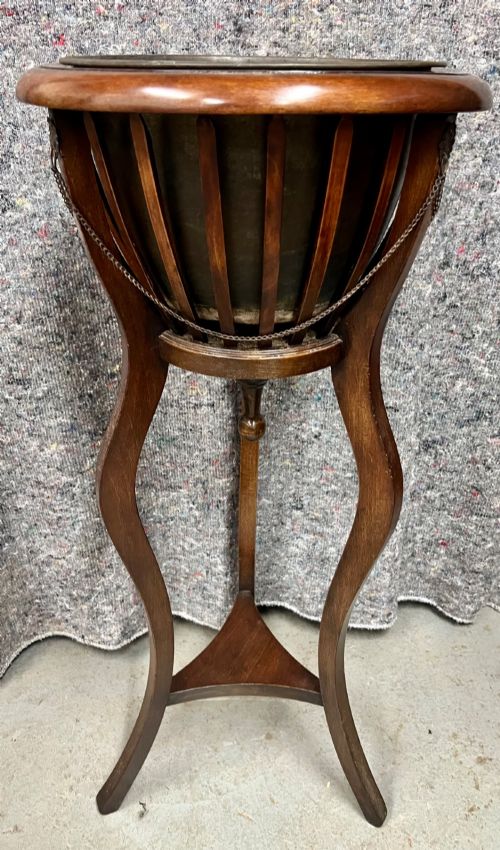
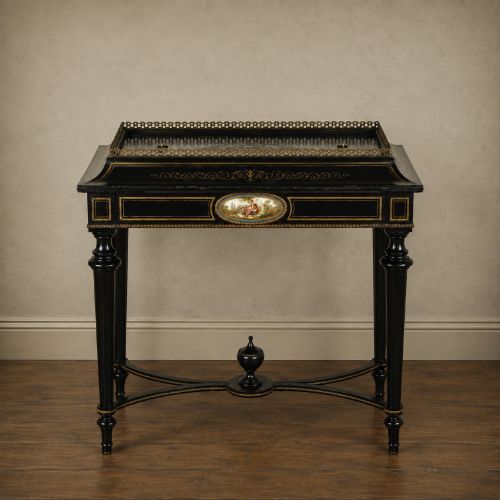
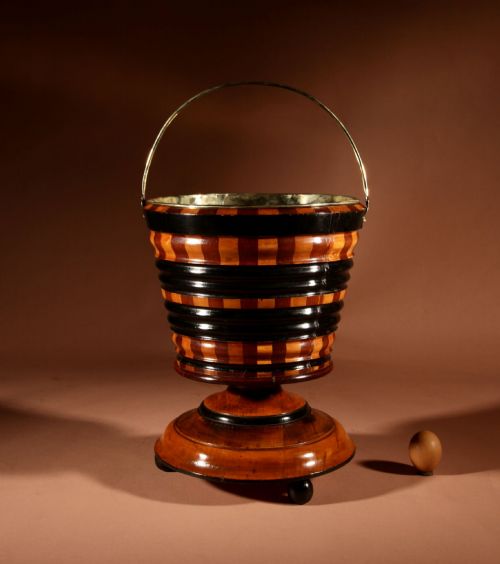
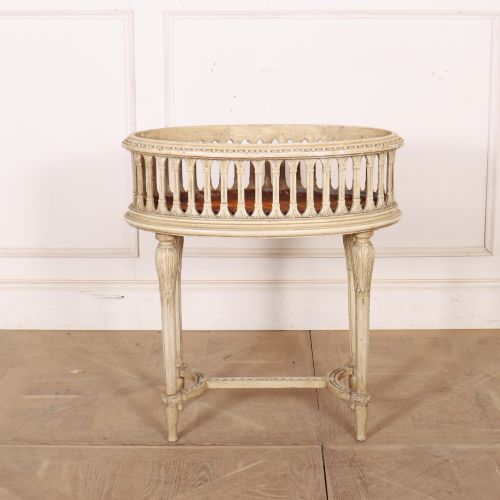


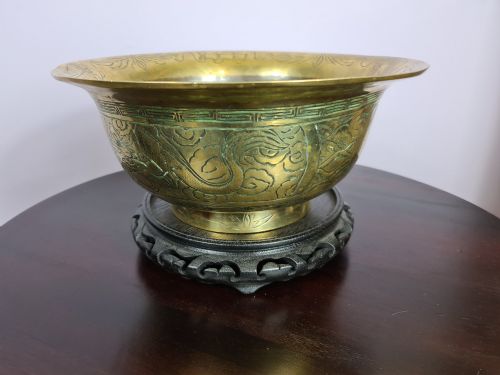

Wood Planter Stand
These wood planter stand examples bring greenery indoors with period elegance, offering traditional display surfaces for decorative bowls and botanical arrangements.
Wood Planter Stand
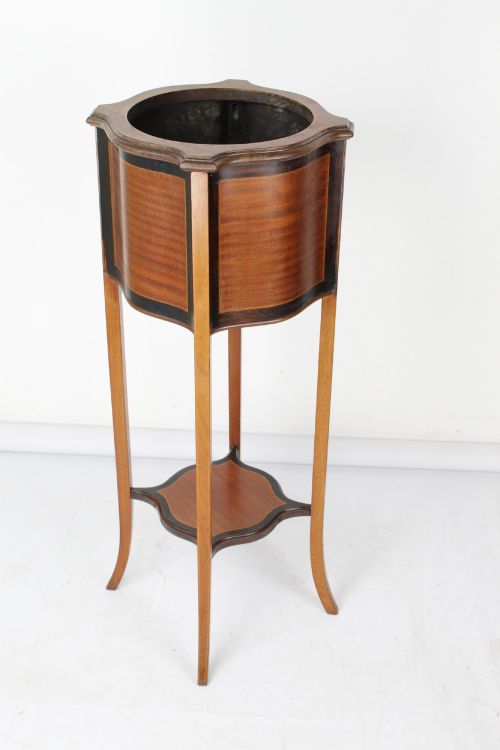
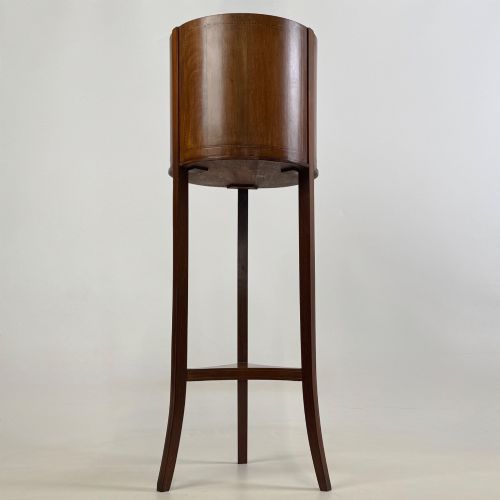
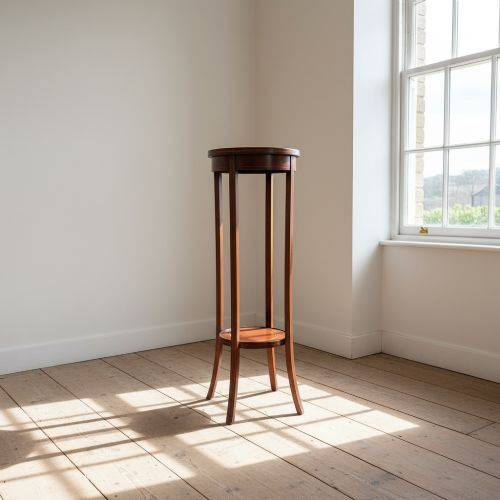
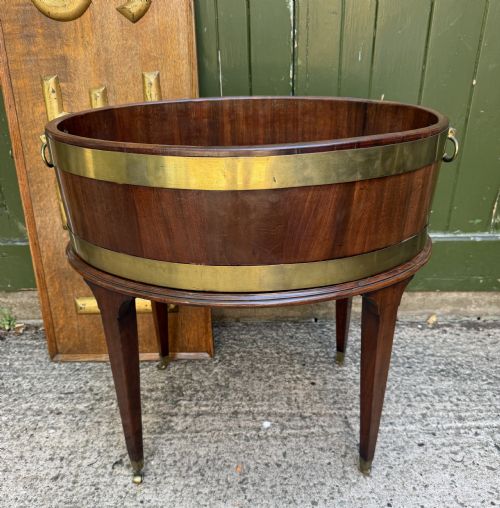
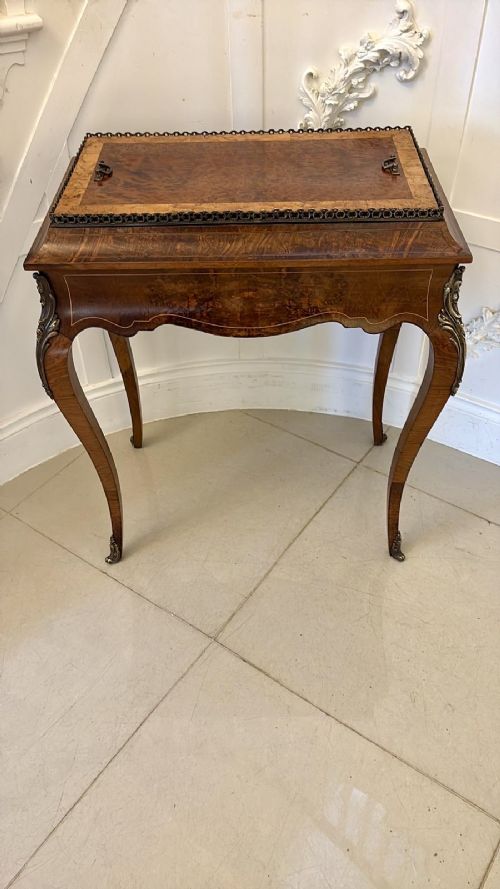
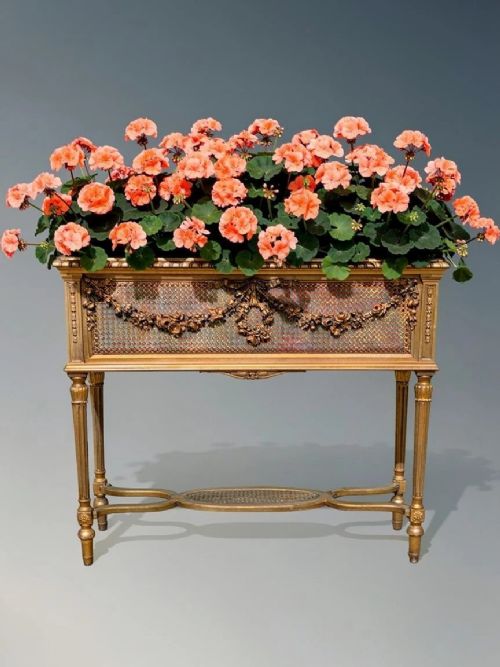
A wood planter stand serves to elevate botanical displays and ornamental bowls within domestic spaces, drawing on a long tradition of interior horticulture. Buyers seeking a wood planter stand encounter forms ranging from Edwardian inlaid pedestals to Georgian wine coolers and Chinese export display tables.
The selection encompasses dedicated plant stands, jardiniere tables, coopered buckets, and torchere adaptations spanning the nineteenth and early twentieth centuries. These furnishings bridge utility and display, designed specifically to accommodate heavy ceramic vessels, plants, and floral arrangements securely.
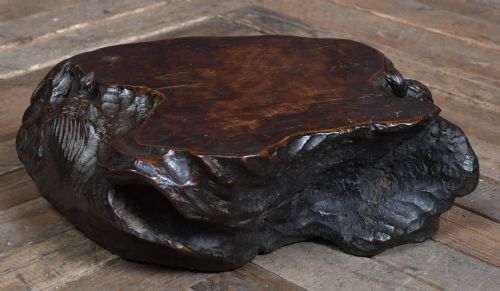
Examples on this page reflect diverse regional influences and cabinet-making traditions, from English mahogany pedestals to French ebonised tables and Japanese carved stands. Each piece provides a dedicated platform that elevates foliage to eye level, framing nature as a focal point within period rooms.
How they were made
Cabinet-makers relied heavily on dense timbers such as mahogany, walnut, satinwood, and oak to construct stable, weight-bearing structures capable of supporting damp soil and heavy ceramic vessels. Many pieces incorporate decorative techniques like marquetry inlay, ebonisation, or carved detailing to enrich the polished wooden surfaces.
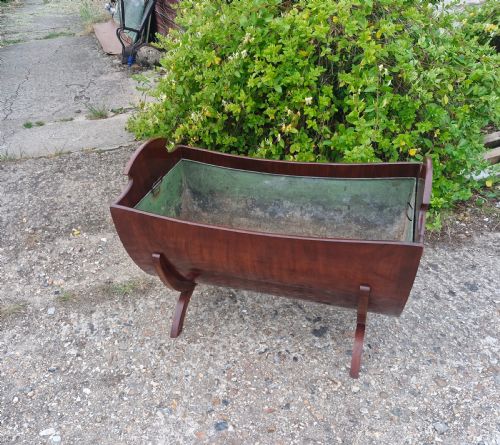
Coopered construction appears frequently in bucket-style forms, utilising tight-fitting wooden staves bound with brass bands to hold moisture safely. Metal components such as brass linings, ormolu mounts, and iron fittings were integrated to protect the wood from water and add structural refinement.
Periods represented span from Georgian and Victorian times through the Edwardian era and into the twentieth century.
What varies in quality
The degree of refinement in timber selection and cabinet-making technique distinguishes standard utility items from top-tier decorative furnishings. Superior examples display meticulous joinery, balanced proportions, and sophisticated decorative embellishments such as fine satinwood banding or hand-carved motifs.
The integration of original metalwork, including bespoke brass binding or cast ormolu mounts, elevates a piece's standing. Evidence of thoughtful design, such as stable pedestal bases and well-preserved internal liners, marks the distinction between ordinary manufacture and exceptional craftsmanship.
Enoch Wood & Sons
The Wood Planter Stand Glossary
- Jardiniere
- An ornamental pot or stand designed to hold a plant or flower arrangement. These vessels frequently feature decorative exterior treatments matching the furniture stands that support them.
- Coopered
- Built using narrow staves of wood fitted together side by side to form a rounded container, traditionally secured with metal hoops. This technique is common in bucket and wine cooler forms.
- Torchere
- A tall, slender stand originally designed to support a candelabrum, later adapted to display vases and plants. They provide significant vertical height within a room.
- Ebonised
- Wood treated with a chemical stain or finish to imitate expensive ebony. This dark, polished surface was particularly popular during the nineteenth century.
- Inlay
- A technique where pieces of contrasting timber, shell, or metal are inserted into depressions within the base wood to create decorative patterns.
Wood Planter Stand: Frequently Asked Questions
What is a jardiniere stand?
A jardiniere stand is a specialised piece of furniture designed to elevate a plant pot or decorative bowl. These stands place greenery at a prominent height within a room.
They appear in various forms, from slender wooden pedestals to wider tables with integrated containers or metal linings.
How were old planter stands used?
Historical planter stands held potted plants, floral displays, or specialised vessels containing water and soil indoors. Wealthy households utilised them to bring exotic greenery into parlours and drawing rooms.
Some variations also functioned as wine coolers or log baskets, demonstrating flexible utility in domestic spaces.
Are these stands water resistant?
Many period stands incorporate metal linings, brass bands, or coopered staves designed to handle moisture from plants. However, historic wooden surfaces still require care to prevent water damage.
Using a protective tray or liner inside the vessel helps preserve the original timber and interior finish.
How do I identify the period?
Dating relies on observing timber choices, cabinet-making techniques, and stylistic markers associated with specific eras like the Georgian or Edwardian periods. For instance, satinwood inlay often points to the Edwardian era, while heavy mahogany proportions suggest earlier Georgian manufacture.
Comparing construction methods and decorative motifs against documented examples clarifies the likely age.
Can I use them for modern plants?
These stands accommodate modern potted plants effectively, provided the dimensions and weight limits match the vessel. Placing a modern plastic liner inside historic containers protects the antique wood from dampness.
They offer a practical way to integrate botanical displays into contemporary interiors using period pieces.