

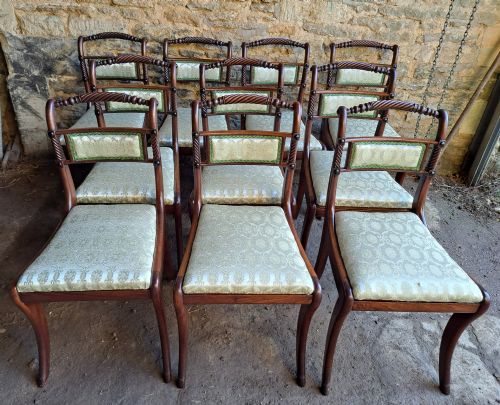
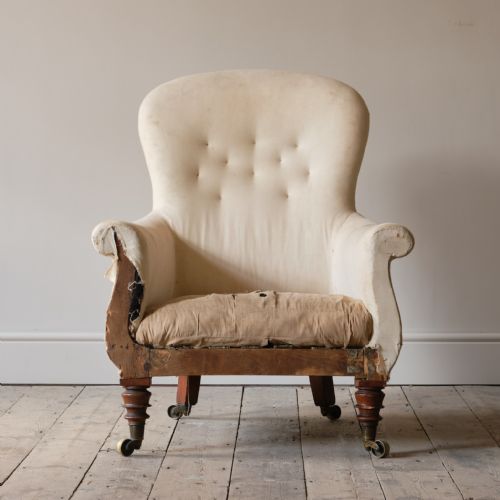
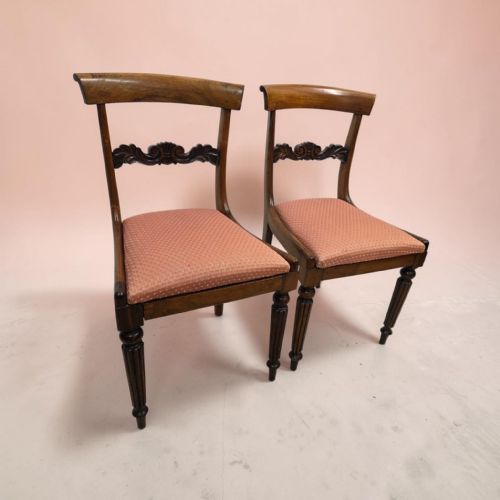
William IV Seating
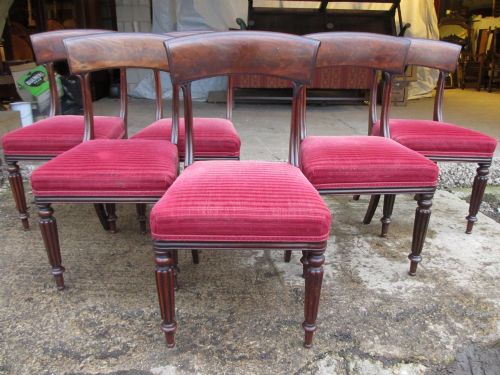
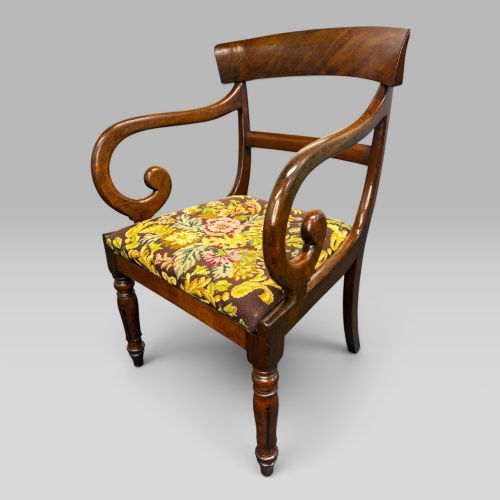
These pieces of william iv seating combine robust timber frames with rich upholstery, offering sturdy domestic comfort and distinct period character.
William IV Seating
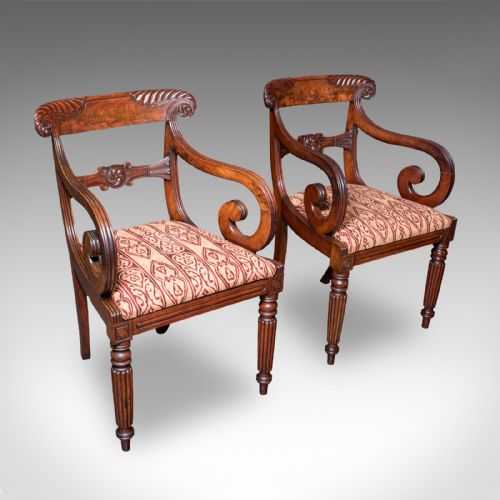
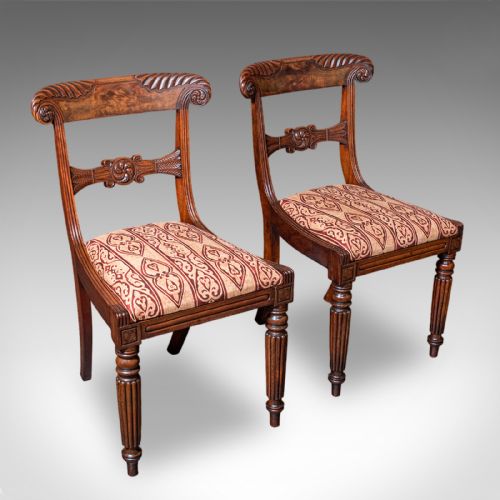
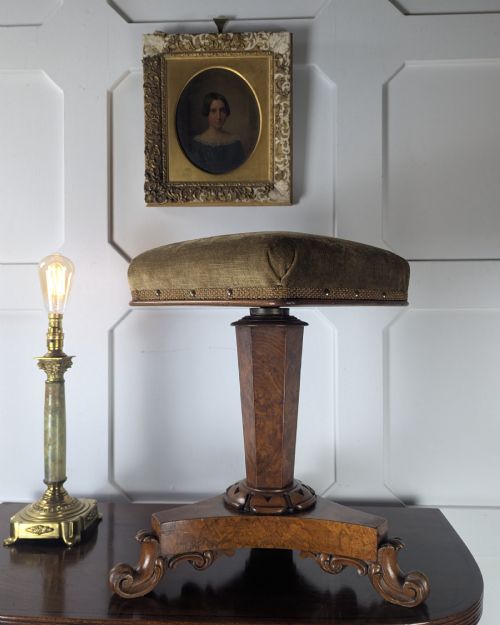
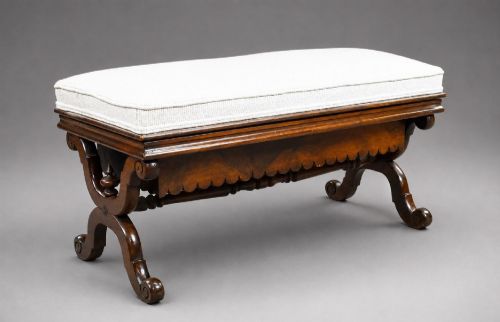
When you search for william iv seating, you encounter a range of domestic furniture designed for dining rooms, halls, and parlours during the nineteenth century. The selection spans single dining chairs, carvers, elbow chairs, and library armchairs, alongside piano stools and footstools.
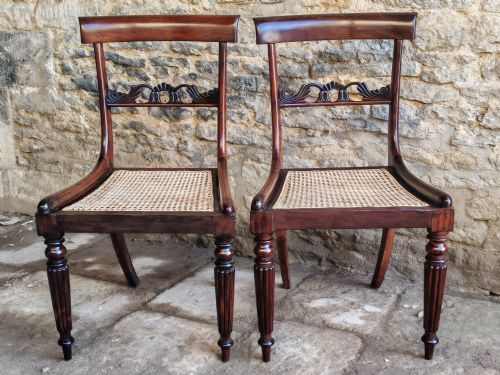
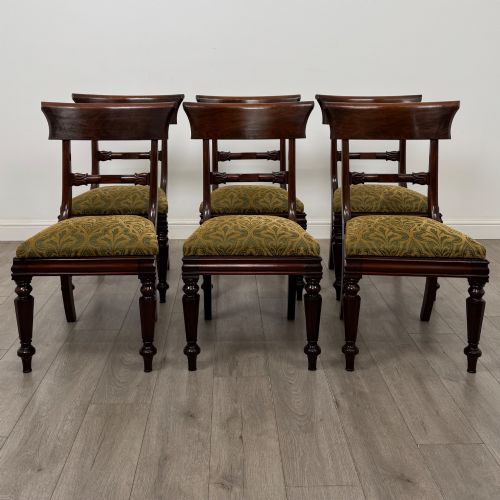
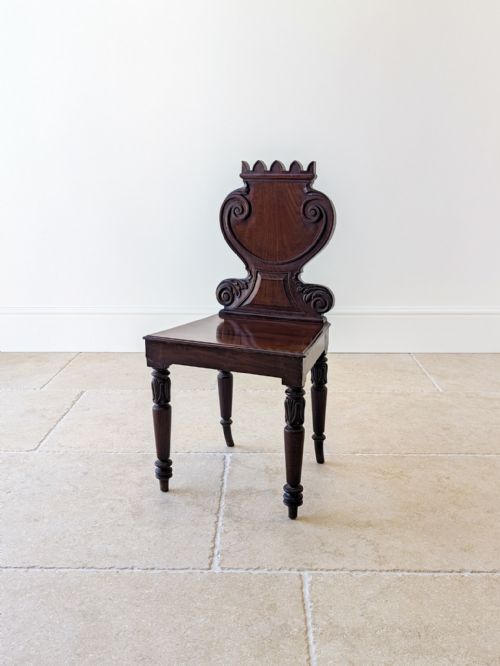
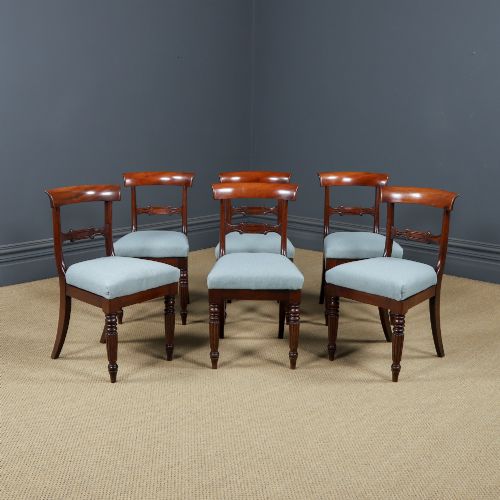
You are most likely to meet mahogany dining chairs and hall chairs bearing the distinct architectural lines of the period around eighteen thirty. These pieces often arrive in sets or pairs, reflecting the formal seating arrangements of nineteenth-century households.
Materials and construction
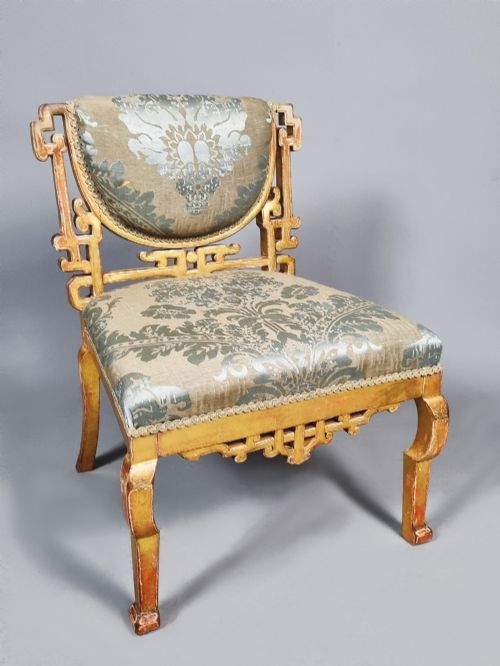
Cabinet makers utilised dense hardwoods such as mahogany and rosewood, occasionally employing walnut, giltwood, or faux bird's eye maple for specific decorative effect. These timbers were turned, carved, and polished to highlight natural grain patterns.
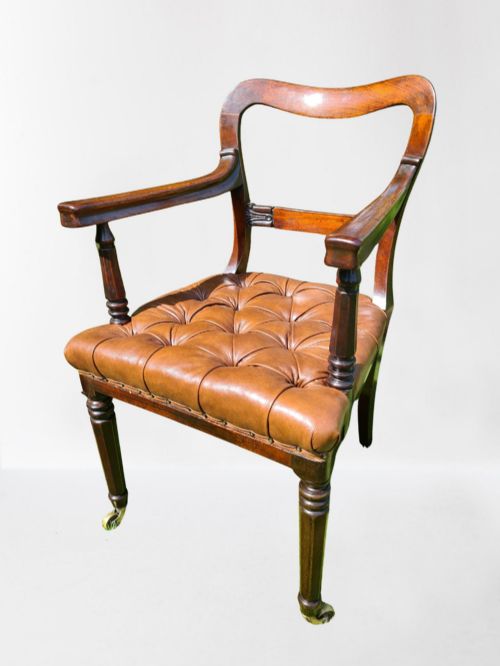
Upholstery techniques involved traditional stuffing finished with fabrics including velvet, leather, kilim, and printed stripes. Brass elements frequently appeared as castors, studs, or mechanical adjustments on stools and chairs.
A Scottish chapel organist needed a reliable perch, resulting in a walnut music riser surviving from the eighteen thirties.
Craftsmanship and proportion
The distinction between standard utility seating and finer examples lies in the crispness of the timber carving and the integrity of the frame construction. Superior pieces display thoughtful proportions, balanced proportions, and robust joinery that withstands centuries of use.
Subtleties in turning, the quality of the timber selection, and the retention of original upholstery materials or hardware elevate certain pieces above routine production.
Waugh & Son·Miles & Edwards·Gillows
The William IV Seating Glossary
- Bar back
- A chair design featuring a horizontal top rail shaped like the crossbar of a piece of harness. This style appears frequently on dining chairs from the period.
- Hall chair
- A rigid wooden seat intended for an entrance hall, often featuring a carved solid back and no upholstery. These pieces were designed to display family crests or decorative carving.
- Elbow chair
- An armchair with short arms that typically sits at the head of a dining table or functions as a fireside seat. They match larger sets of single chairs.
- Bergère
- An enclosed upholstered armchair with exposed wooden framing and cane or upholstered sides. These provide deep comfort for libraries and drawing rooms.
- Curule
- An ancient Roman shape formed by two intersecting curves resembling an X. This classical form inspired nineteenth-century footstools and X-frame seats.
William IV Seating: Frequently Asked Questions
How do I identify william iv seating?
Look for heavy proportions, carved scroll details, and dark timber such as mahogany or rosewood. These designs sit between the lighter Regency style and the heavier Victorian aesthetic.
Details like turned legs, bar backs, and recessed paneling often point directly to this era.
Can I use these chairs for daily dining?
Most nineteenth-century dining chairs are structurally robust and suited for regular use around a modern table. Solid mahogany frames offer lasting stability when joints remain sound.
Checking the stability of the seat frame ensures comfortable daily seating.
How should I care for rosewood and mahogany?
Keep wooden surfaces away from direct sunlight and radiators to prevent the timber from drying and splitting. Regular dusting with a dry cloth maintains the polished finish.
Applying occasional wax feeds the wood and preserves the depth of the grain.