
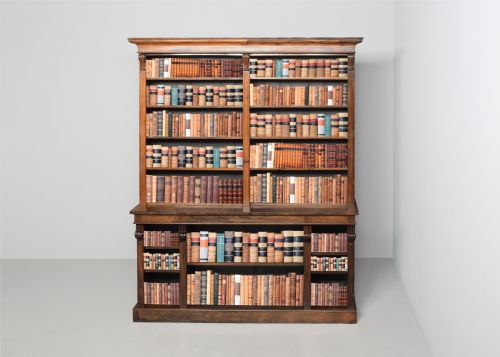
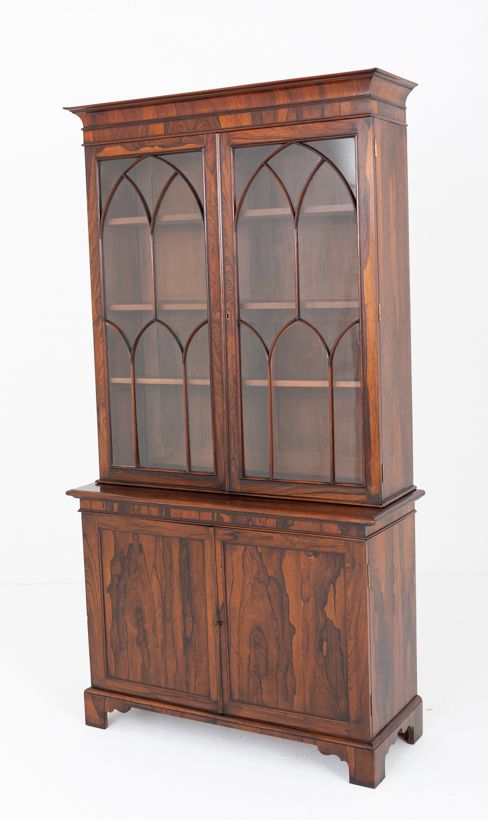
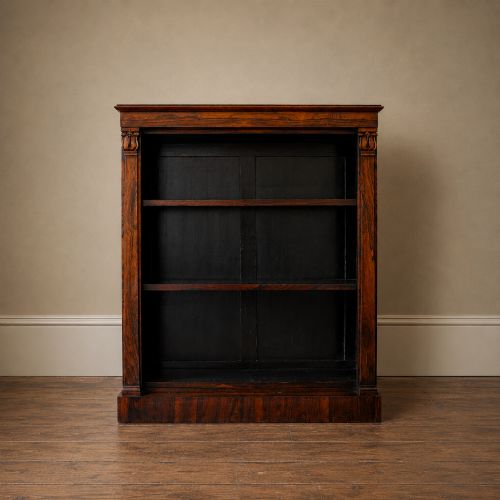
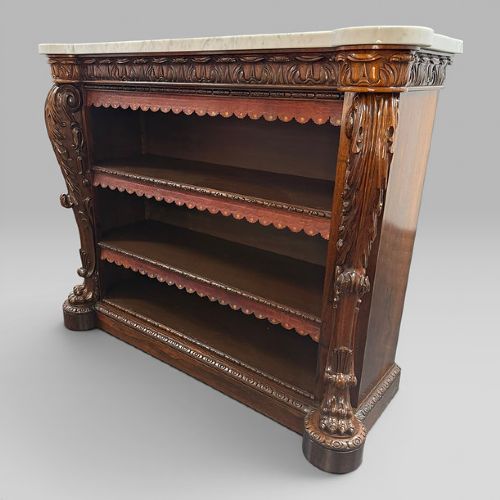
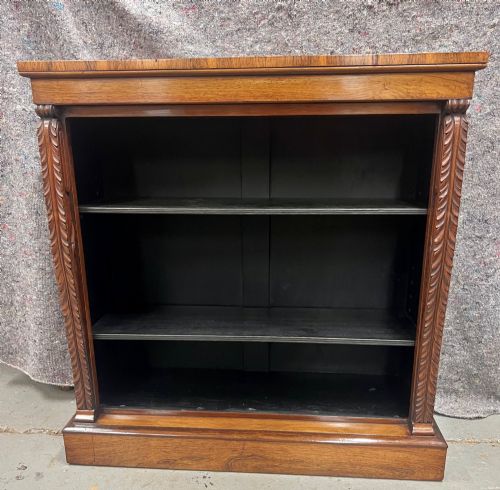


William IV Rosewood Cabinet
A william iv rosewood cabinet brings rich grain, deep warmth, and architectural presence to a room.
William IV Rosewood Cabinet
A william iv rosewood cabinet encompasses a broad variety of storage and display forms shaped during the nineteenth century, including side cabinets, breakfront pieces, bookcases, chiffoniers, and smaller collectors pieces. The aesthetic bridges the Regency period and the early Victorian era, displaying strong classical proportions combined with rich dark timber.
The pieces appearing most frequently take the form of side cabinets and open bookcases, often fitted with adjustable shelves or enclosed behind glazed or brass grill doors. Many examples incorporate polished marble tops or brass inlay, reflecting the high status of rosewood in fashionable interiors of the period.
How they were made
Cabinet makers utilised dense rosewood veneers applied to sturdier secondary timbers, highlighting the natural figuring of the wood across broad surfaces like doors and tabletops. Brass components, including stringing, grilles, and hardware, were carefully embedded into the wood to provide linear contrast.
Structural elements frequently incorporated secondary woods such as mahogany and oak, while select pieces integrated marble tops, glass panels, and fabric linings. Construction relied on traditional joinery methods suited to heavy timber and large breakfront carcases.
Listings feature nineteenth-century forms including bookcases, chiffoniers, davenports, and canterburys constructed from rosewood, mahogany, marble, and brass.
What varies in quality
The standard of a william iv rosewood cabinet depends heavily on the selection and matching of the rosewood veneers across the facade, where symmetrical grain patterns denote superior craftsmanship. The precision of brass inlay and the integration of secondary materials like marble or fine glass further distinguish high-end workshops.
Proportion and structural integrity separate simpler utility pieces from finer cabinet work attributed to prominent makers or workshops. Subtle carving, the execution of turnings, and the original quality of internal fittings dictate the overall standing of an individual piece.
Gillows·Holland and Sons
The William IV Rosewood Cabinet Glossary
- Rosewood
- A dense, heavily figured tropical hardwood prized for its dark purple-brown colour and contrasting black grain. It was widely utilised for high-status furniture during the nineteenth century.
- Chiffonier
- A low sideboard or cabinet featuring enclosed shelving below, frequently topped with a superstructure or marble slab. These pieces served practical storage functions in dining rooms and drawing rooms.
- Breakfront
- A cabinet design where the central section projects forward from the flanking wings. This configuration creates architectural depth and visual weight.
- Canterbury
- A low, freestanding stand featuring partitioned sections for holding sheet music, books, or portfolios. They often incorporate small drawers and turned supports.
- Davenport
- A compact writing desk featuring a sloping, leather-lined writing surface above a pedestal of drawers. The design maximises workspace within a small footprint.
William IV Rosewood Cabinet: Frequently Asked Questions
What is a william iv rosewood cabinet?
A william iv rosewood cabinet is a nineteenth-century storage or display piece constructed from dense rosewood timber during the transitional period between Regency and early Victorian styles. These pieces range from open bookcases and chiffoniers to breakfront side cabinets.
Craftsmen often combined the dark, figured wood with brass inlay, glass doors, and marble tops to suit formal drawing rooms and libraries. Their proportions remain grounded in classical design principles.
How were these cabinets used originally?
These cabinets served primarily to store and display books, porcelain, and household valuables in wealthy nineteenth-century homes. Breakfronts and chiffoniers functioned as dining room sideboards or drawing room display surfaces.
Smaller variants like sewing tables, canterburys, and davenports provided dedicated spaces for specific domestic pastimes and correspondence. Their enclosed cupboards kept private items out of sight.
How do you style a rosewood cabinet today?
A william iv rosewood cabinet anchors a modern interior by introducing dark wood tones and historical texture to a room. Placing lamps or ceramics on the marble or wooden top balances the visual weight of the base.
Use open shelves to display books or collections while keeping clutter behind the closed doors or glazed panels. The rich grain complements both neutral contemporary walls and traditional period spaces.
How can you tell a piece is from the nineteenth century?
Nineteenth-century pieces display characteristic construction methods, such as hand-cut dovetails in the drawers and dense rosewood veneers over secondary woods like oak or mahogany. Design motifs often combine Regency classical restraint with early Victorian elaboration.
Hardware elements, including brass grills and specific lock mechanisms, align with the manufacturing techniques of the 1830s and surrounding decades. Materials and proportions reflect the prevailing tastes of that specific era.