

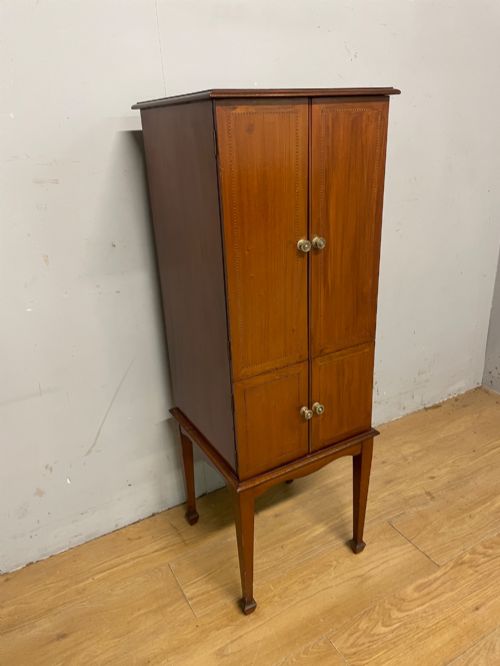
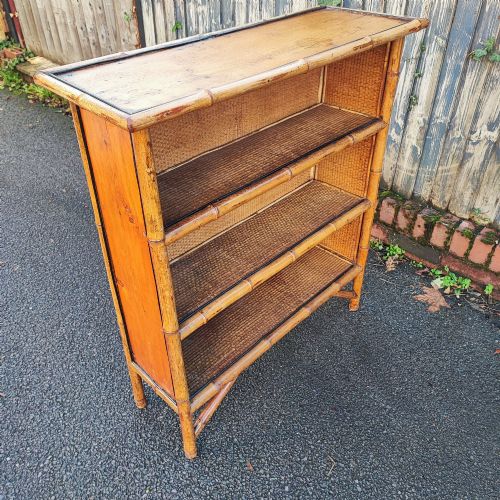
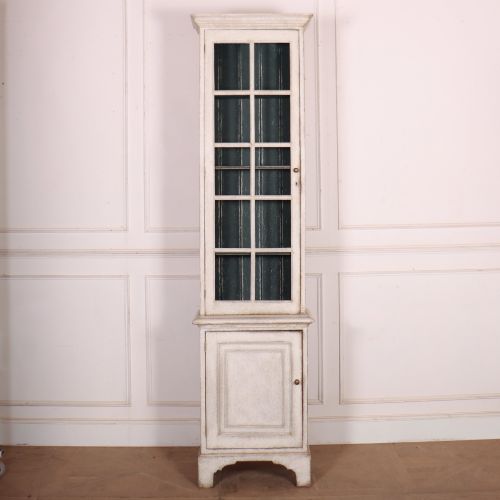
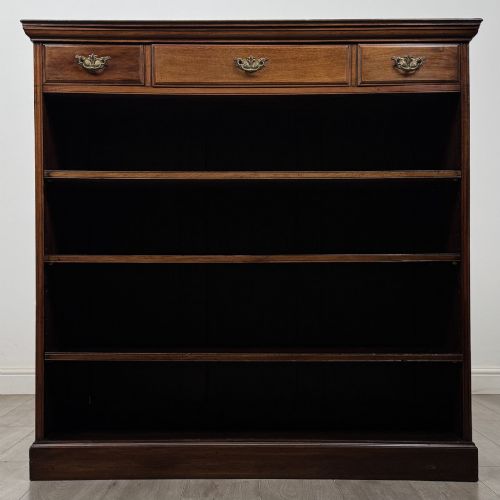
Antique Bookcase on Stand
An antique bookcase on stand pairs an elevated cabinet for books with a supporting base, offering elevated display and storage.
Antique Bookcase on Stand
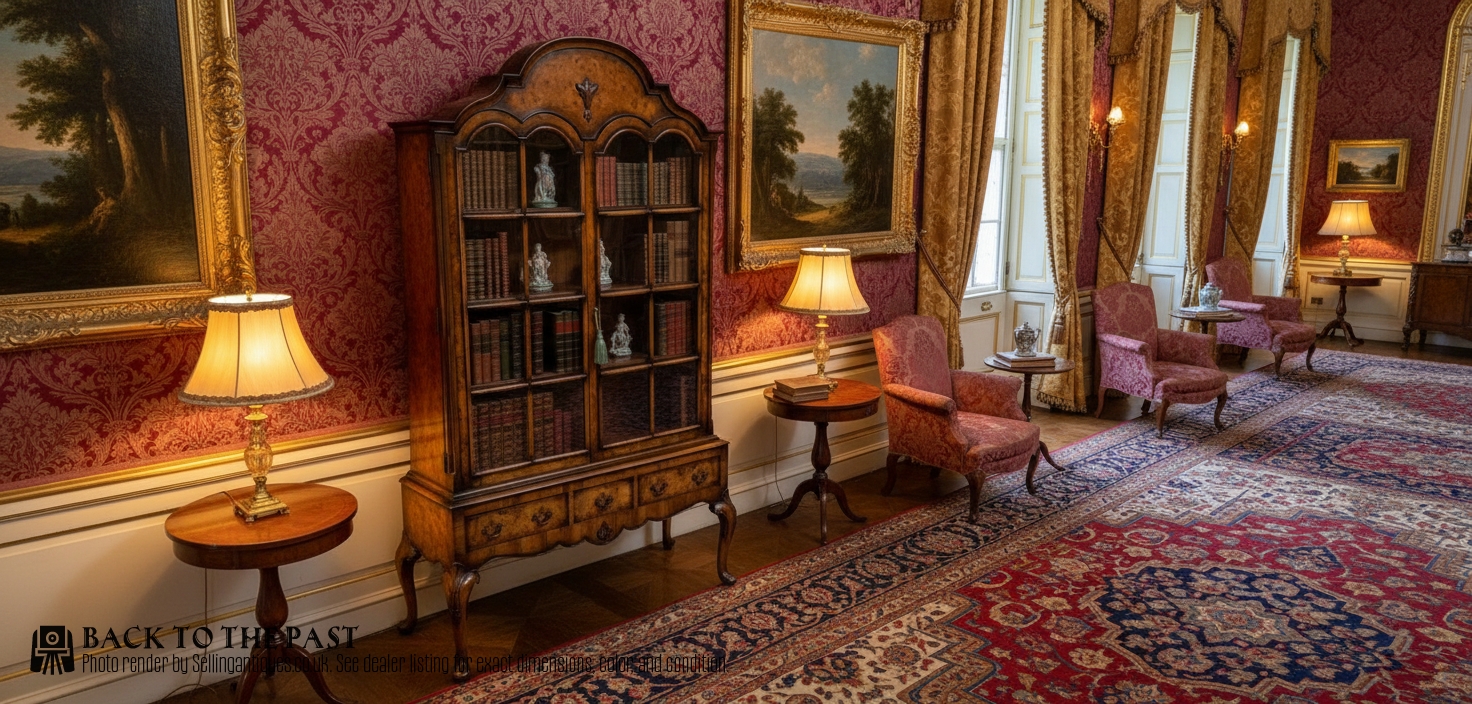
An antique bookcase on stand brings together a raised cabinet or bookcase body mounted upon a distinct base, creating a lighter visual footprint than a full-height floor cabinet. When searching for this specific form, buyers encounter Georgian, Regency, and early 20th-century Sheraton Revival pieces that combine display space with furniture elevation.
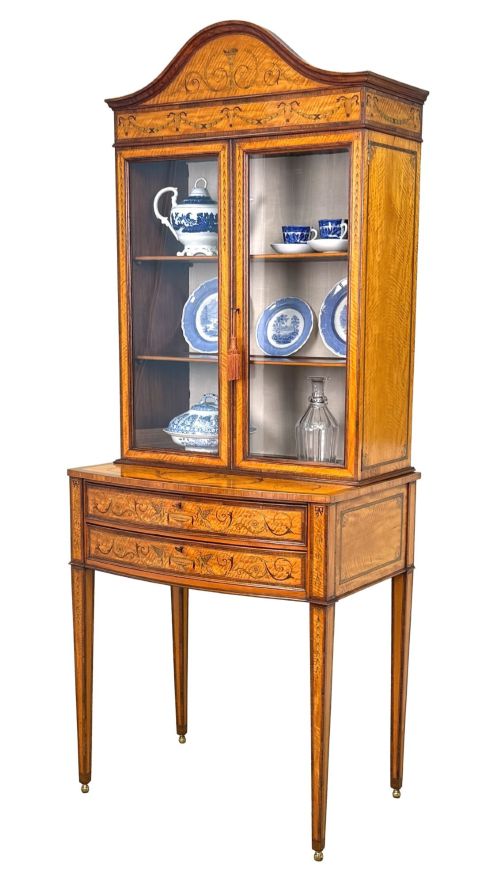
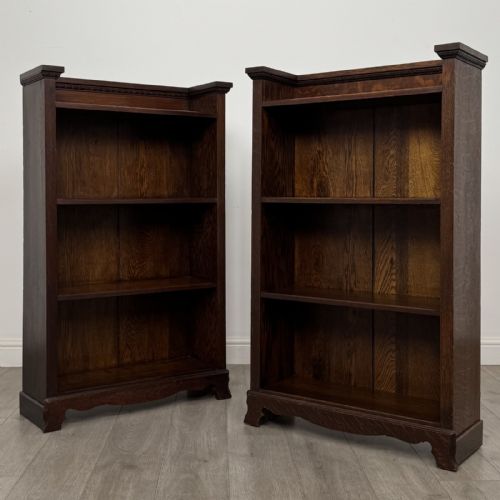
The evidence shows that these elevated pieces frequently feature mahogany and satinwood construction, often accented with astragal glazed doors and neoclassical decoration. Alongside these formal iterations, the selection spans open bookcases, display cabinets, and rotating designs from the Victorian and Edwardian periods.
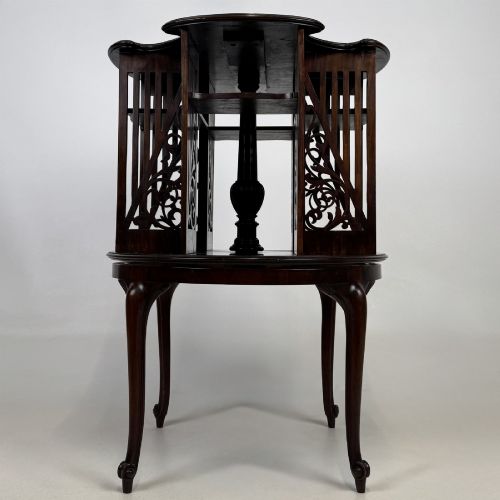
The supporting stand ranges from simple legs to more elaborate frames, occasionally paired with later stands or marquetry-inlaid bodies. This structural division separates the primary storage volume from the floor, distinguishing the form from standard freestanding bookcases and corner cupboards.
Materials and Construction
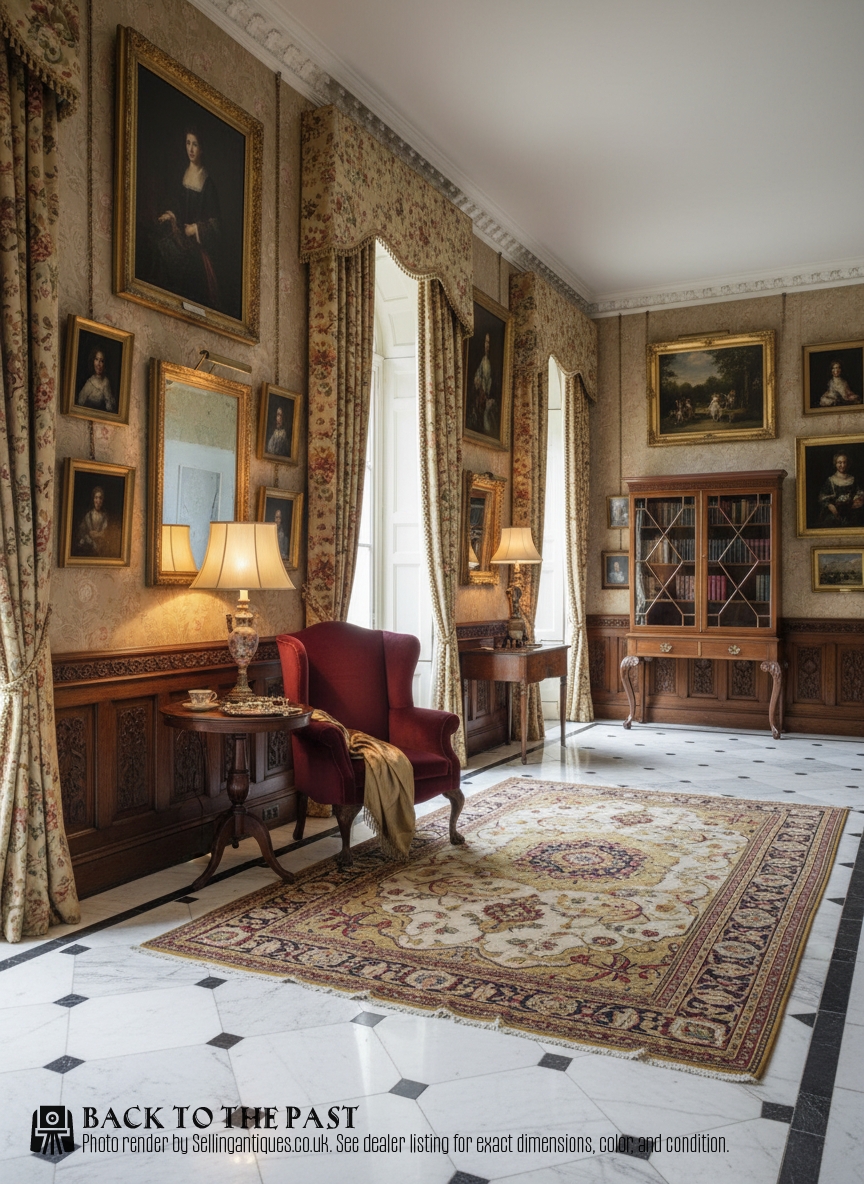
Cabinetmakers utilised dense hardwoods such as mahogany, rosewood, oak, and satinwood to build the primary carcass and stand. These timbers provided the structural strength required to support glass doors and elevated shelving without warping over time.
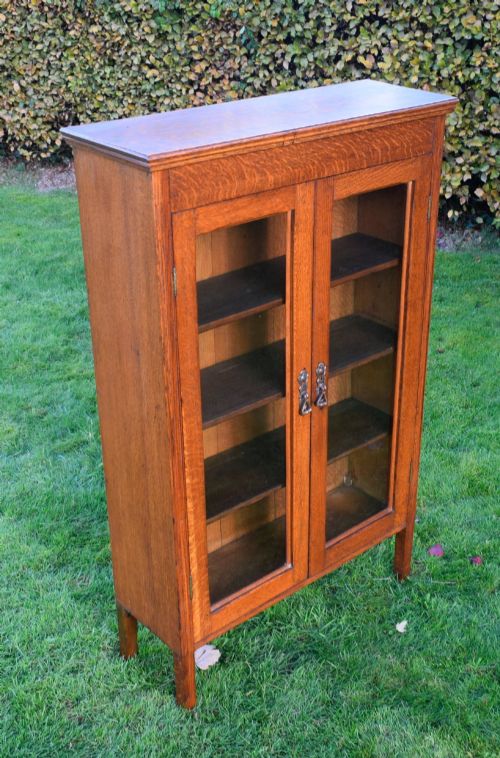
Decorative techniques recorded in the evidence include marquetry inlay, painted decoration, and brass fittings such as castors. Glazing bars, particularly astragal designs, divided the glass panes of the cabinet doors to frame the contents within.
Antique Bookcase on Stand Retail Price Guide 2026
Typical asking prices for bookcase on stand among the pieces listed under this phrase on Sellingantiques today, from the lower quarter to the upper quarter. They describe what is for sale here now, not the wider market.
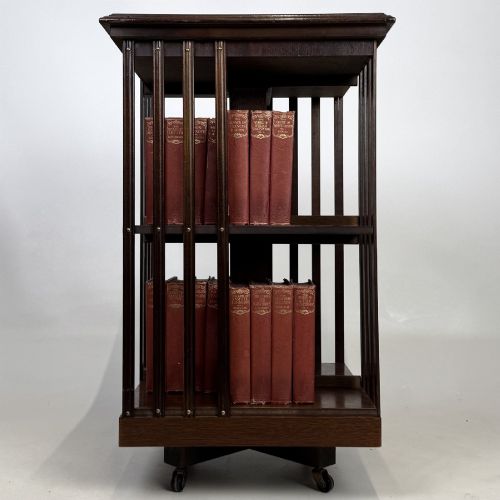
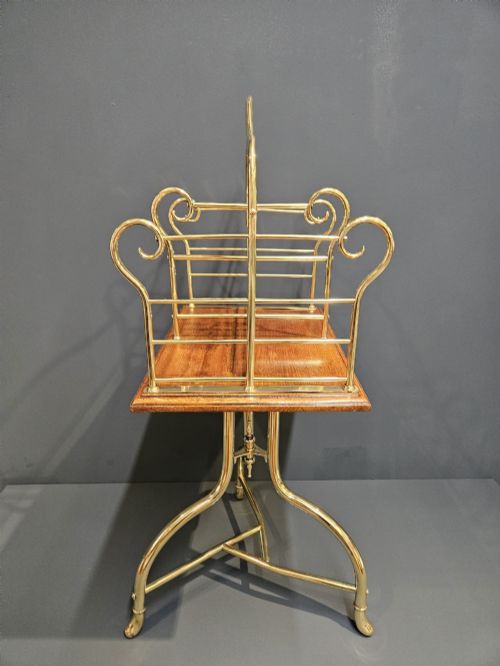
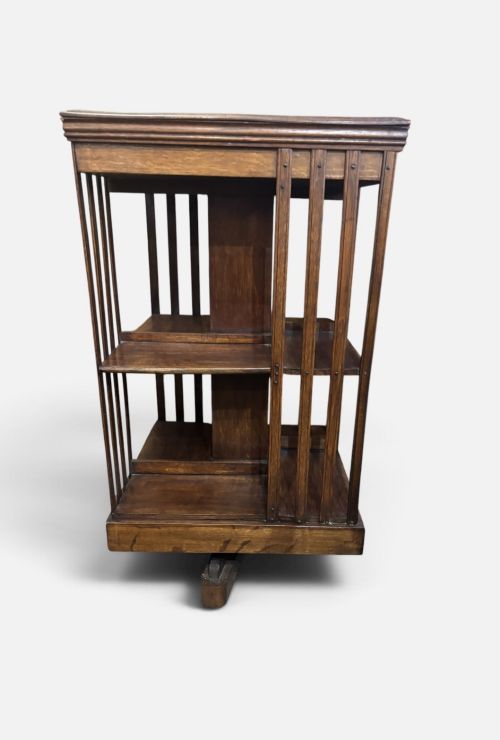
Some revolving bookcases let you spin your entire library with a gentle nudge.
Distinctions in Quality
Quality in these pieces rests upon the crispness of the cabinetwork and the harmony between the upper cabinet and its stand. Finer examples display meticulous marquetry inlay, balanced proportions, and original glass panes within astragal frames.
The integration of the stand reveals the level of craftsmanship, as seen in pieces where the base is harmoniously proportioned to the upper cabinet rather than appearing mismatched or altered over time.
Laverton of Bristol·Collinson & Lock
The Antique Bookcase on Stand Glossary
- Astragal glazed
- Glass doors divided by wooden framing strips known as astragals, creating geometric panes. This technique is common on Georgian and revival display cabinets.
- Marquetry
- Decorative veneer work forming pictures or patterns using various coloured woods. It frequently appears on satinwood and mahogany Edwardian cabinets.
- Revolving bookcase
- A rotating table-top or floor-standing bookcase designed for easy access to volumes. These appear frequently in Edwardian oak and mahogany iterations.
- Waterfall bookcase
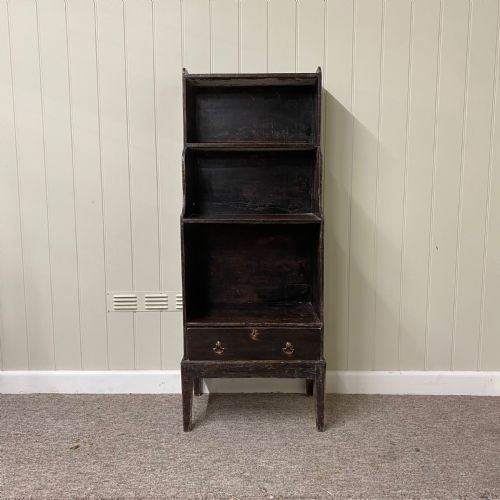
- A set of open shelves diminishing in depth from bottom to top, often associated with Regency and later mahogany pieces.
- Vitrine
- A glass-fronted cabinet designed for displaying fine objects rather than heavy reading volumes. Georgian and Victorian examples utilise this form for delicate collections.
Antique Bookcase on Stand: Frequently Asked Questions
What is a bookcase on stand?
A bookcase on stand is a raised cabinet designed to hold books or display items, supported by a distinct frame or set of legs rather than resting directly on a full-length base.
This elevated construction creates an airy silhouette, lifting the reading materials or collectibles off the floor and into primary view.
How do I date an antique bookcase?
Dating relies on examining the timber species, construction methods, hardware, and stylistic details such as Regency curves or Edwardian inlay.
Comparing the primary materials - such as satinwood, mahogany, or oak - alongside documented cabinetmaker traits helps place the piece within Georgian, Victorian, or Edwardian eras.
Where should I place this furniture?
These elevated cabinets suit studies, drawing rooms, or hallways where floor space benefits from an open stand underneath the main storage compartment.
Because the design often incorporates glazed or open shelving, placing the piece away from direct sunlight protects the timber and paper contents.
Are the stands original to the cabinets?
Some pieces feature stands that were paired with the upper cabinet at a later date, while others maintain their original unified construction.
Examining the wood grain, patina, and joinery where the cabinet meets the stand reveals whether the elements were created together.