



William IV Library Desk
A william iv library desk offers robust timber framing and leather writing surfaces, built to anchor grand studies with functional elegance.
William IV Library Desk
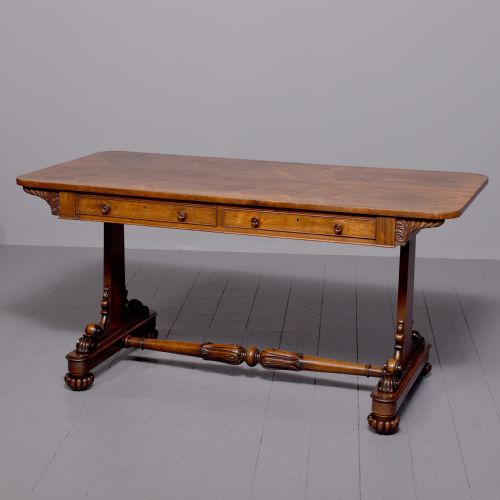
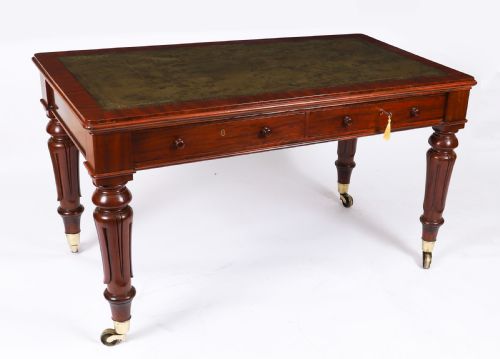
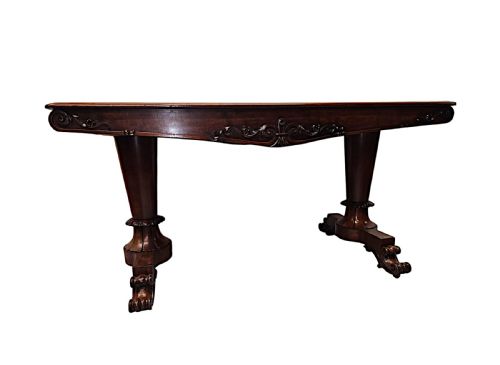
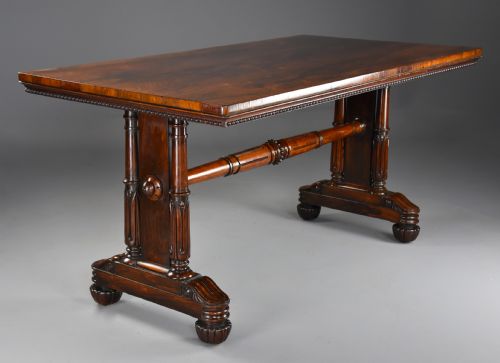
A william iv library desk typically manifests as a substantial freestanding writing table or partners desk designed for nineteenth-century studies and libraries. The pieces span the 19th Century, early Victorian, and Regency periods, embodying the solid proportions typical of the era.
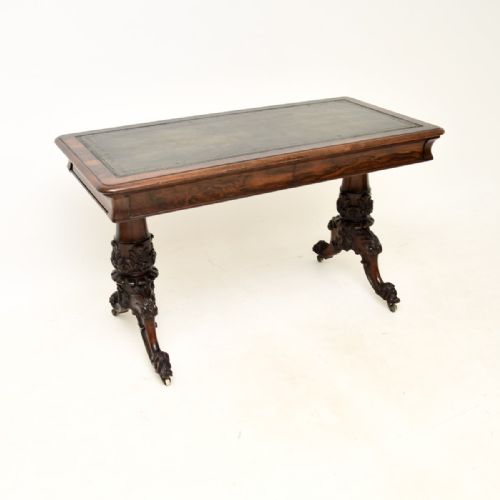
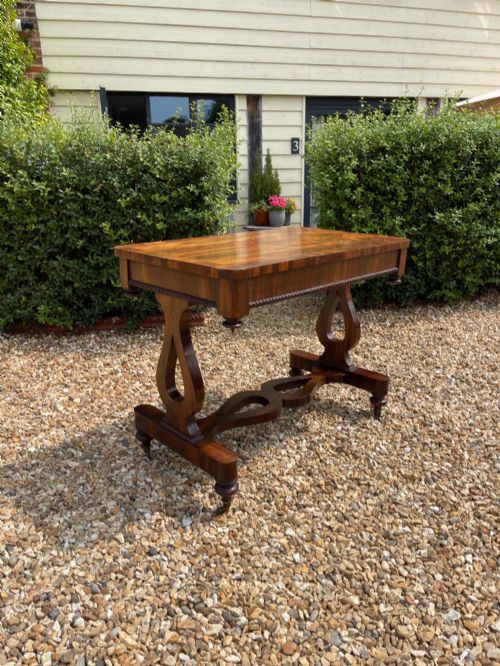
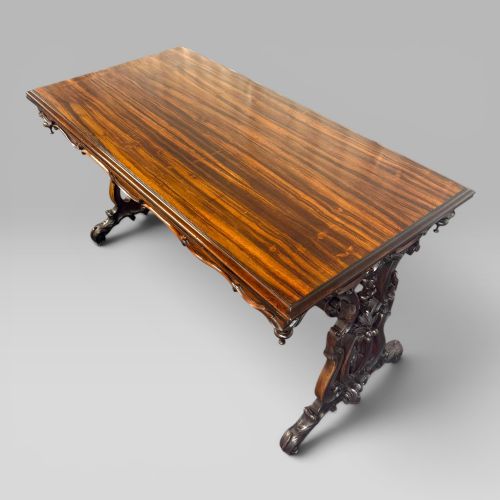
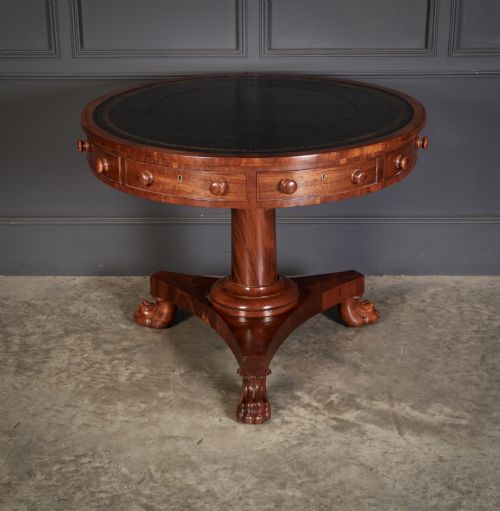
Makers utilised mahogany and rosewood primarily, supplemented by oak, walnut, and exotic timbers such as goncalo alves. These tables frequently feature inset leather writing surfaces and drawers set within the frieze.
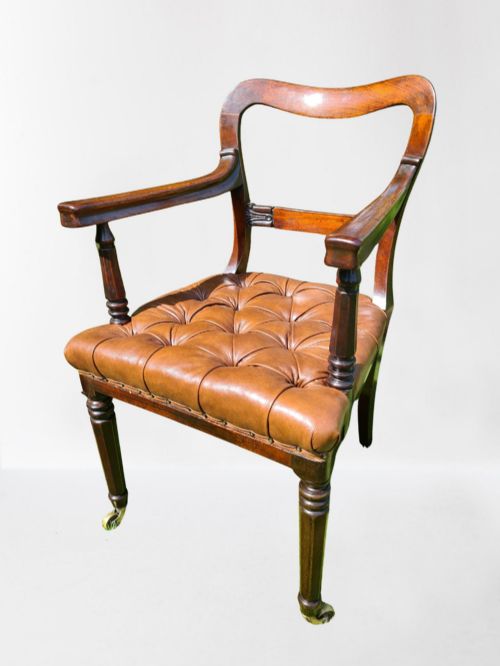
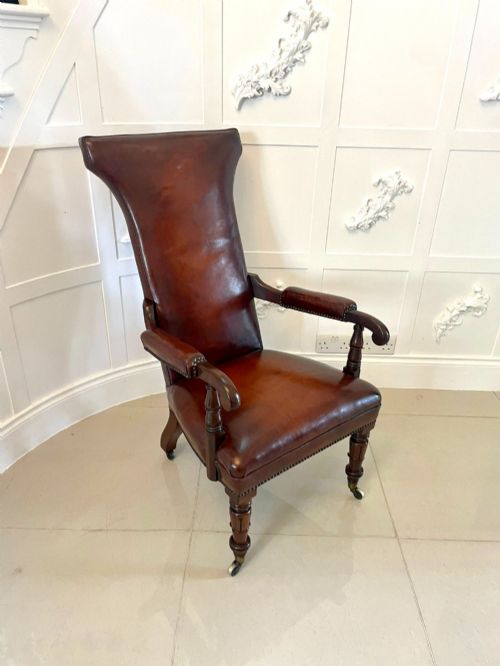
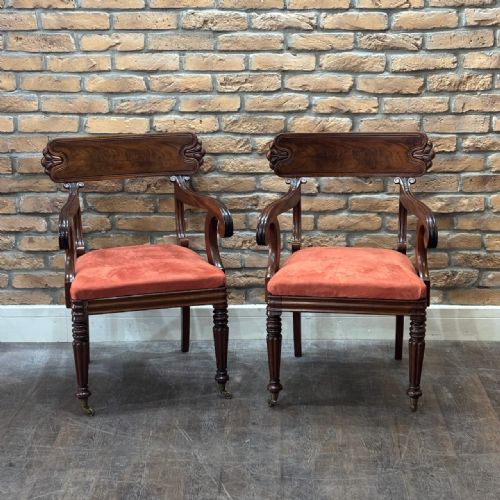
The category also encompasses library chairs and armchairs designed to complement the desks, featuring leather upholstery or cane work. Such tables and seating represent the core of the domestic study furniture from the era.
Materials and Construction
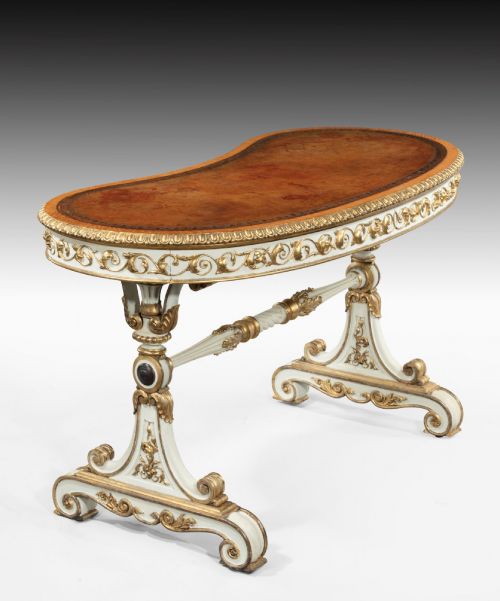
Craftsmen built these pieces using solid timbers like mahogany, rosewood, and oak, often highlighted with flame veneers or marquetry details. Brass hardware, tooled leather writing inserts, and occasionally giltwood or ivory paintwork completed the decorative scheme.
Structural integrity relied on heavy pedestal bases, rotating drum mechanisms, or turned legs that allowed the furniture to stand freestanding in the centre of a room.
William IV Library Desk Retail Price Guide 2026
Typical asking prices for william iv library desk among the pieces listed under this phrase on Sellingantiques today, from the lower quarter to the upper quarter. They describe what is for sale here now, not the wider market.
Listings feature mahogany, rosewood, and oak alongside leather, brass, and velvet across the 19th Century and Regency periods.
Distinctions in Execution
Quality rests upon the selection of timber, such as heavily figured rosewood or dense flame mahogany, paired with the crispness of carved details on the legs and frieze. Superior examples show refined proportions and harmonious grain matching across the top and drawers.
The incorporation of secondary woods, the finish of the interior drawer linings, and the presence of documented workshop characteristics or brass inlays further distinguish standard production from exceptional pieces.
Williams and Gibton·Gillows
The William IV Library Desk Glossary
- Frieze
- The horizontal band running beneath the top surface of a desk, often housing one or more drawers.
- Partners Desk
- A large double-sided writing table designed for two people to work opposite each other, featuring drawers on both long sides.
- Goncalo Alves
- A dense exotic hardwood with distinctive contrasting grain patterns, utilised for high-status nineteenth-century furniture.
- Bergère
- An enclosed armchair with cane or wickerwork sides, frequently utilised in library seating from the period.
- Drum Table
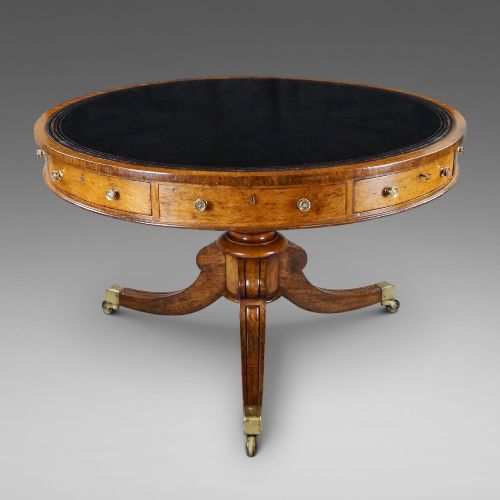
- A circular library table containing drawers around the perimeter of the frieze, often mounted on a central pillar and pedestal base.
William IV Library Desk: Frequently Asked Questions
Where should I place a library table?
These tables are traditionally finished on all sides to stand freestanding in the centre of a room rather than pushed against a wall. This positioning allows easy access to the frieze drawers and showcases the grain of the timber.
Ensure there is sufficient clearance around the piece for chairs to be pulled out comfortably.
What timber is most common?
Mahogany appears most frequently across these listings, alongside rich rosewood and occasional examples in oak or walnut. Exotic woods like goncalo alves also feature in high-status pieces.
The choice of timber dictates the overall tone of the furniture, ranging from deep reddish-brown mahogany to dark figured rosewood.
How do I care for leather inserts?
The leather writing surfaces require gentle cleaning with a damp cloth and occasional treatment with appropriate leather dressings to prevent cracking. Avoid harsh chemical cleaners that can strip the gold tooling.
Keeping the room at a stable humidity level protects both the leather insert and the surrounding timber framework.