



White Porcelain Ewer
A white porcelain ewer offers a classic vessel for water, cream, or wine, shaped by centuries of ceramic artistry across English, European, and Asian kilns.
White Porcelain Ewer
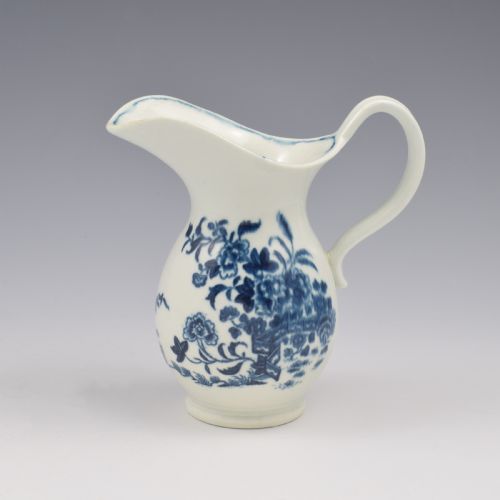
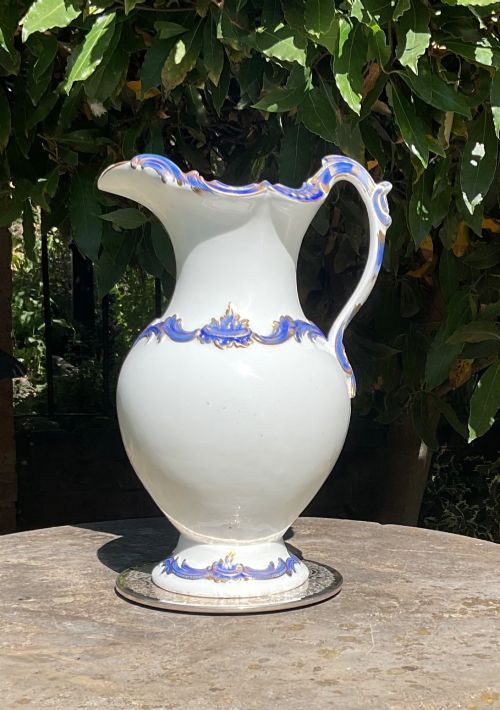
A white porcelain ewer encompasses forms ranging from small cream boats and miniature ewers to large water jugs and full washstand sets. Pieces span the seventeenth, eighteenth, nineteenth, and early twentieth centuries, reflecting diverse domestic and decorative uses over time.
English examples frequently take the form of cream jugs or water ewers produced by factories like Worcester, Derby, and Coalport during the eighteenth and nineteenth centuries. Continental and Asian pieces extend the range to include French porcelain miniatures, Japanese Imari sake ewers, and Chinese Ming style teapots.
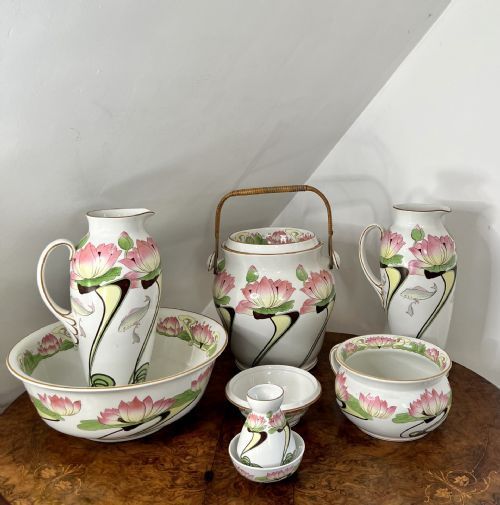
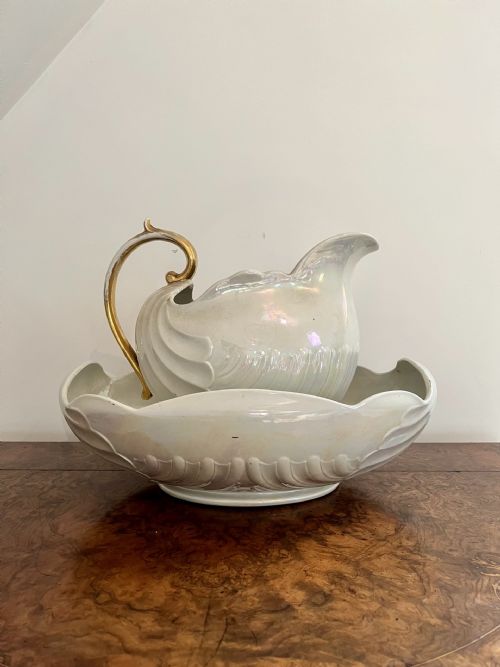
Larger domestic forms appear as Victorian bathroom sets and wash sets comprising matching jugs and bowls. These functional items demonstrate how refined ceramic production served daily household needs across different periods.
Materials and production methods
Makers shaped these items from porcelain, ceramic, and earthenware bodies before applying smooth glaze surfaces. Many pieces incorporate enamel decoration, hand painting, and gilt or gilding accents to enrich the white ceramic ground.
Specialised techniques include flower encrustation, blue and white underglaze painting, and moulded elements such as lamprey handles or dolphin supports. Firing methods and material composition varied between European factories and Asian kilns, producing distinct textures and weights.
Listings include porcelain materials, enamel decoration, glaze surfaces, and gilt or gilding across eighteenth, nineteenth, and early twentieth-century periods.
Judging quality and craftsmanship
Quality rests in the crispness of the moulded details, such as dolphin handles or applied floral encrustations, and the refinement of the porcelain body. Finer pieces display carefully controlled glaze coverage and precise hand painting or gilding that enhances the form without cluttering the surface.
The sophistication of the potting and the balance of the spout and handle distinguish superior examples from standard utility wares. Maker attribution, period authenticity, and the preservation of delicate surface decoration also elevate the standing of an individual piece.
John Rose Coalport·Doulton Burslem·Minton·Caughley
The White Porcelain Ewer Glossary
- Ewer
- A large jug with a wide spout and a handle, traditionally used for holding and pouring water or wine.
- Porcelain
- A hard, fine-grained ceramic material fired at high temperatures to achieve a vitrified, impermeable body.
- Gilding
- The application of gold leaf or powdered gold paint to the surface of ceramic pieces for decoration.
- Imari
- A style of Japanese porcelain decorated in underglaze blue and contrasting overglaze colours such as iron red and gold.
White Porcelain Ewer: Frequently Asked Questions
What is a white porcelain ewer used for?
These vessels served various practical and decorative functions depending on their size and period. Smaller examples operated as cream jugs, cream boats, or wine ewers at the table.
Larger versions functioned as water jugs or formed part of comprehensive bathroom and washstand sets for personal hygiene.
How do I care for antique porcelain?
Handle porcelain pieces with care, supporting the body and avoiding pressure on delicate spouts or handles. Clean them gently by hand using mild soap and lukewarm water when necessary, avoiding harsh abrasives that could damage gilt or enamel decoration.
Keep pieces away from sudden temperature changes and direct sunlight to preserve the glaze and pigments.
How can I tell the period of a piece?
Dating relies on examining the characteristics of the porcelain body, glaze consistency, and decorative style. Eighteenth-century pieces often display specific factory forms and hand-painted blue underglaze.
Later nineteenth and twentieth-century examples frequently feature moulded details, transfer printing, or distinct factory marks associated with Victorian and Edwardian production.
Are all white ewers plain white?
While the base ceramic material is white porcelain, many pieces incorporate additional decoration. Examples often feature hand-painted floral panels, blue and white motifs, or applied enamel flowers.
Others are enhanced with gilding along the rim, handle, and foot to highlight the form.