


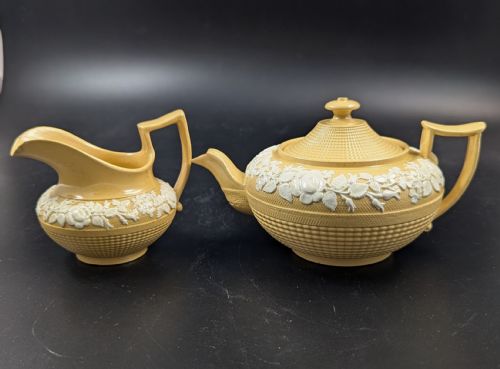


Georgian Ceramic Creamer
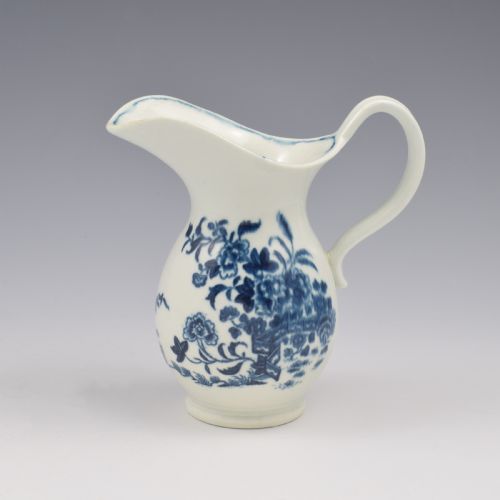
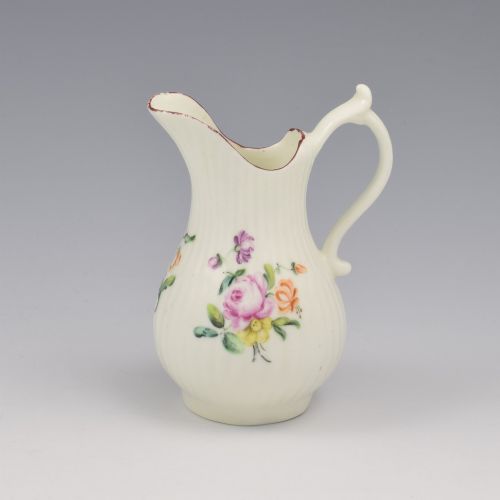
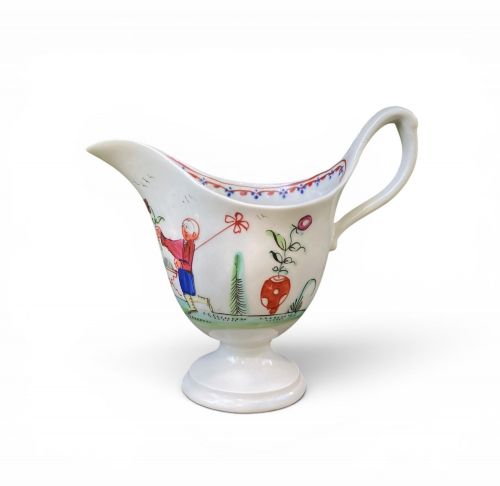
These georgian ceramic creamer examples range from delicate porcelain ewers to folk art cow creamers, offering a practical touch of historical elegance for the table.
Georgian Ceramic Creamer
A georgian ceramic creamer serves as a small pouring vessel designed for milk or cream during tea service, taking various forms from classic fluted balusters to novelty animal shapes. The pieces on this page span the eighteenth and nineteenth centuries, encompassing periods such as Regency and Victorian alongside distinct regional pottery traditions.
Makers utilised earthenware, creamware, pearlware and soft-paste porcelain to shape these jugs, cream boats and ewers. Collectors will encounter forms influenced by Neoclassical design as well as whimsical items like cow creamers complete with milkmaid figures.
Origins include notable factories such as Worcester, New Hall, Derby, Coalport and Leeds Pottery, reflecting the rich output of British ceramic centres. These vessels bridge utilitarian function and decorative art, capturing the domestic routines of the period.
What varies in quality
The refinement of the ceramic body distinguishes standard domestic items from superior porcelain pieces produced by renowned factories. Thinner walls, crisper moulding and more complex forms like dolphin ewers indicate higher ambition in the workshop.
Painting skill and decorative complexity elevate certain examples, particularly those featuring detailed armorial crests or carefully applied lustre and enamel work. The preservation of original gilding and the clarity of transfer prints also contribute to the distinction between pieces.
Several cows retain their original milkmaid riders, steadfastly pouring cream despite centuries of changing breakfast fashions.
Dr Wall Worcester·New Hall·Derby Porcelain·Leeds Pottery·H and R Daniel·Chamberlain Worcester·John Rose Coalport·Wedgwood·Herculaneum
The Georgian Ceramic Creamer Glossary
- Creamware
- A refined earthenware developed in Yorkshire and Staffordshire, characterised by its pale yellow or cream-coloured lead glaze. It became a dominant export and domestic tableware during the late eighteenth century.
- Pearlware
- An earthenware body developed by Josiah Wedgwood that featured a bluish-white glaze designed to mimic the appearance of Chinese porcelain. It frequently carried painted, transfer-printed or lustred decoration.
- Soft-Paste Porcelain
- An artificial porcelain compound composed of clay, glass frit and other minerals, fired at lower temperatures than true hard-paste porcelain. It was widely used by eighteenth-century English factories for domestic wares.
- Cow Creamer
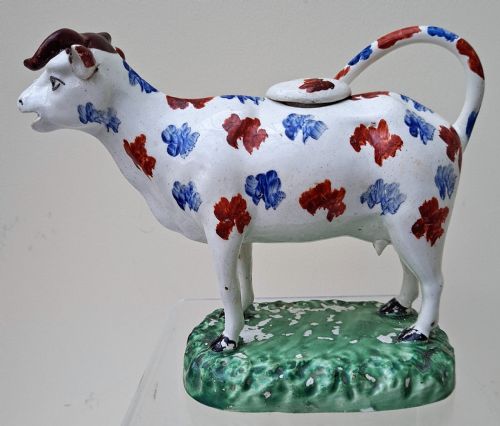
- A hollow pottery figurine of a cow modelled with a milk-pouring opening on its back and a tail functioning as a handle. These charming vessels often included a milkmaid figure seated on a flat base.
- Armorial Crest
- A heraldic device painted or printed onto ceramic bodies to denote the family crest of the original owner. Such bespoke commissioning marks high-status service wares.
- Ewer
- A large jug with a wide spout and curved handle, historically used for pouring water or liquids at the table. In ceramic forms, it often adopts classical or marine-inspired motifs.
Georgian Ceramic Creamer: Frequently Asked Questions
What is a cow creamer?
A cow creamer is a novelty ceramic vessel shaped like a cow, featuring an opening on the back for filling and a removable lid or direct pour spout through the mouth. They were popular in Welsh and Staffordshire potteries during the Georgian period.
These pieces often included a small figure of a milkmaid beside the animal and rested on a flat base. They combined practical table use with playful folk art design.
How do I identify porcelain from earthenware?
Porcelain is typically harder, finer in grain, and sometimes translucent when held up to a strong light. Earthenware is opaque, heavier, and utilises a porous clay body sealed with glaze.
Factory pieces from Worcester or New Hall utilised soft-paste porcelain, whereas Leeds and Staffordshire output leaned towards creamware and pearlware.
What distinguishes Regency ceramics from earlier Georgian pieces?
Regency ceramics often embrace bolder colours, gadroon moulding, and classical revival motifs influenced by contemporary architectural trends. Makers like H and R Daniel produced pieces with pronounced decorative borders and rich gilding.
Earlier eighteenth-century items tend to feature more delicate floral painting, blue and white transfer prints, or simpler rococo-influenced forms.
How were armorial creamers used?
Armorial creamers were commissioned by affluent families to display their specific heraldic crests during formal tea and breakfast services. They formed part of larger matched or matched-subset tea sets.
These vessels signified social status and family identity in domestic dining rooms across the late eighteenth century.