


Antique Porcelain Sauceboat
An antique porcelain sauceboat brings eighteenth and nineteenth-century craftsmanship to the table, offering a functional vessel that doubles as a miniature display of period artistry.
Antique Porcelain Sauceboat
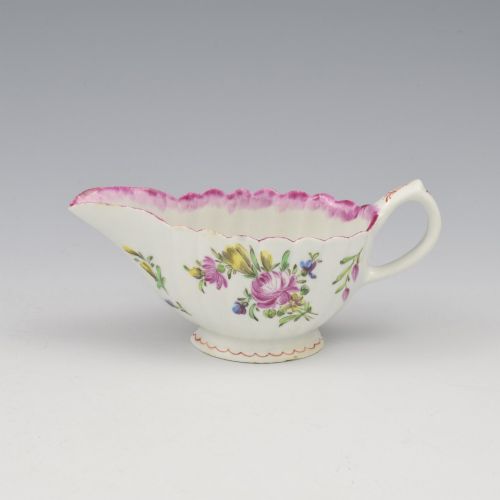
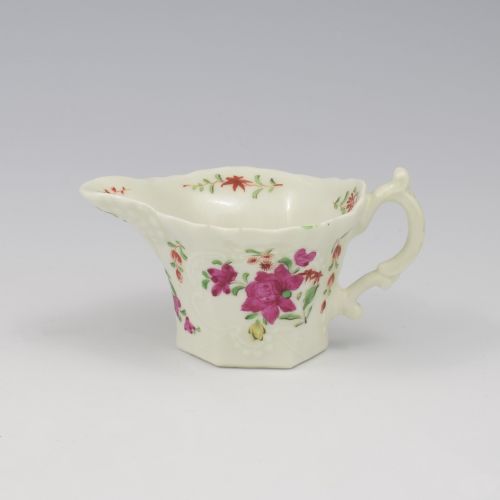
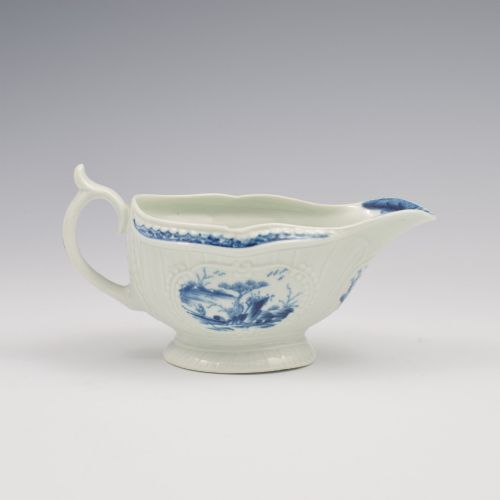
An antique porcelain sauceboat is a small, handled vessel designed for serving sauces, gravies, or cream at the dining table. When exploring this selection, buyers encounter pieces spanning the eighteenth and nineteenth centuries, featuring forms from standard boat shapes to lettuce leaves and dolphin ewers.
The objects originate from notable British factories such as Bow, Worcester, Chelsea Derby, and Derby, alongside Chinese export wares created for Western markets. Eighteenth-century examples dominate the selection, showcasing Georgian rococo, chinoiserie, and blue and white transfer or hand-painted decoration.
Makers utilised soft-paste porcelain extensively during the mid-to-late 1700s, leading to distinct potting characteristics that differ from later nineteenth-century wares. Collectors find pieces ranging from utilitarian cream boats to highly ornate triangular platform sauce boats with gilt or cobalt glaze details.
Materials and Techniques
Potters shaped soft-paste porcelain or hard-paste Chinese export porcelain by hand or in moulds, producing delicate yet durable forms like fluted bodies and naturalistic leaf designs. These pieces often incorporated applied elements, such as lamprey handles on dolphin ewers.
Decoration relied on cobalt blue glaze applied under the glaze, polychrome enamels, and gold leaf highlights. Factories fired these wares at high temperatures, fixing intricate patterns like Chinese figures, floral sprays, and armorials onto the porcelain surface.
Some eighteenth-century potters turned dinnerware into botany lessons by shaping sauceboats as lettuce leaves complete with crawling insects.
Assessing Quality and Execution
Quality in an antique porcelain sauceboat rests upon the crispness of the moulding and the skill of the painter. Superior pieces display finely detailed hand-painted scenes, such as distinct figures and landscapes, rather than rushed or blurred brushwork.
The condition of the glaze and gilding significantly influences the standing of a piece. Well-preserved cobalt blues, vibrant enamels, and intact gold leaf without excessive rubbing mark the higher tier of surviving examples.
The Antique Porcelain Sauceboat Glossary
- Soft-paste porcelain
- A ceramic composition made from clay, glass, and other minerals, fired at lower temperatures than hard-paste porcelain. It produces a warm, slightly translucent body common in eighteenth-century British wares.
- Cobalt glaze
- A deep blue metallic oxide used to decorate pottery before glazing and firing. It withstands high temperatures and creates the rich blue and white designs seen on many period pieces.
- Chinoiserie
- A European artistic style reflecting Chinese motifs and imaginary oriental landscapes. It gained popularity during the Georgian period on ceramics and decorative arts.
- Gilt
- A thin layer of gold applied to the surface of porcelain. It highlights rims, handles, and moulded details to add visual richness.
- Kakiemon
- A style of Japanese enamelled porcelain decoration featuring asymmetrical designs of birds and flowers. British factories frequently copied these palettes on eighteenth-century tableware.
Antique Porcelain Sauceboat: Frequently Asked Questions
How were antique sauceboats used?
These vessels served gravies, melted butter, and thin sauces at formal dining tables during the eighteenth and nineteenth centuries. Their spouts and comfortable handles allowed hosts to pour liquids cleanly onto individual plates.
Over time, many transitioned from functional dining implements to decorative display pieces in cabinets. Their sculptural forms made them centrepieces of period tablescapes.
How do I distinguish eighteenth-century pieces?
Eighteenth-century examples often utilise soft-paste porcelain, which exhibits a warmer tone and minor kiln imperfections under magnification. The weight tends to feel lighter, and the potting shows hand-formed characteristics.
Stylistic cues such as Georgian rococo moulding, specific factory periods like First Period Worcester, and hand-painted blue and white motifs help confirm the era.
Can I use an antique sauceboat today?
While structurally sound, these fragile ceramics require careful handling and hand washing rather than modern dishwasher use. Thermal shock from boiling liquids can crack aged soft-paste porcelain.
Many collectors prefer to exhibit them safely or use them exclusively for dry service or display. Gentle use preserves the delicate enamels and gold leaf.
What is Chinese export porcelain?
Chinese export porcelain refers to wares made in China specifically for European and American markets from the sixteenth to the nineteenth centuries. Factories adapted traditional shapes to suit Western dining habits, such as sauceboats.
These pieces often feature armorial bearings, Western figures, or elaborate famille rose enamels commissioned by wealthy families. They demonstrate the early global trade in ceramics.